North Korea Tests New Mobile Missile Launcher Resembling U.S. Himars
Written by Emily J. Thompson, Senior Investment Analyst
Updated: 2 days ago
0mins
Source: seekingalpha
- Missile Launcher Tests: North Korean leader Kim Jong Un oversaw tests of a new mobile missile launcher that closely resembles the U.S.-made Himars system, capable of firing both ballistic missiles and guided artillery, indicating advancements in North Korea's military technology.
- Autonomous Navigation Technology: The new launcher utilizes autonomous navigation technology, allowing for rapid firing and quick relocation post-launch, thereby reducing the risk of being targeted by adversaries and enhancing North Korea's combat capabilities.
- Precision Strike Capability: North Korea also tested a tactical cruise missile launcher with AI-assisted targeting, capable of “ultraprecision” strikes within a range of approximately 96.56 kilometers, aimed at creating deterrence near the South Korean border.
- Military Modernization Strategy: Kim Jong Un stated that these new systems reflect the changing nature of modern warfare and are intended to instill “extreme uneasiness and fear” among adversaries, forming part of North Korea's broader strategy to upgrade its conventional military forces alongside its expanding nuclear arsenal.
Trade with 70% Backtested Accuracy
Stop guessing "Should I Buy LMT?" and start using high-conviction signals backed by rigorous historical data.
Sign up today to access powerful investing tools and make smarter, data-driven decisions.
Analyst Views on LMT
Wall Street analysts forecast LMT stock price to fall
12 Analyst Rating
4 Buy
7 Hold
1 Sell
Hold
Current: 537.210

Low
430.00
Averages
535.50
High
605.00
Current: 537.210
Low
430.00
Averages
535.50
High
605.00
About LMT
Lockheed Martin Corporation is an aerospace and defense technology company. The Company's segments include Aeronautics, Missiles and Fire Control (MFC), Rotary and Mission Systems (RMS) and Space. The Aeronautics segment is engaged in research, design, development, manufacture, integration, sustainment, support and upgrade of advanced military aircraft, including combat and air mobility aircraft, unmanned air vehicles and related technologies. The MFC segment provides air and missile defense systems; tactical missiles and precision strike weapon systems; logistics; fire control systems; engineering support and integration services. The RMS segment designs, manufactures, services and supports various military and commercial helicopters, sea and land-based missile defense systems. The Space segment is engaged in the research and design, development, engineering and production of satellites, space transportation systems, and strategic, advanced strike, and defensive systems.
About the author

Emily J. Thompson
Emily J. Thompson, a Chartered Financial Analyst (CFA) with 12 years in investment research, graduated with honors from the Wharton School. Specializing in industrial and technology stocks, she provides in-depth analysis for Intellectia’s earnings and market brief reports.
Lockheed Martin Secures Nearly $380M in Defense Contracts

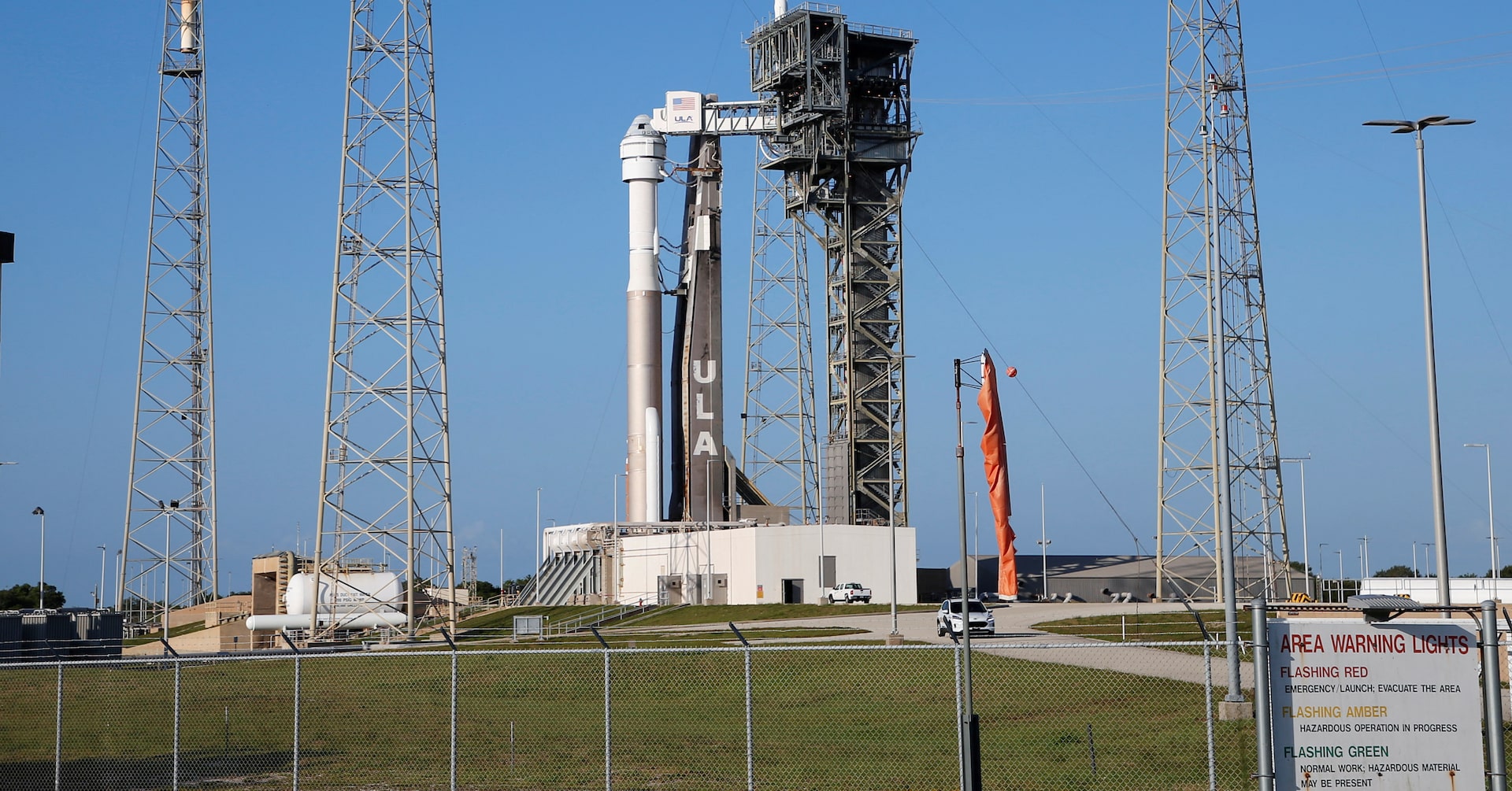
- Significant Contract Value: Lockheed Martin has secured two defense contracts worth up to $380.82 million, including a $200.82 million contract aimed at supporting AEGIS training and other related work, expected to be completed by June 2031, indicating sustained demand in the defense sector.
- International Customer Support: The second contract, valued at up to $180 million, focuses on logistics support for HIMARS and MLRS programs under an IDIQ agreement, aimed at serving international clients and expected to be completed by May 30, 2031, further solidifying the company's position in the global defense market.
- Flexible Funding Arrangement: The first contract does not obligate funds at the time of award, with payments to be made through individual task orders, allowing Lockheed Martin to better manage project risks and resource allocation.
- Clear Management Structure: Both contracts are managed by the Naval Air Warfare Center Training Systems Command and the Army Contracting Command, ensuring professionalism and execution efficiency in project management, reflecting the company's strong capabilities in defense contract management.
See More

U.S. Defense Secretary Emphasizes Asia-Pacific Security

- Asia-Pacific Balance: U.S. Secretary of Defense Pete Hegseth emphasized at the Shangri-La Dialogue in Singapore that the U.S. is committed to maintaining equilibrium in the Asia-Pacific region, highlighting the importance of collaboration with allies, particularly in countering China's military expansion.
- Defense Spending Requirements: Hegseth stated that the U.S. demands allies to increase defense spending to 3.5% of GDP, promising to prioritize cooperation with these 'model allies' to expedite arms sales and enhance intelligence sharing, thereby strengthening collective defense capabilities.
- Warning to China: He warned China against disrupting the status quo, asserting that concerns over China's military buildup in the Asia-Pacific are 'rightful' and reaffirming America's longstanding position in the region, emphasizing that the U.S. is a Pacific nation.
- European Allies' Responsibilities: Hegseth criticized European allies for not shouldering their fair share of defense responsibilities, pointing out that the U.S. bears an excessive security burden and urging European nations to engage more actively in regional security matters to uphold the global order.
See More

Starfighters Space Accelerates STARLAUNCH Development with New Leadership and Investment


- Executive Appointments: On May 7, 2026, Starfighters Space appointed former Blue Origin executives Jose Arias and Catrina L. Medeiros as Vice President of Space Operations and Director of STARLAUNCH Operations, respectively, aiming to enhance the company's capabilities in high-frequency mission execution and strengthen its position in the competitive aerospace market.
- Strategic Investment: The company recently secured a $17.5 million strategic equity investment led by global institutional investors, earmarked for operational expansion and infrastructure development to support future STARLAUNCH demonstration missions, reflecting strong investor confidence in its long-term strategy.
- Technical Collaboration: Starfighters expanded its Technical Interchange Agreement with Blackstar Orbital to advance flight testing of reusable hypersonic SpaceDrone systems, further solidifying its technical prowess in aerospace testing and enhancing market competitiveness.
- Product Innovation: The company introduced the F-104 Airborne Aerodynamic Test Platform, capable of replicating the first 30 seconds of rocket launch dynamics, marking a technological advancement in defense applications that is expected to attract more defense contracts and drive business growth.
See More

US-Iran Conflict Escalates, Oil Prices Surge Amid Economic Uncertainty


- Escalation of US-Iran Conflict: Following weeks of paused action, the US and Iran have resumed airstrikes, complicating hopes for a permanent resolution to the conflict, which is impacting global oil supplies and market sentiment.
- Strong Stock Market Performance: Despite rising geopolitical tensions, both the S&P 500 and Nasdaq Composite closed at record highs, primarily driven by a surge in AI-related stocks, indicating strong market confidence in the technology sector.
- Oil Price Warning: ExxonMobil has warned that oil inventories are on track to reach dangerously low levels in the coming weeks, forcing prices to spike and curbing demand, reflecting market concerns over energy supply.
- Wealthy Investors Pulling Out: According to the UBS Global Family Office Report, 60% of family offices plan to adjust their investment allocations in the next year, with many reducing US holdings and increasing exposure to emerging markets, highlighting a growing trend of 'de-dollarization'.
See More

Investment Choices Between Lockheed Martin and Boeing

- Lockheed Martin Stability: In FY 2025, Lockheed Martin reported revenue of $75.1 billion, a 5.7% increase, with approximately 72% of sales derived from the U.S. government, highlighting its strong reliance on defense contracts, which also introduces customer concentration risks.
- Boeing Growth Potential: Boeing achieved nearly $89.5 billion in revenue for FY 2025, representing a 34.5% growth, successfully returning to profitability with a net income of approximately $2.2 billion, indicating recovery potential in its commercial aviation segment despite ongoing production and certification challenges.
- Financial Health Comparison: Lockheed Martin's debt-to-equity ratio stands at 3.2x, indicating relatively low financial leverage, while Boeing's ratio is a concerning 10.0x, reflecting a high-risk financial structure, although Boeing's current ratio of 1.2 slightly outperforms Lockheed's 1.1.
- Investor Choice Considerations: For investors seeking stability and income, Lockheed Martin offers reliable cash flow and steady dividends, while those willing to accept higher risks for potentially greater rewards may consider Boeing's long-term prospects, especially given the strong demand for its commercial aviation products.
See More

Lockheed Martin Delivers First Integrated Combat System Software to U.S. Navy
- Accelerated Software Upgrades: Lockheed Martin's delivery of the first Integrated Combat System software baseline to the U.S. Navy establishes a six-month cadence for software updates and certifications, enabling the Navy to roll out new capabilities more frequently across ships equipped with the Aegis combat system.
- Long-Term Revenue Potential: This milestone highlights the Pentagon's emphasis on software-defined warfare, which could provide Lockheed Martin with longer-term revenue streams tied to upgrades, sustainment, and systems integration rather than one-time hardware sales, particularly as the Navy seeks greater interoperability across its fleet.
- Integrated Combat Architecture: The Integrated Combat System is designed to combine legacy combat functions with newer software infrastructure to expedite the deployment of sensors, weapons, and operational capabilities, with future baseline updates incrementally adding capabilities, sensors, and effectors while moving the fleet toward a common combat architecture.
- Cost Control and Commitment: Lockheed Martin emphasizes that this delivery underscores its commitment to partnering with the U.S. Navy to reduce costs and enable surface combatants to receive updated combat capabilities on a predictable schedule, addressing evolving threats from adversaries like China.
See More
Lockheed Martin Secures Nearly $380M in Defense Contracts
- Significant Contract Value: Lockheed Martin has secured two defense contracts worth up to $380.82 million, including a $200.82 million contract aimed at supporting AEGIS training and other related work, expected to be completed by June 2031, indicating sustained demand in the defense sector.
- International Customer Support: The second contract, valued at up to $180 million, focuses on logistics support for HIMARS and MLRS programs under an IDIQ agreement, aimed at serving international clients and expected to be completed by May 30, 2031, further solidifying the company's position in the global defense market.
- Flexible Funding Arrangement: The first contract does not obligate funds at the time of award, with payments to be made through individual task orders, allowing Lockheed Martin to better manage project risks and resource allocation.
- Clear Management Structure: Both contracts are managed by the Naval Air Warfare Center Training Systems Command and the Army Contracting Command, ensuring professionalism and execution efficiency in project management, reflecting the company's strong capabilities in defense contract management.
See More
U.S. Defense Secretary Emphasizes Asia-Pacific Security
- Asia-Pacific Balance: U.S. Secretary of Defense Pete Hegseth emphasized at the Shangri-La Dialogue in Singapore that the U.S. is committed to maintaining equilibrium in the Asia-Pacific region, highlighting the importance of collaboration with allies, particularly in countering China's military expansion.
- Defense Spending Requirements: Hegseth stated that the U.S. demands allies to increase defense spending to 3.5% of GDP, promising to prioritize cooperation with these 'model allies' to expedite arms sales and enhance intelligence sharing, thereby strengthening collective defense capabilities.
- Warning to China: He warned China against disrupting the status quo, asserting that concerns over China's military buildup in the Asia-Pacific are 'rightful' and reaffirming America's longstanding position in the region, emphasizing that the U.S. is a Pacific nation.
- European Allies' Responsibilities: Hegseth criticized European allies for not shouldering their fair share of defense responsibilities, pointing out that the U.S. bears an excessive security burden and urging European nations to engage more actively in regional security matters to uphold the global order.
See More
Starfighters Space Accelerates STARLAUNCH Development with New Leadership and Investment
- Executive Appointments: On May 7, 2026, Starfighters Space appointed former Blue Origin executives Jose Arias and Catrina L. Medeiros as Vice President of Space Operations and Director of STARLAUNCH Operations, respectively, aiming to enhance the company's capabilities in high-frequency mission execution and strengthen its position in the competitive aerospace market.
- Strategic Investment: The company recently secured a $17.5 million strategic equity investment led by global institutional investors, earmarked for operational expansion and infrastructure development to support future STARLAUNCH demonstration missions, reflecting strong investor confidence in its long-term strategy.
- Technical Collaboration: Starfighters expanded its Technical Interchange Agreement with Blackstar Orbital to advance flight testing of reusable hypersonic SpaceDrone systems, further solidifying its technical prowess in aerospace testing and enhancing market competitiveness.
- Product Innovation: The company introduced the F-104 Airborne Aerodynamic Test Platform, capable of replicating the first 30 seconds of rocket launch dynamics, marking a technological advancement in defense applications that is expected to attract more defense contracts and drive business growth.
See More
US-Iran Conflict Escalates, Oil Prices Surge Amid Economic Uncertainty
- Escalation of US-Iran Conflict: Following weeks of paused action, the US and Iran have resumed airstrikes, complicating hopes for a permanent resolution to the conflict, which is impacting global oil supplies and market sentiment.
- Strong Stock Market Performance: Despite rising geopolitical tensions, both the S&P 500 and Nasdaq Composite closed at record highs, primarily driven by a surge in AI-related stocks, indicating strong market confidence in the technology sector.
- Oil Price Warning: ExxonMobil has warned that oil inventories are on track to reach dangerously low levels in the coming weeks, forcing prices to spike and curbing demand, reflecting market concerns over energy supply.
- Wealthy Investors Pulling Out: According to the UBS Global Family Office Report, 60% of family offices plan to adjust their investment allocations in the next year, with many reducing US holdings and increasing exposure to emerging markets, highlighting a growing trend of 'de-dollarization'.
See More
Investment Choices Between Lockheed Martin and Boeing
- Lockheed Martin Stability: In FY 2025, Lockheed Martin reported revenue of $75.1 billion, a 5.7% increase, with approximately 72% of sales derived from the U.S. government, highlighting its strong reliance on defense contracts, which also introduces customer concentration risks.
- Boeing Growth Potential: Boeing achieved nearly $89.5 billion in revenue for FY 2025, representing a 34.5% growth, successfully returning to profitability with a net income of approximately $2.2 billion, indicating recovery potential in its commercial aviation segment despite ongoing production and certification challenges.
- Financial Health Comparison: Lockheed Martin's debt-to-equity ratio stands at 3.2x, indicating relatively low financial leverage, while Boeing's ratio is a concerning 10.0x, reflecting a high-risk financial structure, although Boeing's current ratio of 1.2 slightly outperforms Lockheed's 1.1.
- Investor Choice Considerations: For investors seeking stability and income, Lockheed Martin offers reliable cash flow and steady dividends, while those willing to accept higher risks for potentially greater rewards may consider Boeing's long-term prospects, especially given the strong demand for its commercial aviation products.
See More
Lockheed Martin Delivers First Integrated Combat System Software to U.S. Navy
- Accelerated Software Upgrades: Lockheed Martin's delivery of the first Integrated Combat System software baseline to the U.S. Navy establishes a six-month cadence for software updates and certifications, enabling the Navy to roll out new capabilities more frequently across ships equipped with the Aegis combat system.
- Long-Term Revenue Potential: This milestone highlights the Pentagon's emphasis on software-defined warfare, which could provide Lockheed Martin with longer-term revenue streams tied to upgrades, sustainment, and systems integration rather than one-time hardware sales, particularly as the Navy seeks greater interoperability across its fleet.
- Integrated Combat Architecture: The Integrated Combat System is designed to combine legacy combat functions with newer software infrastructure to expedite the deployment of sensors, weapons, and operational capabilities, with future baseline updates incrementally adding capabilities, sensors, and effectors while moving the fleet toward a common combat architecture.
- Cost Control and Commitment: Lockheed Martin emphasizes that this delivery underscores its commitment to partnering with the U.S. Navy to reduce costs and enable surface combatants to receive updated combat capabilities on a predictable schedule, addressing evolving threats from adversaries like China.
See More