Nike Stock Underperforms but Remains a Strong Hold
Written by Emily J. Thompson, Senior Investment Analyst
Updated: Mar 11 2026
0mins


Should l Buy VFC?
Source: CNBC
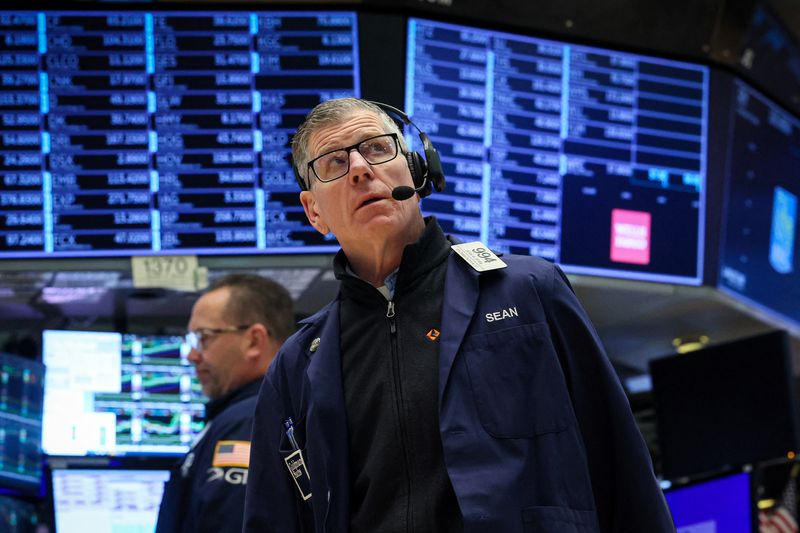
- Stock Performance Analysis: Nike's stock has declined 5% over the past five trading days and over 12% year-to-date, currently trading below $56, marking its lowest level since initiating a position around $68 last September, reflecting market concerns about its future performance.
- Analyst Rating Adjustment: Barclays upgraded Nike's rating from neutral to buy, acknowledging that while Wall Street's expectations may still be high, the risk-to-reward profile has shifted favorably, making Nike an attractive investment opportunity at this stage.
- North America Focus: Under CEO Elliott Hill's leadership, Nike has improved its performance in North America, cleaned up inventory, and driven impressive growth in its running business, indicating potential for brand revitalization.
- Challenges in China: Declining sales in China have been a major reason for Nike's stock drop, leading analysts to lower fiscal 2027 earnings per share estimates; however, Wells Fargo maintains a buy rating, reflecting confidence in Nike's long-term value.
Trade with 70% Backtested Accuracy
Stop guessing "Should I Buy VFC?" and start using high-conviction signals backed by rigorous historical data.
Sign up today to access powerful investing tools and make smarter, data-driven decisions.
Analyst Views on VFC
Wall Street analysts forecast VFC stock price to fall
18 Analyst Rating
3 Buy
13 Hold
2 Sell
Hold
Current: 19.060

Low
10.00
Averages
16.09
High
25.00
Current: 19.060
Low
10.00
Averages
16.09
High
25.00
About VFC
V.F. Corp is a global apparel, footwear and accessories company. The Company designs, procures, markets and distributes a variety of branded products, including backpacks, luggage and accessories for consumers of all ages. Its products are marketed under VF-owned brand names. Its portfolio of outdoor, active and workwear brands includes The North Face, Vans, Timberland, Altra, Smartwool, Icebreaker, Kipling, Napapijri, Eastpak, JanSport, and Timberland PRO. Its segments include Outdoor, Active, and Work. The Outdoor segment is a group of outdoor-based lifestyle brands. Product offerings include performance and performance-inspired outdoor apparel, footwear, equipment and accessories. The Active segment is a group of activity-based lifestyle brands. Product offerings include active apparel, footwear, backpacks, luggage and accessories. The Work segment consists of performance and lifestyle workwear brands with product offerings that include apparel, footwear and accessories.
About the author

Emily J. Thompson
Emily J. Thompson, a Chartered Financial Analyst (CFA) with 12 years in investment research, graduated with honors from the Wharton School. Specializing in industrial and technology stocks, she provides in-depth analysis for Intellectia’s earnings and market brief reports.
Key Wall Street Rating Changes Overview

- LCI Industries Upgrade: Roth upgrades LCI Industries from Hold to Buy with a price target of $164, unchanged, following outsized Q1 EPS, indicating strong profitability that is expected to drive stock price upward.
- VF Corp Upgrade: BTIG raises VF Corp's rating from Neutral to Buy, citing more reasonable estimates reflecting positive outlook for Vans brand, which could enhance market confidence and shareholder returns.
- DaVita's Strong Performance: Deutsche Bank upgrades DaVita from Hold to Buy after reporting Q1 revenues of $3.415 billion, beating consensus by 2.2%, and EPS of $2.87, exceeding expectations by 22.1%, showcasing robust treatment growth and revenue per treatment.
- Monster Beverage Upgrade: Rothschild & Co Redburn upgrades Monster Beverage from Neutral to Buy, highlighting significant international growth potential as the company currently holds only 14% market share, suggesting substantial future market position improvement.
See More

VF Corporation to Release Q4 Fiscal 2026 Financial Results
- Earnings Release Schedule: VF Corporation plans to release its fourth quarter fiscal 2026 financial results on May 20, 2026, at 6:00 a.m. ET, reflecting the company's commitment to transparency and investor communication.
- Conference Call Details: Following the earnings release, VF management will host a conference call at 8:00 a.m. ET to review the financial results, aiming to enhance interaction and trust with investors.
- Live Broadcast Availability: The conference call will be broadcast live via the Internet, accessible at ir.vfc.com, ensuring timely information dissemination and broad coverage for stakeholders.
- Company Background: VF Corporation is a portfolio of leading outdoor, active, and workwear brands, including The North Face®, Vans®, and Timberland®, showcasing its leadership in the industry and commitment to sustainability.
See More

Three Stocks to Consider Today with Strong Value Characteristics

- CF Industries Earnings Boost: CF Industries Holdings, Inc. has seen its current year earnings estimate rise by 44.2% over the last 60 days, indicating strong performance in the ammonia market, which is expected to drive stock price appreciation and enhance investor confidence.
- Valuation Advantage for CF Industries: The company boasts a price-to-earnings ratio of 10.65, significantly lower than the industry average of 14.90, suggesting that its stock is attractive in the current market environment, likely drawing more attention from value investors.
- Life Time Group Earnings Adjustment: Life Time Group Holdings, Inc. has experienced a 1.9% increase in its current year earnings estimate over the past 60 days, reflecting stable growth potential in the wellness services sector, which may help bolster market confidence despite the modest increase.
- Future Potential of Quantum Computing: As major tech companies like Microsoft, Google, and Amazon accelerate the integration of quantum computing technology, investors have the opportunity to capitalize on stocks related to this technological revolution, which could lead to significant capital appreciation in the future.
See More
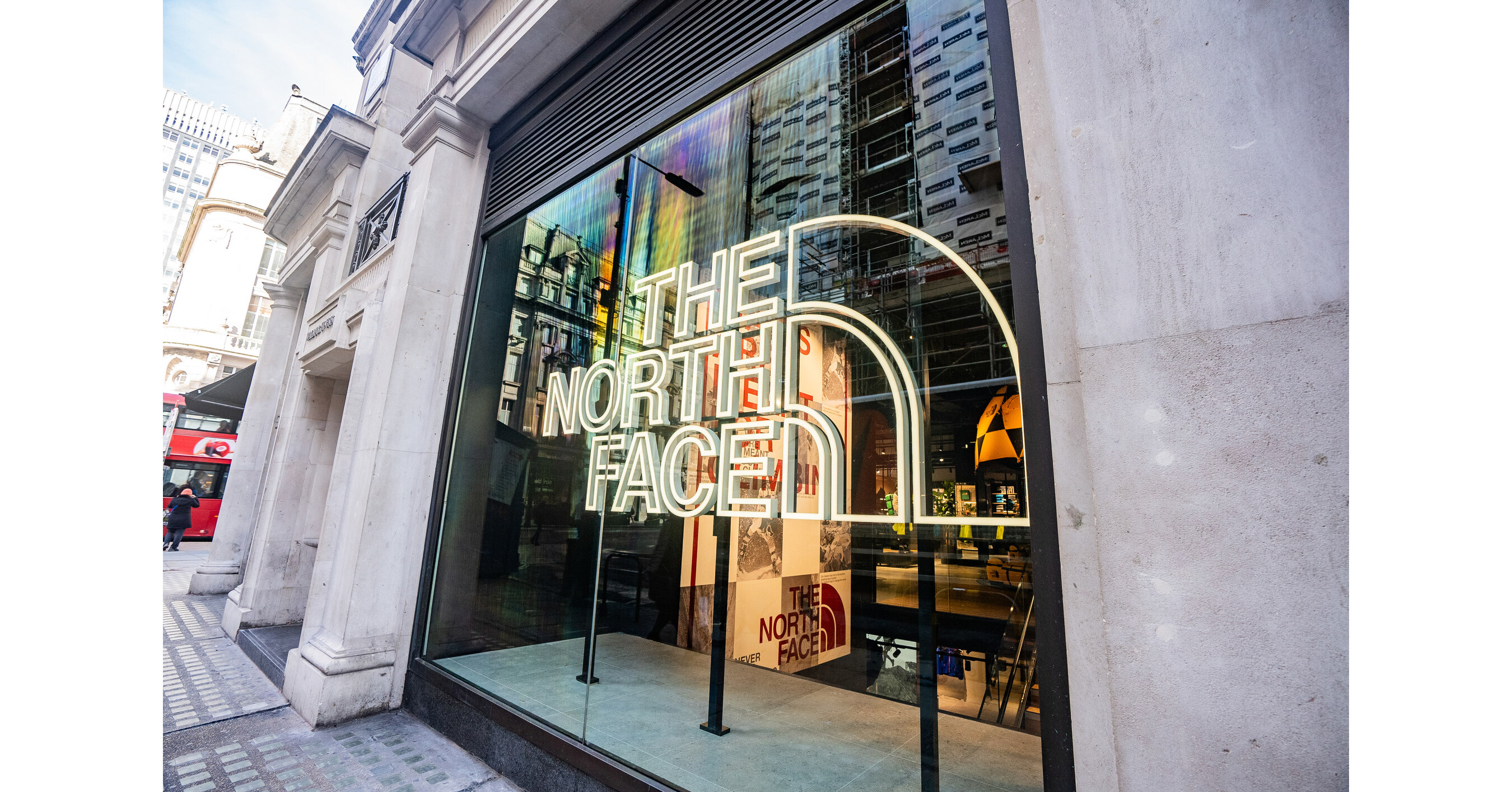
Nedap Partners with VF Corporation for Inventory Visibility
- Inventory Visibility Partnership: Nedap has partnered with VF Corporation to deploy its inventory engine across over 1,500 stores, aiming to enhance inventory transparency and accuracy, thereby improving retail operational efficiency and customer experience.
- Omnichannel Strategy Implementation: VF plans to create a unified inventory view through Nedap's solution, enhancing product availability and supporting its business across various sales channels to ensure a consistent shopping experience for consumers, whether online or in-store.
- RFID Technology Expansion: VF is extending its RFID initiative to distribution centers and suppliers, enhancing supply chain transparency, improving brand protection, and ensuring continuous product availability to combat gray market activities.
- Long-term Strategic Choice: VF's selection of Nedap follows a successful pilot project, reflecting its emphasis on scalability and global support, indicating VF's commitment to delivering seamless consumer service in a rapidly changing business environment.
See More
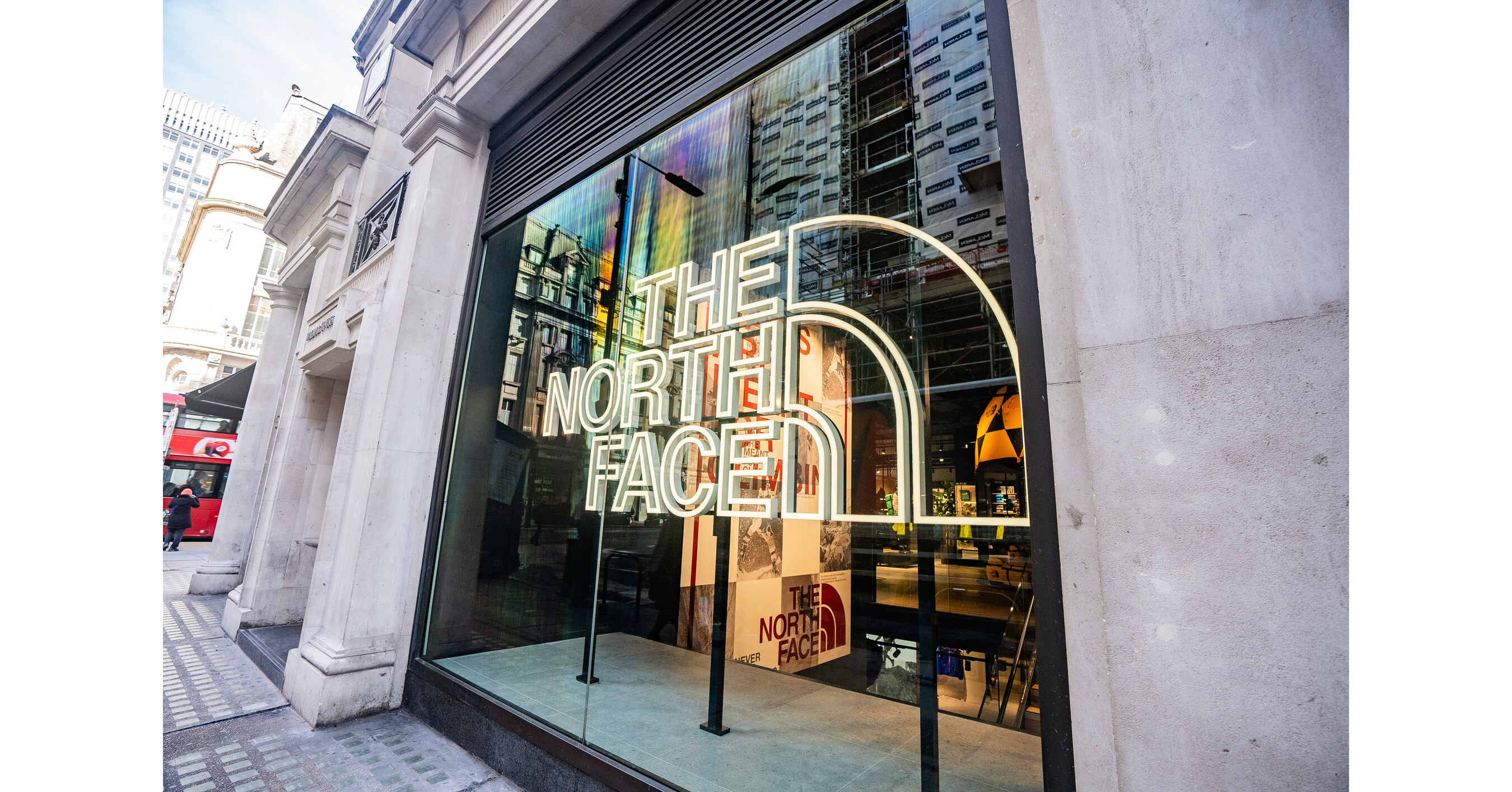
VF Corporation Partners with Nedap for Comprehensive Inventory Visibility
- Inventory Visibility Partnership: VF Corporation has partnered with Nedap to implement its inventory engine across over 1,500 stores, aiming to enhance inventory accuracy and product availability, thereby improving omnichannel retail performance and meeting consumer expectations for consistent service.
- Omnichannel Strategy Expansion: This collaboration extends beyond stores to distribution channels, as VF seeks to enhance inventory visibility to combat gray market activities and strengthen brand protection, ensuring consumers have the same product availability across all touchpoints.
- Technology Selection Rationale: VF chose Nedap following a successful pilot program, reassessing its long-term needs for scalability, architecture, and global support, reflecting a clear vision for the future retail landscape.
- Supply Chain Transparency Enhancement: VF's supply chain strategy expands RFID technology to distribution centers and suppliers, increasing transparency across the supply chain, improving product availability, and ensuring a consistent customer experience, further solidifying the brand's market position.
See More
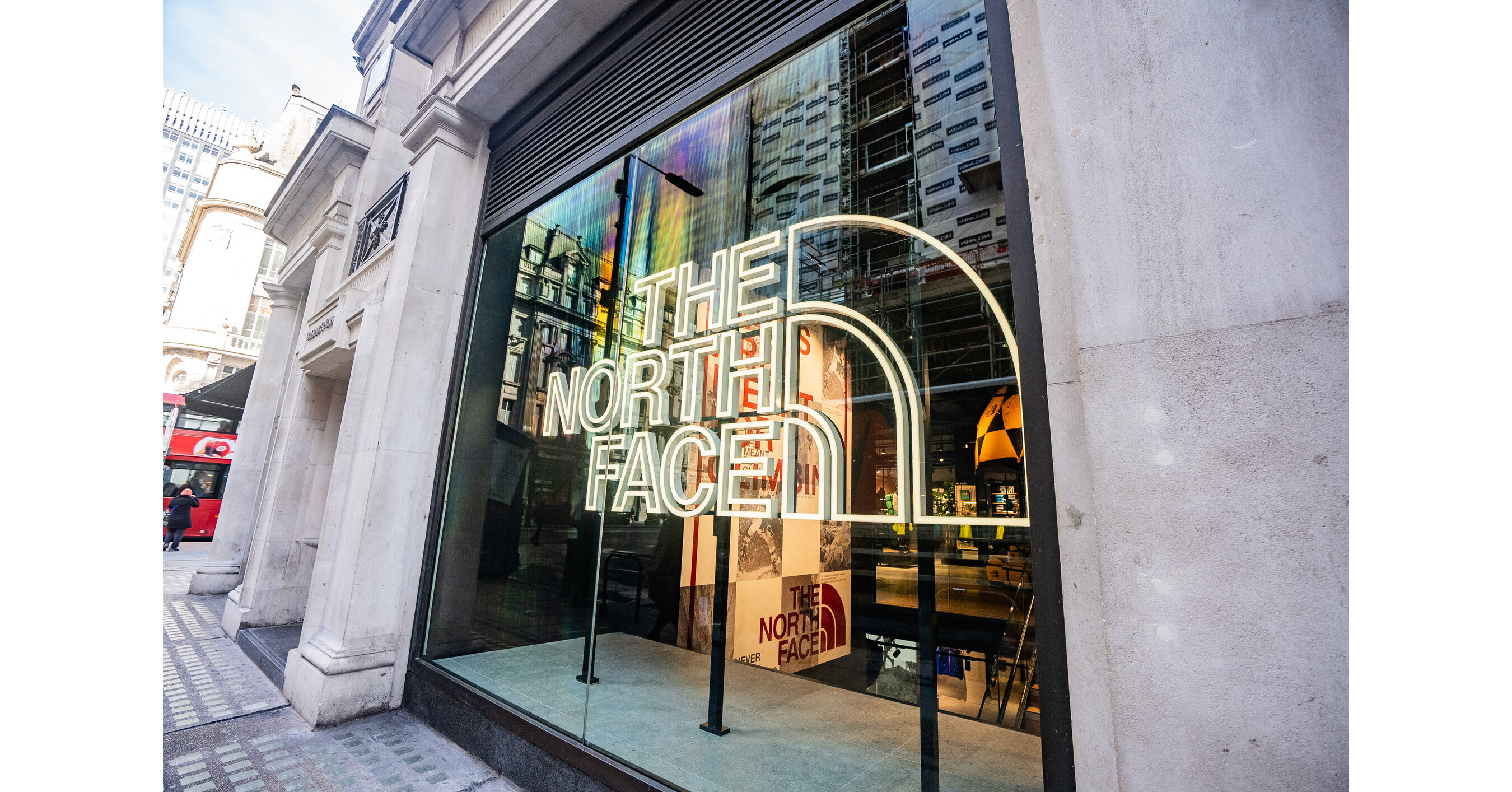
Nedap Partners with VF Corporation for Inventory Visibility
- Strategic Partnership: Nedap has formed a strategic partnership with VF Corporation, which will deploy the Nedap Inventory Engine across over 1,500 stores, aiming to enhance inventory visibility and retail operational efficiency, thereby strengthening brand competitiveness.
- Inventory Management Improvement: By implementing the Nedap Inventory Engine, VF plans to improve stock accuracy and product availability, supporting omnichannel performance to meet consumer expectations for consistent product availability, ultimately enhancing customer loyalty.
- Supply Chain Transparency: VF is extending its RFID program to distribution centers and vendor partners, increasing transparency across the entire supply chain to ensure product availability and strengthen brand protection, reflecting VF's clear vision for the future retail landscape.
- Technology Selection Rationale: VF chose Nedap after reassessing its long-term needs based on a successful pilot project, as Nedap's solution offers scalability and global support, enabling VF to deliver seamless service across multiple channels.
See More
Key Wall Street Rating Changes Overview
- LCI Industries Upgrade: Roth upgrades LCI Industries from Hold to Buy with a price target of $164, unchanged, following outsized Q1 EPS, indicating strong profitability that is expected to drive stock price upward.
- VF Corp Upgrade: BTIG raises VF Corp's rating from Neutral to Buy, citing more reasonable estimates reflecting positive outlook for Vans brand, which could enhance market confidence and shareholder returns.
- DaVita's Strong Performance: Deutsche Bank upgrades DaVita from Hold to Buy after reporting Q1 revenues of $3.415 billion, beating consensus by 2.2%, and EPS of $2.87, exceeding expectations by 22.1%, showcasing robust treatment growth and revenue per treatment.
- Monster Beverage Upgrade: Rothschild & Co Redburn upgrades Monster Beverage from Neutral to Buy, highlighting significant international growth potential as the company currently holds only 14% market share, suggesting substantial future market position improvement.
See More
VF Corporation to Release Q4 Fiscal 2026 Financial Results
- Earnings Release Schedule: VF Corporation plans to release its fourth quarter fiscal 2026 financial results on May 20, 2026, at 6:00 a.m. ET, reflecting the company's commitment to transparency and investor communication.
- Conference Call Details: Following the earnings release, VF management will host a conference call at 8:00 a.m. ET to review the financial results, aiming to enhance interaction and trust with investors.
- Live Broadcast Availability: The conference call will be broadcast live via the Internet, accessible at ir.vfc.com, ensuring timely information dissemination and broad coverage for stakeholders.
- Company Background: VF Corporation is a portfolio of leading outdoor, active, and workwear brands, including The North Face®, Vans®, and Timberland®, showcasing its leadership in the industry and commitment to sustainability.
See More
Three Stocks to Consider Today with Strong Value Characteristics
- CF Industries Earnings Boost: CF Industries Holdings, Inc. has seen its current year earnings estimate rise by 44.2% over the last 60 days, indicating strong performance in the ammonia market, which is expected to drive stock price appreciation and enhance investor confidence.
- Valuation Advantage for CF Industries: The company boasts a price-to-earnings ratio of 10.65, significantly lower than the industry average of 14.90, suggesting that its stock is attractive in the current market environment, likely drawing more attention from value investors.
- Life Time Group Earnings Adjustment: Life Time Group Holdings, Inc. has experienced a 1.9% increase in its current year earnings estimate over the past 60 days, reflecting stable growth potential in the wellness services sector, which may help bolster market confidence despite the modest increase.
- Future Potential of Quantum Computing: As major tech companies like Microsoft, Google, and Amazon accelerate the integration of quantum computing technology, investors have the opportunity to capitalize on stocks related to this technological revolution, which could lead to significant capital appreciation in the future.
See More
Nedap Partners with VF Corporation for Inventory Visibility
- Inventory Visibility Partnership: Nedap has partnered with VF Corporation to deploy its inventory engine across over 1,500 stores, aiming to enhance inventory transparency and accuracy, thereby improving retail operational efficiency and customer experience.
- Omnichannel Strategy Implementation: VF plans to create a unified inventory view through Nedap's solution, enhancing product availability and supporting its business across various sales channels to ensure a consistent shopping experience for consumers, whether online or in-store.
- RFID Technology Expansion: VF is extending its RFID initiative to distribution centers and suppliers, enhancing supply chain transparency, improving brand protection, and ensuring continuous product availability to combat gray market activities.
- Long-term Strategic Choice: VF's selection of Nedap follows a successful pilot project, reflecting its emphasis on scalability and global support, indicating VF's commitment to delivering seamless consumer service in a rapidly changing business environment.
See More
VF Corporation Partners with Nedap for Comprehensive Inventory Visibility
- Inventory Visibility Partnership: VF Corporation has partnered with Nedap to implement its inventory engine across over 1,500 stores, aiming to enhance inventory accuracy and product availability, thereby improving omnichannel retail performance and meeting consumer expectations for consistent service.
- Omnichannel Strategy Expansion: This collaboration extends beyond stores to distribution channels, as VF seeks to enhance inventory visibility to combat gray market activities and strengthen brand protection, ensuring consumers have the same product availability across all touchpoints.
- Technology Selection Rationale: VF chose Nedap following a successful pilot program, reassessing its long-term needs for scalability, architecture, and global support, reflecting a clear vision for the future retail landscape.
- Supply Chain Transparency Enhancement: VF's supply chain strategy expands RFID technology to distribution centers and suppliers, increasing transparency across the supply chain, improving product availability, and ensuring a consistent customer experience, further solidifying the brand's market position.
See More
Nedap Partners with VF Corporation for Inventory Visibility
- Strategic Partnership: Nedap has formed a strategic partnership with VF Corporation, which will deploy the Nedap Inventory Engine across over 1,500 stores, aiming to enhance inventory visibility and retail operational efficiency, thereby strengthening brand competitiveness.
- Inventory Management Improvement: By implementing the Nedap Inventory Engine, VF plans to improve stock accuracy and product availability, supporting omnichannel performance to meet consumer expectations for consistent product availability, ultimately enhancing customer loyalty.
- Supply Chain Transparency: VF is extending its RFID program to distribution centers and vendor partners, increasing transparency across the entire supply chain to ensure product availability and strengthen brand protection, reflecting VF's clear vision for the future retail landscape.
- Technology Selection Rationale: VF chose Nedap after reassessing its long-term needs based on a successful pilot project, as Nedap's solution offers scalability and global support, enabling VF to deliver seamless service across multiple channels.
See More