Nasdaq Stock: Analyst Estimates & Ratings
Written by Emily J. Thompson, Senior Investment Analyst
Updated: Nov 15 2024
0mins


Source: NASDAQ.COM
Company Overview and Performance: Nasdaq, Inc. is a global technology leader with a market cap of $45.9 billion, offering various services to capital markets. Its stock has outperformed the S&P 500 Index, gaining 47% over the past year and 34.3% in 2024.
Analyst Ratings and Future Outlook: Analysts have a consensus rating of "Moderate Buy" for NDAQ, with price targets suggesting potential upside. Deutsche Bank raised its price target from $78 to $80, anticipating a supportive environment for capital markets through at least 2025.
Trade with 70% Backtested Accuracy
Stop guessing "Should I Buy DB?" and start using high-conviction signals backed by rigorous historical data.
Sign up today to access powerful investing tools and make smarter, data-driven decisions.
Analyst Views on DB
Wall Street analysts forecast DB stock price to rise
13 Analyst Rating
7 Buy
5 Hold
1 Sell
Moderate Buy
Current: 33.860

Low
36.55
Averages
43.20
High
47.63
Current: 33.860
Low
36.55
Averages
43.20
High
47.63
About DB
Deutsche Bank Aktiengesellschaft is a bank and holding company for its subsidiaries. The Company offers a range of services such as investment, financial and related products and services to private individuals, corporate entities, and institutional clients. It operates through four business divisions: Corporate Bank, Investment Bank, Private Bank and Asset Management. The Corporate Bank division serves corporate clients and financial institutions, offering cash management, trade finance, lending, foreign exchange, trust and agency services, correspondent banking, and securities services. The Investment Bank division includes Fixed Income & Currencies (FIC) Sales & Trading, Origination & Advisory, and Deutsche Bank Research. The Private Bank division focuses on personal and private clients, wealthy individuals, entrepreneurs and families. The Asset Management division operates under the brand DWS, and it serves a diverse client base of retail and institutional investors worldwide.
About the author

Emily J. Thompson
Emily J. Thompson, a Chartered Financial Analyst (CFA) with 12 years in investment research, graduated with honors from the Wharton School. Specializing in industrial and technology stocks, she provides in-depth analysis for Intellectia’s earnings and market brief reports.
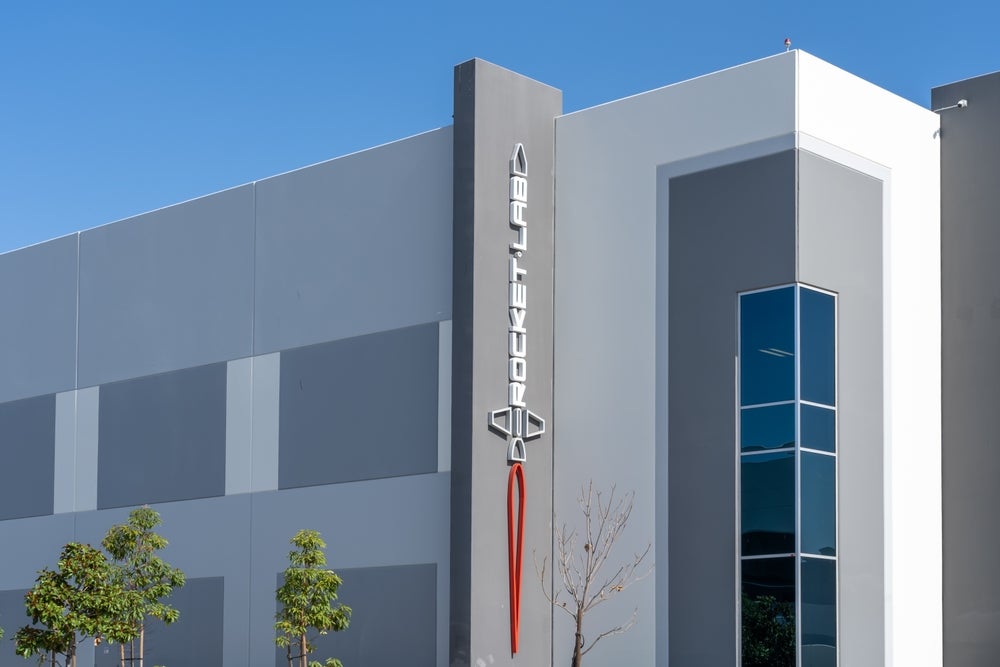
Rocket Lab Acquires Iridium for $8 Billion, Aiming for SpaceX Model

- Acquisition Overview: Rocket Lab has agreed to acquire satellite operator Iridium for approximately $8 billion, which represents about 13% of its market value and will incur billions in new debt; however, investors reacted positively, with shares rising about 16% following the announcement.
- Strategic Implications: By acquiring Iridium, Rocket Lab can bypass the lengthy processes of securing spectrum, deploying a satellite constellation, and building a customer base, with CEO Peter Beck calling it 'a defining moment for the space industry', accelerating its shift towards a SpaceX-like model.
- Financial Comparison: Iridium generated $871.7 million in revenue and $114.4 million in net income in 2025, while Rocket Lab reported $602 million in revenue and a net loss of $198.2 million during the same period; this acquisition will provide Rocket Lab with a steady subscription revenue stream, enhancing its financial position.
- Risks and Challenges: Despite the strategic potential, Iridium shareholders will receive a premium of $54 per share, and Rocket Lab will need to secure a $3.6 billion bridge loan to cover the cash portion; the deal is not expected to close until mid-2027, facing approval risks from shareholders and regulators.
See More
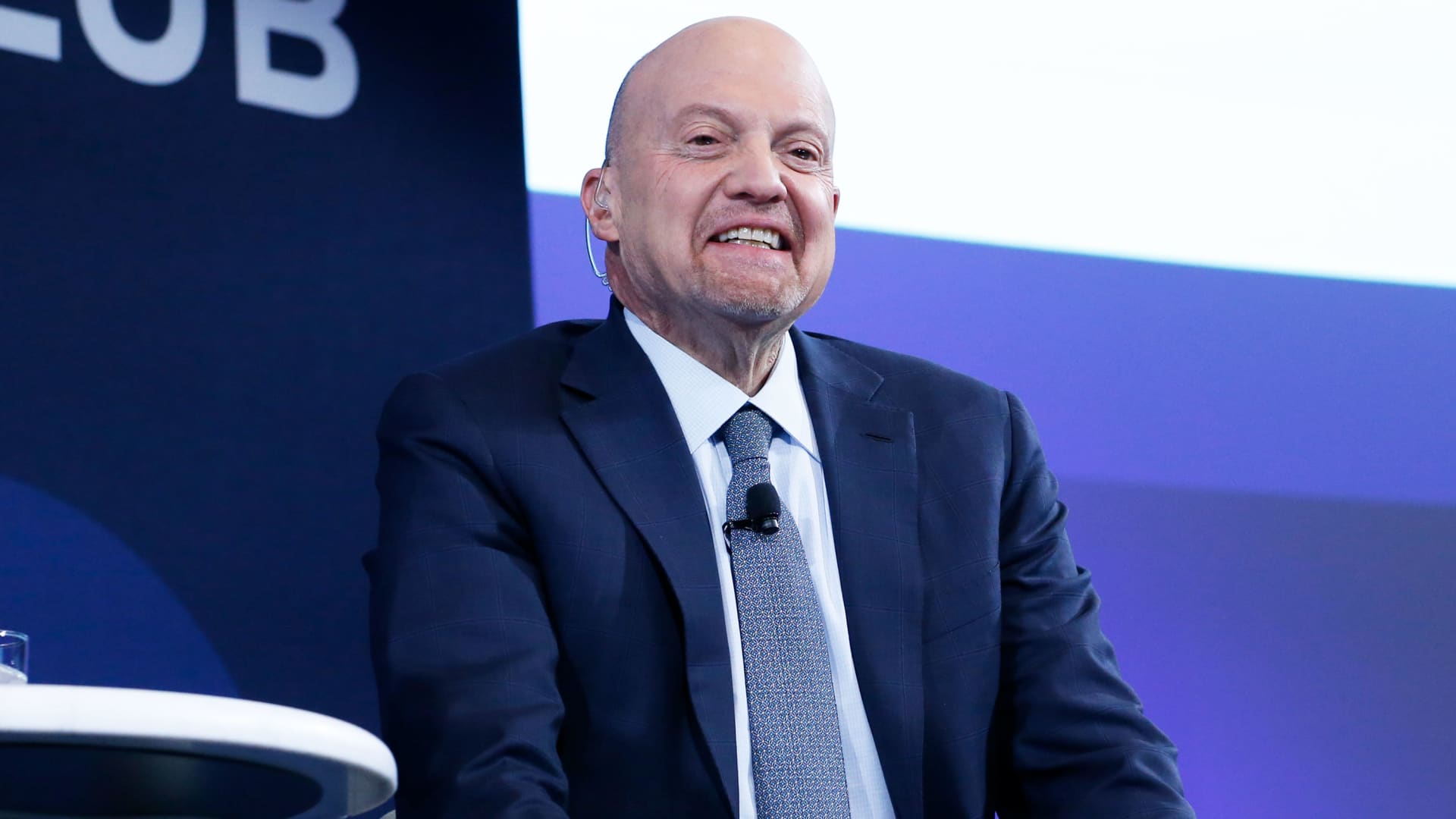
Deutsche Bank Optimistic About Q3 Stock Performance


- Curated Stock List: Deutsche Bank has selected 41 stocks for Q3 across five sectors, including AI, healthcare, and industrials, reflecting confidence in future market performance following a strong first half.
- Exceptional Investment Returns: Since its inception in Q3 2017, Deutsche Bank's 'Fresh Money' list has achieved a 387% return, significantly outperforming the S&P 500's 351%, indicating the effectiveness of its investment strategy and market insights.
- Oracle's Promising Outlook: Analyst Brad Zelnick believes Oracle's leadership in AI cloud infrastructure will drive significant growth, despite a 19% drop last week due to financing concerns; with a target price of $300, this implies a 103% upside potential.
- Starbucks' Significant Potential: Analyst Lauren Silberman notes that Starbucks is on a path to sustainable positive growth by enhancing customer experience and reducing costs, with a target price of $120, suggesting a 15.3% upside from Monday's close, reflecting confidence in its long-term growth prospects.
See More

ECB Returns to Basic Policies Under Lagarde's Leadership

- Return to Basics: ECB President Christine Lagarde emphasized in her speech in Sintra, Portugal, that the central bank will no longer rely on unconventional tools, indicating a shift towards clearer and more straightforward policies that could enhance market confidence and stabilize economic expectations.
- Justified Rate Hike: Lagarde stated that the recent decision to raise rates was justified under all scenarios, demonstrating the ECB's firm stance in addressing economic challenges, which will help control inflation and maintain financial stability.
- Yen Weakness Alert: The Japanese yen has weakened to its lowest level against the U.S. dollar since 1986, prompting Japan's Finance Minister to indicate readiness for appropriate measures against excessive volatility, which could impact global market sentiment.
- European Earnings Growth: Deutsche Bank analysts project a 12% year-on-year growth in European corporate earnings for the second quarter, primarily driven by one specific sector, indicating resilience in economic data despite geopolitical turmoil, potentially attracting more investment.
See More
NYSE Issues Daily Pre-Market Advisory
- Market Advisory Issued: The New York Stock Exchange (NYSE) released its daily pre-market advisory on June 29, 2026, aimed at providing investors with insights before trading begins, thereby facilitating more informed trading decisions.
- Opening Bell: Del Monte Corporation (NYSE:DMC) celebrates the launch of its new ticker symbol and brand unification, marking a strategic shift and new identity in the market.
- Closing Bell: Deutsche Bank (NYSE:DB) celebrates Pride Month under its 2026 global theme 'When I Think of Home', showcasing its commitment to diversity and inclusion, which may enhance its brand image.
- Market Activity Insights: Investors can download the NYSE TV app to access daily market insights, IPO activity, and opening bell information, thereby increasing their engagement and information acquisition in the market.
See More
Deutsche Bank: U.S. to Maintain Global Leadership Amid Challenges
- Economic Strength Analysis: Deutsche Bank's research report indicates that as the U.S. approaches the 250th anniversary of its Declaration of Independence, it remains well-positioned to maintain its global economic and geopolitical leadership despite intensifying competition from China and rising debt levels.
- Structural Advantages: The report emphasizes that structural strengths such as favorable geography, stable institutions, and deep, risk-tolerant capital markets enable the U.S. to emerge stronger from economic and political stress, making it difficult for rivals to replicate these advantages.
- Historical Factors Review: Deutsche Bank traces the historical factors behind America's rise from a relatively small nation to a global power, highlighting how natural advantages and institutional characteristics have supported long-term economic growth and innovation.
- Future Challenge Outlook: Despite threats like China's rapid economic ascent and a projected record-high public debt-to-GDP ratio, the report concludes that the U.S. is likely to sustain its leadership due to its competitive advantages and proven crisis adaptation capabilities.
See More
Deutsche Bank Appointed Depositary Bank for DSC Holdings
- Market Share Leadership: DSC Holdings Ltd. has maintained over 90% market share in operating systems for China's used car dealers since 2021, demonstrating its dominant position and further solidifying its competitive advantage in the rapidly growing used car market.
- Ecosystem Development: DSC not only provides AI application infrastructure for used car dealers but also offers essential transaction services to other auto merchants, including OEMs and authorized dealers, creating a collaborative ecosystem centered around used car dealers that enhances overall industry efficiency.
- Depositary Receipt Program Launch: Deutsche Bank's appointment as the depositary bank for DSC Holdings Ltd.'s NASDAQ-listed American Depositary Receipt program marks a significant step in the company's international capital market expansion, which is expected to attract more investor interest in its business growth.
- Cross-Border Financial Services: Deutsche Bank's expertise in managing cross-border equity structures allows it to provide DSC with a broad range of financial services, including trustee and agency services, enhancing its competitiveness and service capabilities in the global market.
See More
Rocket Lab Acquires Iridium for $8 Billion, Aiming for SpaceX Model
- Acquisition Overview: Rocket Lab has agreed to acquire satellite operator Iridium for approximately $8 billion, which represents about 13% of its market value and will incur billions in new debt; however, investors reacted positively, with shares rising about 16% following the announcement.
- Strategic Implications: By acquiring Iridium, Rocket Lab can bypass the lengthy processes of securing spectrum, deploying a satellite constellation, and building a customer base, with CEO Peter Beck calling it 'a defining moment for the space industry', accelerating its shift towards a SpaceX-like model.
- Financial Comparison: Iridium generated $871.7 million in revenue and $114.4 million in net income in 2025, while Rocket Lab reported $602 million in revenue and a net loss of $198.2 million during the same period; this acquisition will provide Rocket Lab with a steady subscription revenue stream, enhancing its financial position.
- Risks and Challenges: Despite the strategic potential, Iridium shareholders will receive a premium of $54 per share, and Rocket Lab will need to secure a $3.6 billion bridge loan to cover the cash portion; the deal is not expected to close until mid-2027, facing approval risks from shareholders and regulators.
See More
Deutsche Bank Optimistic About Q3 Stock Performance
- Curated Stock List: Deutsche Bank has selected 41 stocks for Q3 across five sectors, including AI, healthcare, and industrials, reflecting confidence in future market performance following a strong first half.
- Exceptional Investment Returns: Since its inception in Q3 2017, Deutsche Bank's 'Fresh Money' list has achieved a 387% return, significantly outperforming the S&P 500's 351%, indicating the effectiveness of its investment strategy and market insights.
- Oracle's Promising Outlook: Analyst Brad Zelnick believes Oracle's leadership in AI cloud infrastructure will drive significant growth, despite a 19% drop last week due to financing concerns; with a target price of $300, this implies a 103% upside potential.
- Starbucks' Significant Potential: Analyst Lauren Silberman notes that Starbucks is on a path to sustainable positive growth by enhancing customer experience and reducing costs, with a target price of $120, suggesting a 15.3% upside from Monday's close, reflecting confidence in its long-term growth prospects.
See More
ECB Returns to Basic Policies Under Lagarde's Leadership
- Return to Basics: ECB President Christine Lagarde emphasized in her speech in Sintra, Portugal, that the central bank will no longer rely on unconventional tools, indicating a shift towards clearer and more straightforward policies that could enhance market confidence and stabilize economic expectations.
- Justified Rate Hike: Lagarde stated that the recent decision to raise rates was justified under all scenarios, demonstrating the ECB's firm stance in addressing economic challenges, which will help control inflation and maintain financial stability.
- Yen Weakness Alert: The Japanese yen has weakened to its lowest level against the U.S. dollar since 1986, prompting Japan's Finance Minister to indicate readiness for appropriate measures against excessive volatility, which could impact global market sentiment.
- European Earnings Growth: Deutsche Bank analysts project a 12% year-on-year growth in European corporate earnings for the second quarter, primarily driven by one specific sector, indicating resilience in economic data despite geopolitical turmoil, potentially attracting more investment.
See More
NYSE Issues Daily Pre-Market Advisory
- Market Advisory Issued: The New York Stock Exchange (NYSE) released its daily pre-market advisory on June 29, 2026, aimed at providing investors with insights before trading begins, thereby facilitating more informed trading decisions.
- Opening Bell: Del Monte Corporation (NYSE:DMC) celebrates the launch of its new ticker symbol and brand unification, marking a strategic shift and new identity in the market.
- Closing Bell: Deutsche Bank (NYSE:DB) celebrates Pride Month under its 2026 global theme 'When I Think of Home', showcasing its commitment to diversity and inclusion, which may enhance its brand image.
- Market Activity Insights: Investors can download the NYSE TV app to access daily market insights, IPO activity, and opening bell information, thereby increasing their engagement and information acquisition in the market.
See More
Deutsche Bank: U.S. to Maintain Global Leadership Amid Challenges
- Economic Strength Analysis: Deutsche Bank's research report indicates that as the U.S. approaches the 250th anniversary of its Declaration of Independence, it remains well-positioned to maintain its global economic and geopolitical leadership despite intensifying competition from China and rising debt levels.
- Structural Advantages: The report emphasizes that structural strengths such as favorable geography, stable institutions, and deep, risk-tolerant capital markets enable the U.S. to emerge stronger from economic and political stress, making it difficult for rivals to replicate these advantages.
- Historical Factors Review: Deutsche Bank traces the historical factors behind America's rise from a relatively small nation to a global power, highlighting how natural advantages and institutional characteristics have supported long-term economic growth and innovation.
- Future Challenge Outlook: Despite threats like China's rapid economic ascent and a projected record-high public debt-to-GDP ratio, the report concludes that the U.S. is likely to sustain its leadership due to its competitive advantages and proven crisis adaptation capabilities.
See More
Deutsche Bank Appointed Depositary Bank for DSC Holdings
- Market Share Leadership: DSC Holdings Ltd. has maintained over 90% market share in operating systems for China's used car dealers since 2021, demonstrating its dominant position and further solidifying its competitive advantage in the rapidly growing used car market.
- Ecosystem Development: DSC not only provides AI application infrastructure for used car dealers but also offers essential transaction services to other auto merchants, including OEMs and authorized dealers, creating a collaborative ecosystem centered around used car dealers that enhances overall industry efficiency.
- Depositary Receipt Program Launch: Deutsche Bank's appointment as the depositary bank for DSC Holdings Ltd.'s NASDAQ-listed American Depositary Receipt program marks a significant step in the company's international capital market expansion, which is expected to attract more investor interest in its business growth.
- Cross-Border Financial Services: Deutsche Bank's expertise in managing cross-border equity structures allows it to provide DSC with a broad range of financial services, including trustee and agency services, enhancing its competitiveness and service capabilities in the global market.
See More