

Lockheed Martin Stock Volatility Analysis
Written by Emily J. Thompson, Senior Investment Analyst
Updated: 4 days ago
0mins
Source: Fool
- Stock Price Decline: Lockheed Martin's shares fell 4% last Thursday and another 3.4% on Monday, with no specific company news to explain the declines; analysts suggest that the progress towards a Middle East peace deal may have increased market aversion towards defense stocks, impacting their performance.
- Disappointing Earnings: The company's first-quarter results revealed zero revenue growth and negative free cash flow, causing investor unease, despite a substantial backlog of $194 billion that indicates long-term business potential and market confidence.
- Importance of F-35 Program: Of the $194 billion backlog, 27% is attributed to the F-35 sustainment program, which is expected to provide long-term, predictable profits, attracting patient investors to consider the stock.
- Defense Spending Outlook: The White House is seeking $1.5 trillion in defense spending for fiscal 2027, with half allocated for procurement and modernization of weapon systems, which is expected to drive growth in Lockheed Martin's established sectors like artificial intelligence and drones, further strengthening its market position.
Trade with 70% Backtested Accuracy
Stop guessing "Should I Buy LMT?" and start using high-conviction signals backed by rigorous historical data.
Sign up today to access powerful investing tools and make smarter, data-driven decisions.
Analyst Views on LMT
Wall Street analysts forecast LMT stock price to rise
12 Analyst Rating
4 Buy
7 Hold
1 Sell
Hold
Current: 505.020

Low
430.00
Averages
535.50
High
605.00
Current: 505.020
Low
430.00
Averages
535.50
High
605.00
About LMT
Lockheed Martin Corporation is an aerospace and defense technology company. The Company's segments include Aeronautics, Missiles and Fire Control (MFC), Rotary and Mission Systems (RMS) and Space. The Aeronautics segment is engaged in research, design, development, manufacture, integration, sustainment, support and upgrade of advanced military aircraft, including combat and air mobility aircraft, unmanned air vehicles and related technologies. The MFC segment provides air and missile defense systems; tactical missiles and precision strike weapon systems; logistics; fire control systems; engineering support and integration services. The RMS segment designs, manufactures, services and supports various military and commercial helicopters, sea and land-based missile defense systems. The Space segment is engaged in the research and design, development, engineering and production of satellites, space transportation systems, and strategic, advanced strike, and defensive systems.
About the author

Emily J. Thompson
Emily J. Thompson, a Chartered Financial Analyst (CFA) with 12 years in investment research, graduated with honors from the Wharton School. Specializing in industrial and technology stocks, she provides in-depth analysis for Intellectia’s earnings and market brief reports.

Space Economy Thrives, Creating New Job Opportunities


- Growth of Space Economy: According to the World Economic Forum, the global space economy is growing at an annual rate of 9%, with the U.S. sector's total value reaching $613 billion in Q2 2025, reflecting a nearly $51.5 billion increase since 2012, indicating strong growth potential in the industry.
- Job Market Expansion: The U.S. space sector employs over 373,000 individuals, with a 27% increase over the past decade, significantly outpacing the 14% growth in the overall private sector, showcasing the industry's success in attracting young talent.
- Salary Attractiveness: The private space sector boasts an annual payroll of approximately $57.9 billion, with salaries typically ranging from $100,000 to $135,000, drawing many applicants despite facing a 16% employee turnover rate and skill shortages.
- Skills Shortage Challenge: Over half of space economy jobs require STEM skills, yet only about a quarter of the U.S. workforce has relevant training, leading to fierce competition among companies for talent, which hampers the industry's continued expansion.
See More

Lockheed Martin Stock Fluctuates Amid Contract Announcements

- Significant Contract Value: The U.S. Department of Defense announced an $8.2 billion contract with Lockheed Martin aimed at increasing the production capacity of Precision Strike Missiles, which, despite being spread over six years, translates to an annual revenue boost of approximately $1.4 billion, indicating sustained demand in the defense sector.
- Mixed Market Reaction: Although the news of the $8.2 billion contract failed to prevent Lockheed Martin's stock from dropping 2.4% the previous day, investor expectations for future growth remain strong, reflecting confidence in the company's long-term potential.
- New Contract Impact: Lockheed Martin also secured a $35.3 billion contract for the Terminal High Altitude Area Defense system, expected to add nearly $5.9 billion to annual revenue over the next six years, further solidifying its leadership position in the missile defense market.
- Growth Potential Analysis: These two contracts collectively increase Lockheed's annual revenue by about $7.3 billion, nearly a 10% growth rate, and despite the stock's slow recovery, analysts view this as a favorable buying opportunity, indicating optimism about its future performance.
See More

Analysis of THRO Stock's 52-Week Performance

- Price Range Analysis: THRO's 52-week low is $34.945 and high is $43.76, with the last trade at $42.32, indicating significant price fluctuations that reflect market interest and investor sentiment.
- Technical Analysis Tool: Comparing the current share price to the 200-day moving average provides valuable insights for investors, helping to assess long-term trends and potential buy or sell opportunities.
- ETF Trading Mechanism: Exchange-traded funds (ETFs) trade in 'units', allowing investors to buy and sell these units, with their creation and destruction accommodating investor demand, thus impacting the underlying asset allocation.
- Liquidity Monitoring: Weekly monitoring of changes in shares outstanding for ETFs highlights notable inflows or outflows, where inflows necessitate purchasing underlying assets, while outflows may lead to selling, affecting the prices of individual components held within ETFs.
See More

Revolutionary Imaging Systems Transform Drone Industry

- Market Growth Potential: The global UAV market is projected to grow from $26.1 billion in 2025 to $40.6 billion by 2030, reflecting a robust CAGR of 9.2%, indicating strong demand for drone imaging solutions that drive investments and technological advancements in the sector.
- Technological Advancements Drive Applications: Progress in AI enables drones to process images in real-time and avoid obstacles, enhancing data collection accuracy and flight durations, thereby facilitating widespread applications in agriculture, infrastructure monitoring, and more.
- ZenaTech Product Launch: ZenaTech's introduction of the IQ Nano drone platform with a new AI-enabled LED camera system aims to optimize inventory management and security monitoring in low-light environments, expected to significantly enhance operational efficiency in both commercial and defense sectors.
- Industry Collaboration and Innovation: EHang's collaboration with partners in Hong Kong to advance low-altitude economy pilot projects signifies the potential of drone technology in urban management and emergency response, further driving innovation and growth in the industry.
See More

Revolutionary Imaging Systems Transforming Drone Industry

- Market Growth Potential: The global UAV market is projected to grow from $26.1 billion in 2025 to $40.6 billion by 2030, reflecting a robust annual growth rate of 9.2%, indicating strong demand and acceptance of drones across various sectors.
- Aerial Imaging Sector Expansion: The aerial imaging market, heavily reliant on drone-based solutions, is expected to increase from $3.9 billion in 2025 to $8.2 billion by 2030, achieving a CAGR of over 16%, highlighting the surging demand for high-quality aerial data.
- Technological Innovation Driving Applications: ZenaTech's new AI-enabled LED camera system enhances the IQ Nano drone's capabilities in low-light conditions, improving efficiency in inventory management and security monitoring, thereby solidifying its market position in both commercial and defense sectors.
- Government Investment Accelerating Development: Significant government investments in infrastructure monitoring and smart city initiatives are rapidly advancing drone technology, which is expected to play a larger role in providing high-resolution aerial insights across various applications.
See More
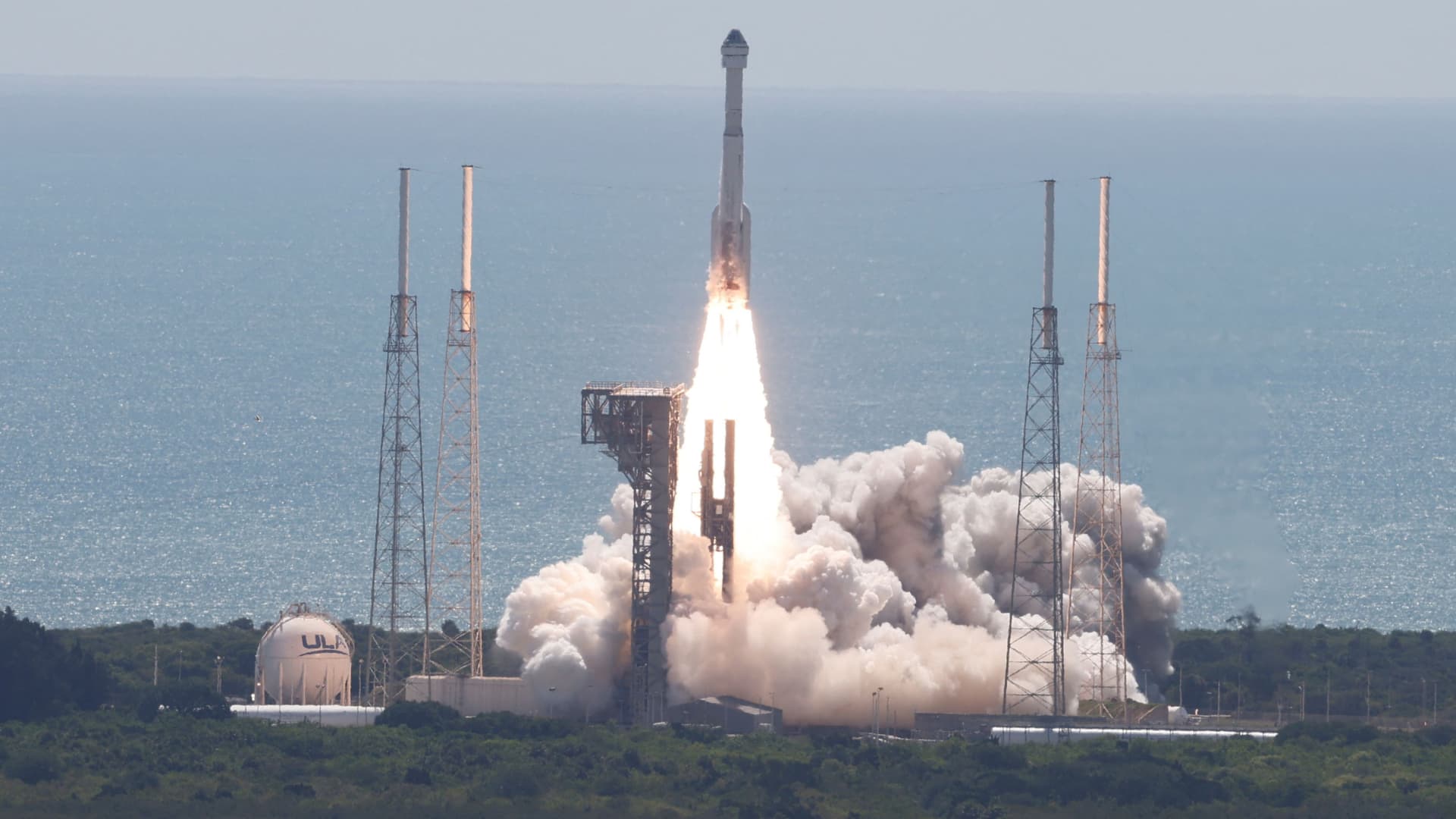
Trump Administration Intensifies Pressure on Defense Production
- Accelerated Arms Production: The Trump administration emphasized the need to expedite the production of air defense interceptors and cruise missiles during a White House meeting with defense contractors, highlighting the urgent demand for the defense industry following military operations in Iran that depleted inventories.
- Funding Uncertainty: Despite facing billions in additional orders, many defense contractors remain hesitant to invest aggressively until Congress appropriates funding, creating near-term cash flow uncertainty while reinforcing the industry's long-term growth outlook.
- Collaboration and Challenges: Deputy Defense Secretary challenged the industry's claims about production speed during the meeting, ultimately leading to discussions on how to place the defense industrial base on a more urgent wartime footing, indicating a willingness for collaboration between government and industry.
- Legislative Support: The Senate Armed Services Committee has approved a version of the National Defense Authorization Act authorizing $1.15 trillion in defense spending and expanding multiyear procurement authority, although the legislation is unlikely to become law before autumn, supplemental defense funding could be approved sooner.
See More
Space Economy Thrives, Creating New Job Opportunities
- Growth of Space Economy: According to the World Economic Forum, the global space economy is growing at an annual rate of 9%, with the U.S. sector's total value reaching $613 billion in Q2 2025, reflecting a nearly $51.5 billion increase since 2012, indicating strong growth potential in the industry.
- Job Market Expansion: The U.S. space sector employs over 373,000 individuals, with a 27% increase over the past decade, significantly outpacing the 14% growth in the overall private sector, showcasing the industry's success in attracting young talent.
- Salary Attractiveness: The private space sector boasts an annual payroll of approximately $57.9 billion, with salaries typically ranging from $100,000 to $135,000, drawing many applicants despite facing a 16% employee turnover rate and skill shortages.
- Skills Shortage Challenge: Over half of space economy jobs require STEM skills, yet only about a quarter of the U.S. workforce has relevant training, leading to fierce competition among companies for talent, which hampers the industry's continued expansion.
See More
Lockheed Martin Stock Fluctuates Amid Contract Announcements
- Significant Contract Value: The U.S. Department of Defense announced an $8.2 billion contract with Lockheed Martin aimed at increasing the production capacity of Precision Strike Missiles, which, despite being spread over six years, translates to an annual revenue boost of approximately $1.4 billion, indicating sustained demand in the defense sector.
- Mixed Market Reaction: Although the news of the $8.2 billion contract failed to prevent Lockheed Martin's stock from dropping 2.4% the previous day, investor expectations for future growth remain strong, reflecting confidence in the company's long-term potential.
- New Contract Impact: Lockheed Martin also secured a $35.3 billion contract for the Terminal High Altitude Area Defense system, expected to add nearly $5.9 billion to annual revenue over the next six years, further solidifying its leadership position in the missile defense market.
- Growth Potential Analysis: These two contracts collectively increase Lockheed's annual revenue by about $7.3 billion, nearly a 10% growth rate, and despite the stock's slow recovery, analysts view this as a favorable buying opportunity, indicating optimism about its future performance.
See More
Analysis of THRO Stock's 52-Week Performance
- Price Range Analysis: THRO's 52-week low is $34.945 and high is $43.76, with the last trade at $42.32, indicating significant price fluctuations that reflect market interest and investor sentiment.
- Technical Analysis Tool: Comparing the current share price to the 200-day moving average provides valuable insights for investors, helping to assess long-term trends and potential buy or sell opportunities.
- ETF Trading Mechanism: Exchange-traded funds (ETFs) trade in 'units', allowing investors to buy and sell these units, with their creation and destruction accommodating investor demand, thus impacting the underlying asset allocation.
- Liquidity Monitoring: Weekly monitoring of changes in shares outstanding for ETFs highlights notable inflows or outflows, where inflows necessitate purchasing underlying assets, while outflows may lead to selling, affecting the prices of individual components held within ETFs.
See More
Revolutionary Imaging Systems Transform Drone Industry
- Market Growth Potential: The global UAV market is projected to grow from $26.1 billion in 2025 to $40.6 billion by 2030, reflecting a robust CAGR of 9.2%, indicating strong demand for drone imaging solutions that drive investments and technological advancements in the sector.
- Technological Advancements Drive Applications: Progress in AI enables drones to process images in real-time and avoid obstacles, enhancing data collection accuracy and flight durations, thereby facilitating widespread applications in agriculture, infrastructure monitoring, and more.
- ZenaTech Product Launch: ZenaTech's introduction of the IQ Nano drone platform with a new AI-enabled LED camera system aims to optimize inventory management and security monitoring in low-light environments, expected to significantly enhance operational efficiency in both commercial and defense sectors.
- Industry Collaboration and Innovation: EHang's collaboration with partners in Hong Kong to advance low-altitude economy pilot projects signifies the potential of drone technology in urban management and emergency response, further driving innovation and growth in the industry.
See More
Revolutionary Imaging Systems Transforming Drone Industry
- Market Growth Potential: The global UAV market is projected to grow from $26.1 billion in 2025 to $40.6 billion by 2030, reflecting a robust annual growth rate of 9.2%, indicating strong demand and acceptance of drones across various sectors.
- Aerial Imaging Sector Expansion: The aerial imaging market, heavily reliant on drone-based solutions, is expected to increase from $3.9 billion in 2025 to $8.2 billion by 2030, achieving a CAGR of over 16%, highlighting the surging demand for high-quality aerial data.
- Technological Innovation Driving Applications: ZenaTech's new AI-enabled LED camera system enhances the IQ Nano drone's capabilities in low-light conditions, improving efficiency in inventory management and security monitoring, thereby solidifying its market position in both commercial and defense sectors.
- Government Investment Accelerating Development: Significant government investments in infrastructure monitoring and smart city initiatives are rapidly advancing drone technology, which is expected to play a larger role in providing high-resolution aerial insights across various applications.
See More
Trump Administration Intensifies Pressure on Defense Production
- Accelerated Arms Production: The Trump administration emphasized the need to expedite the production of air defense interceptors and cruise missiles during a White House meeting with defense contractors, highlighting the urgent demand for the defense industry following military operations in Iran that depleted inventories.
- Funding Uncertainty: Despite facing billions in additional orders, many defense contractors remain hesitant to invest aggressively until Congress appropriates funding, creating near-term cash flow uncertainty while reinforcing the industry's long-term growth outlook.
- Collaboration and Challenges: Deputy Defense Secretary challenged the industry's claims about production speed during the meeting, ultimately leading to discussions on how to place the defense industrial base on a more urgent wartime footing, indicating a willingness for collaboration between government and industry.
- Legislative Support: The Senate Armed Services Committee has approved a version of the National Defense Authorization Act authorizing $1.15 trillion in defense spending and expanding multiyear procurement authority, although the legislation is unlikely to become law before autumn, supplemental defense funding could be approved sooner.
See More





