Kalanick's Atoms Expands into Mining and Transportation
Written by Emily J. Thompson, Senior Investment Analyst
Updated: Mar 13 2026
0mins

Source: CNBC
- Business Expansion: Kalanick's new venture, Atoms, has announced its expansion from food into mining and transportation after eight years of stealth operations, indicating a strong ambition for diversification that may attract increased investor interest.
- Technological Innovation: Atoms focuses on developing 'gainfully employed robots' aimed at enhancing efficiency in the mining and transportation sectors, a strategy that could potentially transform operational models within these industries.
- Market Positioning: Kalanick has outlined three business subcategories on the Atoms website, including Atoms Food, Atoms Mining, and Atoms Transport, indicating a strategic focus on food infrastructure and robotic transportation that may enhance competitive positioning in the market.
- Personal Resurgence: Kalanick's return to entrepreneurship after leaving Uber, stating 'I bled, but I did not perish,' not only showcases his resilience but may also inspire other entrepreneurs, thereby strengthening the brand's image.
Trade with 70% Backtested Accuracy
Stop guessing "Should I Buy UBER?" and start using high-conviction signals backed by rigorous historical data.
Sign up today to access powerful investing tools and make smarter, data-driven decisions.
Analyst Views on UBER
Wall Street analysts forecast UBER stock price to rise
32 Analyst Rating
28 Buy
3 Hold
1 Sell
Strong Buy
Current: 70.920

Low
72.00
Averages
107.10
High
150.00
Current: 70.920
Low
72.00
Averages
107.10
High
150.00
About UBER
Uber Technologies, Inc. operates a technology platform that uses network and technology to power movement from point A to point B. It develops and operates technology applications supporting a variety of offerings on its platform (platform(s)). Its segments include Mobility, Delivery and Freight. Mobility products connect consumers with drivers who provide rides in a variety of vehicles, such as cars, auto rickshaws, motorbikes, minibuses, or taxis. Delivery offerings allow consumers to search for and discover local restaurants, order a meal, and either pick-up at the restaurant or have the meal delivered. In certain markets, the Delivery segment provides offerings for grocery, alcohol, and convenience store delivery as well as select other goods. The Freight segment connects carriers with shippers on its platform, and gives carriers upfront, pricing and the ability to book a shipment. The Freight segment also includes transportation management and other logistics service offerings.
About the author

Emily J. Thompson
Emily J. Thompson, a Chartered Financial Analyst (CFA) with 12 years in investment research, graduated with honors from the Wharton School. Specializing in industrial and technology stocks, she provides in-depth analysis for Intellectia’s earnings and market brief reports.

Uber Launches Shuttle Service for World Cup Fans

- Shuttle Service Launch: Uber's new Uber Shuttle service offers World Cup fans rides from the stadium for as low as $45, significantly reducing travel costs compared to $200 parking fees and $100 mass transit fares, thereby enhancing user experience.
- Service Coverage: The service is available at matches in New York/New Jersey, Miami, Dallas, and Boston, with round-trip options specifically in Miami, addressing fan transportation needs and strengthening Uber's competitive position during major events.
- Group Travel Options: Uber Max provides 14-seat vans for larger groups, available for bookings up to eight hours, which not only enhances service flexibility but also creates additional revenue opportunities for Uber.
- Market Potential: The World Cup is expected to attract millions of visitors to the U.S., presenting a potential revenue boost for Uber's ride-sharing drivers while increasing Uber's exposure in a competitive market, further solidifying its market position.
See More

Three Low-Priced Stocks Worth Considering

- Rivian's Market Challenges: Despite Rivian's revenue growth of 11% year-over-year to $1.4 billion in Q1, a 27% drop in U.S. EV demand poses significant risks to its sales performance and stock price.
- SoFi's Financial Volatility: SoFi Technologies has seen its stock price plummet due to poor financial results and a short-seller report, with a forward P/E ratio of 28.3, well above the financial sector's average of 14.5, indicating potential for significant volatility ahead.
- Adyen's Market Position: Although Adyen's recent financial results have disappointed, leading to a sell-off, its established leadership in digital payments and high switching costs for clients suggest long-term growth potential despite short-term economic challenges.
- Investment Risks and Opportunities: All three companies are priced under $20, and while they face individual challenges, they may still present high-risk, high-reward opportunities for investors under favorable market conditions.
See More

Three Stocks Facing Near-Term Challenges
- Rivian's Uncertain Outlook: Despite Rivian's revenue increasing by 11% year-over-year to $1.4 billion in Q1, a 27% drop in EV sales due to slowing demand could significantly impact future performance, particularly as it launches the new R2 model.
- SoFi's Volatility Ahead: SoFi's stock has plummeted due to poor financial results and a short-seller report, and while its forward P/E ratio of 28.3 is above the financial sector average, its online model and expanding ecosystem may yield strong returns over the next decade.
- Adyen's Market Position: Although Adyen's recent financial results and guidance have disappointed, leading to a sell-off, its leadership in digital payments and high switching costs position it well to benefit from the ongoing growth of e-commerce in the long run.
- Investment Risk Advisory: Investors should carefully assess the short-term challenges and long-term potential of Rivian, SoFi, and Adyen, especially in the context of increasing market volatility and competitive pressures.
See More
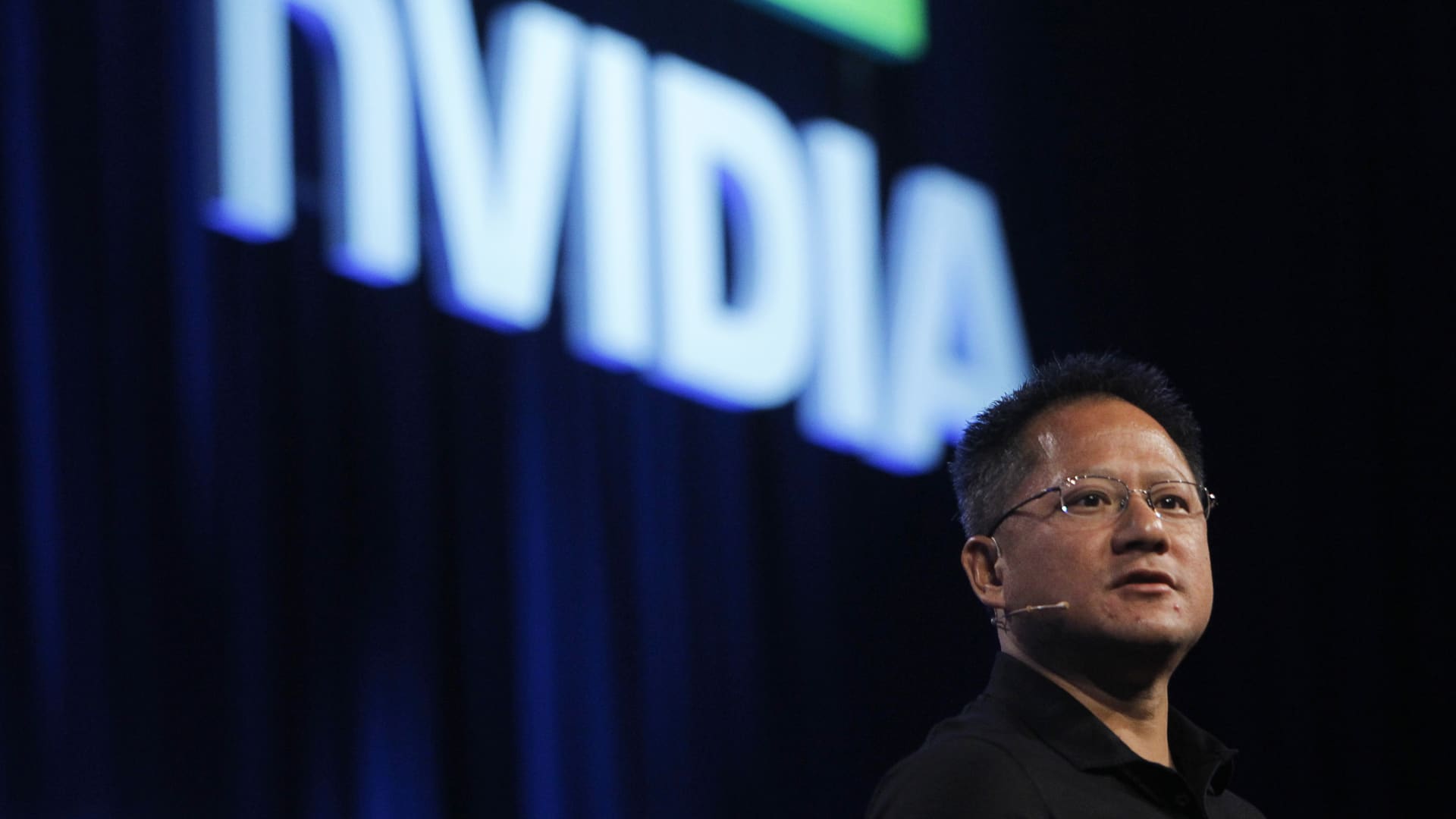
Bank of America Bullish on Apple and Nvidia Stocks


- BofA Stock Picks: Bank of America remains bullish on stocks like Apple and Nvidia as it heads into June, highlighting their significant upside potential, particularly in the current economic climate, making them attractive assets for investors.
- Toll Brothers Strong Performance: Analyst Rafe Jadrosich noted that Toll Brothers delivered a 'rare' beat and raise in its latest quarterly report, with healthy margins and robust demand for luxury homes, positioning it as a top pick despite a challenging macroeconomic environment.
- Citigroup Future Potential: Citigroup has risen 67% over the past 12 months, with BofA analyst Ebrahim Poonawala raising the 12-month price target from $150 to $170, believing the company's proactive approach in AI will further drive stock price increases.
- Retail Stocks Outlook: BofA analyst Robert Ohmes sees strong growth momentum in Dollar General and National Vision Holdings, particularly as Dollar General enhances delivery capabilities through partnerships with Uber and Instacart, despite recent stock declines, making them attractive buying opportunities.
See More

Comparing Investment Potential of Uber and DoorDash

- Uber's Global Network: Uber operates in over 15,000 cities worldwide, generating nearly $52 billion in revenue for FY 2025, reflecting an 18.3% year-over-year growth that strengthens its competitive position across mobility, delivery, and freight sectors.
- DoorDash's Market Expansion: DoorDash achieved nearly $13.7 billion in revenue for FY 2025, a 27.9% increase, and boasts over 35 million members in its DashPass and Wolt+ programs, indicating strong growth potential in local commerce.
- Profitability Comparison: Uber reported a net income of approximately $10.1 billion with a net margin of about 19.3%, while DoorDash's net income was around $935 million with a 6.8% margin, showing that despite lower profitability, DoorDash is making significant strides towards profitability.
- Risks and Competitive Landscape: Uber faces legal risks regarding driver classification and intense competition from Lyft and Amazon, while DoorDash navigates regulatory scrutiny and relies on Apple and Alphabet's mobile operating systems, which could impact its future market performance.
See More
Comparing Investment Potential of Uber and DoorDash
- Uber's Global Network: Uber operates in over 15,000 cities worldwide, generating nearly $52 billion in revenue for FY 2025, reflecting an 18.3% year-over-year growth, indicating strong growth and profitability in the global transportation market.
- DoorDash's Local Commerce Model: DoorDash achieved approximately $13.7 billion in revenue for FY 2025, a 27.9% increase, and boasts over 35 million subscription users, showcasing its successful expansion in local logistics and improved profitability.
- Risks and Competition: Uber faces legal risks regarding driver classification and intense competition from Lyft and Amazon, while DoorDash navigates regulatory scrutiny and reliance on Apple and Google's mobile operating systems, which could impact their market positions and profitability.
- Valuation Comparison: Uber's forward P/E ratio stands at 22.7x and P/S ratio at 2.9x, compared to DoorDash's 61.8x and 5.1x, indicating that Uber may be relatively undervalued in the market, potentially offering a more attractive investment opportunity for investors.
See More
Uber Launches Shuttle Service for World Cup Fans
- Shuttle Service Launch: Uber's new Uber Shuttle service offers World Cup fans rides from the stadium for as low as $45, significantly reducing travel costs compared to $200 parking fees and $100 mass transit fares, thereby enhancing user experience.
- Service Coverage: The service is available at matches in New York/New Jersey, Miami, Dallas, and Boston, with round-trip options specifically in Miami, addressing fan transportation needs and strengthening Uber's competitive position during major events.
- Group Travel Options: Uber Max provides 14-seat vans for larger groups, available for bookings up to eight hours, which not only enhances service flexibility but also creates additional revenue opportunities for Uber.
- Market Potential: The World Cup is expected to attract millions of visitors to the U.S., presenting a potential revenue boost for Uber's ride-sharing drivers while increasing Uber's exposure in a competitive market, further solidifying its market position.
See More
Three Low-Priced Stocks Worth Considering
- Rivian's Market Challenges: Despite Rivian's revenue growth of 11% year-over-year to $1.4 billion in Q1, a 27% drop in U.S. EV demand poses significant risks to its sales performance and stock price.
- SoFi's Financial Volatility: SoFi Technologies has seen its stock price plummet due to poor financial results and a short-seller report, with a forward P/E ratio of 28.3, well above the financial sector's average of 14.5, indicating potential for significant volatility ahead.
- Adyen's Market Position: Although Adyen's recent financial results have disappointed, leading to a sell-off, its established leadership in digital payments and high switching costs for clients suggest long-term growth potential despite short-term economic challenges.
- Investment Risks and Opportunities: All three companies are priced under $20, and while they face individual challenges, they may still present high-risk, high-reward opportunities for investors under favorable market conditions.
See More
Three Stocks Facing Near-Term Challenges
- Rivian's Uncertain Outlook: Despite Rivian's revenue increasing by 11% year-over-year to $1.4 billion in Q1, a 27% drop in EV sales due to slowing demand could significantly impact future performance, particularly as it launches the new R2 model.
- SoFi's Volatility Ahead: SoFi's stock has plummeted due to poor financial results and a short-seller report, and while its forward P/E ratio of 28.3 is above the financial sector average, its online model and expanding ecosystem may yield strong returns over the next decade.
- Adyen's Market Position: Although Adyen's recent financial results and guidance have disappointed, leading to a sell-off, its leadership in digital payments and high switching costs position it well to benefit from the ongoing growth of e-commerce in the long run.
- Investment Risk Advisory: Investors should carefully assess the short-term challenges and long-term potential of Rivian, SoFi, and Adyen, especially in the context of increasing market volatility and competitive pressures.
See More
Bank of America Bullish on Apple and Nvidia Stocks
- BofA Stock Picks: Bank of America remains bullish on stocks like Apple and Nvidia as it heads into June, highlighting their significant upside potential, particularly in the current economic climate, making them attractive assets for investors.
- Toll Brothers Strong Performance: Analyst Rafe Jadrosich noted that Toll Brothers delivered a 'rare' beat and raise in its latest quarterly report, with healthy margins and robust demand for luxury homes, positioning it as a top pick despite a challenging macroeconomic environment.
- Citigroup Future Potential: Citigroup has risen 67% over the past 12 months, with BofA analyst Ebrahim Poonawala raising the 12-month price target from $150 to $170, believing the company's proactive approach in AI will further drive stock price increases.
- Retail Stocks Outlook: BofA analyst Robert Ohmes sees strong growth momentum in Dollar General and National Vision Holdings, particularly as Dollar General enhances delivery capabilities through partnerships with Uber and Instacart, despite recent stock declines, making them attractive buying opportunities.
See More
Comparing Investment Potential of Uber and DoorDash
- Uber's Global Network: Uber operates in over 15,000 cities worldwide, generating nearly $52 billion in revenue for FY 2025, reflecting an 18.3% year-over-year growth that strengthens its competitive position across mobility, delivery, and freight sectors.
- DoorDash's Market Expansion: DoorDash achieved nearly $13.7 billion in revenue for FY 2025, a 27.9% increase, and boasts over 35 million members in its DashPass and Wolt+ programs, indicating strong growth potential in local commerce.
- Profitability Comparison: Uber reported a net income of approximately $10.1 billion with a net margin of about 19.3%, while DoorDash's net income was around $935 million with a 6.8% margin, showing that despite lower profitability, DoorDash is making significant strides towards profitability.
- Risks and Competitive Landscape: Uber faces legal risks regarding driver classification and intense competition from Lyft and Amazon, while DoorDash navigates regulatory scrutiny and relies on Apple and Alphabet's mobile operating systems, which could impact its future market performance.
See More
Comparing Investment Potential of Uber and DoorDash
- Uber's Global Network: Uber operates in over 15,000 cities worldwide, generating nearly $52 billion in revenue for FY 2025, reflecting an 18.3% year-over-year growth, indicating strong growth and profitability in the global transportation market.
- DoorDash's Local Commerce Model: DoorDash achieved approximately $13.7 billion in revenue for FY 2025, a 27.9% increase, and boasts over 35 million subscription users, showcasing its successful expansion in local logistics and improved profitability.
- Risks and Competition: Uber faces legal risks regarding driver classification and intense competition from Lyft and Amazon, while DoorDash navigates regulatory scrutiny and reliance on Apple and Google's mobile operating systems, which could impact their market positions and profitability.
- Valuation Comparison: Uber's forward P/E ratio stands at 22.7x and P/S ratio at 2.9x, compared to DoorDash's 61.8x and 5.1x, indicating that Uber may be relatively undervalued in the market, potentially offering a more attractive investment opportunity for investors.
See More