Investors Abandon Mangoceuticals Stock (MGRX) Following Rejection of Partnership by Eli Lilly and Novo Nordisk
Written by Emily J. Thompson, Senior Investment Analyst
Updated: Nov 14 2025
0mins

Source: TipRanks
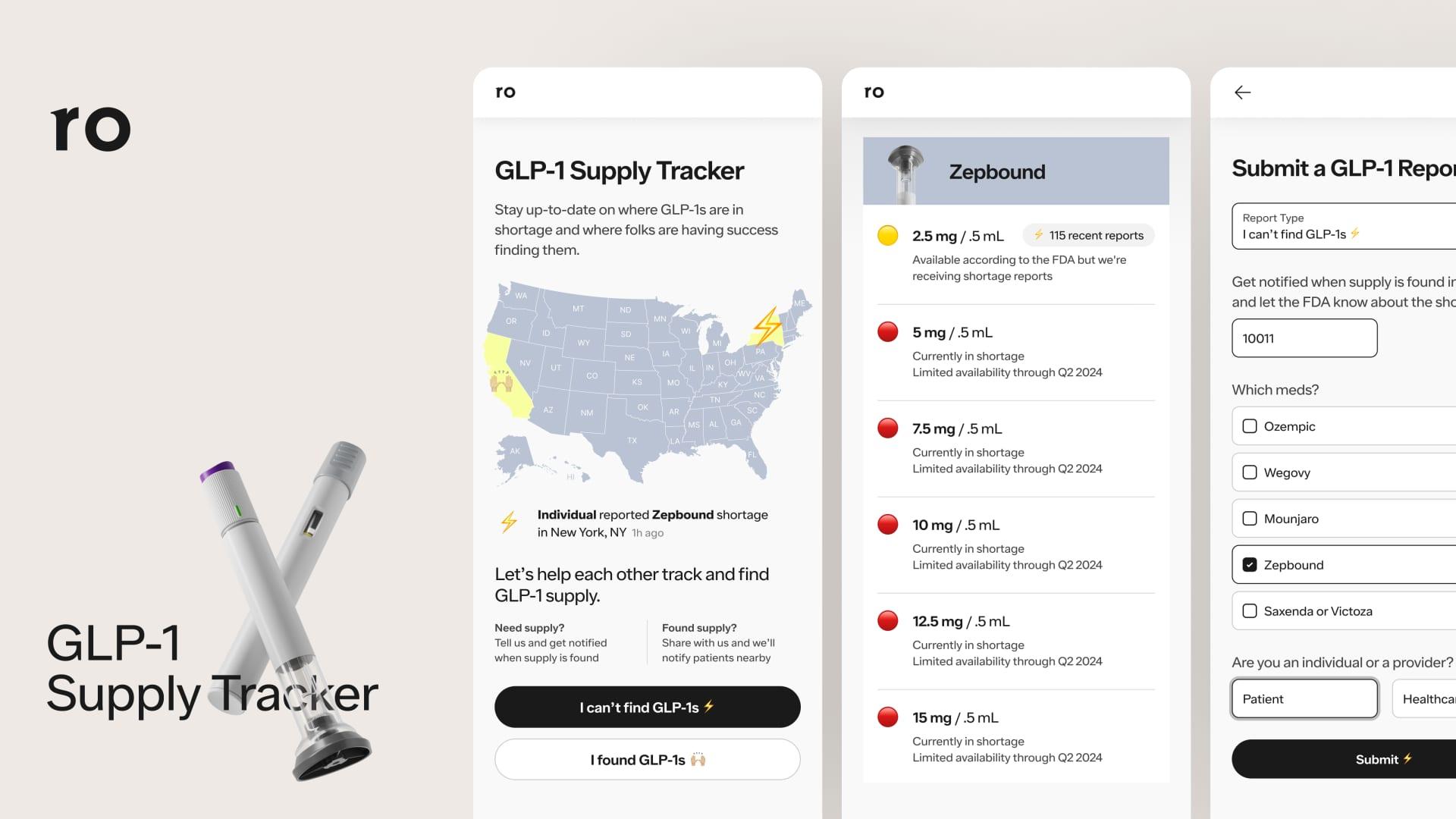
Mangoceuticals Stock Decline: Shares of Mangoceuticals (MGRX) fell over 20% after Eli Lilly and Novo Nordisk denied any partnership regarding obesity drug distribution, following a previous surge in stock price based on the company's claims.
Legal and Market Context: The company had previously faced legal action from Eli Lilly for misleading marketing and recently settled a court injunction. The obesity medication market is highly competitive, with significant financial implications for both consumers and the healthcare industry.
Trade with 70% Backtested Accuracy
Stop guessing "Should I Buy LLY?" and start using high-conviction signals backed by rigorous historical data.
Sign up today to access powerful investing tools and make smarter, data-driven decisions.
Analyst Views on LLY
Wall Street analysts forecast LLY stock price to rise
20 Analyst Rating
18 Buy
2 Hold
0 Sell
Strong Buy
Current: 1112.000

Low
950.00
Averages
1192
High
1500
Current: 1112.000
Low
950.00
Averages
1192
High
1500
About LLY
Eli Lilly and Company is a medicine company, which discovers, develops, manufactures, and market products in a single business segment called human pharmaceutical products. The Company manufacture and distribute its products through facilities in the United States, including Puerto Rico, and in Europe and Asia. The Company’s products are sold in approximately 90 countries. Its Cardiometabolic Health products Basaglar; Humalog, Humalog Mix 75/25, Humalog U-100, Humalog U-200, Humalog Mix 50/50, insulin lispro, and others; Humulin, Humulin 70/30, and others; Jardiance; Mounjaro; Trulicity; Zepbound, and others. Its oncology products include Cyramza, Erbitux, Tyvyt, Verzenio, Retevmo, Jaypirca, and others. Its immunology products include Ebglyss, Olumiant, Omvoh, and Taltz. Its neuroscience products include Emgality and Kisunla. Its LillyDirect, a direct-to-patient digital health care platform, provides delivery of select Lilly medicines dispensed by third-party pharmacies to patients.
About the author

Emily J. Thompson
Emily J. Thompson, a Chartered Financial Analyst (CFA) with 12 years in investment research, graduated with honors from the Wharton School. Specializing in industrial and technology stocks, she provides in-depth analysis for Intellectia’s earnings and market brief reports.

Eli Lilly's $25 Billion Acquisition Spree in 2026
- Massive Acquisition Scale: Eli Lilly has announced over $25 billion in acquisitions in 2026, covering areas such as sleep medicine, blood cancers, cell therapy, and vaccines, indicating a strategic diversification beyond metabolic medicine.
- New Oncology Platform: By acquiring Kelonia Therapeutics, Lilly deepens its position in oncology cell therapy, with an upfront payment of $3.3 billion and potential milestone payments of up to $7 billion, which could drive future growth.
- Expansion in Blood Cancer: The acquisition of Ajax Therapeutics will provide Lilly with a JAK2 inhibitor for bone marrow cancer, with a total deal value of up to $2.3 billion, enhancing its technological and data capabilities in blood cancer treatment.
- Breakthrough in Sleep Medicine: The $6.3 billion acquisition of Centessa Pharmaceuticals grants Lilly access to advanced clinical assets for treating narcolepsy, marking a significant advancement in sleep medicine and expected to substantially enhance the company's product portfolio.
See More
Eli Lilly Continues Growth, Surpasses $1 Trillion Market Value
- Weight Loss Market Potential: Eli Lilly's weight loss drugs, Zepbound and oral GLP-1 medication Foundayo, are experiencing rapid sales growth, particularly after Foundayo's approval for chronic weight management, with 80% of prescriptions coming from new GLP-1 users, indicating significant market potential and likely enhancing the company's leadership in this sector.
- Pipeline Diversification Investment: Eli Lilly is investing billions through acquisitions and licensing agreements to diversify its product lineup, particularly in oncology and neuroscience, with the acquisition of Morphic Holdings' MORF-057 oral medication for inflammatory bowel diseases poised to capture a significant market share, thereby reducing reliance on diabetes and obesity drugs.
- Dividend Growth Appeal: Although Eli Lilly's dividend yield is around 0.6%, the company has achieved a remarkable 239% increase in dividends over the past decade, showcasing its potential for healthy dividend growth, which attracts income-seeking investors and enhances its investment appeal.
- Strengthening Market Leadership: Eli Lilly's strong position in the weight loss market, combined with robust pipeline investments and ongoing revenue and earnings growth, positions the company to continue leading the industry over the next decade, making it a focal point for investors.
See More

Market Comparison: Eli Lilly vs. Pfizer

- Significant Sales Growth: Eli Lilly's GLP-1 weight-loss drugs Mounjaro and Zepbound saw sales increase by 125% and 80% respectively in Q1 2026, driving an overall sales growth of 56%, highlighting its strong performance in the weight-loss market.
- Dividend Yield Comparison: Despite Eli Lilly's stock price rising over 400% in the past five years, its dividend yield stands at only 0.6%, significantly lower than the S&P 500's 1% and Pfizer's 6.6%, posing challenges in attracting income-focused investors.
- Pfizer's Challenges: Pfizer's stock has declined by 30% over the past five years, primarily due to disappointing COVID vaccine sales and the impending loss of patent protection for several profitable drugs, placing it at a competitive disadvantage.
- Future Outlook: Although Pfizer faces multiple challenges, it is actively developing new drugs and plans to conduct 20 major studies in 2026, demonstrating its ongoing efforts in drug development and potential for recovery.
See More
Market Comparison: Eli Lilly vs. Pfizer
- Eli Lilly Sales Surge: Eli Lilly's GLP-1 weight-loss drugs Mounjaro and Zepbound saw sales increase by 125% and 80% respectively in Q1 2026, driving a remarkable 56% overall sales growth, highlighting its strong position in the weight-loss market.
- Pfizer's Dividend Appeal: Pfizer offers a dividend yield of 6.6%, significantly higher than Eli Lilly's 0.6%, making it more attractive to income-focused investors despite facing challenges such as patent expirations.
- Challenges for Pfizer: Pfizer's stock has declined by 30% over the past five years, primarily due to disappointing COVID vaccine sales and the impending loss of patent protection for several profitable drugs, raising concerns about its future growth.
- R&D Outlook: Despite short-term challenges, Pfizer is conducting 20 major studies on new drug candidates, indicating ongoing investment in drug development, which may enable it to regain growth momentum in the future.
See More

Eli Lilly vs Pfizer: Dividend Yield Comparison
- Significant Sales Growth: Eli Lilly's GLP-1 weight-loss drugs Mounjaro and Zepbound saw sales increase by 125% and 80% respectively in Q1 2026, driving an overall sales gain of 56% for the company, highlighting its strong performance in the weight-loss market.
- Dividend Yield Discrepancy: Despite Eli Lilly's stock price rising over 400% in the past five years, its dividend yield stands at a mere 0.6%, significantly lower than the S&P 500's 1% and Pfizer's 6.6%, which diminishes its appeal among dividend investors.
- Pfizer's Challenges: Pfizer's stock has declined by 30% over the past five years, facing headwinds from disappointing COVID vaccine sales and several profitable drugs losing patent protection, particularly Ibrance and Eliquis, which raises concerns about its future growth prospects.
- R&D Resilience and Risks: Although Pfizer faced setbacks in GLP-1 drug development, it is actively acquiring more promising drug candidates and plans to conduct 20 major new drug studies in 2026, demonstrating its resilience in navigating industry challenges.
See More

Novo Nordisk Launches Wegovy Pill, Revolutionizing Obesity Treatment
- Intensifying Market Competition: Novo Nordisk's Wegovy pill has quickly reached three million prescriptions, indicating consumer preference for oral medications, despite competition from Eli Lilly's new drug Foundayo, which appears less effective and faces a tougher market introduction.
- Transition Year Challenges: Novo Nordisk's stock has plummeted 70% from its 2024 highs, with the company warning of a difficult 2026 due to drug price reductions in the U.S. and generic competition in India, leading to a bearish sentiment among investors in the short term.
- Long-Term Growth Potential: Despite the uncertain short-term outlook, Novo Nordisk anticipates accelerated growth as demand for GLP-1 drugs increases, particularly with the rapid uptake of the Wegovy pill indicating market acceptance and potential for future expansion.
- Attractive Investment Opportunity: With a price-to-earnings ratio of 10x, significantly lower than Eli Lilly's 40x, and a 4.1% dividend yield, Novo Nordisk presents a compelling value proposition for income-focused investors looking for growth opportunities in the pharmaceutical sector.
See More
Eli Lilly's $25 Billion Acquisition Spree in 2026
- Massive Acquisition Scale: Eli Lilly has announced over $25 billion in acquisitions in 2026, covering areas such as sleep medicine, blood cancers, cell therapy, and vaccines, indicating a strategic diversification beyond metabolic medicine.
- New Oncology Platform: By acquiring Kelonia Therapeutics, Lilly deepens its position in oncology cell therapy, with an upfront payment of $3.3 billion and potential milestone payments of up to $7 billion, which could drive future growth.
- Expansion in Blood Cancer: The acquisition of Ajax Therapeutics will provide Lilly with a JAK2 inhibitor for bone marrow cancer, with a total deal value of up to $2.3 billion, enhancing its technological and data capabilities in blood cancer treatment.
- Breakthrough in Sleep Medicine: The $6.3 billion acquisition of Centessa Pharmaceuticals grants Lilly access to advanced clinical assets for treating narcolepsy, marking a significant advancement in sleep medicine and expected to substantially enhance the company's product portfolio.
See More
Eli Lilly Continues Growth, Surpasses $1 Trillion Market Value
- Weight Loss Market Potential: Eli Lilly's weight loss drugs, Zepbound and oral GLP-1 medication Foundayo, are experiencing rapid sales growth, particularly after Foundayo's approval for chronic weight management, with 80% of prescriptions coming from new GLP-1 users, indicating significant market potential and likely enhancing the company's leadership in this sector.
- Pipeline Diversification Investment: Eli Lilly is investing billions through acquisitions and licensing agreements to diversify its product lineup, particularly in oncology and neuroscience, with the acquisition of Morphic Holdings' MORF-057 oral medication for inflammatory bowel diseases poised to capture a significant market share, thereby reducing reliance on diabetes and obesity drugs.
- Dividend Growth Appeal: Although Eli Lilly's dividend yield is around 0.6%, the company has achieved a remarkable 239% increase in dividends over the past decade, showcasing its potential for healthy dividend growth, which attracts income-seeking investors and enhances its investment appeal.
- Strengthening Market Leadership: Eli Lilly's strong position in the weight loss market, combined with robust pipeline investments and ongoing revenue and earnings growth, positions the company to continue leading the industry over the next decade, making it a focal point for investors.
See More
Market Comparison: Eli Lilly vs. Pfizer
- Significant Sales Growth: Eli Lilly's GLP-1 weight-loss drugs Mounjaro and Zepbound saw sales increase by 125% and 80% respectively in Q1 2026, driving an overall sales growth of 56%, highlighting its strong performance in the weight-loss market.
- Dividend Yield Comparison: Despite Eli Lilly's stock price rising over 400% in the past five years, its dividend yield stands at only 0.6%, significantly lower than the S&P 500's 1% and Pfizer's 6.6%, posing challenges in attracting income-focused investors.
- Pfizer's Challenges: Pfizer's stock has declined by 30% over the past five years, primarily due to disappointing COVID vaccine sales and the impending loss of patent protection for several profitable drugs, placing it at a competitive disadvantage.
- Future Outlook: Although Pfizer faces multiple challenges, it is actively developing new drugs and plans to conduct 20 major studies in 2026, demonstrating its ongoing efforts in drug development and potential for recovery.
See More
Market Comparison: Eli Lilly vs. Pfizer
- Eli Lilly Sales Surge: Eli Lilly's GLP-1 weight-loss drugs Mounjaro and Zepbound saw sales increase by 125% and 80% respectively in Q1 2026, driving a remarkable 56% overall sales growth, highlighting its strong position in the weight-loss market.
- Pfizer's Dividend Appeal: Pfizer offers a dividend yield of 6.6%, significantly higher than Eli Lilly's 0.6%, making it more attractive to income-focused investors despite facing challenges such as patent expirations.
- Challenges for Pfizer: Pfizer's stock has declined by 30% over the past five years, primarily due to disappointing COVID vaccine sales and the impending loss of patent protection for several profitable drugs, raising concerns about its future growth.
- R&D Outlook: Despite short-term challenges, Pfizer is conducting 20 major studies on new drug candidates, indicating ongoing investment in drug development, which may enable it to regain growth momentum in the future.
See More
Eli Lilly vs Pfizer: Dividend Yield Comparison
- Significant Sales Growth: Eli Lilly's GLP-1 weight-loss drugs Mounjaro and Zepbound saw sales increase by 125% and 80% respectively in Q1 2026, driving an overall sales gain of 56% for the company, highlighting its strong performance in the weight-loss market.
- Dividend Yield Discrepancy: Despite Eli Lilly's stock price rising over 400% in the past five years, its dividend yield stands at a mere 0.6%, significantly lower than the S&P 500's 1% and Pfizer's 6.6%, which diminishes its appeal among dividend investors.
- Pfizer's Challenges: Pfizer's stock has declined by 30% over the past five years, facing headwinds from disappointing COVID vaccine sales and several profitable drugs losing patent protection, particularly Ibrance and Eliquis, which raises concerns about its future growth prospects.
- R&D Resilience and Risks: Although Pfizer faced setbacks in GLP-1 drug development, it is actively acquiring more promising drug candidates and plans to conduct 20 major new drug studies in 2026, demonstrating its resilience in navigating industry challenges.
See More
Novo Nordisk Launches Wegovy Pill, Revolutionizing Obesity Treatment
- Intensifying Market Competition: Novo Nordisk's Wegovy pill has quickly reached three million prescriptions, indicating consumer preference for oral medications, despite competition from Eli Lilly's new drug Foundayo, which appears less effective and faces a tougher market introduction.
- Transition Year Challenges: Novo Nordisk's stock has plummeted 70% from its 2024 highs, with the company warning of a difficult 2026 due to drug price reductions in the U.S. and generic competition in India, leading to a bearish sentiment among investors in the short term.
- Long-Term Growth Potential: Despite the uncertain short-term outlook, Novo Nordisk anticipates accelerated growth as demand for GLP-1 drugs increases, particularly with the rapid uptake of the Wegovy pill indicating market acceptance and potential for future expansion.
- Attractive Investment Opportunity: With a price-to-earnings ratio of 10x, significantly lower than Eli Lilly's 40x, and a 4.1% dividend yield, Novo Nordisk presents a compelling value proposition for income-focused investors looking for growth opportunities in the pharmaceutical sector.
See More