Investment and Growth of AI Chip Titans
Written by Emily J. Thompson, Senior Investment Analyst
Updated: 3 days ago
0mins

Should l Buy NVDA?
Source: Fool
- Surging Capital Expenditures: Total capital expenditures among top AI companies are projected to reach $700 billion in 2023, driving a chip supercycle that has significantly boosted Nvidia's growth and solidified its market leadership in AI GPU chips.
- Nvidia's Market Advantage: With a massive existing installation base and its proprietary CUDA parallel computing platform, Nvidia is poised to achieve over $1 trillion in sales from Blackwell and Vera Rubin by 2027, highlighting its substantial potential in AI inference applications.
- Broadcom's ASIC Strategy: By partnering with six major AI companies to design custom accelerator chips, Broadcom anticipates its AI chip sales will surge significantly over $100 billion in fiscal year 2027, underscoring its critical position in the rapidly expanding AI market.
- Investment Return Comparison: While Nvidia's focus on AI data center chips offers greater growth potential, Broadcom's diversified revenue streams and consistent dividend growth (increased for 14 consecutive years) make it more appealing for risk-averse investors seeking wealth-building opportunities.
Trade with 70% Backtested Accuracy
Stop guessing "Should I Buy NVDA?" and start using high-conviction signals backed by rigorous historical data.
Sign up today to access powerful investing tools and make smarter, data-driven decisions.
Analyst Views on NVDA
Wall Street analysts forecast NVDA stock price to rise
41 Analyst Rating
39 Buy
1 Hold
1 Sell
Strong Buy
Current: 175.750

Low
200.00
Averages
264.97
High
352.00
Current: 175.750
Low
200.00
Averages
264.97
High
352.00
About NVDA
NVIDIA Corporation is an artificial intelligence (AI) infrastructure company. The Company is engaged in accelerated computing to help solve the challenging computational problems. Its segments include Compute & Networking and Graphics. The Compute & Networking segment includes its Data Center accelerated computing and networking platforms and AI solutions and software, and automotive platforms and autonomous and electric vehicle solutions, including software. The Graphics segment includes GeForce GPUs for gaming and personal computers (PCs), and Quadro/NVIDIA RTX GPUs for enterprise workstation graphics. Its technology stack includes the foundational NVIDIA CUDA development platform that runs on all NVIDIA GPUs, as well as hundreds of domain-specific software libraries, frameworks, algorithms, software development kits (SDKs), and application programming interfaces (APIs). Its platforms address four markets, which include Data Center, Gaming, Professional Visualization, and Automotive.
About the author

Emily J. Thompson
Emily J. Thompson, a Chartered Financial Analyst (CFA) with 12 years in investment research, graduated with honors from the Wharton School. Specializing in industrial and technology stocks, she provides in-depth analysis for Intellectia’s earnings and market brief reports.

Nvidia Projects $1 Trillion AI Revenue by 2027

- Revenue Surge Expected: Nvidia projects its AI revenue to reach $1 trillion by 2027, a significant increase from the $500 billion expected this year, indicating strong growth potential in the AI market that may attract more investor interest.
- Strong GPU Sales: In Q4 of fiscal 2026, Nvidia reported sales of $68.1 billion, a 73% year-over-year increase, with the data center segment contributing $62.3 billion, up 75%, showcasing the company's sustained competitiveness in a high-demand market.
- New Product Launch: At the GTC conference, Nvidia unveiled NemoClaw, designed to provide AI agents for OpenClaw, demonstrating the company's innovative capabilities in agentic AI, which could further drive its market share growth.
- Market Capitalization Changes: Despite Nvidia's stock being down 15% from its all-time high, resulting in a market cap loss of approximately $1 trillion, CEO Jensen Huang emphasized that AI will be a crucial growth driver for the company, potentially prompting investors to reassess its investment value.
See More

OpenAI's IPO Looms with $1 Trillion Valuation Target
- IPO Timeline: OpenAI is expected to go public in Q4 2026 with a target valuation of $1 trillion; while this timeline is not set in stone, the company has expanded its finance team to enhance investor relations, indicating urgency for its IPO.
- Future Revenue Projections: OpenAI anticipates generating $280 billion in annual revenue by 2030, up from just $13.1 billion last year, with nearly half of its 2026 sales expected from enterprise customers, highlighting the potential of its business model.
- User Base Growth: ChatGPT boasts 900 million weekly active users, far surpassing competitors, with 50 million paying customers and 9 million business users, demonstrating its strong market appeal and growth potential.
- Compute Spending Plans: OpenAI plans to reach $600 billion in total compute spending by 2030; despite investor concerns about rising AI expenditures, this spending will drive the demand for rapid revenue growth post-IPO.
See More

Three Growth Stocks to Buy Now Amid Pullback

- UiPath Price Drop: UiPath's shares have fallen over 40% since their December peak, yet its pioneering role in automated workflows presents a buying opportunity for long-term investors, with expectations of continued growth despite broader industry sell-offs.
- Remitly User Growth: Remitly Global's active customer count rose 19% year-over-year to 9.3 million in Q4, driving a 35% increase in total money transferred, allowing the company to swing from a $5.7 million loss last year to a $41.2 million profit, showcasing its strong performance in the cross-border payments market.
- Meta's AI Utilization: Meta Platforms' stock is down 28% from its August high; however, its strategic use of AI to enhance its advertising business, alongside its status as the preferred social networking platform, led to a 24% revenue growth in Q4, indicating robust business fundamentals.
- Market Pullback Opportunity: Amid the overall market pullback, investors should focus on these undervalued growth stocks, particularly UiPath, Remitly, and Meta, as their technological advantages and market potential could yield significant returns for long-term investors.
See More

Trump's Hardline Stance on Iran War Intensifies


- Escalating Conflict: Trump's social media post threatens military action against Iran's power plants and bridges if the Strait of Hormuz is not reopened by Tuesday, provoking strong backlash from opposition leaders and civil society groups.
- Surging Oil Prices: The ongoing blockade of the Strait of Hormuz has pushed U.S. crude prices above $114 per barrel on Sunday, highlighting the significant impact of the regional conflict on global energy markets.
- Military Engagement: Iran continues to strike economic and infrastructure targets in neighboring Gulf Arab countries and shot down an American F-15E fighter jet over the weekend, with Trump confirming that the missing service member has been rescued, further escalating tensions.
- Federal Reserve Nomination: Trump's nominee Kevin Warsh is set for a Senate Banking Committee hearing on April 16, despite a separate criminal probe into the Fed, indicating a complex economic policy landscape under the Trump administration.
See More
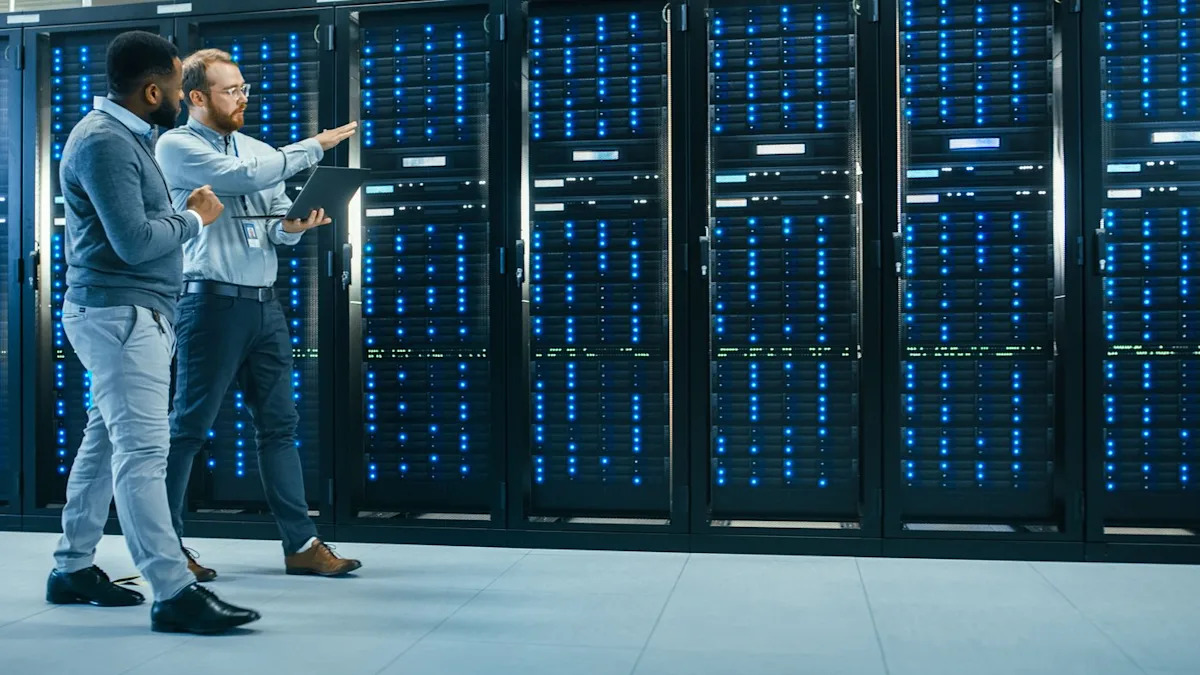
CoreWeave: The Future of AI Cloud Computing

- Significant Revenue Growth: CoreWeave's revenue surged by 110% year-over-year in Q4 2025, reaching $1.57 billion, indicating strong demand and an enhanced market position in the AI cloud computing sector.
- Ongoing Losses: Despite the revenue increase, CoreWeave reported a loss of $452 million in Q4 2025 and a total loss of $1.17 billion for the year, reflecting that high investments in technology and infrastructure have yet to yield profitability.
- Strategic Investment Positioning: The company spent nearly $3 billion on technology and infrastructure last year, accounting for 57% of its revenue, aiming to prepare for AI data center opportunities over the next two to five years, demonstrating a commitment to long-term growth.
- Optimistic Market Outlook: Analysts expect the AI data center industry to grow at an average annual rate of over 27% through 2035, with CoreWeave likely achieving profitability during this period, further solidifying its market position.
See More

Tariff Uncertainty Returns: Why Selling Into Fear Has Rarely Paid Off

- Tariff Hike Speculation: President Trump may raise tariffs to 15%, as White House trade advisor Peter Navarro states it's 'in the process to happen', which could negatively impact consumer spending and narrow profit margins, potentially leading to increased market volatility.
- Historical Market Reaction: In 2025, the S&P 500 dropped over 10% in the first week of April due to tariff news, despite starting the year down nearly 20%, it ultimately ended the year up 18%, demonstrating market resilience against short-term tariff impacts.
- Unchanged Fundamentals: While tariffs pose short-term headwinds, the fundamentals of most companies remain intact, with sectors like artificial intelligence continuing to show long-term growth potential, leading many AI stocks to reach all-time highs by the end of 2025.
- Investment Strategy Advice: Amid market volatility and negative headlines, investors should focus on fundamentals and avoid panic selling, as maintaining long-term positions in quality assets has historically proven to be a successful investment strategy.
See More
Nvidia Projects $1 Trillion AI Revenue by 2027
- Revenue Surge Expected: Nvidia projects its AI revenue to reach $1 trillion by 2027, a significant increase from the $500 billion expected this year, indicating strong growth potential in the AI market that may attract more investor interest.
- Strong GPU Sales: In Q4 of fiscal 2026, Nvidia reported sales of $68.1 billion, a 73% year-over-year increase, with the data center segment contributing $62.3 billion, up 75%, showcasing the company's sustained competitiveness in a high-demand market.
- New Product Launch: At the GTC conference, Nvidia unveiled NemoClaw, designed to provide AI agents for OpenClaw, demonstrating the company's innovative capabilities in agentic AI, which could further drive its market share growth.
- Market Capitalization Changes: Despite Nvidia's stock being down 15% from its all-time high, resulting in a market cap loss of approximately $1 trillion, CEO Jensen Huang emphasized that AI will be a crucial growth driver for the company, potentially prompting investors to reassess its investment value.
See More
OpenAI's IPO Looms with $1 Trillion Valuation Target
- IPO Timeline: OpenAI is expected to go public in Q4 2026 with a target valuation of $1 trillion; while this timeline is not set in stone, the company has expanded its finance team to enhance investor relations, indicating urgency for its IPO.
- Future Revenue Projections: OpenAI anticipates generating $280 billion in annual revenue by 2030, up from just $13.1 billion last year, with nearly half of its 2026 sales expected from enterprise customers, highlighting the potential of its business model.
- User Base Growth: ChatGPT boasts 900 million weekly active users, far surpassing competitors, with 50 million paying customers and 9 million business users, demonstrating its strong market appeal and growth potential.
- Compute Spending Plans: OpenAI plans to reach $600 billion in total compute spending by 2030; despite investor concerns about rising AI expenditures, this spending will drive the demand for rapid revenue growth post-IPO.
See More
Three Growth Stocks to Buy Now Amid Pullback
- UiPath Price Drop: UiPath's shares have fallen over 40% since their December peak, yet its pioneering role in automated workflows presents a buying opportunity for long-term investors, with expectations of continued growth despite broader industry sell-offs.
- Remitly User Growth: Remitly Global's active customer count rose 19% year-over-year to 9.3 million in Q4, driving a 35% increase in total money transferred, allowing the company to swing from a $5.7 million loss last year to a $41.2 million profit, showcasing its strong performance in the cross-border payments market.
- Meta's AI Utilization: Meta Platforms' stock is down 28% from its August high; however, its strategic use of AI to enhance its advertising business, alongside its status as the preferred social networking platform, led to a 24% revenue growth in Q4, indicating robust business fundamentals.
- Market Pullback Opportunity: Amid the overall market pullback, investors should focus on these undervalued growth stocks, particularly UiPath, Remitly, and Meta, as their technological advantages and market potential could yield significant returns for long-term investors.
See More
Trump's Hardline Stance on Iran War Intensifies
- Escalating Conflict: Trump's social media post threatens military action against Iran's power plants and bridges if the Strait of Hormuz is not reopened by Tuesday, provoking strong backlash from opposition leaders and civil society groups.
- Surging Oil Prices: The ongoing blockade of the Strait of Hormuz has pushed U.S. crude prices above $114 per barrel on Sunday, highlighting the significant impact of the regional conflict on global energy markets.
- Military Engagement: Iran continues to strike economic and infrastructure targets in neighboring Gulf Arab countries and shot down an American F-15E fighter jet over the weekend, with Trump confirming that the missing service member has been rescued, further escalating tensions.
- Federal Reserve Nomination: Trump's nominee Kevin Warsh is set for a Senate Banking Committee hearing on April 16, despite a separate criminal probe into the Fed, indicating a complex economic policy landscape under the Trump administration.
See More
CoreWeave: The Future of AI Cloud Computing
- Significant Revenue Growth: CoreWeave's revenue surged by 110% year-over-year in Q4 2025, reaching $1.57 billion, indicating strong demand and an enhanced market position in the AI cloud computing sector.
- Ongoing Losses: Despite the revenue increase, CoreWeave reported a loss of $452 million in Q4 2025 and a total loss of $1.17 billion for the year, reflecting that high investments in technology and infrastructure have yet to yield profitability.
- Strategic Investment Positioning: The company spent nearly $3 billion on technology and infrastructure last year, accounting for 57% of its revenue, aiming to prepare for AI data center opportunities over the next two to five years, demonstrating a commitment to long-term growth.
- Optimistic Market Outlook: Analysts expect the AI data center industry to grow at an average annual rate of over 27% through 2035, with CoreWeave likely achieving profitability during this period, further solidifying its market position.
See More
Tariff Uncertainty Returns: Why Selling Into Fear Has Rarely Paid Off
- Tariff Hike Speculation: President Trump may raise tariffs to 15%, as White House trade advisor Peter Navarro states it's 'in the process to happen', which could negatively impact consumer spending and narrow profit margins, potentially leading to increased market volatility.
- Historical Market Reaction: In 2025, the S&P 500 dropped over 10% in the first week of April due to tariff news, despite starting the year down nearly 20%, it ultimately ended the year up 18%, demonstrating market resilience against short-term tariff impacts.
- Unchanged Fundamentals: While tariffs pose short-term headwinds, the fundamentals of most companies remain intact, with sectors like artificial intelligence continuing to show long-term growth potential, leading many AI stocks to reach all-time highs by the end of 2025.
- Investment Strategy Advice: Amid market volatility and negative headlines, investors should focus on fundamentals and avoid panic selling, as maintaining long-term positions in quality assets has historically proven to be a successful investment strategy.
See More