Invesco S&P 500 Momentum ETF Experiences Big Inflow
Written by Emily J. Thompson, Senior Investment Analyst
Updated: Jul 09 2025
0mins


Source: NASDAQ.COM
SPMO Stock Performance: SPMO's current share price is $112.08, which is close to its 52-week high of $112.68 and significantly above its low of $76.75.
ETFs Trading Dynamics: ETFs function like stocks but involve trading units that can be created or destroyed based on investor demand, affecting the underlying holdings when there are significant inflows or outflows.
Trade with 70% Backtested Accuracy
Stop guessing "Should I Buy GE?" and start using high-conviction signals backed by rigorous historical data.
Sign up today to access powerful investing tools and make smarter, data-driven decisions.
Analyst Views on GE
Wall Street analysts forecast GE stock price to fall
9 Analyst Rating
8 Buy
0 Hold
1 Sell
Strong Buy
Current: 374.940

Low
275.00
Averages
345.67
High
386.00
Current: 374.940
Low
275.00
Averages
345.67
High
386.00
About GE
General Electric Company, doing business as GE Aerospace, is a global aerospace propulsion, services, and systems company. It has an installed base of over 50,000 commercial and 30,000 military aircraft engines. Its segment includes Commercial Engines & Services and Defense & Propulsion Technologies. Commercial Engines & Services segment designs, develops, manufactures and services jet engines for commercial airframes, as well as business aviation and aeroderivative applications. Its services include maintenance, repair and overhaul of engines and the sale of spare parts and offers services under a variety of arrangements such as long-term service agreements, spare parts agreements or time and material contracts. Defense & Propulsion Technologies segment provides defense engines and critical aircraft systems and consists of Defense & Systems and Propulsion & Additive Technologies businesses. Its portfolio of brands includes Avio Aero, Unison, Dowty Propellers and Colibrium Additive.
About the author

Emily J. Thompson
Emily J. Thompson, a Chartered Financial Analyst (CFA) with 12 years in investment research, graduated with honors from the Wharton School. Specializing in industrial and technology stocks, she provides in-depth analysis for Intellectia’s earnings and market brief reports.
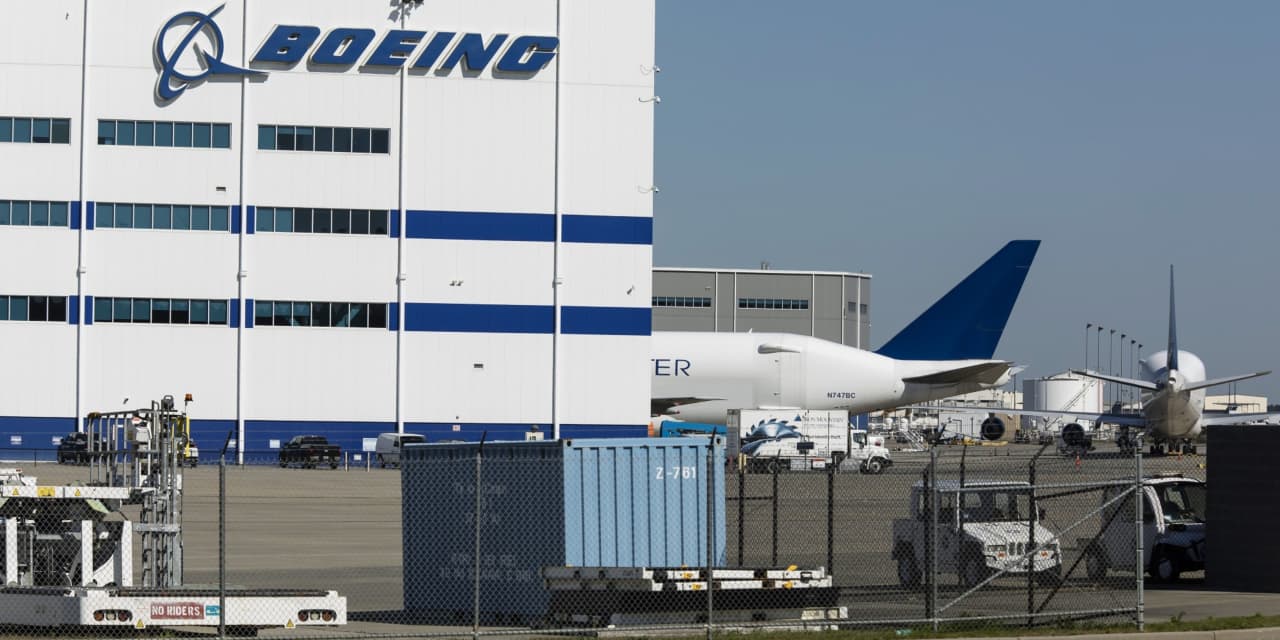
Market Comparison of GE Aerospace and Lockheed Martin


- GE Aerospace Growth: In FY 2025, GE Aerospace reported nearly $45.9 billion in revenue, an 18.5% year-over-year increase, with net income around $8.7 billion and a net margin improvement from 16.9% in FY 2024 to 19%, indicating strong profitability and market demand.
- Lockheed Martin Stability: For FY 2025, Lockheed Martin achieved nearly $75.1 billion in revenue, reflecting a modest 5.7% growth, with net income close to $5 billion and a net margin of 6.7%, showcasing its ongoing stability in the defense sector.
- Order and Backlog Comparison: GE Aerospace's orders surged by 32% in FY 2025, pushing its backlog to nearly $190 billion, while the first quarter of FY 2026 saw an 87% increase in orders, highlighting its robust momentum in the commercial aviation market.
- Lockheed Martin Contract Advantage: Lockheed Martin secured a massive $35 billion government contract in 2025, and despite a slight decrease in backlog to $186 billion in Q FY 2026, it maintains a 5% sales growth outlook, demonstrating its strong competitive position in the defense market.
See More

Investment Comparison Between GE Aerospace and Lockheed Martin
- GE Aerospace Growth: In FY 2025, GE Aerospace reported nearly $45.9 billion in revenue, an 18.5% increase year-over-year, with net income around $8.7 billion and a net margin improvement from 16.9% in FY 2024 to 19%, indicating strong profitability and market demand.
- Lockheed Martin's Defense Edge: Lockheed Martin achieved approximately $75.1 billion in revenue for FY 2025, reflecting a modest 5.7% growth, with the F-35 program accounting for 27% of total sales, underscoring its dominant position in the defense sector.
- Order and Backlog Comparison: GE Aerospace saw a 32% increase in orders for FY 2025, pushing its backlog to nearly $190 billion, while the first quarter of FY 2026 experienced an 87% surge in orders, exceeding $210 billion, highlighting robust demand in the commercial aviation market.
- Defense Contracts and Market Outlook: Lockheed Martin secured a massive $35 billion THAAD interceptor contract in 2025, and despite a 13% year-over-year drop in net income for Q1 FY 2026, it maintains a full-year sales growth forecast of 5%, demonstrating ongoing competitiveness in the defense market.
See More

AI Data Center Growth Fuels Power Infrastructure Stock Surge


- Surge in Power Infrastructure Demand: GE Vernova and nVent Electric have raised their 2026 earnings guidance amid booming AI application growth, indicating strong market demand that is expected to significantly enhance company performance.
- GE Vernova Order Backlog: The company currently boasts a $76 billion backlog, a substantial increase from $38 billion in sales for 2025, highlighting its rapidly strengthening market position in the AI data center sector.
- nVent Electric Sales Outlook Raised: Management has increased its 2026 organic sales growth forecast from 10%-13% to 21%-23%, reflecting robust performance in the next-generation data center market, particularly in liquid cooling solutions developed in collaboration with Nvidia.
- Positive Market Reaction: Despite trading at 38 and 37 times 2026 earnings estimates, the market has reacted positively to the potential earnings upgrades due to accelerating AI investments, demonstrating strong investor confidence in power solutions.
See More

AI Demand Drives Recovery of Power Companies
- Surging Power Demand: The rapid growth of AI applications has significantly increased the demand for power from data centers, leading GE Vernova to outperform the former GE Aerospace business, briefly surpassing its market cap.
- Significant Order Growth: GE Vernova's equipment orders rose 106% year-over-year in Q1 2026, resulting in a backlog of $76 billion, far exceeding the $38 billion in sales for 2025, indicating strong market demand and long-term value potential.
- Optimistic Market Outlook: nVent Electric is identified by analysts as a great investment for AI data centers, with its 2026 organic sales growth outlook raised from 10%-13% to 21%-23%, reflecting robust demand for the new 800-volt direct current solutions.
- Earnings Expectations Raised: Despite high valuations for nVent Electric and GE Vernova, both companies raised their 2026 earnings guidance in their latest earnings calls, indicating market optimism regarding their future performance amid accelerating AI investments.
See More
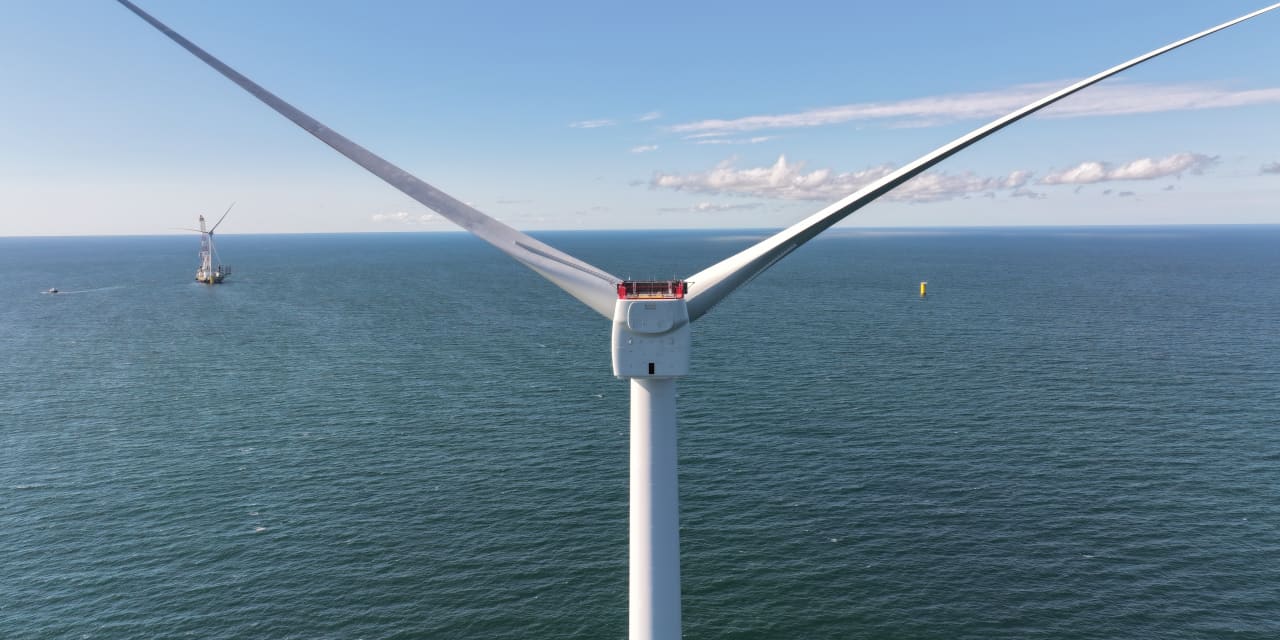
GE Vernova's Electrification Division Sees Rapid Growth

- Electrification Surge: GE Vernova's electrification division secured $2.4 billion in data center equipment orders in Q1 2026, surpassing the total for fiscal year 2025, indicating a robust growth potential with nearly 32% of overall revenue.
- Backlog Explosion: The electrification segment's backlog skyrocketed from $9 billion at the end of 2022 to $42 billion, reflecting surging demand for power infrastructure, particularly driven by the accelerating electricity demand spurred by AI technologies.
- Prolec Acquisition Enhances Competitiveness: GE Vernova's $5 billion acquisition of transformer manufacturer Prolec strengthens its market position in electrification solutions, allowing for better supply chain control and increased production capacity to meet rising power demands.
- Strong Stock Performance: Since spinning off in April 2024, GE Vernova's stock has surged 694%, with a nearly 70% increase in 2026 alone, demonstrating strong market recognition of its electrification and power businesses, with analysts optimistic about future growth prospects.
See More

GE Aerospace Stock Surges Over Fivefold in Five Years

- Outstanding Stock Performance: GE Aerospace's stock has surged 473.4% over the past five years, reflecting its formidable market position in jet engine manufacturing, with potential for continued growth in the future.
- Leadership Advantage: CEO Larry Culp's leadership is considered a key factor in the company's success, as he continues to steer the aerospace division post-breakup, and Barron's recently named him one of the best CEOs in the U.S., indicating strong investor confidence in his management.
- Robust Aftermarket Revenue: The company generates 75% of its commercial engine revenue from aftermarket services and parts sales, which has resulted in a $181 billion backlog, enhancing its pricing power and revenue predictability.
- Strong Financial Health: By the end of 2025, GE Aerospace reported a net debt of $8 billion against a $130 billion balance sheet, showcasing financial stability, with plans to return nearly all free cash flow to shareholders through buybacks and dividends over the next three years, further boosting investor confidence.
See More
Market Comparison of GE Aerospace and Lockheed Martin
- GE Aerospace Growth: In FY 2025, GE Aerospace reported nearly $45.9 billion in revenue, an 18.5% year-over-year increase, with net income around $8.7 billion and a net margin improvement from 16.9% in FY 2024 to 19%, indicating strong profitability and market demand.
- Lockheed Martin Stability: For FY 2025, Lockheed Martin achieved nearly $75.1 billion in revenue, reflecting a modest 5.7% growth, with net income close to $5 billion and a net margin of 6.7%, showcasing its ongoing stability in the defense sector.
- Order and Backlog Comparison: GE Aerospace's orders surged by 32% in FY 2025, pushing its backlog to nearly $190 billion, while the first quarter of FY 2026 saw an 87% increase in orders, highlighting its robust momentum in the commercial aviation market.
- Lockheed Martin Contract Advantage: Lockheed Martin secured a massive $35 billion government contract in 2025, and despite a slight decrease in backlog to $186 billion in Q FY 2026, it maintains a 5% sales growth outlook, demonstrating its strong competitive position in the defense market.
See More
Investment Comparison Between GE Aerospace and Lockheed Martin
- GE Aerospace Growth: In FY 2025, GE Aerospace reported nearly $45.9 billion in revenue, an 18.5% increase year-over-year, with net income around $8.7 billion and a net margin improvement from 16.9% in FY 2024 to 19%, indicating strong profitability and market demand.
- Lockheed Martin's Defense Edge: Lockheed Martin achieved approximately $75.1 billion in revenue for FY 2025, reflecting a modest 5.7% growth, with the F-35 program accounting for 27% of total sales, underscoring its dominant position in the defense sector.
- Order and Backlog Comparison: GE Aerospace saw a 32% increase in orders for FY 2025, pushing its backlog to nearly $190 billion, while the first quarter of FY 2026 experienced an 87% surge in orders, exceeding $210 billion, highlighting robust demand in the commercial aviation market.
- Defense Contracts and Market Outlook: Lockheed Martin secured a massive $35 billion THAAD interceptor contract in 2025, and despite a 13% year-over-year drop in net income for Q1 FY 2026, it maintains a full-year sales growth forecast of 5%, demonstrating ongoing competitiveness in the defense market.
See More
AI Data Center Growth Fuels Power Infrastructure Stock Surge
- Surge in Power Infrastructure Demand: GE Vernova and nVent Electric have raised their 2026 earnings guidance amid booming AI application growth, indicating strong market demand that is expected to significantly enhance company performance.
- GE Vernova Order Backlog: The company currently boasts a $76 billion backlog, a substantial increase from $38 billion in sales for 2025, highlighting its rapidly strengthening market position in the AI data center sector.
- nVent Electric Sales Outlook Raised: Management has increased its 2026 organic sales growth forecast from 10%-13% to 21%-23%, reflecting robust performance in the next-generation data center market, particularly in liquid cooling solutions developed in collaboration with Nvidia.
- Positive Market Reaction: Despite trading at 38 and 37 times 2026 earnings estimates, the market has reacted positively to the potential earnings upgrades due to accelerating AI investments, demonstrating strong investor confidence in power solutions.
See More
AI Demand Drives Recovery of Power Companies
- Surging Power Demand: The rapid growth of AI applications has significantly increased the demand for power from data centers, leading GE Vernova to outperform the former GE Aerospace business, briefly surpassing its market cap.
- Significant Order Growth: GE Vernova's equipment orders rose 106% year-over-year in Q1 2026, resulting in a backlog of $76 billion, far exceeding the $38 billion in sales for 2025, indicating strong market demand and long-term value potential.
- Optimistic Market Outlook: nVent Electric is identified by analysts as a great investment for AI data centers, with its 2026 organic sales growth outlook raised from 10%-13% to 21%-23%, reflecting robust demand for the new 800-volt direct current solutions.
- Earnings Expectations Raised: Despite high valuations for nVent Electric and GE Vernova, both companies raised their 2026 earnings guidance in their latest earnings calls, indicating market optimism regarding their future performance amid accelerating AI investments.
See More
GE Vernova's Electrification Division Sees Rapid Growth
- Electrification Surge: GE Vernova's electrification division secured $2.4 billion in data center equipment orders in Q1 2026, surpassing the total for fiscal year 2025, indicating a robust growth potential with nearly 32% of overall revenue.
- Backlog Explosion: The electrification segment's backlog skyrocketed from $9 billion at the end of 2022 to $42 billion, reflecting surging demand for power infrastructure, particularly driven by the accelerating electricity demand spurred by AI technologies.
- Prolec Acquisition Enhances Competitiveness: GE Vernova's $5 billion acquisition of transformer manufacturer Prolec strengthens its market position in electrification solutions, allowing for better supply chain control and increased production capacity to meet rising power demands.
- Strong Stock Performance: Since spinning off in April 2024, GE Vernova's stock has surged 694%, with a nearly 70% increase in 2026 alone, demonstrating strong market recognition of its electrification and power businesses, with analysts optimistic about future growth prospects.
See More
GE Aerospace Stock Surges Over Fivefold in Five Years
- Outstanding Stock Performance: GE Aerospace's stock has surged 473.4% over the past five years, reflecting its formidable market position in jet engine manufacturing, with potential for continued growth in the future.
- Leadership Advantage: CEO Larry Culp's leadership is considered a key factor in the company's success, as he continues to steer the aerospace division post-breakup, and Barron's recently named him one of the best CEOs in the U.S., indicating strong investor confidence in his management.
- Robust Aftermarket Revenue: The company generates 75% of its commercial engine revenue from aftermarket services and parts sales, which has resulted in a $181 billion backlog, enhancing its pricing power and revenue predictability.
- Strong Financial Health: By the end of 2025, GE Aerospace reported a net debt of $8 billion against a $130 billion balance sheet, showcasing financial stability, with plans to return nearly all free cash flow to shareholders through buybacks and dividends over the next three years, further boosting investor confidence.
See More