Impact of Iran War on Global Auto Industry
Written by Emily J. Thompson, Senior Investment Analyst
Updated: Mar 11 2026
0mins

Source: CNBC
- Supply Chain Risks: The Iran war exacerbates supply constraints for the global auto industry, as the region, while not a major auto parts producer, is crucial for key resources like oil and aluminum, with 20% of the world's oil passing through the Strait of Hormuz, causing prices to surge above $100 per barrel, directly impacting manufacturing costs.
- Fuel Price Increases: Gas prices in the U.S. have surpassed $3 per gallon, with two significant 12-cent increases nationwide in the past two weeks, creating consumer anxiety that may suppress driving and travel demand, thereby affecting auto sales.
- Aluminum Supply Tightness: Bahrain and the UAE account for 9% of global aluminum smelting, with the U.S. relying on imports for 80% to 90% of its aluminum, 20% from the Gulf, and rising aluminum prices, a key material for lightweight vehicles, will further inflate manufacturing costs, impacting electric and hybrid vehicle production.
- Industry Transition Challenges: Automakers are grappling with the fallout from the Iran conflict while incurring billions in tariff costs due to trade disputes, as the industry navigates dual transitions towards profitable electric vehicles and new hardware/software rollouts, lacking effective strategies to address supply chain crises, leading to resource strain and production instability.
Trade with 70% Backtested Accuracy
Stop guessing "Should I Buy CVX?" and start using high-conviction signals backed by rigorous historical data.
Sign up today to access powerful investing tools and make smarter, data-driven decisions.
Analyst Views on CVX
Wall Street analysts forecast CVX stock price to fall
19 Analyst Rating
15 Buy
4 Hold
0 Sell
Strong Buy
Current: 177.580

Low
158.00
Averages
176.95
High
206.00
Current: 177.580
Low
158.00
Averages
176.95
High
206.00
About CVX
Chevron Corporation is an integrated energy company. The Company produces crude oil and natural gas; manufactures transportation fuels, lubricants, petrochemicals and additives; and develops technologies that enhance its business and industry. The Company’s segments include Upstream and Downstream. Upstream operations consist primarily of exploring for, developing, producing and transporting crude oil and natural gas; liquefaction, transportation and regasification associated with LNG; transporting crude oil by major international oil export pipelines; processing, transporting, storage and marketing of natural gas; carbon capture and storage; and a gas-to-liquids plant. Downstream operations consist primarily of the refining of crude oil into petroleum products; marketing crude oil, refined products, and lubricants; manufacturing and marketing of renewable fuels, and transporting of crude oil and refined products by pipeline, marine vessel, motor equipment and rail car.
About the author

Emily J. Thompson
Emily J. Thompson, a Chartered Financial Analyst (CFA) with 12 years in investment research, graduated with honors from the Wharton School. Specializing in industrial and technology stocks, she provides in-depth analysis for Intellectia’s earnings and market brief reports.

U.S.-Iran Agreement May Boost Equities and Oil Prices


- Market Support: A tentative U.S.-Iran agreement has alleviated concerns over energy supply disruptions through the Strait of Hormuz, potentially providing near-term support for equities while reducing pressure on oil prices and bond yields.
- Political Implications: Lower oil prices could politically benefit Republicans ahead of the 2026 midterm elections, as rising fuel costs and declining approval ratings have negatively impacted their prospects.
- Risk Warnings: Despite recent de-escalation, analysts caution that the agreement should not be seen as a lasting peace, as Tehran may delay key commitments, keeping oil prices elevated in the $90-$100 range.
- Uncertain Future Outlook: Analysts assign a 60% probability of renewed conflict involving Iran later this year or in 2027, with geopolitical tensions and trade disputes seen as potential sources of renewed market volatility.
See More
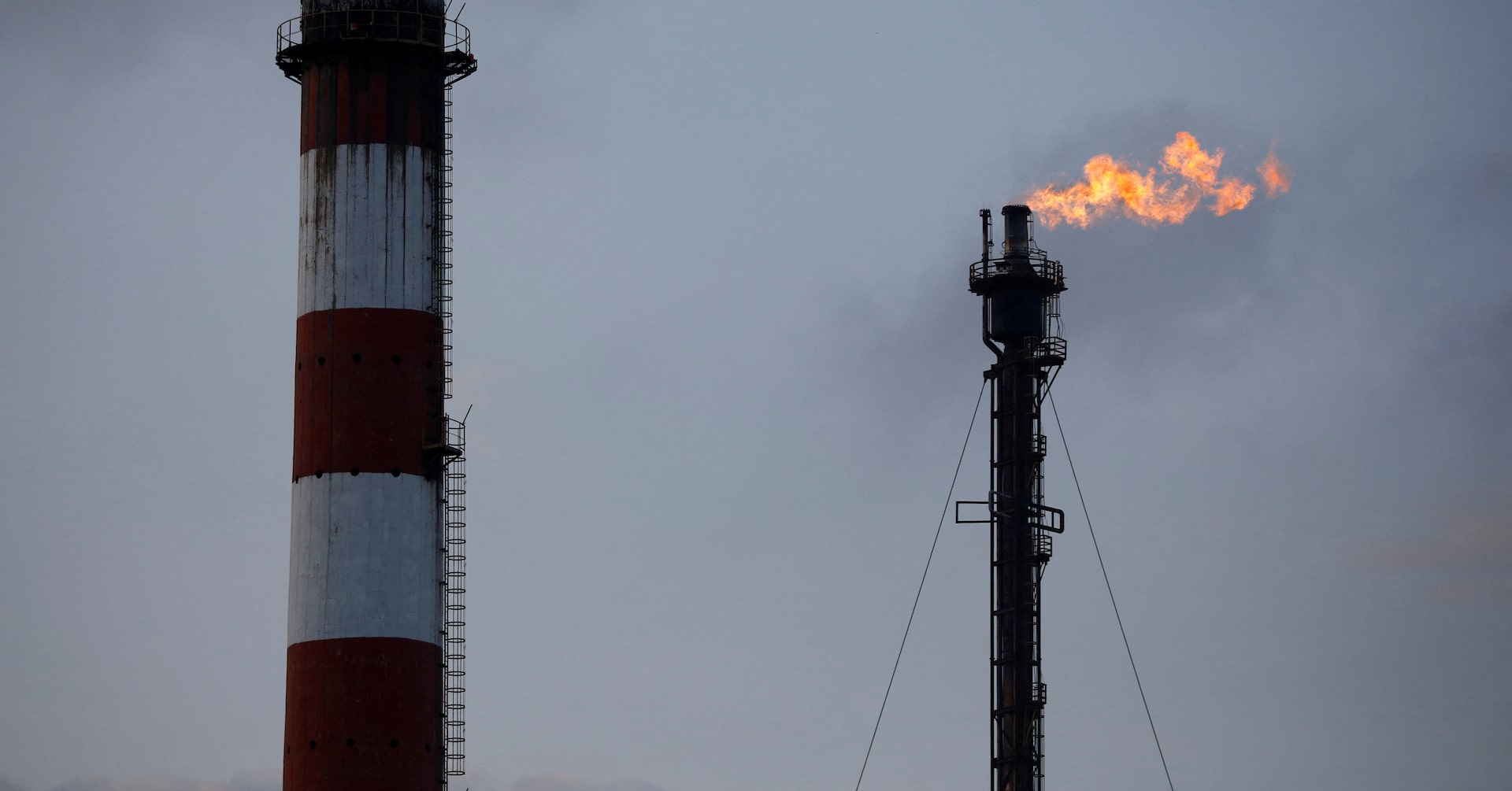
U.S. Sanctions Losing Effectiveness Against Adversaries

- Declining Sanction Effectiveness: According to a Wall Street Journal report, U.S. sanctions against Iran, Russia, and North Korea have become less effective as these nations employ sophisticated methods to evade them, highlighting the limitations of sanction policies.
- Iran's Economic Resilience: Despite over 1,000 sanctions imposed by the U.S. in the past 18 months, Iran reportedly generated about $43 billion in 2024 through oil sales to China, demonstrating its economic resilience under sanctions.
- Challenges in Enforcement: Russia continues to fund its war efforts despite Western restrictions, while North Korea has expanded its nuclear program through cryptocurrency theft and overseas money-laundering networks, indicating significant challenges in enforcing sanctions.
- Need for Policy Reevaluation: The Trump administration acknowledged the necessity to reassess sanctions policy, with Treasury Secretary Scott Bessent stating that officials are reviewing outdated sanctions programs to identify more effective restrictions.
See More
Zelenskiy Warns of Major Russian Attack Amid Strikes

- Importance of Air Raid Alerts: Ukrainian President Zelenskiy emphasized in a video address the critical need for residents to heed air raid alerts as Russia prepares for a large-scale attack, reflecting the escalating tension and urgent concern for civilian safety.
- Casualties from Strikes: Russian glide bomb attacks in Zaporizhzhia resulted in at least five deaths and ten injuries, indicating an intensification of assaults on Ukrainian cities, which poses a significant threat to local residents' lives.
- Injuries to Children: In Poltava, shelling led to injuries of three children, highlighting the severe impact of the war on innocent civilians, particularly children, and exacerbating international concern over the humanitarian crisis.
- Escalation of Drone Attacks: Zelenskiy reported that Ukrainian drones struck an oil refinery in Russia's Tyumen region, indicating a more aggressive strategy in counterattacks aimed at undermining Russian energy infrastructure, despite failed diplomatic efforts for a ceasefire.
See More

Impact of Middle East Conflict on Energy Market
- Current Energy Market: The closure of the Strait of Hormuz has led to a tight supply of oil and natural gas globally, with expectations that Brent crude prices will fall back to $60 per barrel by 2027, although this may involve significant price fluctuations along the way.
- Strategic Reserve Crisis: The U.S. strategic oil reserve is nearing its lowest levels since 1983, necessitating replenishment, which highlights the tense situation in the global energy market and could lead to price increases in the future.
- Market Structural Changes: The UAE's exit from OPEC has lifted production limits, while the U.S. has ramped up exports, increasing global interest in energy security, factors that will reshape future oil movement patterns and may lead to heightened price volatility.
- Investment Strategy Recommendation: Investors are advised to maintain some exposure to the energy sector, particularly by choosing energy giants like ExxonMobil and Chevron, whose global asset distribution and strong financial positions can help mitigate market fluctuations.
See More
Middle East Conflict Drives Oil Prices Higher
- Market Volatility Ahead: The geopolitical conflict in the Middle East has driven oil prices up, yet it is anticipated that Brent crude will fall back to around $60 per barrel by 2027, indicating that market fundamentals will soon dictate price movements.
- Strategic Reserve Crisis: The U.S. strategic oil reserve is nearing levels not seen since 1983, highlighting the pressure on global oil and gas supply chains and the urgent need to replenish reserves to meet future demand fluctuations.
- Changes Outside OPEC: The UAE's exit from OPEC has lifted production limits, coupled with increased U.S. exports, signaling fundamental shifts in the global energy market that could lead to greater oil and gas supply in the future, thereby impacting prices.
- Investment Strategy Shift: While investors should consider exposure to the energy sector, a conservative approach is advisable, with energy giants like ExxonMobil and Chevron being ideal choices due to their global asset distribution and robust financial health, making them well-suited to navigate market volatility.
See More

Chevron Executive to Attend Natural Resources Conference
- Executive Participation: Jeff Gustavson, President of New Energies at Chevron, will participate in the J.P. Morgan Natural Resources Conference on June 23, 2026, highlighting the company's strategic positioning in renewable energy, which is expected to attract investor interest.
- Live Webcast Arrangement: The conference will feature a live webcast for investors unable to attend in person, enhancing interaction between the company and its investors, thereby improving transparency and trust.
- Company Strategic Goals: Chevron aims to expand its oil and gas business while reducing carbon emissions, indicating its proactive role in the global energy transition, which may appeal to shareholders interested in sustainable investments.
- Forward-Looking Statement Risks: The press release includes cautionary statements regarding forward-looking information, emphasizing the potential impact of market volatility and policy changes on the company's future performance, reminding investors to be aware of risks arising from external environmental changes.
See More
U.S.-Iran Agreement May Boost Equities and Oil Prices
- Market Support: A tentative U.S.-Iran agreement has alleviated concerns over energy supply disruptions through the Strait of Hormuz, potentially providing near-term support for equities while reducing pressure on oil prices and bond yields.
- Political Implications: Lower oil prices could politically benefit Republicans ahead of the 2026 midterm elections, as rising fuel costs and declining approval ratings have negatively impacted their prospects.
- Risk Warnings: Despite recent de-escalation, analysts caution that the agreement should not be seen as a lasting peace, as Tehran may delay key commitments, keeping oil prices elevated in the $90-$100 range.
- Uncertain Future Outlook: Analysts assign a 60% probability of renewed conflict involving Iran later this year or in 2027, with geopolitical tensions and trade disputes seen as potential sources of renewed market volatility.
See More
U.S. Sanctions Losing Effectiveness Against Adversaries
- Declining Sanction Effectiveness: According to a Wall Street Journal report, U.S. sanctions against Iran, Russia, and North Korea have become less effective as these nations employ sophisticated methods to evade them, highlighting the limitations of sanction policies.
- Iran's Economic Resilience: Despite over 1,000 sanctions imposed by the U.S. in the past 18 months, Iran reportedly generated about $43 billion in 2024 through oil sales to China, demonstrating its economic resilience under sanctions.
- Challenges in Enforcement: Russia continues to fund its war efforts despite Western restrictions, while North Korea has expanded its nuclear program through cryptocurrency theft and overseas money-laundering networks, indicating significant challenges in enforcing sanctions.
- Need for Policy Reevaluation: The Trump administration acknowledged the necessity to reassess sanctions policy, with Treasury Secretary Scott Bessent stating that officials are reviewing outdated sanctions programs to identify more effective restrictions.
See More
Zelenskiy Warns of Major Russian Attack Amid Strikes
- Importance of Air Raid Alerts: Ukrainian President Zelenskiy emphasized in a video address the critical need for residents to heed air raid alerts as Russia prepares for a large-scale attack, reflecting the escalating tension and urgent concern for civilian safety.
- Casualties from Strikes: Russian glide bomb attacks in Zaporizhzhia resulted in at least five deaths and ten injuries, indicating an intensification of assaults on Ukrainian cities, which poses a significant threat to local residents' lives.
- Injuries to Children: In Poltava, shelling led to injuries of three children, highlighting the severe impact of the war on innocent civilians, particularly children, and exacerbating international concern over the humanitarian crisis.
- Escalation of Drone Attacks: Zelenskiy reported that Ukrainian drones struck an oil refinery in Russia's Tyumen region, indicating a more aggressive strategy in counterattacks aimed at undermining Russian energy infrastructure, despite failed diplomatic efforts for a ceasefire.
See More
Impact of Middle East Conflict on Energy Market
- Current Energy Market: The closure of the Strait of Hormuz has led to a tight supply of oil and natural gas globally, with expectations that Brent crude prices will fall back to $60 per barrel by 2027, although this may involve significant price fluctuations along the way.
- Strategic Reserve Crisis: The U.S. strategic oil reserve is nearing its lowest levels since 1983, necessitating replenishment, which highlights the tense situation in the global energy market and could lead to price increases in the future.
- Market Structural Changes: The UAE's exit from OPEC has lifted production limits, while the U.S. has ramped up exports, increasing global interest in energy security, factors that will reshape future oil movement patterns and may lead to heightened price volatility.
- Investment Strategy Recommendation: Investors are advised to maintain some exposure to the energy sector, particularly by choosing energy giants like ExxonMobil and Chevron, whose global asset distribution and strong financial positions can help mitigate market fluctuations.
See More
Middle East Conflict Drives Oil Prices Higher
- Market Volatility Ahead: The geopolitical conflict in the Middle East has driven oil prices up, yet it is anticipated that Brent crude will fall back to around $60 per barrel by 2027, indicating that market fundamentals will soon dictate price movements.
- Strategic Reserve Crisis: The U.S. strategic oil reserve is nearing levels not seen since 1983, highlighting the pressure on global oil and gas supply chains and the urgent need to replenish reserves to meet future demand fluctuations.
- Changes Outside OPEC: The UAE's exit from OPEC has lifted production limits, coupled with increased U.S. exports, signaling fundamental shifts in the global energy market that could lead to greater oil and gas supply in the future, thereby impacting prices.
- Investment Strategy Shift: While investors should consider exposure to the energy sector, a conservative approach is advisable, with energy giants like ExxonMobil and Chevron being ideal choices due to their global asset distribution and robust financial health, making them well-suited to navigate market volatility.
See More
Chevron Executive to Attend Natural Resources Conference
- Executive Participation: Jeff Gustavson, President of New Energies at Chevron, will participate in the J.P. Morgan Natural Resources Conference on June 23, 2026, highlighting the company's strategic positioning in renewable energy, which is expected to attract investor interest.
- Live Webcast Arrangement: The conference will feature a live webcast for investors unable to attend in person, enhancing interaction between the company and its investors, thereby improving transparency and trust.
- Company Strategic Goals: Chevron aims to expand its oil and gas business while reducing carbon emissions, indicating its proactive role in the global energy transition, which may appeal to shareholders interested in sustainable investments.
- Forward-Looking Statement Risks: The press release includes cautionary statements regarding forward-looking information, emphasizing the potential impact of market volatility and policy changes on the company's future performance, reminding investors to be aware of risks arising from external environmental changes.
See More