Greece Achieves Full Recovery, Reestablishing Itself in the Developed Markets Category

Greece's Market Status Upgrade: Greece has been upgraded back to developed-market status by FTSE Russell, marking a significant recovery from its previous sovereign default crisis nearly a decade ago.
Impact on Investment: The upgrade, effective in September 2026, may initially limit passive investment flows, but is expected to enhance active investment in Greek stocks and bonds.
Trade with 70% Backtested Accuracy
Analyst Views on GD

About GD
About the author


Zelensky's Surprise Visit to Saudi Arabia for Support


- Military Cooperation Talks: Ukrainian President Zelensky met with Saudi Crown Prince Mohammed bin Salman to discuss escalating military tensions in the Middle East and the war in Ukraine, aiming to enhance cooperation with Gulf nations by offering air defense and drone technology.
- Expert Deployment: Over 200 Ukrainian experts have been dispatched to the Middle East to assist countries in intercepting Iranian attacks that have damaged energy infrastructure, highlighting Ukraine's proactive role in international security cooperation.
- U.S. Resource Reallocation: As the U.S. considers redirecting military resources originally intended for Ukraine to the Middle East, Zelensky's visit aims to secure Gulf nations' support for Ukraine in its ongoing battle against Russian aggression.
- European Aid Uncertainty: The critical €90 billion ($104 billion) EU loan package for Ukraine is now in jeopardy due to Hungary's veto, further intensifying Ukraine's military and economic pressures.
US Troop Buildup in Middle East Sparks Speculation of Attack on Iran

- Troop Deployment: The Pentagon is preparing to send approximately 3,000 troops from the 82nd Airborne Division and two Marine Expeditionary Units to the Middle East, prompting speculation about a potential ground attack on Iran amidst conflicting reports of peace talks.
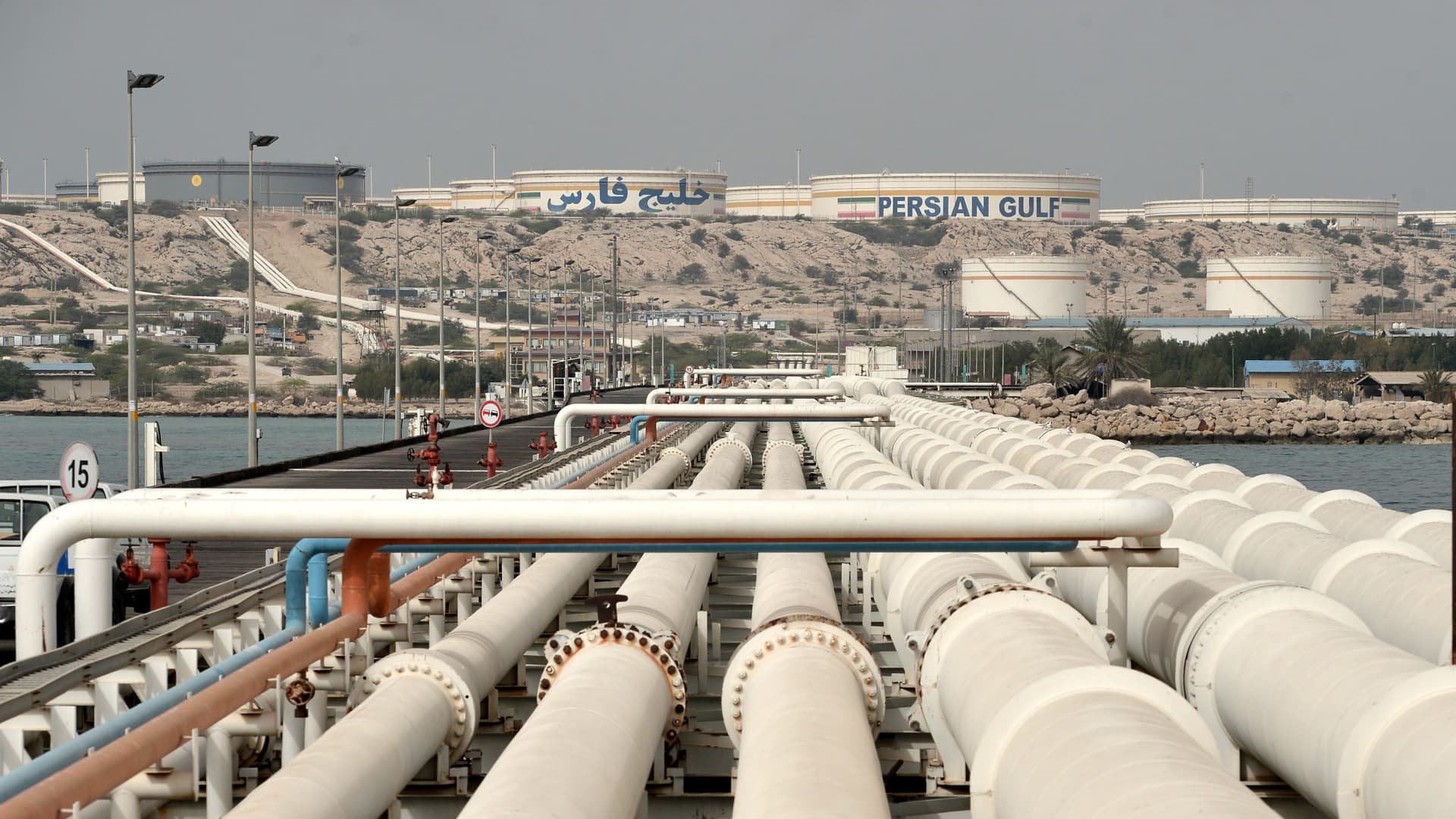
- Strategic Targets: Military experts suggest that the troop numbers align with plans for short-term operations, potentially focusing on key Iranian islands in the Strait of Hormuz, such as Qeshm Island and Kharg Island, the latter being central to Iran's oil industry.
- Operational Feasibility: While seizing Kharg Island is technically feasible, it poses significant escalation risks due to its importance to Iran's oil exports, and capturing nuclear materials is deemed unrealistic without a larger ground presence.
- Diplomatic Leverage: This limited troop deployment is viewed as a tool for coercive leverage, aimed at enhancing the U.S. bargaining position in ongoing diplomatic discussions with Iran, despite Tehran's denial of any negotiations with Washington.
US Reinforces Military Presence in Middle East to Pressure Iran

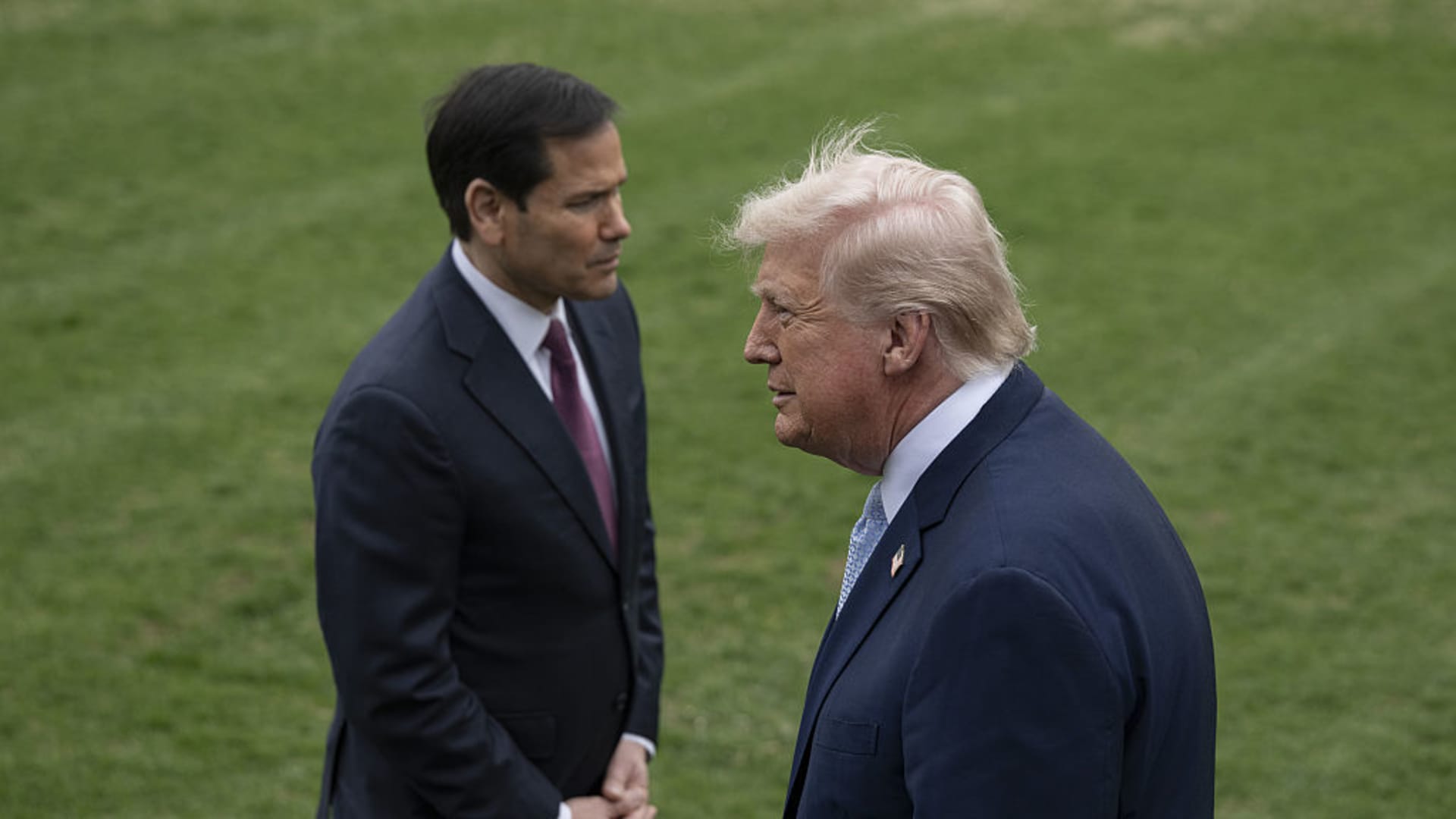
- Military Buildup Context: The U.S. plans to send thousands of additional soldiers to the Middle East, building on an existing presence of tens of thousands, indicating the Trump administration's hardline stance aimed at coercing Iran back to the negotiating table through military deterrence.
- Peace Plan Details: The U.S. has circulated a 15-point peace plan demanding Iran's complete termination of its nuclear program and restrictions on its missile capabilities, while Iran insists on war reparations and recognition of its sovereignty over the Strait of Hormuz, highlighting significant gaps in their positions.
- Geopolitical Risks: The military reinforcements may escalate tensions with Iran, as analysts warn that while they provide Trump with more leverage in negotiations, they could also provoke a harsher response from Tehran, complicating the diplomatic landscape further.
- Economic Impact Warning: Experts caution that the ongoing Iran war could have lasting effects on the global economy, particularly through disruptions in LNG and fertilizer supply chains, which may lead to elevated food inflation and political repercussions across multiple countries.

Warren Questions DoD Contracts with Trump Family

- Lack of Transparency: Warren's letter to the Defense Secretary highlights the DoD's failure to adequately respond to her inquiries about the Trump family's involvement in defense contracts, indicating a troubling lack of transparency that could undermine public trust in the DoD's fairness.
- Potential Corruption Risks: Warren warns that the Trump family's business interests pose a corruption risk regarding DoD contracts, particularly with the involvement of Trump's children, which could compromise the impartial assessment of national security and defense needs.
- Drone Contract Controversy: Warren notes that the drone company Powerus, backed by Trump's children, is seeking DoD contracts while the Pentagon invests approximately $1 billion in domestic drone production, raising concerns about potential conflicts of interest.
- Inadequate DoD Response: The DoD's response to Warren's letter did not specifically address the interests of Trump's children or detail how contracts related to their interests are managed, reflecting the department's inability to effectively handle potential conflicts of interest.
Launch of Leonidas Autonomous Ground Vehicle for Counter-UAS Operations

- Autonomous Defense Capability: The Leonidas Autonomous Ground Vehicle (AGV) integrates Epirus' high-power microwave platform with Kodiak's AI driving system, enabling counter-UAS operations without human intervention, significantly enhancing the defense of critical assets and meeting modern warfare's demand for rapid response.
- Modular Design Advantage: The system's modular architecture ensures safe and reliable movement in complex environments, allowing for rapid deployment in various scenarios such as military bases, airports, and major public events, thereby strengthening protection against drone threats.
- Efficient Counter-UAS Solution: Leonidas AGV can neutralize individual drones and swarm attacks without expending costly interceptors, providing a low-cost and effective defense layer that reduces reliance on human operators.
- Industry-Leading Technology Integration: The collaboration with General Dynamics Land Systems showcases the potential of commercial technology in defense applications, enhancing the U.S. military's technological edge on the battlefield and ensuring soldier safety against drone threats.

EPIRUS, GENERAL DYNAMICS LAND SYSTEMS, AND KODIAK AI INTRODUCE INNOVATIVE AUTONOMOUS HPM SYSTEM FOR COUNTERING DRONES


New Autonomous System Unveiled: General Dynamics and Kodiak AI have introduced a new autonomous high-performance management system designed for counter-UAS operations.
Focus on Counter-UAS Technology: The system aims to enhance capabilities in detecting and neutralizing unmanned aerial systems, addressing growing concerns in security and defense sectors.
Zelensky's Surprise Visit to Saudi Arabia for Support
- Military Cooperation Talks: Ukrainian President Zelensky met with Saudi Crown Prince Mohammed bin Salman to discuss escalating military tensions in the Middle East and the war in Ukraine, aiming to enhance cooperation with Gulf nations by offering air defense and drone technology.
- Expert Deployment: Over 200 Ukrainian experts have been dispatched to the Middle East to assist countries in intercepting Iranian attacks that have damaged energy infrastructure, highlighting Ukraine's proactive role in international security cooperation.
- U.S. Resource Reallocation: As the U.S. considers redirecting military resources originally intended for Ukraine to the Middle East, Zelensky's visit aims to secure Gulf nations' support for Ukraine in its ongoing battle against Russian aggression.
- European Aid Uncertainty: The critical €90 billion ($104 billion) EU loan package for Ukraine is now in jeopardy due to Hungary's veto, further intensifying Ukraine's military and economic pressures.
US Troop Buildup in Middle East Sparks Speculation of Attack on Iran
- Troop Deployment: The Pentagon is preparing to send approximately 3,000 troops from the 82nd Airborne Division and two Marine Expeditionary Units to the Middle East, prompting speculation about a potential ground attack on Iran amidst conflicting reports of peace talks.
- Strategic Targets: Military experts suggest that the troop numbers align with plans for short-term operations, potentially focusing on key Iranian islands in the Strait of Hormuz, such as Qeshm Island and Kharg Island, the latter being central to Iran's oil industry.
- Operational Feasibility: While seizing Kharg Island is technically feasible, it poses significant escalation risks due to its importance to Iran's oil exports, and capturing nuclear materials is deemed unrealistic without a larger ground presence.
- Diplomatic Leverage: This limited troop deployment is viewed as a tool for coercive leverage, aimed at enhancing the U.S. bargaining position in ongoing diplomatic discussions with Iran, despite Tehran's denial of any negotiations with Washington.
US Reinforces Military Presence in Middle East to Pressure Iran
- Military Buildup Context: The U.S. plans to send thousands of additional soldiers to the Middle East, building on an existing presence of tens of thousands, indicating the Trump administration's hardline stance aimed at coercing Iran back to the negotiating table through military deterrence.
- Peace Plan Details: The U.S. has circulated a 15-point peace plan demanding Iran's complete termination of its nuclear program and restrictions on its missile capabilities, while Iran insists on war reparations and recognition of its sovereignty over the Strait of Hormuz, highlighting significant gaps in their positions.
- Geopolitical Risks: The military reinforcements may escalate tensions with Iran, as analysts warn that while they provide Trump with more leverage in negotiations, they could also provoke a harsher response from Tehran, complicating the diplomatic landscape further.
- Economic Impact Warning: Experts caution that the ongoing Iran war could have lasting effects on the global economy, particularly through disruptions in LNG and fertilizer supply chains, which may lead to elevated food inflation and political repercussions across multiple countries.
Warren Questions DoD Contracts with Trump Family
- Lack of Transparency: Warren's letter to the Defense Secretary highlights the DoD's failure to adequately respond to her inquiries about the Trump family's involvement in defense contracts, indicating a troubling lack of transparency that could undermine public trust in the DoD's fairness.
- Potential Corruption Risks: Warren warns that the Trump family's business interests pose a corruption risk regarding DoD contracts, particularly with the involvement of Trump's children, which could compromise the impartial assessment of national security and defense needs.
- Drone Contract Controversy: Warren notes that the drone company Powerus, backed by Trump's children, is seeking DoD contracts while the Pentagon invests approximately $1 billion in domestic drone production, raising concerns about potential conflicts of interest.
- Inadequate DoD Response: The DoD's response to Warren's letter did not specifically address the interests of Trump's children or detail how contracts related to their interests are managed, reflecting the department's inability to effectively handle potential conflicts of interest.
Launch of Leonidas Autonomous Ground Vehicle for Counter-UAS Operations
- Autonomous Defense Capability: The Leonidas Autonomous Ground Vehicle (AGV) integrates Epirus' high-power microwave platform with Kodiak's AI driving system, enabling counter-UAS operations without human intervention, significantly enhancing the defense of critical assets and meeting modern warfare's demand for rapid response.
- Modular Design Advantage: The system's modular architecture ensures safe and reliable movement in complex environments, allowing for rapid deployment in various scenarios such as military bases, airports, and major public events, thereby strengthening protection against drone threats.
- Efficient Counter-UAS Solution: Leonidas AGV can neutralize individual drones and swarm attacks without expending costly interceptors, providing a low-cost and effective defense layer that reduces reliance on human operators.
- Industry-Leading Technology Integration: The collaboration with General Dynamics Land Systems showcases the potential of commercial technology in defense applications, enhancing the U.S. military's technological edge on the battlefield and ensuring soldier safety against drone threats.
EPIRUS, GENERAL DYNAMICS LAND SYSTEMS, AND KODIAK AI INTRODUCE INNOVATIVE AUTONOMOUS HPM SYSTEM FOR COUNTERING DRONES
New Autonomous System Unveiled: General Dynamics and Kodiak AI have introduced a new autonomous high-performance management system designed for counter-UAS operations.
Focus on Counter-UAS Technology: The system aims to enhance capabilities in detecting and neutralizing unmanned aerial systems, addressing growing concerns in security and defense sectors.