GOOGLE LAUNCHES GLOBAL AI-ENABLED LIVE SEARCH EXPANSION
Written by Emily J. Thompson, Senior Investment Analyst
Updated: Mar 26 2026
0mins

Source: moomoo
Google Expands Search Capabilities: Google has announced the global expansion of its search capabilities, enhancing the way users can find information online.
Introduction of AI Mode: The new features include an AI mode that supports users in their search queries, aiming to provide more relevant and personalized results.
Trade with 70% Backtested Accuracy
Stop guessing "Should I Buy GOOGL?" and start using high-conviction signals backed by rigorous historical data.
Sign up today to access powerful investing tools and make smarter, data-driven decisions.
Analyst Views on GOOGL
Wall Street analysts forecast GOOGL stock price to rise
33 Analyst Rating
26 Buy
7 Hold
0 Sell
Strong Buy
Current: 343.710

Low
305.00
Averages
374.25
High
400.00
Current: 343.710
Low
305.00
Averages
374.25
High
400.00
About GOOGL
Alphabet Inc. is a holding company. The Company's segments include Google Services, Google Cloud, and Other Bets. The Google Services segment includes products and services such as ads, Android, Chrome, devices, Google Maps, Google Play, Search, and YouTube. The Google Cloud segment includes infrastructure and platform services, collaboration tools, and other services for enterprise customers. Its Other Bets segment is engaged in the sale of healthcare-related services and Internet services. Its Google Cloud provides enterprise-ready cloud services, including Google Cloud Platform and Google Workspace. Google Cloud Platform provides access to solutions such as artificial intelligence (AI) offerings, including its AI infrastructure, Vertex AI platform, and Gemini for Google Cloud; cybersecurity, and data and analytics. Google Workspace includes cloud-based communication and collaboration tools for enterprises, such as Calendar, Gmail, Docs, Drive, and Meet.
About the author

Emily J. Thompson
Emily J. Thompson, a Chartered Financial Analyst (CFA) with 12 years in investment research, graduated with honors from the Wharton School. Specializing in industrial and technology stocks, she provides in-depth analysis for Intellectia’s earnings and market brief reports.

Heated Rivalry Sparks Surge in Female Viewership


- Female Viewership Surge: HBO Max's 'Heated Rivalry' attracted approximately two-thirds female viewers, highlighting the show's strong appeal among women and pushing LGBTQ+ media further into the mainstream.
- Social Media Buzz: Over 900,000 TikTok posts related to 'fujoshi' indicate a surge in female interest in male-male romance stories, enhancing the subculture's visibility in the U.S.
- Growing Market Demand: According to Nielsen, 61% of viewers for the 2023 political romcom 'Red, White & Royal Blue' were women, reflecting an increasing demand for such content, which may drive the production of more related works.
- Cultural Phenomenon: The success of 'Heated Rivalry' and similar works has significantly raised female readers' interest in male-male romance novels, marking the rise of this subculture and potentially influencing future creative directions in film and television.
See More

Surge in Demand for GE Vernova Gas Turbines Amid AI Boom


- Production Expansion: GE Vernova's gas turbine plant in Greenville, South Carolina, hired 200 workers last year and plans to add 300 more by year-end, reflecting strong demand driven by AI data centers.
- Market Demand: The company's order book is full through 2029, with expectations extending into 2030 and 2031, indicating a surge in power needs driven by AI applications, particularly from major tech firms like Microsoft and Amazon.
- Price Surge: The cost of a gas turbine exceeds $250 million, with prices soaring 300% over the past three years, highlighting the increase in AI capital expenditure budgets, which has positively impacted GE Vernova's stock by nearly 60%.
- Sustainability Efforts: GE Vernova is focused on enhancing the environmental performance of its turbines, with current models being twice as efficient as those produced 20 years ago, addressing public pushback against data center development and environmental concerns.
See More
Berkshire CEO Greg Abel Becomes U.S. Citizen


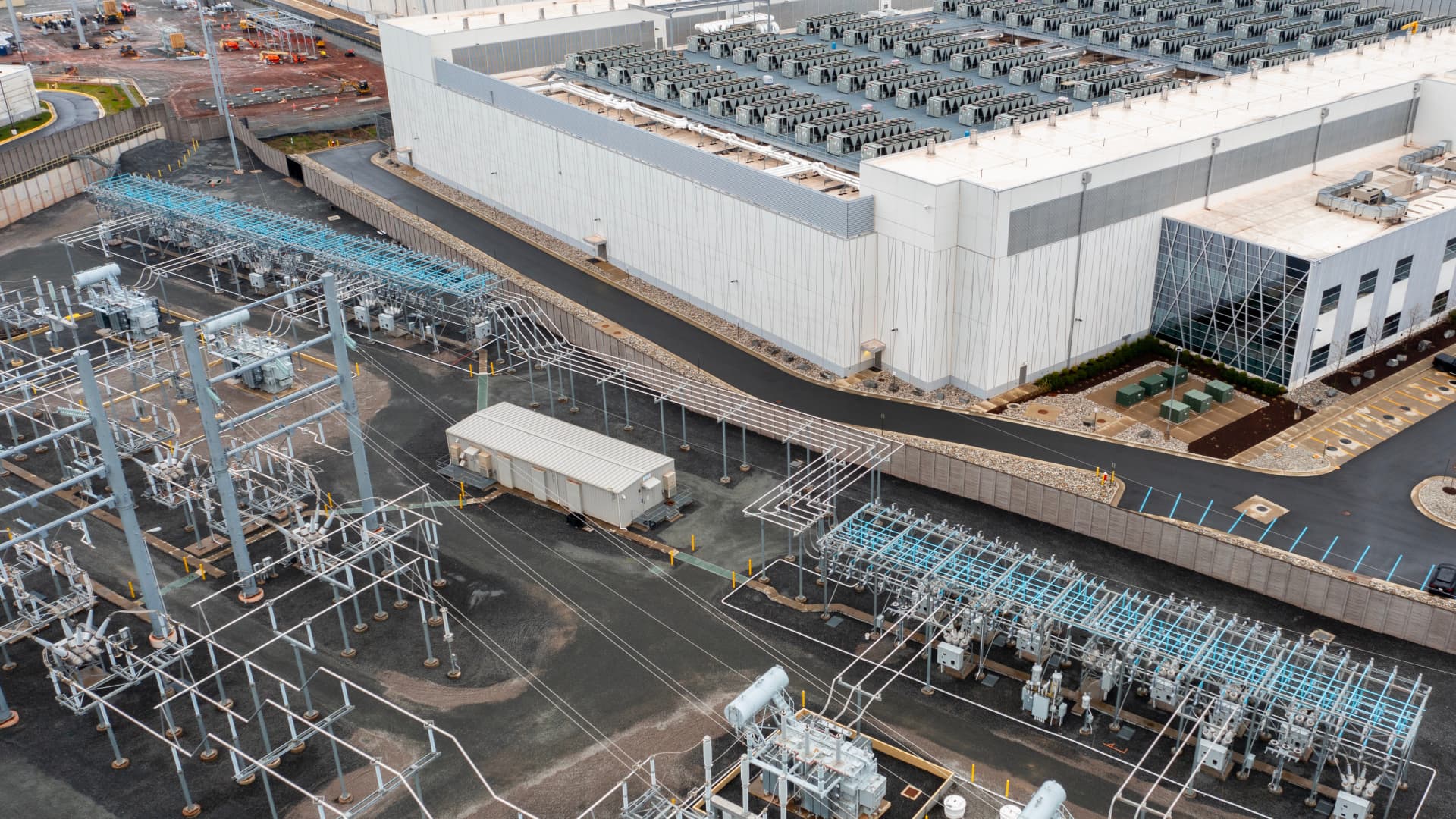
- Citizenship Achievement: Berkshire Hathaway CEO Greg Abel was sworn in as a U.S. citizen during a baseball game in Iowa, marking a significant transition from his Canadian citizenship and reflecting his pursuit of the American dream.
- Wealth Background: With an estimated net worth of around $1 billion, Abel leads a company valued at over $1 trillion, and while he generally maintains a low profile, this event highlights the intersection of his personal achievements and the company's stature.
- Naturalization Ceremony: The ceremony, hosted by the Iowa Cubs, welcomed 533 new citizens, showcasing America's welcoming nature towards immigrants, with Abel's participation further enhancing this symbolic significance.
- Market Implications: Abel's new citizenship may influence Berkshire Hathaway's future market strategies, particularly regarding its potential inclusion in the Dow Jones Industrial Average, reflecting the company's growing importance and impact in the financial markets.
See More
Surge in Demand for GE Vernova Gas Turbines Amid AI Boom

- Order Backlog: GE Vernova's gas turbine orders are filled through 2029, with some extending to 2031, indicating robust demand driven by AI data centers, which is expected to enhance the company's revenue and market share significantly.
- Production Expansion: The factory is ramping up production, having hired 200 workers last year and expecting to add another 300 by year-end, demonstrating the company's proactive approach to meet surging market demand and enhance production capacity.
- Technological Innovation: GE Vernova's turbines stand 31 feet tall and weigh 280 tons, with each capable of powering approximately 500,000 homes, and their efficiency is double that of models produced 20 years ago, showcasing the company's commitment to sustainability and technological advancement, thereby strengthening its competitive edge.
- Price Surge: The price of gas turbines has soared by 300% over the past three years, with individual units costing over $250 million, reflecting the rising AI capital expenditure budgets and contributing to GE Vernova's stock price increase of nearly 60% in the last six months.
See More

Amazon Explores Sale of Trainium Chips Amid Rising AI Demand


- Rising Market Demand: Amazon is considering selling its Trainium line of ASIC chips to other data centers, indicating a growing demand for custom AI chips, which could provide new revenue streams and further solidify its position in the AI market.
- Strong Performance by Broadcom: In Q2 of fiscal year 2026, Broadcom's revenue increased by 48% year-over-year to $22.2 billion, with its AI chip business posting sales of $10.8 billion, up 143%, showcasing robust performance and future growth potential in the AI chip sector.
- Positive Outlook for Marvell: Marvell's revenue reached an all-time high of $2.4 billion in Q1 of fiscal year 2027, up 28% year-over-year, with data center revenue accounting for 76% of total revenue, indicating strong financial performance and optimistic prospects amid rising AI chip demand.
- Investment Opportunities Emerging: With companies like Alphabet projected to significantly increase capital expenditures in 2027, both Broadcom and Marvell stand to benefit, making them attractive investment options for those looking to capitalize on long-term growth in the AI chip market.
See More
Surge in Demand for Custom AI Chips
- Significant Revenue Growth: In Q2 of fiscal 2026, Broadcom reported revenue of $22.2 billion, a 48% year-over-year increase, with its AI chip sales reaching $10.8 billion, up 143%, indicating strong market demand and the company's competitive edge in this sector.
- Optimistic Outlook: Broadcom anticipates over 200% year-over-year growth in its AI chip business for Q3 of fiscal 2026, highlighting its advantageous position in the rapidly expanding custom AI chip market, despite a stock price drop due to market reactions.
- Market Share Competition: While Broadcom dominates the custom AI ASIC market with nearly $11 billion in revenue, Marvell also shows strong performance with partnerships with Amazon and Microsoft, achieving $2.4 billion in revenue for Q1 of fiscal 2027, a 28% increase, reflecting robust growth potential.
- Increased Capital Expenditure: As major tech companies like Alphabet project significant increases in capital expenditures for 2027, both Broadcom and Marvell are poised to benefit from this trend, further driving their growth and profitability in the AI chip market.
See More
Heated Rivalry Sparks Surge in Female Viewership
- Female Viewership Surge: HBO Max's 'Heated Rivalry' attracted approximately two-thirds female viewers, highlighting the show's strong appeal among women and pushing LGBTQ+ media further into the mainstream.
- Social Media Buzz: Over 900,000 TikTok posts related to 'fujoshi' indicate a surge in female interest in male-male romance stories, enhancing the subculture's visibility in the U.S.
- Growing Market Demand: According to Nielsen, 61% of viewers for the 2023 political romcom 'Red, White & Royal Blue' were women, reflecting an increasing demand for such content, which may drive the production of more related works.
- Cultural Phenomenon: The success of 'Heated Rivalry' and similar works has significantly raised female readers' interest in male-male romance novels, marking the rise of this subculture and potentially influencing future creative directions in film and television.
See More
Surge in Demand for GE Vernova Gas Turbines Amid AI Boom
- Production Expansion: GE Vernova's gas turbine plant in Greenville, South Carolina, hired 200 workers last year and plans to add 300 more by year-end, reflecting strong demand driven by AI data centers.
- Market Demand: The company's order book is full through 2029, with expectations extending into 2030 and 2031, indicating a surge in power needs driven by AI applications, particularly from major tech firms like Microsoft and Amazon.
- Price Surge: The cost of a gas turbine exceeds $250 million, with prices soaring 300% over the past three years, highlighting the increase in AI capital expenditure budgets, which has positively impacted GE Vernova's stock by nearly 60%.
- Sustainability Efforts: GE Vernova is focused on enhancing the environmental performance of its turbines, with current models being twice as efficient as those produced 20 years ago, addressing public pushback against data center development and environmental concerns.
See More
Berkshire CEO Greg Abel Becomes U.S. Citizen
- Citizenship Achievement: Berkshire Hathaway CEO Greg Abel was sworn in as a U.S. citizen during a baseball game in Iowa, marking a significant transition from his Canadian citizenship and reflecting his pursuit of the American dream.
- Wealth Background: With an estimated net worth of around $1 billion, Abel leads a company valued at over $1 trillion, and while he generally maintains a low profile, this event highlights the intersection of his personal achievements and the company's stature.
- Naturalization Ceremony: The ceremony, hosted by the Iowa Cubs, welcomed 533 new citizens, showcasing America's welcoming nature towards immigrants, with Abel's participation further enhancing this symbolic significance.
- Market Implications: Abel's new citizenship may influence Berkshire Hathaway's future market strategies, particularly regarding its potential inclusion in the Dow Jones Industrial Average, reflecting the company's growing importance and impact in the financial markets.
See More
Surge in Demand for GE Vernova Gas Turbines Amid AI Boom
- Order Backlog: GE Vernova's gas turbine orders are filled through 2029, with some extending to 2031, indicating robust demand driven by AI data centers, which is expected to enhance the company's revenue and market share significantly.
- Production Expansion: The factory is ramping up production, having hired 200 workers last year and expecting to add another 300 by year-end, demonstrating the company's proactive approach to meet surging market demand and enhance production capacity.
- Technological Innovation: GE Vernova's turbines stand 31 feet tall and weigh 280 tons, with each capable of powering approximately 500,000 homes, and their efficiency is double that of models produced 20 years ago, showcasing the company's commitment to sustainability and technological advancement, thereby strengthening its competitive edge.
- Price Surge: The price of gas turbines has soared by 300% over the past three years, with individual units costing over $250 million, reflecting the rising AI capital expenditure budgets and contributing to GE Vernova's stock price increase of nearly 60% in the last six months.
See More
Amazon Explores Sale of Trainium Chips Amid Rising AI Demand
- Rising Market Demand: Amazon is considering selling its Trainium line of ASIC chips to other data centers, indicating a growing demand for custom AI chips, which could provide new revenue streams and further solidify its position in the AI market.
- Strong Performance by Broadcom: In Q2 of fiscal year 2026, Broadcom's revenue increased by 48% year-over-year to $22.2 billion, with its AI chip business posting sales of $10.8 billion, up 143%, showcasing robust performance and future growth potential in the AI chip sector.
- Positive Outlook for Marvell: Marvell's revenue reached an all-time high of $2.4 billion in Q1 of fiscal year 2027, up 28% year-over-year, with data center revenue accounting for 76% of total revenue, indicating strong financial performance and optimistic prospects amid rising AI chip demand.
- Investment Opportunities Emerging: With companies like Alphabet projected to significantly increase capital expenditures in 2027, both Broadcom and Marvell stand to benefit, making them attractive investment options for those looking to capitalize on long-term growth in the AI chip market.
See More
Surge in Demand for Custom AI Chips
- Significant Revenue Growth: In Q2 of fiscal 2026, Broadcom reported revenue of $22.2 billion, a 48% year-over-year increase, with its AI chip sales reaching $10.8 billion, up 143%, indicating strong market demand and the company's competitive edge in this sector.
- Optimistic Outlook: Broadcom anticipates over 200% year-over-year growth in its AI chip business for Q3 of fiscal 2026, highlighting its advantageous position in the rapidly expanding custom AI chip market, despite a stock price drop due to market reactions.
- Market Share Competition: While Broadcom dominates the custom AI ASIC market with nearly $11 billion in revenue, Marvell also shows strong performance with partnerships with Amazon and Microsoft, achieving $2.4 billion in revenue for Q1 of fiscal 2027, a 28% increase, reflecting robust growth potential.
- Increased Capital Expenditure: As major tech companies like Alphabet project significant increases in capital expenditures for 2027, both Broadcom and Marvell are poised to benefit from this trend, further driving their growth and profitability in the AI chip market.
See More