Gold Rises More Than 1%; Quantum Computing Stocks Drop


U.S. Stock Market Performance: U.S. stocks showed mostly positive movement, with the Nasdaq Composite gaining over 50 points, while the Dow and S&P 500 also saw slight increases. Information technology shares rose by 0.4%, but consumer staples stocks fell by 0.5%.
Major Acquisitions and Stock Movements: Pfizer announced its acquisition of Metsera to enhance its portfolio for obesity and cardiometabolic diseases. Notable stock surges included AgriFORCE Growing Systems up 157% and Qualigen Therapeutics up 141%, while Chijet Motor Company and Cosan S.A. experienced significant declines.
Commodity Market Updates: Oil prices decreased by 0.7%, while gold and silver saw increases of 1.3% and 2.1%, respectively. Copper prices fell by 0.4%.
International Market Trends: European shares mostly declined, with the eurozone's STOXX 600 down 0.26%. Asian markets had mixed results, with Japan's Nikkei gaining 0.99% and Hong Kong's Hang Seng dropping 0.76%.
Trade with 70% Backtested Accuracy
Analyst Views on CSAN

About CSAN
About the author

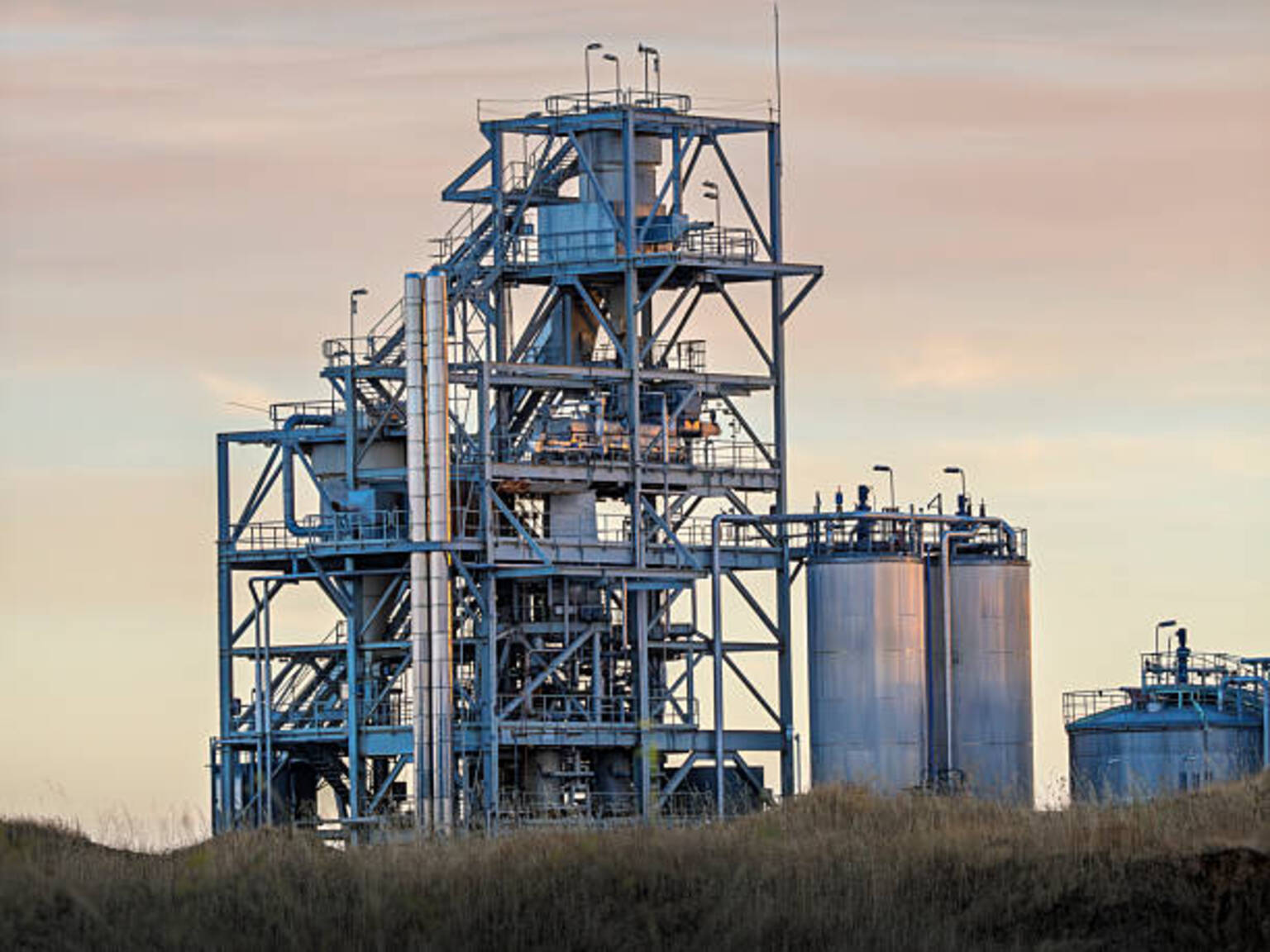
Raizen Reaches Out-of-Court Debt Restructuring Agreement


- Debt Restructuring Agreement: Raizen has reached an out-of-court debt restructuring agreement with creditors and bondholders covering approximately 65 billion reais ($12.6 billion), marking a crucial step in the company's efforts to improve its capital structure under high debt pressure.
- Creditor Support: Creditors holding 47% of the company's debt agreed to the restructuring, surpassing the one-third legal threshold required to initiate proceedings, thereby suspending debt obligations and granting Raizen 90 days to secure buy-in from remaining creditors for a more comprehensive plan.
- Market Environment Challenges: Once Brazil's leading biofuels producer, Raizen faces multiple challenges including high interest rates, weaker harvests, and heavy investments that have yet to yield returns, resulting in strained cash flow and increased debt burden, necessitating restructuring to restore financial health.
- Future Outlook: The successful completion of this restructuring agreement provides Raizen with breathing room, and if it can secure support from remaining creditors, it will help the company reposition itself in a competitive market and restore profitability.

Cosan SA Reports Q4 2025 Earnings and Strategic Developments
- Financial Performance Overview: Cosan SA reported a managed EBITDA of BRL 7.8 billion for Q4 2025 and BRL 26.5 billion for the full year, reflecting a decline from 2024, indicating challenges in profitability.
- Debt Management Success: The company successfully reduced its expanded net debt by nearly BRL 14 billion to BRL 9.8 billion, showcasing effective debt management strategies that help improve financial health.
- Market Share Growth: Moove achieved a market share of 14.5% in Brazil and fully recovered its production capacity after a fire, demonstrating strong resilience in market competition.
- Capital Structure Optimization: Cosan raised over BRL 22 billion from capital markets to strengthen its capital structure and reduce leverage, actively seeking solutions despite challenges from Raizen's underperformance.
Cosan Reports 8% Revenue Decline in FY Earnings
- Earnings Highlights: Cosan's FY GAAP EPS stands at BRL 3.94, indicating a decent per-share performance; however, total revenue of BRL 40.42 million reflects an 8% year-over-year decline, highlighting pressures in the competitive market landscape.
- Revenue Decline Reasons: The revenue drop is primarily attributed to operational struggles at sugar producer Raizen, as Cosan's talks with Shell to rescue the struggling entity fell through, adversely impacting the company's overall performance.
- Shell Investment Dynamics: Shell is set to invest $666 million in Raizen to bolster its ethanol production capabilities in Brazil, although this move did not save Cosan's revenue, it underscores ongoing market interest in renewable energy.
- Market Outlook: Despite current challenges, Cosan's financial data still indicates some profitability, and future focus will be on how the company adjusts its strategy to navigate market changes and restore growth.
S&P Lowers Cosan's Rating to 'BB-' from 'BB' and Puts It on Negative CreditWatch
S&P Downgrades: The S&P has downgraded the credit rating of a company from 'BB' to a lower grade.
Credit Watch: The company has been placed on credit watch with a negative outlook, indicating potential further downgrades.

Shell and Cosan Fail to Reach Financing Agreement, Raízen Faces Debt Crisis
- Failed Financing Agreement: Shell (SHEL) and Cosan (CSAN) could not agree on a financing plan for Raízen, leaving the joint venture in a precarious debt crisis, highlighting the significant divergence in their capital injection strategies.
- Shell's Investment Commitment: Shell has committed to investing 3.5 billion reais (approximately $666 million) in Raízen and expects another shareholder to match this amount, yet Cosan's inability to match this financial scale complicates the situation further.
- Increased Debt Pressure: Creditors are pressuring Shell and Cosan to inject up to 12 billion reais, arguing that both companies have sufficient cash flow to support Raízen's recovery, reflecting market concerns about their financial health.
- Shell's Future Plans: Shell is expected to present its own plan to banks, which, if successful, would make it the majority owner of Raízen and require it to absorb Raízen's debt into its balance sheet, significantly impacting its financial position.

Shell Commits $666M to Support Raizen Ethanol Producer
- Investment Commitment: Shell (SHEL) has pledged approximately 3.5 billion Brazilian reais ($666 million) to Raizen, an ethanol producer co-owned with Cosan (CSAN), aiming to address challenges such as high interest rates and poor harvests faced by Raizen.
- Funding Needs: As one of the world's largest ethanol producers, Raizen is seeking new funding to cope with a series of investments that have yet to yield significant returns, and Shell's capital injection will provide essential financial support.
- Restructuring Possibility: Shell's executive Cristiano Pinto da Costa indicated that while the company is open to restructuring Raizen's sugar and ethanol businesses separately from its fuel distribution operations, the preferred approach is to first recapitalize the company to enhance financial stability.
- Geopolitical Opportunity: Pinto da Costa noted that the ongoing U.S.-Israeli conflict presents Brazil with an
Raizen Reaches Out-of-Court Debt Restructuring Agreement
- Debt Restructuring Agreement: Raizen has reached an out-of-court debt restructuring agreement with creditors and bondholders covering approximately 65 billion reais ($12.6 billion), marking a crucial step in the company's efforts to improve its capital structure under high debt pressure.
- Creditor Support: Creditors holding 47% of the company's debt agreed to the restructuring, surpassing the one-third legal threshold required to initiate proceedings, thereby suspending debt obligations and granting Raizen 90 days to secure buy-in from remaining creditors for a more comprehensive plan.
- Market Environment Challenges: Once Brazil's leading biofuels producer, Raizen faces multiple challenges including high interest rates, weaker harvests, and heavy investments that have yet to yield returns, resulting in strained cash flow and increased debt burden, necessitating restructuring to restore financial health.
- Future Outlook: The successful completion of this restructuring agreement provides Raizen with breathing room, and if it can secure support from remaining creditors, it will help the company reposition itself in a competitive market and restore profitability.
Cosan SA Reports Q4 2025 Earnings and Strategic Developments
- Financial Performance Overview: Cosan SA reported a managed EBITDA of BRL 7.8 billion for Q4 2025 and BRL 26.5 billion for the full year, reflecting a decline from 2024, indicating challenges in profitability.
- Debt Management Success: The company successfully reduced its expanded net debt by nearly BRL 14 billion to BRL 9.8 billion, showcasing effective debt management strategies that help improve financial health.
- Market Share Growth: Moove achieved a market share of 14.5% in Brazil and fully recovered its production capacity after a fire, demonstrating strong resilience in market competition.
- Capital Structure Optimization: Cosan raised over BRL 22 billion from capital markets to strengthen its capital structure and reduce leverage, actively seeking solutions despite challenges from Raizen's underperformance.
Cosan Reports 8% Revenue Decline in FY Earnings
- Earnings Highlights: Cosan's FY GAAP EPS stands at BRL 3.94, indicating a decent per-share performance; however, total revenue of BRL 40.42 million reflects an 8% year-over-year decline, highlighting pressures in the competitive market landscape.
- Revenue Decline Reasons: The revenue drop is primarily attributed to operational struggles at sugar producer Raizen, as Cosan's talks with Shell to rescue the struggling entity fell through, adversely impacting the company's overall performance.
- Shell Investment Dynamics: Shell is set to invest $666 million in Raizen to bolster its ethanol production capabilities in Brazil, although this move did not save Cosan's revenue, it underscores ongoing market interest in renewable energy.
- Market Outlook: Despite current challenges, Cosan's financial data still indicates some profitability, and future focus will be on how the company adjusts its strategy to navigate market changes and restore growth.
S&P Lowers Cosan's Rating to 'BB-' from 'BB' and Puts It on Negative CreditWatch
S&P Downgrades: The S&P has downgraded the credit rating of a company from 'BB' to a lower grade.
Credit Watch: The company has been placed on credit watch with a negative outlook, indicating potential further downgrades.
Shell and Cosan Fail to Reach Financing Agreement, Raízen Faces Debt Crisis
- Failed Financing Agreement: Shell (SHEL) and Cosan (CSAN) could not agree on a financing plan for Raízen, leaving the joint venture in a precarious debt crisis, highlighting the significant divergence in their capital injection strategies.
- Shell's Investment Commitment: Shell has committed to investing 3.5 billion reais (approximately $666 million) in Raízen and expects another shareholder to match this amount, yet Cosan's inability to match this financial scale complicates the situation further.
- Increased Debt Pressure: Creditors are pressuring Shell and Cosan to inject up to 12 billion reais, arguing that both companies have sufficient cash flow to support Raízen's recovery, reflecting market concerns about their financial health.
- Shell's Future Plans: Shell is expected to present its own plan to banks, which, if successful, would make it the majority owner of Raízen and require it to absorb Raízen's debt into its balance sheet, significantly impacting its financial position.
Shell Commits $666M to Support Raizen Ethanol Producer
- Investment Commitment: Shell (SHEL) has pledged approximately 3.5 billion Brazilian reais ($666 million) to Raizen, an ethanol producer co-owned with Cosan (CSAN), aiming to address challenges such as high interest rates and poor harvests faced by Raizen.
- Funding Needs: As one of the world's largest ethanol producers, Raizen is seeking new funding to cope with a series of investments that have yet to yield significant returns, and Shell's capital injection will provide essential financial support.
- Restructuring Possibility: Shell's executive Cristiano Pinto da Costa indicated that while the company is open to restructuring Raizen's sugar and ethanol businesses separately from its fuel distribution operations, the preferred approach is to first recapitalize the company to enhance financial stability.
- Geopolitical Opportunity: Pinto da Costa noted that the ongoing U.S.-Israeli conflict presents Brazil with an