Global Chip Market Experiences Significant Decline
Written by Emily J. Thompson, Senior Investment Analyst
Updated: Jun 06 2026
0mins

Source: Yahoo Finance
- Global Market Reaction: The global chip market experienced a significant downturn due to the combined effects of Broadcom's earnings miss and a stronger-than-expected jobs report, with South Korea's Kospi index falling 5.5%, Samsung down 6.4%, and SK Hynix nearly 10%, indicating market concerns over the semiconductor sector's outlook.
- Expectation Reset: Broadcom's guidance miss reset expectations for hyperscaler AI chip spending, weakening the sector's primary growth catalyst and increasing uncertainty regarding future interest rate policies, as indicated by CME FedWatch's rising rate hike risks by year-end.
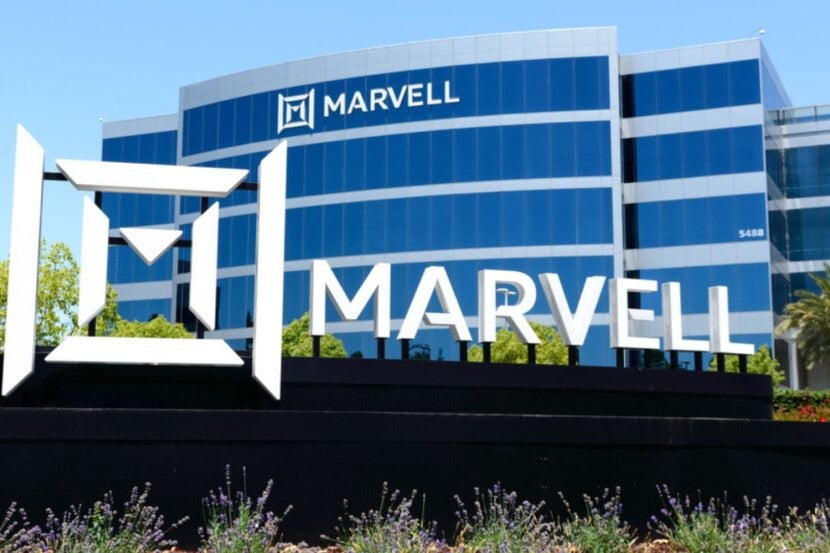
- Increased Stock Volatility: Marvell Technology's shares fell 7.9%, and IPG Photonics dropped 7.5%, reflecting market apprehension about semiconductor companies' future profitability, despite Marvell recently reporting record Q1 revenue of $2.418 billion, a 28% year-over-year increase.
- Investment Opportunity Analysis: Despite the market's severe reaction, Marvell has surged 223% since the beginning of the year, with its current price nearing a 52-week high, suggesting that high-quality stocks remain attractive amid market volatility, as evidenced by a $1,000 investment five years ago now worth $5,990.
Trade with 70% Backtested Accuracy
Stop guessing "Should I Buy AVGO?" and start using high-conviction signals backed by rigorous historical data.
Sign up today to access powerful investing tools and make smarter, data-driven decisions.
Analyst Views on AVGO
Wall Street analysts forecast AVGO stock price to rise
30 Analyst Rating
29 Buy
1 Hold
0 Sell
Strong Buy
Current: 369.340

Low
370.00
Averages
457.75
High
525.00
Current: 369.340
Low
370.00
Averages
457.75
High
525.00
About AVGO
Broadcom Inc. is a global technology firm that designs, develops, and supplies a range of semiconductors, enterprise software and security solutions. The Company operates through two segments: semiconductor solutions and infrastructure software. Its semiconductor solutions segment includes all of its product lines and intellectual property (IP) licensing. It provides a variety of radio frequency semiconductor devices, wireless connectivity solutions, custom touch controllers, and inductive charging solutions for mobile applications. Its infrastructure software segment includes its private and hybrid cloud, application development and delivery, software-defined edge, application networking and security, mainframe, distributed and cybersecurity solutions, and its FC SAN business. It provides a portfolio of software solutions that enable customers to plan, develop, automate, manage and secure applications across mainframe, distributed, mobile and cloud platforms.
About the author

Emily J. Thompson
Emily J. Thompson, a Chartered Financial Analyst (CFA) with 12 years in investment research, graduated with honors from the Wharton School. Specializing in industrial and technology stocks, she provides in-depth analysis for Intellectia’s earnings and market brief reports.

SpaceX Valuation Exceeds $2 Trillion, Investors Should Exercise Caution


- Market Dominance: As the leading space launch company globally, SpaceX maintains a strong position despite facing a few competitors, which continues to attract significant investor interest.
- AI Market Potential: The company's pivot into the $26.5 trillion artificial intelligence market presents massive growth opportunities; however, its current valuation reflects high future growth expectations, posing risks for investors.
- Financial Data Analysis: With $19.3 billion in revenue and $7.1 billion in operating cash flow over the past 12 months, these figures seem solid, yet they starkly contrast with SpaceX's $2.1 trillion valuation, indicating market over-optimism regarding future growth.
- Profitability Challenges: Even if SpaceX's revenue and cash flow were to grow tenfold, it would still fall short of matching other giants like Meta and Microsoft, suggesting that investors should exercise caution until a clear growth pathway is demonstrated to justify such a high valuation.
See More
Credo Technology Group Sees Growth Potential in AECs

- Growing Market Demand: Credo Technology Group identifies Active Electrical Cables (AECs) as a primary growth driver, as the increasing demand for reliable and power-efficient connectivity in AI infrastructure positions AECs as the preferred choice for multi-rack deployments, likely enhancing the company's market share in the future.
- Significant Technical Advantage: Credo's ZeroFlap AECs offer up to 1,000 times greater reliability than conventional laser-based optical modules while consuming significantly less power, a crucial advantage in environments where network downtime can delay AI deployments, thereby reinforcing its market position.
- Optimistic Financial Outlook: Management anticipates over 80% year-over-year revenue growth for fiscal 2027, with optical products expected to contribute more than $600 million, showcasing strong growth potential in both optical and copper portfolios, particularly through the ongoing adoption of AECs.
- Outstanding Industry Performance: CRDO shares have surged 136.1% over the past three months, significantly outperforming the 40.5% growth in the electronics-semiconductors sector, reflecting strong market confidence in its future development, with a current price/sales ratio of 17.75, well above the industry average of 8.99.
See More

Broadcom Faces Competitive Pressure in AI Chip Market

- Stock Decline: Following reports of AI company Anthropic collaborating with Samsung on next-generation AI chips, Broadcom's shares fell over 2% by the end of the trading session, indicating market concerns about its future prospects.
- Increased Competition: Although Anthropic's chip development is still in its early stages, the market's reaction suggests heightened sensitivity to competition in the AI chip sector, particularly against major players like Alphabet and OpenAI.
- Strong Market Position: Despite emerging competition, Broadcom maintains a robust market position and a generally positive reputation as an AI chipmaker, demonstrating resilience in a high-demand environment.
- Cautious Investor Sentiment: Investors' reactions to Broadcom are not solely based on perceived threats from Anthropic but also serve as a reminder of the efforts of other large tech companies in the AI chip space, highlighting market concerns about future competition.
See More

Investment Comparison Between Broadcom and ON Semiconductor

- Broadcom Financial Performance: In FY 2025, Broadcom's revenue reached nearly $63.9 billion, reflecting a growth of approximately 23.9%, with a net income of about $23.1 billion and a net margin of 36.2%, indicating strong demand in cloud computing and AI sectors.
- ON Semiconductor Market Challenges: ON Semiconductor reported nearly $6.0 billion in revenue for FY 2025, a decline of 15.3%, with a net income of only $121 million and a net margin of 2%, highlighting its heavy reliance on the automotive market and the impact of market fluctuations.
- Financial Health Comparison: Broadcom's current ratio stands at approximately 1.7, indicating solid short-term debt coverage, while ON Semiconductor boasts a current ratio of 4.5, showcasing its strong ability to meet short-term obligations; however, Broadcom's debt-to-equity ratio of 0.8 suggests moderate reliance on borrowed funds.
- Acquisition Risks and Market Outlook: ON Semiconductor's plan to acquire Synaptics for about $7 billion aims to enhance its exposure to physical AI and AI-enabled devices, but this introduces integration risks, whereas Broadcom is expected to continue attracting investor interest in 2026 due to its robust performance in AI and data centers.
See More
Comparative Analysis of Broadcom and ON Semiconductor
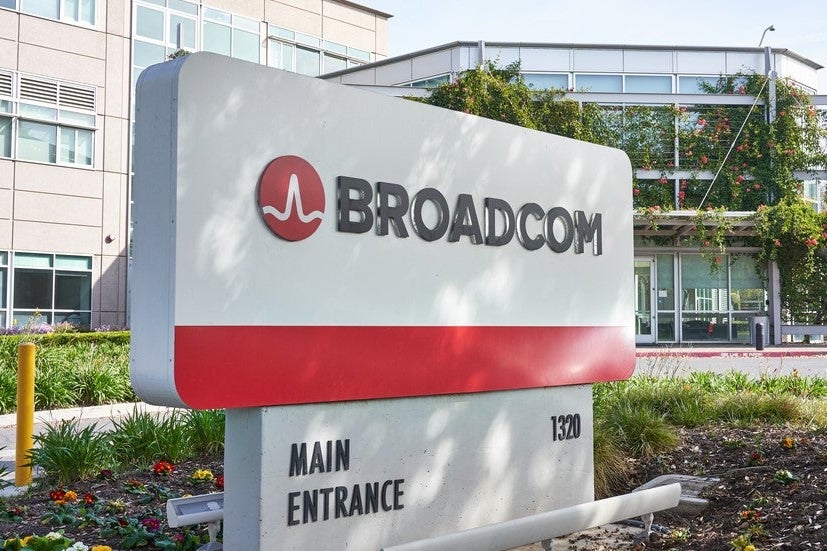
- Broadcom Financial Performance: In FY 2025, Broadcom's revenue reached nearly $63.9 billion, reflecting a growth rate of approximately 23.9%, with a net income of about $23.1 billion and a net margin of 36.2%, showcasing strong growth driven by demand for AI-related semiconductor solutions.
- ON Semiconductor Market Challenges: ON Semiconductor reported nearly $6.0 billion in revenue for FY 2025, a decline of 15.3% year-over-year, resulting in a net income of approximately $121 million and a net margin of 2.0%, highlighting its heavy reliance on the automotive sector amid market fluctuations.
- Financial Health Comparison: Broadcom's current ratio stands at approximately 1.7, indicating solid short-term liquidity, while ON Semiconductor boasts a high current ratio of 4.5, reflecting strong short-term debt management; however, their debt-to-equity ratios are 0.8 and 0.5 respectively, indicating different levels of financial leverage.
- Industry Outlook and Risks: Broadcom benefits from robust demand in AI and data centers, enhancing its profitability and cash flow, yet its 40% revenue concentration among top customers poses risks; ON Semiconductor faces cyclical downturns in the automotive sector, and the Synaptics acquisition introduces potential integration risks.
See More

U.S. Inflation Rate Hits Three-Year High

- Inflation Surge: The U.S. inflation rate rose 4.2% year-over-year in May, marking a three-year high and significantly exceeding the Fed's 2% target, which may compel the Fed to raise rates again, impacting investor sentiment towards high-growth AI stocks.
- Nvidia's Market Position: As the world's largest producer of data center GPUs, Nvidia locks in customers through its proprietary CUDA platform, with analysts projecting revenue and EPS growth at a CAGR of 46% by fiscal 2029, despite competitive pressures from AMD and others.
- CoreWeave Expansion: CoreWeave has expanded from three data centers at the end of 2022 to 49 today, leveraging Nvidia's GPUs to provide AI infrastructure services, with revenue expected to grow at a 99% CAGR from 2025 to 2028, making its stock appear undervalued despite current unprofitability.
- Broadcom's AI Chip Growth: Broadcom's AI chip sales soared 65% to $20 billion in fiscal 2025, with projections to reach at least $100 billion by fiscal 2027, accounting for 58% of projected revenue, indicating strong growth potential, suggesting investors should accumulate shares on price dips.
See More
SpaceX Valuation Exceeds $2 Trillion, Investors Should Exercise Caution
- Market Dominance: As the leading space launch company globally, SpaceX maintains a strong position despite facing a few competitors, which continues to attract significant investor interest.
- AI Market Potential: The company's pivot into the $26.5 trillion artificial intelligence market presents massive growth opportunities; however, its current valuation reflects high future growth expectations, posing risks for investors.
- Financial Data Analysis: With $19.3 billion in revenue and $7.1 billion in operating cash flow over the past 12 months, these figures seem solid, yet they starkly contrast with SpaceX's $2.1 trillion valuation, indicating market over-optimism regarding future growth.
- Profitability Challenges: Even if SpaceX's revenue and cash flow were to grow tenfold, it would still fall short of matching other giants like Meta and Microsoft, suggesting that investors should exercise caution until a clear growth pathway is demonstrated to justify such a high valuation.
See More
Credo Technology Group Sees Growth Potential in AECs
- Growing Market Demand: Credo Technology Group identifies Active Electrical Cables (AECs) as a primary growth driver, as the increasing demand for reliable and power-efficient connectivity in AI infrastructure positions AECs as the preferred choice for multi-rack deployments, likely enhancing the company's market share in the future.
- Significant Technical Advantage: Credo's ZeroFlap AECs offer up to 1,000 times greater reliability than conventional laser-based optical modules while consuming significantly less power, a crucial advantage in environments where network downtime can delay AI deployments, thereby reinforcing its market position.
- Optimistic Financial Outlook: Management anticipates over 80% year-over-year revenue growth for fiscal 2027, with optical products expected to contribute more than $600 million, showcasing strong growth potential in both optical and copper portfolios, particularly through the ongoing adoption of AECs.
- Outstanding Industry Performance: CRDO shares have surged 136.1% over the past three months, significantly outperforming the 40.5% growth in the electronics-semiconductors sector, reflecting strong market confidence in its future development, with a current price/sales ratio of 17.75, well above the industry average of 8.99.
See More
Broadcom Faces Competitive Pressure in AI Chip Market
- Stock Decline: Following reports of AI company Anthropic collaborating with Samsung on next-generation AI chips, Broadcom's shares fell over 2% by the end of the trading session, indicating market concerns about its future prospects.
- Increased Competition: Although Anthropic's chip development is still in its early stages, the market's reaction suggests heightened sensitivity to competition in the AI chip sector, particularly against major players like Alphabet and OpenAI.
- Strong Market Position: Despite emerging competition, Broadcom maintains a robust market position and a generally positive reputation as an AI chipmaker, demonstrating resilience in a high-demand environment.
- Cautious Investor Sentiment: Investors' reactions to Broadcom are not solely based on perceived threats from Anthropic but also serve as a reminder of the efforts of other large tech companies in the AI chip space, highlighting market concerns about future competition.
See More
Investment Comparison Between Broadcom and ON Semiconductor
- Broadcom Financial Performance: In FY 2025, Broadcom's revenue reached nearly $63.9 billion, reflecting a growth of approximately 23.9%, with a net income of about $23.1 billion and a net margin of 36.2%, indicating strong demand in cloud computing and AI sectors.
- ON Semiconductor Market Challenges: ON Semiconductor reported nearly $6.0 billion in revenue for FY 2025, a decline of 15.3%, with a net income of only $121 million and a net margin of 2%, highlighting its heavy reliance on the automotive market and the impact of market fluctuations.
- Financial Health Comparison: Broadcom's current ratio stands at approximately 1.7, indicating solid short-term debt coverage, while ON Semiconductor boasts a current ratio of 4.5, showcasing its strong ability to meet short-term obligations; however, Broadcom's debt-to-equity ratio of 0.8 suggests moderate reliance on borrowed funds.
- Acquisition Risks and Market Outlook: ON Semiconductor's plan to acquire Synaptics for about $7 billion aims to enhance its exposure to physical AI and AI-enabled devices, but this introduces integration risks, whereas Broadcom is expected to continue attracting investor interest in 2026 due to its robust performance in AI and data centers.
See More
Comparative Analysis of Broadcom and ON Semiconductor
- Broadcom Financial Performance: In FY 2025, Broadcom's revenue reached nearly $63.9 billion, reflecting a growth rate of approximately 23.9%, with a net income of about $23.1 billion and a net margin of 36.2%, showcasing strong growth driven by demand for AI-related semiconductor solutions.
- ON Semiconductor Market Challenges: ON Semiconductor reported nearly $6.0 billion in revenue for FY 2025, a decline of 15.3% year-over-year, resulting in a net income of approximately $121 million and a net margin of 2.0%, highlighting its heavy reliance on the automotive sector amid market fluctuations.
- Financial Health Comparison: Broadcom's current ratio stands at approximately 1.7, indicating solid short-term liquidity, while ON Semiconductor boasts a high current ratio of 4.5, reflecting strong short-term debt management; however, their debt-to-equity ratios are 0.8 and 0.5 respectively, indicating different levels of financial leverage.
- Industry Outlook and Risks: Broadcom benefits from robust demand in AI and data centers, enhancing its profitability and cash flow, yet its 40% revenue concentration among top customers poses risks; ON Semiconductor faces cyclical downturns in the automotive sector, and the Synaptics acquisition introduces potential integration risks.
See More
U.S. Inflation Rate Hits Three-Year High
- Inflation Surge: The U.S. inflation rate rose 4.2% year-over-year in May, marking a three-year high and significantly exceeding the Fed's 2% target, which may compel the Fed to raise rates again, impacting investor sentiment towards high-growth AI stocks.
- Nvidia's Market Position: As the world's largest producer of data center GPUs, Nvidia locks in customers through its proprietary CUDA platform, with analysts projecting revenue and EPS growth at a CAGR of 46% by fiscal 2029, despite competitive pressures from AMD and others.
- CoreWeave Expansion: CoreWeave has expanded from three data centers at the end of 2022 to 49 today, leveraging Nvidia's GPUs to provide AI infrastructure services, with revenue expected to grow at a 99% CAGR from 2025 to 2028, making its stock appear undervalued despite current unprofitability.
- Broadcom's AI Chip Growth: Broadcom's AI chip sales soared 65% to $20 billion in fiscal 2025, with projections to reach at least $100 billion by fiscal 2027, accounting for 58% of projected revenue, indicating strong growth potential, suggesting investors should accumulate shares on price dips.
See More