GEN INTRODUCES RELIABLE FINANCIAL INSIGHTS TO MICROSOFT'S COPILOT DISCOVER FEEDS
Written by Emily J. Thompson, Senior Investment Analyst
Updated: Apr 27 2026
0mins

Source: moomoo
Introduction to Copilot: Microsoft’s Copilot is an AI-powered tool designed to enhance productivity by integrating with various applications and providing intelligent assistance.
Functionality and Features: Copilot offers features such as generating text, summarizing information, and automating repetitive tasks, making it a valuable resource for users.
User Trust and Security: The introduction of trusted financial intelligence aims to ensure user data security and build confidence in the AI's capabilities.
Impact on Workflows: By streamlining workflows and improving efficiency, Copilot is expected to significantly change how users interact with technology in their daily tasks.
Trade with 70% Backtested Accuracy
Stop guessing "Should I Buy MSFT?" and start using high-conviction signals backed by rigorous historical data.
Sign up today to access powerful investing tools and make smarter, data-driven decisions.
Analyst Views on MSFT
Wall Street analysts forecast MSFT stock price to rise
34 Analyst Rating
32 Buy
2 Hold
0 Sell
Strong Buy
Current: 441.310

Low
500.00
Averages
631.36
High
678.00
Current: 441.310
Low
500.00
Averages
631.36
High
678.00
About MSFT
Microsoft Corporation is a technology company. The Company develops and supports software, services, devices, and solutions. The Company’s segments include Productivity and Business Processes, Intelligent Cloud, and More Personal Computing. The Productivity and Business Processes segment consists of products and services in its portfolio of productivity, communication, and information services. This segment primarily comprises: Office Commercial, Office Consumer, LinkedIn, and Dynamics business solutions. The Intelligent Cloud segment consists of server products and cloud services, including Azure and other cloud services, SQL Server, Windows Server, Visual Studio, System Center, and related Client Access Licenses (CALs), and Nuance and GitHub; and Enterprise Services, including enterprise support services, industry solutions and Nuance professional services. The More Personal Computing segment primarily comprises Windows, Devices, Gaming, and search and news advertising.
About the author

Emily J. Thompson
Emily J. Thompson, a Chartered Financial Analyst (CFA) with 12 years in investment research, graduated with honors from the Wharton School. Specializing in industrial and technology stocks, she provides in-depth analysis for Intellectia’s earnings and market brief reports.

Microsoft's AI Spending Plans Under Investor Scrutiny

- Investor Scrutiny: Microsoft's ambitious AI spending plans have drawn significant investor scrutiny, although its enterprise ecosystem may be strengthening, indicating a cautious market outlook on its future growth.
- Diversified Monetization: The company is leveraging multiple avenues to monetize AI through Azure, Copilot, Microsoft 365, GitHub, and security products, suggesting an expanding profit potential in both infrastructure and software sectors.
- Market Price Analysis: Stock prices as of May 23, 2026, raise questions about whether Microsoft is a buy at current levels, reflecting divergent views among investors regarding its future performance.
- Strategic Implications: Microsoft's AI investments not only represent a commitment to technological innovation but may also yield substantial revenue growth in the future, further solidifying its leadership position in the tech industry.
See More

Broadcom's Q2 Earnings Miss Expectations


- Revenue Miss: Broadcom reported adjusted earnings per share of $2.44, slightly above the $2.40 estimate, but revenue of $22.19 billion fell short of the $22.27 billion expected, indicating signs of demand slowdown in the semiconductor market.
- Strong AI Chip Demand: Despite the overall revenue miss, AI-related revenue more than doubled year-over-year to $10.8 billion, with expectations to reach $16 billion next quarter, reflecting the company's strong market position in the AI sector.
- Significant Net Income Growth: Broadcom's net income surged to $9.31 billion, an 88% increase from $4.97 billion a year earlier, showcasing the company's success in cost management and market demand.
- Software Revenue Below Expectations: The company reported $7.18 billion in infrastructure software revenue, a 9% year-over-year increase, but it fell short of the $7.32 billion expected by analysts, indicating ongoing competitive pressures in the software market.
See More
Nvidia's Massive Dividend Boost May Lead Tech Sector Shift

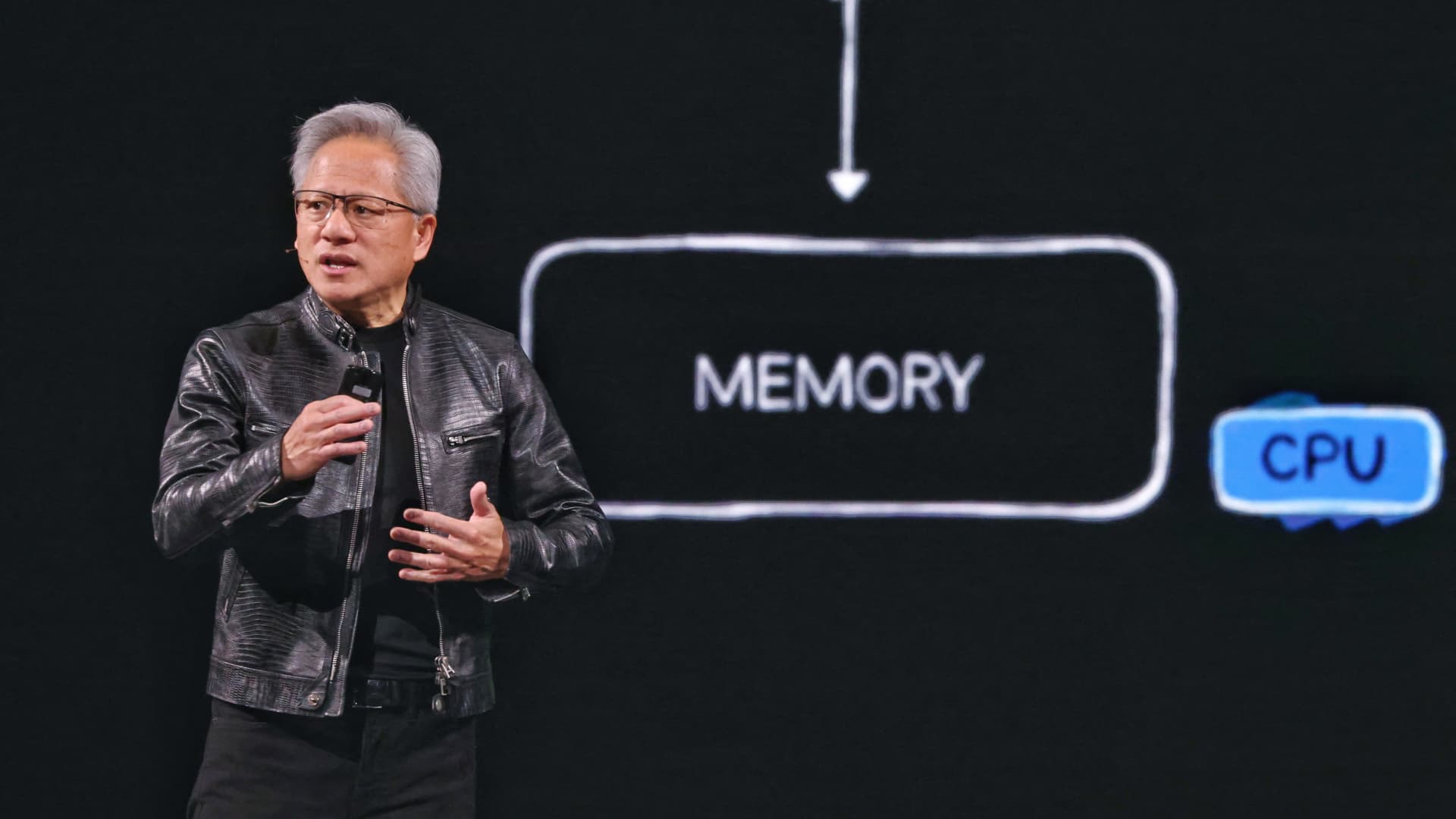
- Massive Dividend Increase: Nvidia's announcement to raise its quarterly dividend from $0.01 to $0.25, a staggering 2400% increase, not only showcases the company's robust cash flow driven by surging demand for AI chips but also sets a precedent that may encourage other major tech firms to adopt similar shareholder return strategies.
- Impact of Buyback Program: Alongside the dividend boost, Nvidia introduced an $80 billion share buyback program, which is expected to further bolster investor confidence and may prompt more tech companies to consider analogous capital return measures, potentially enhancing overall dividend growth in the coming years.
- Tech Sector Dividend Growth Outlook: Analysts predict that the majority of dividend growth in the next five years will stem from tech giants like Nvidia and Amazon, despite most tech stocks currently yielding under 1%; however, as cash flows increase, the pressure for shareholder returns is likely to rise.
- Market Reaction and Expectations: Nvidia's dividend hike triggered an uptick in dividend futures, reflecting market optimism regarding future dividend growth, with analysts suggesting that this could lead more companies to contemplate increasing dividends in the coming months, particularly against a backdrop of normalizing interest rates.
See More
Microsoft Accelerates AI Independence, Aiming for Industry Leadership

- AI Lab Ambitions: Microsoft AI chief Mustafa Suleyman stated the company's goal is to become one of the top four AI labs globally, indicating its ambition and the competitive pressure it faces, despite not yet achieving this status.
- Independent Development Strategy: By renegotiating its agreement with OpenAI, Microsoft has gained the ability to utilize its own intellectual property and data, allowing it to independently develop frontier AI systems and reduce reliance on external innovation, thereby enhancing its technological autonomy.
- Competitive Advantages: With a large customer base, robust Azure cloud infrastructure, and significant financial resources, Microsoft believes it has advantages in the AI competition that enable a longer-term approach, allowing for more prudent strategies compared to rivals chasing quick valuations.
- Market Sentiment Analysis: Although Microsoft's stock has declined nearly 9% year-to-date, retail investor sentiment remains optimistic, with a 452.6% surge in related discussions over the past 30 days, reflecting confidence in its future performance.
See More

US Stock Market Slides Amid Geopolitical Tensions


- Market Decline: The S&P 500 index fell by 0.40%, the Dow Jones Industrial Average dropped by 0.74%, and the Nasdaq 100 decreased by 0.08%, indicating market pressure due to escalating geopolitical tensions, particularly between the US and Iran.
- Rising Oil Prices: The WTI crude oil price surged over 1% to a 1.5-week high amid US-Iran clashes, which could further elevate inflation expectations and impact Federal Reserve monetary policy decisions.
- Strong Employment Data: The US May ADP employment change rose by 122,000, exceeding expectations of 120,000, indicating signs of economic recovery that may support the stock market, although the overall market remains weighed down by declines in software and cybersecurity stocks.
- Divergent Tech Stock Performance: Despite overall market pressure, Marvell Technology's stock rose over 7% following Nvidia CEO's prediction that it would reach a $1 trillion valuation, highlighting the supportive role of AI infrastructure spending on technology stocks.
See More

Microsoft Unveils New AI Models to Enhance Margins
- New AI Models Launched: Microsoft unveiled a suite of in-house AI models at Build, including MAI-Thinking-1 and MAI-Code-1-Flash, aimed at reducing reliance on third-party models and improving margins, showcasing the company's ongoing innovation in AI.
- Cloud Business Expansion: The number of global Azure data centers has surpassed 500, up from over 400 previously, indicating rapid growth in its cloud business, which is expected to enhance market competitiveness and customer service capabilities.
- Negative Market Reaction: Despite Wells Fargo maintaining an Overweight rating and a $650 price target, Microsoft's stock price fell from $462 at the start of the week to $427 by Wednesday noon, reflecting a negative market response to news from the Build event.
- Technological Advancements: Microsoft made strides in agentic AI with the introduction of OpenClaw-powered Autopilot, which enhances security for enterprise agent usage, indicating the company's strategic positioning and foresight in AI technology applications.
See More
Microsoft's AI Spending Plans Under Investor Scrutiny
- Investor Scrutiny: Microsoft's ambitious AI spending plans have drawn significant investor scrutiny, although its enterprise ecosystem may be strengthening, indicating a cautious market outlook on its future growth.
- Diversified Monetization: The company is leveraging multiple avenues to monetize AI through Azure, Copilot, Microsoft 365, GitHub, and security products, suggesting an expanding profit potential in both infrastructure and software sectors.
- Market Price Analysis: Stock prices as of May 23, 2026, raise questions about whether Microsoft is a buy at current levels, reflecting divergent views among investors regarding its future performance.
- Strategic Implications: Microsoft's AI investments not only represent a commitment to technological innovation but may also yield substantial revenue growth in the future, further solidifying its leadership position in the tech industry.
See More
Broadcom's Q2 Earnings Miss Expectations
- Revenue Miss: Broadcom reported adjusted earnings per share of $2.44, slightly above the $2.40 estimate, but revenue of $22.19 billion fell short of the $22.27 billion expected, indicating signs of demand slowdown in the semiconductor market.
- Strong AI Chip Demand: Despite the overall revenue miss, AI-related revenue more than doubled year-over-year to $10.8 billion, with expectations to reach $16 billion next quarter, reflecting the company's strong market position in the AI sector.
- Significant Net Income Growth: Broadcom's net income surged to $9.31 billion, an 88% increase from $4.97 billion a year earlier, showcasing the company's success in cost management and market demand.
- Software Revenue Below Expectations: The company reported $7.18 billion in infrastructure software revenue, a 9% year-over-year increase, but it fell short of the $7.32 billion expected by analysts, indicating ongoing competitive pressures in the software market.
See More
Nvidia's Massive Dividend Boost May Lead Tech Sector Shift
- Massive Dividend Increase: Nvidia's announcement to raise its quarterly dividend from $0.01 to $0.25, a staggering 2400% increase, not only showcases the company's robust cash flow driven by surging demand for AI chips but also sets a precedent that may encourage other major tech firms to adopt similar shareholder return strategies.
- Impact of Buyback Program: Alongside the dividend boost, Nvidia introduced an $80 billion share buyback program, which is expected to further bolster investor confidence and may prompt more tech companies to consider analogous capital return measures, potentially enhancing overall dividend growth in the coming years.
- Tech Sector Dividend Growth Outlook: Analysts predict that the majority of dividend growth in the next five years will stem from tech giants like Nvidia and Amazon, despite most tech stocks currently yielding under 1%; however, as cash flows increase, the pressure for shareholder returns is likely to rise.
- Market Reaction and Expectations: Nvidia's dividend hike triggered an uptick in dividend futures, reflecting market optimism regarding future dividend growth, with analysts suggesting that this could lead more companies to contemplate increasing dividends in the coming months, particularly against a backdrop of normalizing interest rates.
See More
Microsoft Accelerates AI Independence, Aiming for Industry Leadership
- AI Lab Ambitions: Microsoft AI chief Mustafa Suleyman stated the company's goal is to become one of the top four AI labs globally, indicating its ambition and the competitive pressure it faces, despite not yet achieving this status.
- Independent Development Strategy: By renegotiating its agreement with OpenAI, Microsoft has gained the ability to utilize its own intellectual property and data, allowing it to independently develop frontier AI systems and reduce reliance on external innovation, thereby enhancing its technological autonomy.
- Competitive Advantages: With a large customer base, robust Azure cloud infrastructure, and significant financial resources, Microsoft believes it has advantages in the AI competition that enable a longer-term approach, allowing for more prudent strategies compared to rivals chasing quick valuations.
- Market Sentiment Analysis: Although Microsoft's stock has declined nearly 9% year-to-date, retail investor sentiment remains optimistic, with a 452.6% surge in related discussions over the past 30 days, reflecting confidence in its future performance.
See More
US Stock Market Slides Amid Geopolitical Tensions
- Market Decline: The S&P 500 index fell by 0.40%, the Dow Jones Industrial Average dropped by 0.74%, and the Nasdaq 100 decreased by 0.08%, indicating market pressure due to escalating geopolitical tensions, particularly between the US and Iran.
- Rising Oil Prices: The WTI crude oil price surged over 1% to a 1.5-week high amid US-Iran clashes, which could further elevate inflation expectations and impact Federal Reserve monetary policy decisions.
- Strong Employment Data: The US May ADP employment change rose by 122,000, exceeding expectations of 120,000, indicating signs of economic recovery that may support the stock market, although the overall market remains weighed down by declines in software and cybersecurity stocks.
- Divergent Tech Stock Performance: Despite overall market pressure, Marvell Technology's stock rose over 7% following Nvidia CEO's prediction that it would reach a $1 trillion valuation, highlighting the supportive role of AI infrastructure spending on technology stocks.
See More
Microsoft Unveils New AI Models to Enhance Margins
- New AI Models Launched: Microsoft unveiled a suite of in-house AI models at Build, including MAI-Thinking-1 and MAI-Code-1-Flash, aimed at reducing reliance on third-party models and improving margins, showcasing the company's ongoing innovation in AI.
- Cloud Business Expansion: The number of global Azure data centers has surpassed 500, up from over 400 previously, indicating rapid growth in its cloud business, which is expected to enhance market competitiveness and customer service capabilities.
- Negative Market Reaction: Despite Wells Fargo maintaining an Overweight rating and a $650 price target, Microsoft's stock price fell from $462 at the start of the week to $427 by Wednesday noon, reflecting a negative market response to news from the Build event.
- Technological Advancements: Microsoft made strides in agentic AI with the introduction of OpenClaw-powered Autopilot, which enhances security for enterprise agent usage, indicating the company's strategic positioning and foresight in AI technology applications.
See More