GDIT and NightDragon Forge Strategic Collaboration to Enhance Security Tech Adoption
Written by Emily J. Thompson, Senior Investment Analyst
Updated: May 13 2026
0mins
Source: Globenewswire
- Strategic Collaboration Agreement: GDIT and NightDragon have established a new strategic collaboration agreement aimed at accelerating the U.S. government's adoption of emerging security technologies, enhancing the efficiency of technology application in complex government environments by integrating cybersecurity and defense companies.
- Investment and Innovation: This collaboration will facilitate co-development of technical solutions between GDIT and companies in NightDragon's portfolio, expected to accelerate the application of innovative technologies to meet federal agencies' needs in areas like artificial intelligence and cybersecurity.
- Contract Achievements: GDIT has secured over $120 million in contracts through partnerships with NightDragon portfolio companies, demonstrating the effectiveness of this collaboration in safeguarding critical infrastructure, particularly in cybersecurity protection at military bases.
- Expansion of Technology Program: This collaboration expands GDIT's existing emerging technology program, as GDIT is rapidly developing proofs of concept in partnership with multiple emerging technology companies, aiming to integrate innovative technologies into critical missions to enhance national security capabilities.
Trade with 70% Backtested Accuracy
Stop guessing "Should I Buy GD?" and start using high-conviction signals backed by rigorous historical data.
Sign up today to access powerful investing tools and make smarter, data-driven decisions.
Analyst Views on GD
Wall Street analysts forecast GD stock price to rise
15 Analyst Rating
7 Buy
8 Hold
0 Sell
Moderate Buy
Current: 348.960

Low
360.00
Averages
386.85
High
410.00
Current: 348.960
Low
360.00
Averages
386.85
High
410.00
About GD
General Dynamics Corporation is a global aerospace and defense company. It offers a portfolio of products and services in business aviation; ship construction and repair; land combat vehicles, weapons systems and munitions, and technology products and services. Its segments include Aerospace, Marine Systems, Combat Systems and Technologies. The Aerospace segment produces business jets and is the standard bearer in new technology aircraft, aircraft repair, customer support and custom completion services. The Marine Systems segment designs and builds nuclear-powered submarines and is engaged in surface combatant and auxiliary ship design and construction for the U.S. Navy. The Combat Systems segment manufactures land combat solutions worldwide, including wheeled and tracked combat vehicles, weapons systems and munitions. The Technologies segment provides a full spectrum of services, technologies and products to a range of military, intelligence, federal civilian and state customers.
About the author

Emily J. Thompson
Emily J. Thompson, a Chartered Financial Analyst (CFA) with 12 years in investment research, graduated with honors from the Wharton School. Specializing in industrial and technology stocks, she provides in-depth analysis for Intellectia’s earnings and market brief reports.

General Dynamics Unit Secures $106M Contract for MUOS Support

- Contract Value: General Dynamics unit has secured a $106 million cost-plus-fixed-fee task order, with a total contract value of $294.9 million, reflecting sustained demand and confidence in the defense sector.
- Project Duration: The execution of this project is planned through May 20231, indicating the company's strategic positioning in long-term defense projects, ensuring revenue stability for the future.
- Funding Allocation: At the time of the award, $16.6 million (FY25 procurement funds) and $1.7 million (FY26 O&M funds) were obligated, demonstrating government commitment and financial backing for the project.
- Location of Work: The work will be performed in Scottsdale, Arizona, highlighting the company's operational capabilities in the region and its contribution to the local economy.
See More

Shangri-La Dialogue Highlights Defense Spending and China’s Role


- Increased Defense Spending: Countries are generally accepting the need to boost defense budgets, with Japan, the Philippines, and the Netherlands planning increases, reflecting heightened security concerns that could drive growth in military industries.
- China's Delegation Absence: China's failure to send its defense minister has led to disappointment among attendees regarding the lack of high-level dialogue, potentially impacting China's diplomatic image and influence in the Asia-Pacific region.
- Lessons from Ukraine: Attendees showed keen interest in the asymmetric warfare strategies used in Ukraine, with many countries looking to adopt these lessons to enhance their defense capabilities, which may lead to significant shifts in global defense strategies.
- Tensions between China and Japan: Chinese representatives questioned Japan's military spending increases, while Japan accused China of lacking transparency, with the exchange of barbs likely exacerbating regional tensions and affecting future security cooperation.
See More

U.S. Defense Secretary Emphasizes Asia-Pacific Security


- Asia-Pacific Balance: U.S. Secretary of Defense Pete Hegseth emphasized at the Shangri-La Dialogue in Singapore that the U.S. is committed to maintaining equilibrium in the Asia-Pacific region, highlighting the importance of collaboration with allies, particularly in countering China's military expansion.
- Defense Spending Requirements: Hegseth stated that the U.S. demands allies to increase defense spending to 3.5% of GDP, promising to prioritize cooperation with these 'model allies' to expedite arms sales and enhance intelligence sharing, thereby strengthening collective defense capabilities.
- Warning to China: He warned China against disrupting the status quo, asserting that concerns over China's military buildup in the Asia-Pacific are 'rightful' and reaffirming America's longstanding position in the region, emphasizing that the U.S. is a Pacific nation.
- European Allies' Responsibilities: Hegseth criticized European allies for not shouldering their fair share of defense responsibilities, pointing out that the U.S. bears an excessive security burden and urging European nations to engage more actively in regional security matters to uphold the global order.
See More
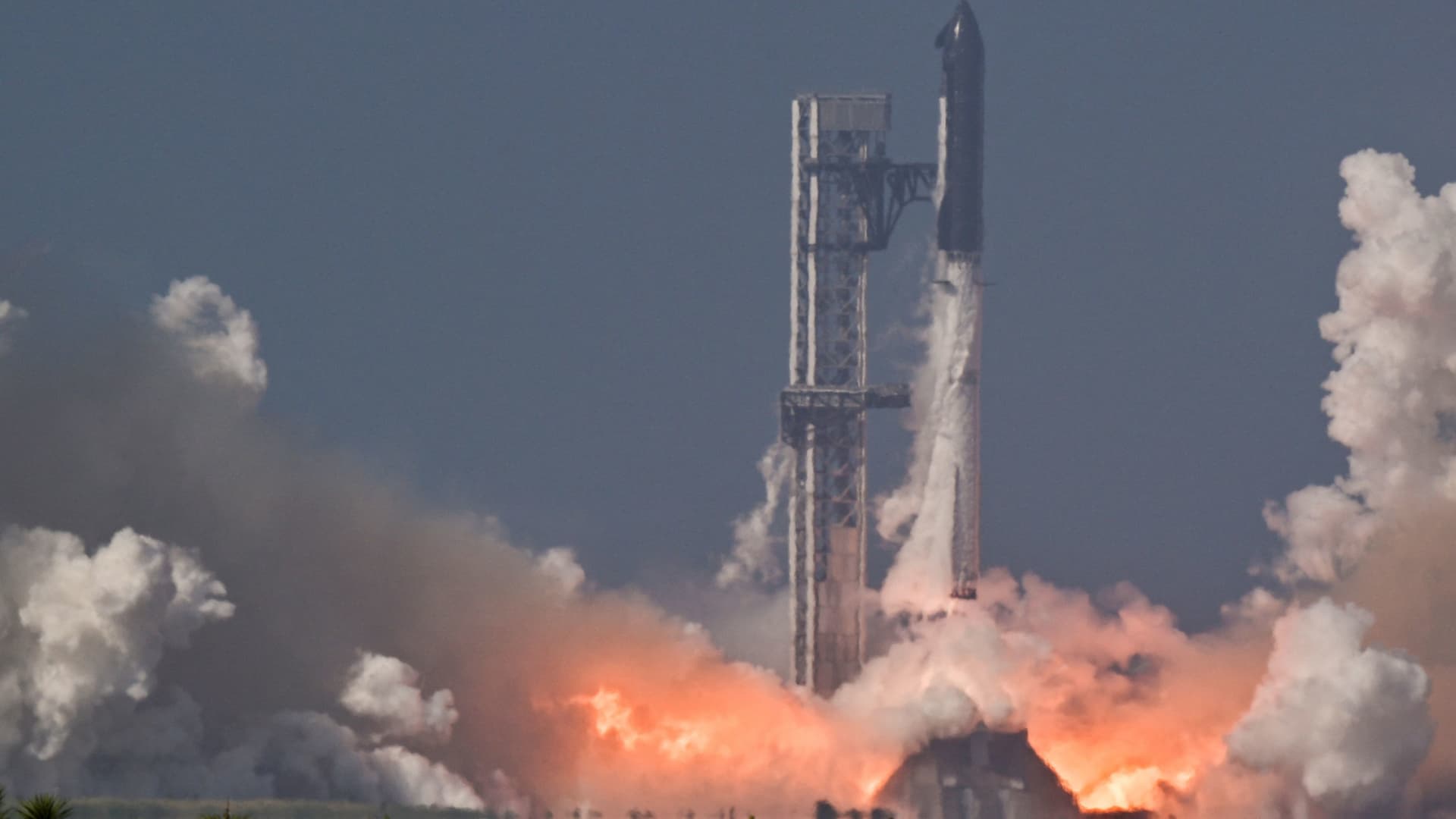
SpaceX Targets $1.75 Trillion Valuation for Upcoming IPO


- IPO Valuation Target: SpaceX is aiming for a staggering $1.75 trillion valuation upon its Nasdaq debut, positioning itself as one of the most valuable companies in the market and likely attracting significant investor interest.
- Diverse Revenue Streams: According to the latest S1 filing, SpaceX's 'Space' and 'Connectivity' segments generated over $4 billion in revenue in 2025, showcasing its strong market position in rocket launches and satellite internet services.
- Industry Classification Challenges: Given SpaceX's involvement in multiple sectors, MSCI and S&P face complexities in determining its final industry classification, which could place it in either the Communication Services or Industrials sector, impacting its appeal to investors.
- Future Growth Potential: Musk indicated that future AI computing will rely on solar-powered satellites in space, and SpaceX's innovative approach to data centers could enable it to achieve lower operational costs over time, thereby securing a more advantageous position in the market.
See More

CLEAR and GDIT Collaborate on Secure Identity Management Solutions

- Strategic Partnership: CLEAR and GDIT have entered into a strategic collaboration agreement to deliver secure digital identity management and verification solutions for federal health and civilian agencies, enhancing the protection of sensitive information by leveraging GDIT's technology expertise alongside the CLEAR1 platform.
- Platform Integration: GDIT has incorporated CLEAR1 into its hybrid multi-cloud products and tools program supporting the Centers for Medicare and Medicaid Services, ensuring efficient and secure identity access in complex mission environments while reducing identity-driven fraud.
- Enhanced User Experience: This collaboration not only strengthens CLEAR's position as a trusted partner to government agencies but also improves user experience by enabling agencies to operate smarter with modern identity tools that provide seamless service delivery.
- Market Impact Expansion: With over 41 million members on CLEAR's identity platform and GDIT's extensive service network, this partnership is expected to further enhance the security and seamlessness of digital identity solutions, bolstering government agencies' confidence and security in delivering critical services.
See More

CLEAR and GDIT Collaborate on Secure Identity Management Solutions
- Strategic Collaboration: CLEAR and GDIT have entered into a strategic collaboration agreement to deliver secure digital identity management and verification solutions for federal health and civilian agencies, enhancing secure access for civilians, providers, and employees by integrating GDIT's expertise with the CLEAR1 platform.
- Technological Integration: GDIT has incorporated CLEAR1 into its hybrid multi-cloud products and tools program supporting the Centers for Medicare and Medicaid Services, ensuring efficient identity management in complex mission environments while reducing identity-driven fraud and abuse.
- Enhanced User Experience: CLEAR's CEO Caryn Seidman Becker stated that this collaboration will strengthen the protection of sensitive information and provide more reliable access, helping agencies better serve patients and public servants while improving user experience.
- Market Potential: With over 41 million members, CLEAR's partnership with GDIT leverages deep industry expertise to drive more secure and seamless digital identity solutions, further expanding market share and enhancing customer trust.
See More
General Dynamics Unit Secures $106M Contract for MUOS Support
- Contract Value: General Dynamics unit has secured a $106 million cost-plus-fixed-fee task order, with a total contract value of $294.9 million, reflecting sustained demand and confidence in the defense sector.
- Project Duration: The execution of this project is planned through May 20231, indicating the company's strategic positioning in long-term defense projects, ensuring revenue stability for the future.
- Funding Allocation: At the time of the award, $16.6 million (FY25 procurement funds) and $1.7 million (FY26 O&M funds) were obligated, demonstrating government commitment and financial backing for the project.
- Location of Work: The work will be performed in Scottsdale, Arizona, highlighting the company's operational capabilities in the region and its contribution to the local economy.
See More
Shangri-La Dialogue Highlights Defense Spending and China’s Role
- Increased Defense Spending: Countries are generally accepting the need to boost defense budgets, with Japan, the Philippines, and the Netherlands planning increases, reflecting heightened security concerns that could drive growth in military industries.
- China's Delegation Absence: China's failure to send its defense minister has led to disappointment among attendees regarding the lack of high-level dialogue, potentially impacting China's diplomatic image and influence in the Asia-Pacific region.
- Lessons from Ukraine: Attendees showed keen interest in the asymmetric warfare strategies used in Ukraine, with many countries looking to adopt these lessons to enhance their defense capabilities, which may lead to significant shifts in global defense strategies.
- Tensions between China and Japan: Chinese representatives questioned Japan's military spending increases, while Japan accused China of lacking transparency, with the exchange of barbs likely exacerbating regional tensions and affecting future security cooperation.
See More
U.S. Defense Secretary Emphasizes Asia-Pacific Security
- Asia-Pacific Balance: U.S. Secretary of Defense Pete Hegseth emphasized at the Shangri-La Dialogue in Singapore that the U.S. is committed to maintaining equilibrium in the Asia-Pacific region, highlighting the importance of collaboration with allies, particularly in countering China's military expansion.
- Defense Spending Requirements: Hegseth stated that the U.S. demands allies to increase defense spending to 3.5% of GDP, promising to prioritize cooperation with these 'model allies' to expedite arms sales and enhance intelligence sharing, thereby strengthening collective defense capabilities.
- Warning to China: He warned China against disrupting the status quo, asserting that concerns over China's military buildup in the Asia-Pacific are 'rightful' and reaffirming America's longstanding position in the region, emphasizing that the U.S. is a Pacific nation.
- European Allies' Responsibilities: Hegseth criticized European allies for not shouldering their fair share of defense responsibilities, pointing out that the U.S. bears an excessive security burden and urging European nations to engage more actively in regional security matters to uphold the global order.
See More
SpaceX Targets $1.75 Trillion Valuation for Upcoming IPO
- IPO Valuation Target: SpaceX is aiming for a staggering $1.75 trillion valuation upon its Nasdaq debut, positioning itself as one of the most valuable companies in the market and likely attracting significant investor interest.
- Diverse Revenue Streams: According to the latest S1 filing, SpaceX's 'Space' and 'Connectivity' segments generated over $4 billion in revenue in 2025, showcasing its strong market position in rocket launches and satellite internet services.
- Industry Classification Challenges: Given SpaceX's involvement in multiple sectors, MSCI and S&P face complexities in determining its final industry classification, which could place it in either the Communication Services or Industrials sector, impacting its appeal to investors.
- Future Growth Potential: Musk indicated that future AI computing will rely on solar-powered satellites in space, and SpaceX's innovative approach to data centers could enable it to achieve lower operational costs over time, thereby securing a more advantageous position in the market.
See More
CLEAR and GDIT Collaborate on Secure Identity Management Solutions
- Strategic Partnership: CLEAR and GDIT have entered into a strategic collaboration agreement to deliver secure digital identity management and verification solutions for federal health and civilian agencies, enhancing the protection of sensitive information by leveraging GDIT's technology expertise alongside the CLEAR1 platform.
- Platform Integration: GDIT has incorporated CLEAR1 into its hybrid multi-cloud products and tools program supporting the Centers for Medicare and Medicaid Services, ensuring efficient and secure identity access in complex mission environments while reducing identity-driven fraud.
- Enhanced User Experience: This collaboration not only strengthens CLEAR's position as a trusted partner to government agencies but also improves user experience by enabling agencies to operate smarter with modern identity tools that provide seamless service delivery.
- Market Impact Expansion: With over 41 million members on CLEAR's identity platform and GDIT's extensive service network, this partnership is expected to further enhance the security and seamlessness of digital identity solutions, bolstering government agencies' confidence and security in delivering critical services.
See More
CLEAR and GDIT Collaborate on Secure Identity Management Solutions
- Strategic Collaboration: CLEAR and GDIT have entered into a strategic collaboration agreement to deliver secure digital identity management and verification solutions for federal health and civilian agencies, enhancing secure access for civilians, providers, and employees by integrating GDIT's expertise with the CLEAR1 platform.
- Technological Integration: GDIT has incorporated CLEAR1 into its hybrid multi-cloud products and tools program supporting the Centers for Medicare and Medicaid Services, ensuring efficient identity management in complex mission environments while reducing identity-driven fraud and abuse.
- Enhanced User Experience: CLEAR's CEO Caryn Seidman Becker stated that this collaboration will strengthen the protection of sensitive information and provide more reliable access, helping agencies better serve patients and public servants while improving user experience.
- Market Potential: With over 41 million members, CLEAR's partnership with GDIT leverages deep industry expertise to drive more secure and seamless digital identity solutions, further expanding market share and enhancing customer trust.
See More