

Frontier Group Reports Wider Q1 Loss Due to Rising Jet Fuel Prices
Written by Emily J. Thompson, Senior Investment Analyst
Updated: May 05 2026
0mins
Source: Newsfilter
- Wider Loss: Frontier Group reported an adjusted loss per share of 30 cents for Q1, widening from 19 cents a year earlier, indicating a significant decline in profitability under cost pressures.
- Impact of Rising Fuel Prices: The surge in jet fuel prices has eroded Frontier's margins, leading to poor overall financial performance and highlighting the airline industry's high sensitivity to fuel cost fluctuations.
- Market Environment Challenges: In the highly competitive low-cost airline market, Frontier faces ongoing operational challenges, particularly against the backdrop of rising fuel prices, which may affect its future pricing strategies and market share.
- Financial Health Risks: As losses deepen, concerns about Frontier's financial health arise, potentially leading investors to question its long-term profitability, which could impact stock performance and financing capabilities.
Trade with 70% Backtested Accuracy
Stop guessing "Should I Buy ULCC?" and start using high-conviction signals backed by rigorous historical data.
Sign up today to access powerful investing tools and make smarter, data-driven decisions.
Analyst Views on ULCC
Wall Street analysts forecast ULCC stock price to fall
9 Analyst Rating
1 Buy
7 Hold
1 Sell
Hold
Current: 7.220

Low
4.00
Averages
5.57
High
8.00
Current: 7.220
Low
4.00
Averages
5.57
High
8.00
About ULCC
Frontier Group Holdings, Inc. is a holding company. The Company operates through its subsidiary, Frontier Airlines, Inc., which is an ultra-low-cost carrier company. The Company offers flights throughout the United States and to select near international destinations in the Americas. It has a fleet of approximately 176 Airbus single-aisle aircraft, consisting of overe A320ceos, 89 A320neos, 21 A321ceos and 60 A321neos. The Company primarily provides air transportation for passengers. It provides passenger airline service primarily to leisure travelers. It combines its fares with flexible optional services for an additional cost. Such additional options include carry-on and checked baggage, advance seat selection, extended-legroom premium seats, priority boarding and ticket changes and cancellations, as well as bundled options combining various optional services. The Company serves approximately 100 airports throughout the United States and international destinations in the Americas.
About the author

Emily J. Thompson
Emily J. Thompson, a Chartered Financial Analyst (CFA) with 12 years in investment research, graduated with honors from the Wharton School. Specializing in industrial and technology stocks, she provides in-depth analysis for Intellectia’s earnings and market brief reports.

Airlines Stand to Save Billions as Fuel Prices Drop


- Fuel Cost Reduction: Following an interim U.S.-Iran peace deal, airlines are poised to save over $40 billion annually on fuel costs, although passengers may not see immediate fare reductions as airlines leverage lower fuel expenses to rebuild margins.
- Fare and Fuel Cost Discrepancy: Despite airlines raising ticket prices to counteract rising fuel costs, data indicates that fuel prices surged three times faster than airfares from January to May, resulting in airlines recovering only about 60% of additional fuel expenditures.
- Uneven Market Response: Outside the U.S., fare relief is likely to be uneven, with airlines potentially maintaining firm fares where demand allows, particularly on short-haul routes, while long-haul fares may see some decline due to better pass-through of fuel costs.
- Uncertain Future Outlook: Whether airlines can sustain recent fare increases as fuel prices ease remains a critical question, with industry analysts noting that the strength of consumer demand will directly impact fare stability.
See More

Decline of Low-Cost Airline Options in the U.S.


- Market Shift: The exit of Spirit Airlines has reduced low-cost flight options, forcing consumers to face higher fares during the busy summer travel season, which may adversely affect families and budget travelers.
- Premium Market Growth: Delta Air Lines reported a record annual revenue of $58.3 billion for 2025, despite a $1.1 billion drop in economy ticket sales, with 60% of revenue now coming from premium cabins and loyalty programs, indicating a shift in consumer preference towards higher-end services.
- Fuel Cost Pressure: U.S. carriers spent 56.4% more on jet fuel in March 2026 compared to February, totaling $5.06 billion, which compels airlines to raise fares to cope with rising costs, significantly impacting smaller carriers.
- Future of Low-Cost Carriers: While new entrants like Breeze Airways aim to fill the void left by Spirit, high fuel costs and competitive pressures pose challenges to the profitability of low-cost airlines, leaving their future growth uncertain.
See More

Oil Price Drop Fuels Stock Market Rally


- Oil Price Impact: The drop in oil prices, driven by hopes for a US-Iran peace deal, eased gasoline prices from a peak above $4 per gallon, alleviating consumer budget pressures and potentially reviving discretionary spending.
- Airlines Benefit: The decline in oil prices directly benefits airlines, as fuel costs represent their largest operating expense, and lower fuel costs could enhance profitability, potentially driving stock prices higher.
- Strong Performance of Small Businesses: The Russell 2000 index gained over 1%, reflecting increased market confidence in small, domestically-focused businesses that are most sensitive to changes in energy costs and real incomes.
- Figs Stock Volatility: Figs shares rose 5.6%, despite having experienced 32 moves greater than 5% in the past year, indicating that while the market reacts significantly to oil price changes, it does not fundamentally alter perceptions of the company's business.
See More

Analysis of Impact from Spirit Airlines' Collapse on U.S. Budget Carriers

- Impact of Spirit's Collapse: Spirit Airlines ceased operations on May 2 after failing to secure a $500 million government bailout, intensifying competition among U.S. budget carriers; while its exit allows for fare increases, it does not resolve the long-standing cost pressures faced by the low-cost flight model.
- Competitor Strategies: Rivals like JetBlue and Frontier are targeting Spirit's market share, contending with the same surging fuel costs, with Frontier expecting a 3% to 5% increase in revenue per seat due to Spirit's exit, yet overall profitability remains constrained by rising operational costs.
- Fuel Cost Pressures: Avelo Airlines' CEO noted fuel prices surged from $2.56 to $4.71 per gallon, forcing a $20 fare increase; JetBlue and Frontier anticipate fuel costs rising over $100 million and $70 million to $83 million respectively this quarter, significantly impacting their profitability.
- Uncertain Market Outlook: While Allegiant Air reported a strong adjusted operating margin of 14.9%, the overall low-cost carrier sector faces dual challenges of high fuel costs and limited pricing power, leaving the future market outlook uncertain.
See More
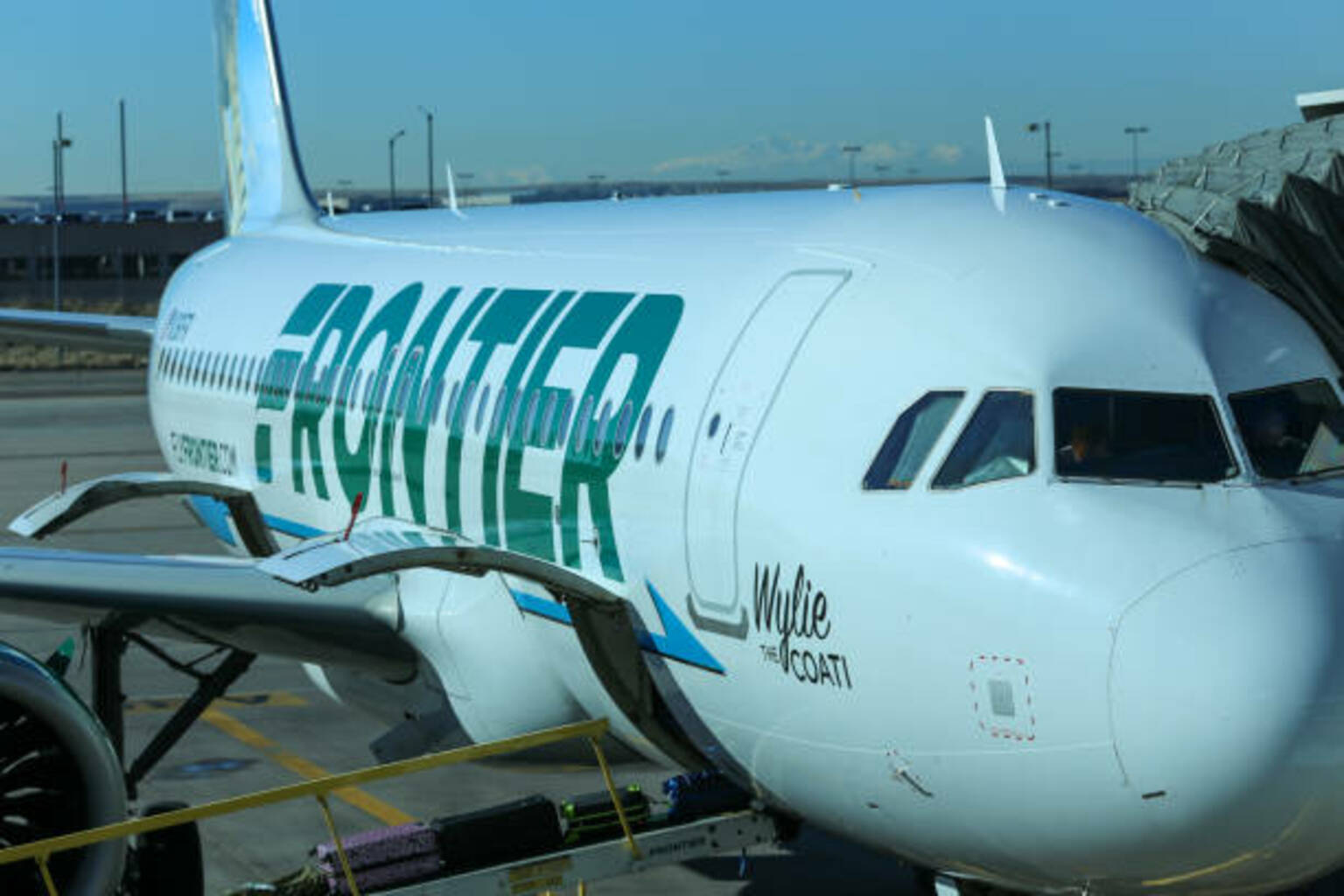
Frontier Airlines Flight Strikes Pedestrian During Takeoff
- Incident Overview: Frontier Airlines Flight 4345 struck a pedestrian during takeoff at Denver International Airport, resulting in a brief engine fire and runway closure for investigation, occurring at approximately 11:19 PM with 231 people on board.
- Emergency Response: The Denver Fire Department quickly extinguished the brief engine fire, and airport emergency teams promptly transported passengers to the terminal, ensuring their safety and demonstrating effective emergency response protocols.
- Investigation Underway: The airport has notified the National Transportation Safety Board, and Frontier Airlines stated it is coordinating with the airport and other safety authorities for the investigation, indicating the company's commitment to passenger safety and thoroughness in addressing the incident.
- Flight Details: The incident involved an Airbus A321 aircraft, originally scheduled to fly from Denver to Los Angeles, carrying 224 passengers and 7 crew members, which may negatively impact the airline's reputation and operations.
See More

Investment Lessons from Spirit Airlines Bankruptcy
- Bankruptcy Warning: The bankruptcy of Spirit Airlines serves as a stark reminder that companies with high debt and low revenue face severe financial distress, and investors should be cautious about stocks emerging from bankruptcy due to their high risk of re-entering bankruptcy.
- Impact of Failed Merger: The collapse of JetBlue's merger with Spirit due to regulatory issues significantly increased the investment risk associated with Spirit, and investors should be wary of similar 'Hail Mary' attempts, as they often indicate deteriorating financial health.
- Leverage Risks: High jet fuel prices and excessive leverage contributed to Spirit's bankruptcy, highlighting the need for investors in transportation stocks to scrutinize balance sheets to avoid financial crises stemming from high debt levels.
- Industry Caution: Spirit's situation serves as a warning that rising fuel costs could jeopardize other airlines, particularly JetBlue and Frontier Group, prompting investors to remain vigilant against potential bankruptcy risks.
See More
Airlines Stand to Save Billions as Fuel Prices Drop
- Fuel Cost Reduction: Following an interim U.S.-Iran peace deal, airlines are poised to save over $40 billion annually on fuel costs, although passengers may not see immediate fare reductions as airlines leverage lower fuel expenses to rebuild margins.
- Fare and Fuel Cost Discrepancy: Despite airlines raising ticket prices to counteract rising fuel costs, data indicates that fuel prices surged three times faster than airfares from January to May, resulting in airlines recovering only about 60% of additional fuel expenditures.
- Uneven Market Response: Outside the U.S., fare relief is likely to be uneven, with airlines potentially maintaining firm fares where demand allows, particularly on short-haul routes, while long-haul fares may see some decline due to better pass-through of fuel costs.
- Uncertain Future Outlook: Whether airlines can sustain recent fare increases as fuel prices ease remains a critical question, with industry analysts noting that the strength of consumer demand will directly impact fare stability.
See More
Decline of Low-Cost Airline Options in the U.S.
- Market Shift: The exit of Spirit Airlines has reduced low-cost flight options, forcing consumers to face higher fares during the busy summer travel season, which may adversely affect families and budget travelers.
- Premium Market Growth: Delta Air Lines reported a record annual revenue of $58.3 billion for 2025, despite a $1.1 billion drop in economy ticket sales, with 60% of revenue now coming from premium cabins and loyalty programs, indicating a shift in consumer preference towards higher-end services.
- Fuel Cost Pressure: U.S. carriers spent 56.4% more on jet fuel in March 2026 compared to February, totaling $5.06 billion, which compels airlines to raise fares to cope with rising costs, significantly impacting smaller carriers.
- Future of Low-Cost Carriers: While new entrants like Breeze Airways aim to fill the void left by Spirit, high fuel costs and competitive pressures pose challenges to the profitability of low-cost airlines, leaving their future growth uncertain.
See More
Oil Price Drop Fuels Stock Market Rally
- Oil Price Impact: The drop in oil prices, driven by hopes for a US-Iran peace deal, eased gasoline prices from a peak above $4 per gallon, alleviating consumer budget pressures and potentially reviving discretionary spending.
- Airlines Benefit: The decline in oil prices directly benefits airlines, as fuel costs represent their largest operating expense, and lower fuel costs could enhance profitability, potentially driving stock prices higher.
- Strong Performance of Small Businesses: The Russell 2000 index gained over 1%, reflecting increased market confidence in small, domestically-focused businesses that are most sensitive to changes in energy costs and real incomes.
- Figs Stock Volatility: Figs shares rose 5.6%, despite having experienced 32 moves greater than 5% in the past year, indicating that while the market reacts significantly to oil price changes, it does not fundamentally alter perceptions of the company's business.
See More
Analysis of Impact from Spirit Airlines' Collapse on U.S. Budget Carriers
- Impact of Spirit's Collapse: Spirit Airlines ceased operations on May 2 after failing to secure a $500 million government bailout, intensifying competition among U.S. budget carriers; while its exit allows for fare increases, it does not resolve the long-standing cost pressures faced by the low-cost flight model.
- Competitor Strategies: Rivals like JetBlue and Frontier are targeting Spirit's market share, contending with the same surging fuel costs, with Frontier expecting a 3% to 5% increase in revenue per seat due to Spirit's exit, yet overall profitability remains constrained by rising operational costs.
- Fuel Cost Pressures: Avelo Airlines' CEO noted fuel prices surged from $2.56 to $4.71 per gallon, forcing a $20 fare increase; JetBlue and Frontier anticipate fuel costs rising over $100 million and $70 million to $83 million respectively this quarter, significantly impacting their profitability.
- Uncertain Market Outlook: While Allegiant Air reported a strong adjusted operating margin of 14.9%, the overall low-cost carrier sector faces dual challenges of high fuel costs and limited pricing power, leaving the future market outlook uncertain.
See More
Frontier Airlines Flight Strikes Pedestrian During Takeoff
- Incident Overview: Frontier Airlines Flight 4345 struck a pedestrian during takeoff at Denver International Airport, resulting in a brief engine fire and runway closure for investigation, occurring at approximately 11:19 PM with 231 people on board.
- Emergency Response: The Denver Fire Department quickly extinguished the brief engine fire, and airport emergency teams promptly transported passengers to the terminal, ensuring their safety and demonstrating effective emergency response protocols.
- Investigation Underway: The airport has notified the National Transportation Safety Board, and Frontier Airlines stated it is coordinating with the airport and other safety authorities for the investigation, indicating the company's commitment to passenger safety and thoroughness in addressing the incident.
- Flight Details: The incident involved an Airbus A321 aircraft, originally scheduled to fly from Denver to Los Angeles, carrying 224 passengers and 7 crew members, which may negatively impact the airline's reputation and operations.
See More
Investment Lessons from Spirit Airlines Bankruptcy
- Bankruptcy Warning: The bankruptcy of Spirit Airlines serves as a stark reminder that companies with high debt and low revenue face severe financial distress, and investors should be cautious about stocks emerging from bankruptcy due to their high risk of re-entering bankruptcy.
- Impact of Failed Merger: The collapse of JetBlue's merger with Spirit due to regulatory issues significantly increased the investment risk associated with Spirit, and investors should be wary of similar 'Hail Mary' attempts, as they often indicate deteriorating financial health.
- Leverage Risks: High jet fuel prices and excessive leverage contributed to Spirit's bankruptcy, highlighting the need for investors in transportation stocks to scrutinize balance sheets to avoid financial crises stemming from high debt levels.
- Industry Caution: Spirit's situation serves as a warning that rising fuel costs could jeopardize other airlines, particularly JetBlue and Frontier Group, prompting investors to remain vigilant against potential bankruptcy risks.
See More





