Fiserv, PayPal expand partnership to advance stablecoin payments
Written by Emily J. Thompson, Senior Investment Analyst
Updated: Jun 23 2025
0mins
Partnership Announcement: Fiserv and PayPal are collaborating to enhance interoperability between FIUSD and PayPal USD, enabling seamless fund transfers for consumers and businesses both domestically and internationally.
Expansion of Payment Solutions: The partnership aims to leverage the strengths of both companies to promote the use of stablecoins and programmable payments, focusing on integrating these currencies into various payment flows, including cross-border transactions and merchant solutions.
Trade with 70% Backtested Accuracy
Stop guessing "Should I Buy PYPL?" and start using high-conviction signals backed by rigorous historical data.
Sign up today to access powerful investing tools and make smarter, data-driven decisions.
Analyst Views on PYPL
Wall Street analysts forecast PYPL stock price to rise
29 Analyst Rating
6 Buy
19 Hold
4 Sell
Hold
Current: 42.080

Low
51.00
Averages
72.86
High
100.00
Current: 42.080
Low
51.00
Averages
72.86
High
100.00
About PYPL
PayPal Holdings, Inc. offers a technology platform. The Company’s products are designed to enable digital payments and simplify commerce experiences for consumers and merchants to make selling, shopping, and sending and receiving money simple, personalized, and secure, online or offline, including mobile. It provides consumers with a digital wallet that enables them to send payments to merchants securely using a variety of funding sources, which include a bank account, a PayPal or Venmo account balance, its consumer credit products, a credit card, a debit card, certain cryptocurrencies, or other stored value products. It operates a global, two-sided network at scale that connects consumers and merchants with 434 million active accounts across approximately 200 markets. Its brands include PayPal, Braintree, Venmo, Xoom, Hyperwallet, PayPal Zettle, PayPal Honey, and Paidy. It offers financing products through the PayPal Working Capital (PPWC) and PayPal Business Loan (PPBL).
About the author

Emily J. Thompson
Emily J. Thompson, a Chartered Financial Analyst (CFA) with 12 years in investment research, graduated with honors from the Wharton School. Specializing in industrial and technology stocks, she provides in-depth analysis for Intellectia’s earnings and market brief reports.
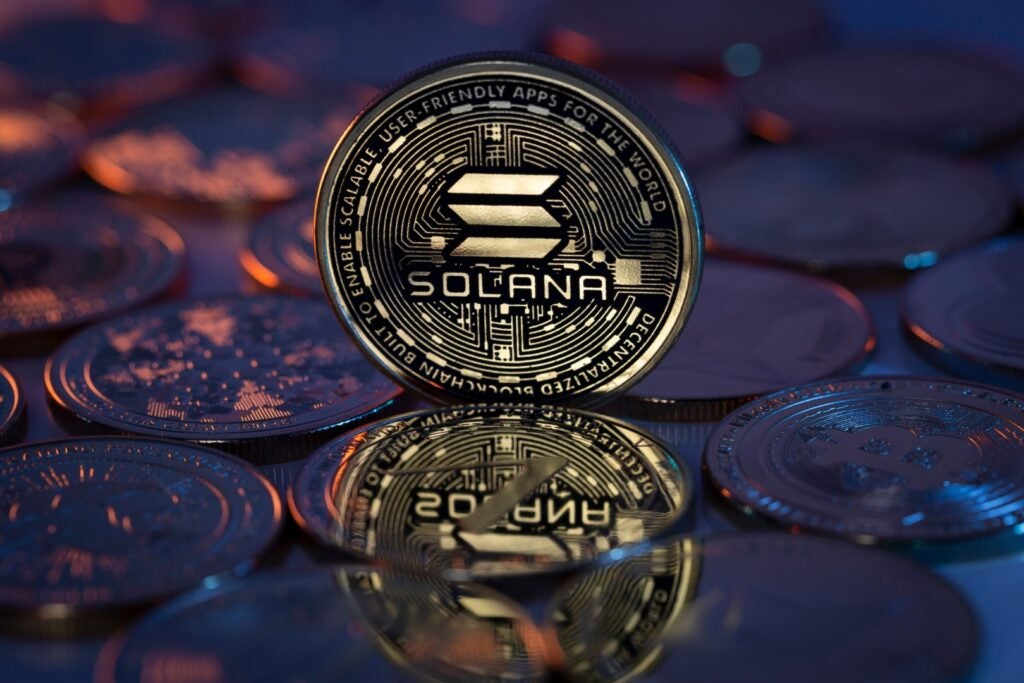
Moody's Expands Credit Ratings to Tokenized Bonds on Solana


- Expansion of Credit Ratings: Moody's has expanded its credit rating services to include tokenized bonds and fixed-income securities, directly integrating these ratings onto Solana's blockchain, which is expected to enhance investor confidence in tokenized assets and boost Solana's market appeal.
- Increased Trading Efficiency: By converting fixed-income securities into digital tokens, Moody's integration allows investors to trade 24/7 without intermediaries, significantly reducing transaction costs and simplifying the investment process, which is likely to attract more investors.
- Competitive Market Advantage: While Ethereum remains the market leader, Solana's Layer-1 blockchain offers significantly faster speeds, and Moody's support is set to further solidify Solana's competitive position in tokenized asset trading, especially with the upcoming Alpenglow upgrade.
- Future Growth Potential: Moody's backing not only strengthens Solana's prospects as a high-speed highway for blockchain transactions but also indicates its increasing importance among financial institutions, suggesting that despite this year's crypto market volatility, Solana could still have a bright future.
See More

Moody's Integrates Credit Ratings with Solana Blockchain

- Credit Rating Integration: Moody's integration of its credit ratings directly onto Solana's blockchain signifies increased confidence in tokenized assets, which is expected to enhance investor trust and usage frequency on the Solana platform.
- Trading Efficiency Boost: By tokenizing fixed-income securities, Moody's enables these assets to be traded instantly on the blockchain, reducing transaction costs and eliminating the need for intermediaries, allowing investors to trade more swiftly.
- Enhanced Market Competitiveness: While Ethereum remains the market leader, Solana's Layer-1 blockchain is significantly faster, and Moody's support may attract more financial institutions to tokenize assets on Solana, further strengthening its market position.
- Optimistic Future Outlook: Moody's integration not only serves as a vote of confidence for Solana but also indicates potential future collaborations with other blockchains like Ethereum, suggesting ongoing expansion potential for Solana in the blockchain transaction space.
See More

SpaceX IPO Creates Billionaire Shareholders Amidst Market Fluctuations


- Founder Wealth Surge: Following SpaceX's historic IPO, founder and CEO Elon Musk's personal stake has soared above $1 trillion, underscoring his significant influence in the aerospace sector and market confidence.
- Shareholder Wealth Distribution: The IPO has minted several billion-dollar shareholders, with Valor Equity Partners holding a stake worth approximately $96.6 billion, reflecting strong investor confidence in SpaceX's future prospects.
- Market Performance Volatility: Although SpaceX shares rose 37% post-IPO and briefly surpassed Amazon and Microsoft in market cap, recent cooling sentiment has led to a decline, with the market cap settling at $2.43 trillion, indicating market uncertainty.
- Executive Stake Holdings: Among SpaceX executives, Gwynne Shotwell holds shares valued at $2.4 billion, while CFO Bret Johnsen's stake is worth $1.2 billion, demonstrating the management's confidence and commitment to the company's future growth.
See More

SpaceX IPO Boosts Musk's Wealth Over $1 Trillion
- IPO Achievement: SpaceX's IPO achieved a market cap of $2.43 trillion in its debut week, although it slightly retreated due to cooling market sentiment, it still reflects a 37% increase from the offering price of $135, showcasing strong investor confidence in Musk's vision.
- Shareholder Wealth Surge: The IPO not only propelled Musk's personal wealth over $1 trillion but also minted thousands of new millionaires, with some shareholders seeing their stakes exceed $1 billion, highlighting SpaceX's immense appeal in the capital markets.
- Major Shareholder Insights: Valor Equity Partners holds a stake worth approximately $96.6 billion, with founder Antonio Gracias closely associated with Musk, having participated in various projects during the Trump administration, indicating a deep-rooted connection to SpaceX.
- Executive Stake Analysis: SpaceX President Gwynne Shotwell and CFO Bret Johnsen hold stakes valued at $2.4 billion and $1.2 billion respectively, with Shotwell managing daily operations and Johnsen focusing on long-term financial strategy, both of whom are crucial to the company's success.
See More
SpaceX Expands Board with Roelof Botha Appointment

- New Board Member: SpaceX has appointed Roelof Botha as an independent director and member of the audit committee, becoming the eighth board member, which further strengthens Musk's management team.
- Investment Background: Botha has been with Sequoia since 2003, previously serving as managing director, and Sequoia's stake in SpaceX is now nearly 1.5%, valued at approximately $35 billion, indicating strong backing for the company.
- Shareholder Structure: Musk controls over 82% of the voting rights at SpaceX and holds shares worth over $1 trillion, with the governance model limiting external shareholders' influence, reflecting a centralized governance structure.
- Management Controversy: Botha's management style at Sequoia has sparked controversy, particularly after he defended a colleague's widely criticized remarks, highlighting the complexities and challenges he may face in governance.
See More
Roelof Botha Joins SpaceX Board Following Record IPO
- New Board Member: Roelof Botha joins SpaceX's board as the eighth member following the company's record IPO, enhancing Musk's management team and potentially providing additional strategic support for future initiatives.
- Investment Background: Having worked at venture capital firm Sequoia since 2003, where he served as managing director, Botha's extensive experience positions him to leverage Sequoia's significant investment in SpaceX to further expand its market presence.
- Market Valuation: Following the IPO, SpaceX's market cap reached $2.5 trillion, with Musk controlling over 82% of voting rights, limiting external shareholders' influence on governance, which could impact future investment decisions.
- Management Controversy: Botha's management style at Sequoia faced criticism, yet his addition to SpaceX may bring new perspectives and resources, helping the company maintain its competitive edge in the rapidly evolving aerospace market.
See More
Moody's Expands Credit Ratings to Tokenized Bonds on Solana
- Expansion of Credit Ratings: Moody's has expanded its credit rating services to include tokenized bonds and fixed-income securities, directly integrating these ratings onto Solana's blockchain, which is expected to enhance investor confidence in tokenized assets and boost Solana's market appeal.
- Increased Trading Efficiency: By converting fixed-income securities into digital tokens, Moody's integration allows investors to trade 24/7 without intermediaries, significantly reducing transaction costs and simplifying the investment process, which is likely to attract more investors.
- Competitive Market Advantage: While Ethereum remains the market leader, Solana's Layer-1 blockchain offers significantly faster speeds, and Moody's support is set to further solidify Solana's competitive position in tokenized asset trading, especially with the upcoming Alpenglow upgrade.
- Future Growth Potential: Moody's backing not only strengthens Solana's prospects as a high-speed highway for blockchain transactions but also indicates its increasing importance among financial institutions, suggesting that despite this year's crypto market volatility, Solana could still have a bright future.
See More
Moody's Integrates Credit Ratings with Solana Blockchain
- Credit Rating Integration: Moody's integration of its credit ratings directly onto Solana's blockchain signifies increased confidence in tokenized assets, which is expected to enhance investor trust and usage frequency on the Solana platform.
- Trading Efficiency Boost: By tokenizing fixed-income securities, Moody's enables these assets to be traded instantly on the blockchain, reducing transaction costs and eliminating the need for intermediaries, allowing investors to trade more swiftly.
- Enhanced Market Competitiveness: While Ethereum remains the market leader, Solana's Layer-1 blockchain is significantly faster, and Moody's support may attract more financial institutions to tokenize assets on Solana, further strengthening its market position.
- Optimistic Future Outlook: Moody's integration not only serves as a vote of confidence for Solana but also indicates potential future collaborations with other blockchains like Ethereum, suggesting ongoing expansion potential for Solana in the blockchain transaction space.
See More
SpaceX IPO Creates Billionaire Shareholders Amidst Market Fluctuations
- Founder Wealth Surge: Following SpaceX's historic IPO, founder and CEO Elon Musk's personal stake has soared above $1 trillion, underscoring his significant influence in the aerospace sector and market confidence.
- Shareholder Wealth Distribution: The IPO has minted several billion-dollar shareholders, with Valor Equity Partners holding a stake worth approximately $96.6 billion, reflecting strong investor confidence in SpaceX's future prospects.
- Market Performance Volatility: Although SpaceX shares rose 37% post-IPO and briefly surpassed Amazon and Microsoft in market cap, recent cooling sentiment has led to a decline, with the market cap settling at $2.43 trillion, indicating market uncertainty.
- Executive Stake Holdings: Among SpaceX executives, Gwynne Shotwell holds shares valued at $2.4 billion, while CFO Bret Johnsen's stake is worth $1.2 billion, demonstrating the management's confidence and commitment to the company's future growth.
See More
SpaceX IPO Boosts Musk's Wealth Over $1 Trillion
- IPO Achievement: SpaceX's IPO achieved a market cap of $2.43 trillion in its debut week, although it slightly retreated due to cooling market sentiment, it still reflects a 37% increase from the offering price of $135, showcasing strong investor confidence in Musk's vision.
- Shareholder Wealth Surge: The IPO not only propelled Musk's personal wealth over $1 trillion but also minted thousands of new millionaires, with some shareholders seeing their stakes exceed $1 billion, highlighting SpaceX's immense appeal in the capital markets.
- Major Shareholder Insights: Valor Equity Partners holds a stake worth approximately $96.6 billion, with founder Antonio Gracias closely associated with Musk, having participated in various projects during the Trump administration, indicating a deep-rooted connection to SpaceX.
- Executive Stake Analysis: SpaceX President Gwynne Shotwell and CFO Bret Johnsen hold stakes valued at $2.4 billion and $1.2 billion respectively, with Shotwell managing daily operations and Johnsen focusing on long-term financial strategy, both of whom are crucial to the company's success.
See More
SpaceX Expands Board with Roelof Botha Appointment
- New Board Member: SpaceX has appointed Roelof Botha as an independent director and member of the audit committee, becoming the eighth board member, which further strengthens Musk's management team.
- Investment Background: Botha has been with Sequoia since 2003, previously serving as managing director, and Sequoia's stake in SpaceX is now nearly 1.5%, valued at approximately $35 billion, indicating strong backing for the company.
- Shareholder Structure: Musk controls over 82% of the voting rights at SpaceX and holds shares worth over $1 trillion, with the governance model limiting external shareholders' influence, reflecting a centralized governance structure.
- Management Controversy: Botha's management style at Sequoia has sparked controversy, particularly after he defended a colleague's widely criticized remarks, highlighting the complexities and challenges he may face in governance.
See More
Roelof Botha Joins SpaceX Board Following Record IPO
- New Board Member: Roelof Botha joins SpaceX's board as the eighth member following the company's record IPO, enhancing Musk's management team and potentially providing additional strategic support for future initiatives.
- Investment Background: Having worked at venture capital firm Sequoia since 2003, where he served as managing director, Botha's extensive experience positions him to leverage Sequoia's significant investment in SpaceX to further expand its market presence.
- Market Valuation: Following the IPO, SpaceX's market cap reached $2.5 trillion, with Musk controlling over 82% of voting rights, limiting external shareholders' influence on governance, which could impact future investment decisions.
- Management Controversy: Botha's management style at Sequoia faced criticism, yet his addition to SpaceX may bring new perspectives and resources, helping the company maintain its competitive edge in the rapidly evolving aerospace market.
See More