

First Trust Consumer Discretionary AlphaDEX Fund Experiences Big Outflow
Written by Emily J. Thompson, Senior Investment Analyst
Updated: Jan 16 2025
0mins


Source: NASDAQ.COM
FXD Share Price Analysis: FXD's current share price is $65.00, situated between its 52-week low of $54.89 and high of $68.89, with technical analysis suggesting the relevance of the 200-day moving average.
ETFs Trading Dynamics: Exchange traded funds (ETFs) function like stocks but involve trading "units" that can be created or destroyed based on investor demand, impacting the underlying holdings significantly during notable inflows or outflows.
Trade with 70% Backtested Accuracy
Stop guessing "Should I Buy AAL?" and start using high-conviction signals backed by rigorous historical data.
Sign up today to access powerful investing tools and make smarter, data-driven decisions.
Analyst Views on AAL
Wall Street analysts forecast AAL stock price to rise
15 Analyst Rating
7 Buy
7 Hold
1 Sell
Moderate Buy
Current: 17.920

Low
11.00
Averages
17.93
High
22.00
Current: 17.920
Low
11.00
Averages
17.93
High
22.00
About AAL
American Airlines Group Inc. is a holding company. Its primary business activity is the operation of a major network air carrier, providing scheduled air transportation for passengers and cargo through its hubs in Charlotte, Chicago, Dallas/Fort Worth, Los Angeles, Miami, New York, Philadelphia, Phoenix and Washington, D.C. and partner gateways, including in London, Doha, Madrid, Seattle/Tacoma, Sydney and Tokyo, among others. Together with its regional airline subsidiaries and third-party regional carriers operating as American Eagle. Its cargo division provides a wide range of freight and mail services, with facilities and interline connections available across the globe. It operates approximately 977 mainline aircraft supported by its regional airline subsidiaries and third-party regional carriers, which together operate an additional 585 regional aircraft. Its subsidiaries include American Airlines, Inc., Envoy Aviation Group Inc., PSA Airlines, Inc. and Piedmont Airlines, Inc.
About the author

Emily J. Thompson
Emily J. Thompson, a Chartered Financial Analyst (CFA) with 12 years in investment research, graduated with honors from the Wharton School. Specializing in industrial and technology stocks, she provides in-depth analysis for Intellectia’s earnings and market brief reports.
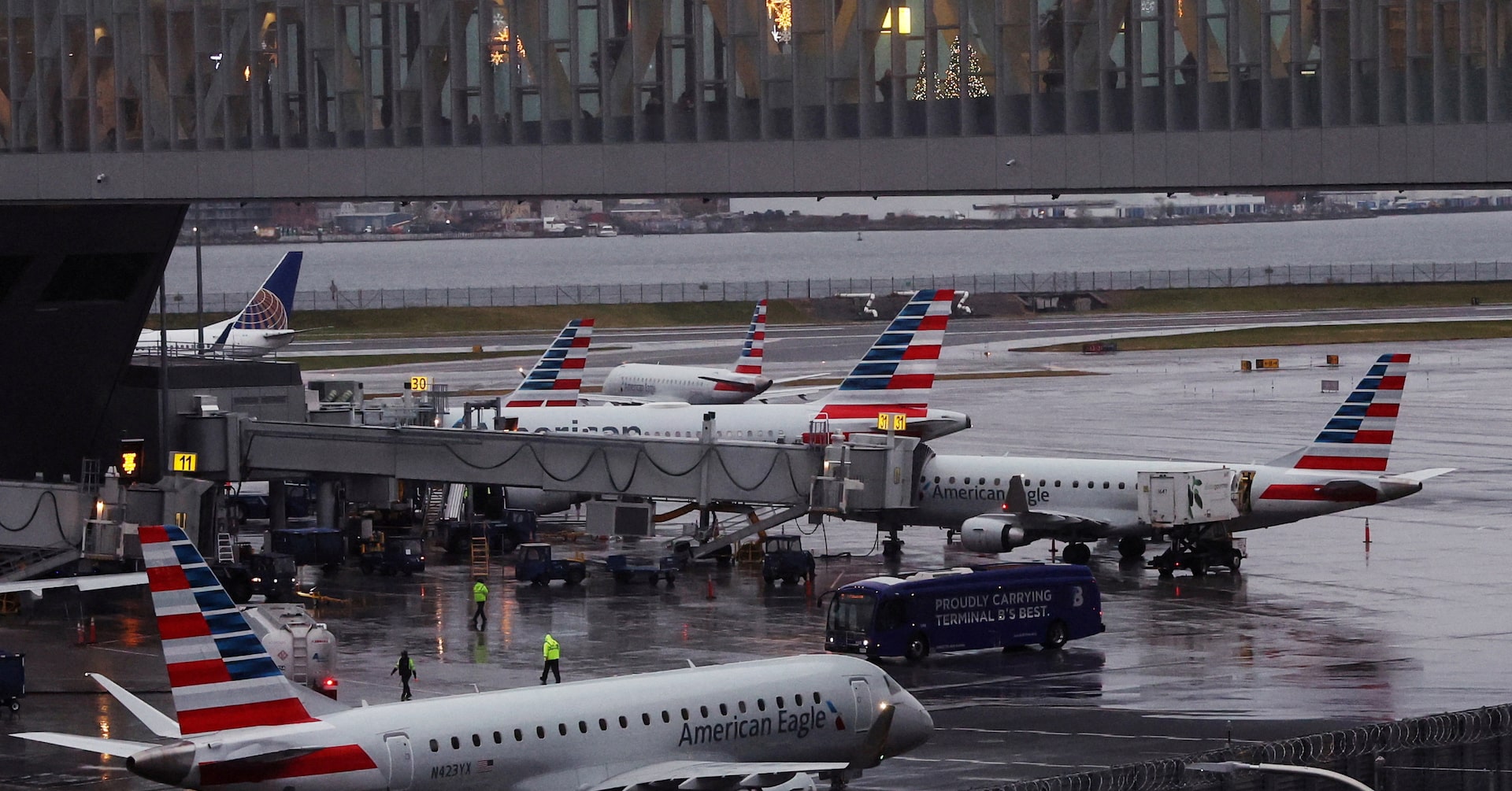
Airlines Adjust Seasonal Flights to Meet Demand

- Extended Flight Seasons: American Airlines has initiated flights from New York to Edinburgh starting in March, while United Airlines will extend its nonstop service to Palermo through December, reflecting airlines' proactive response to off-peak demand aimed at boosting overall revenue.
- High-End Market Appeal: International flights typically offer more premium seating, with some business-class fares reaching $10,000, and airlines plan to expand these options further to attract high-spending customers and enhance profit margins.
- Maintenance Schedule Adjustments: With the increase in shoulder season and off-peak travel, Delta Airlines is rethinking its maintenance and crew scheduling to ensure aircraft availability during the peak fall season, thereby optimizing operational efficiency.
- Shifting Market Demand: Flexible work policies among younger generations are leading more consumers to travel during non-traditional seasons, prompting airlines to adjust flight schedules to accommodate this trend and capture spending opportunities from high-net-worth travelers.
See More

U.S. Stocks Rise, S&P 500 Hits Two-Week High

- Employment Data Impact: U.S. nonfarm payrolls rose by 57,000 in June, falling short of the expected 113,000, with May's figures revised down to 129,000, indicating a slowdown in the labor market that could influence the Fed's rate hike decisions, thereby providing support for the stock market.
- Strong Market Performance: The S&P 500 index increased by 0.67%, and the Dow Jones Industrial Average rose by 0.85%, reaching an all-time high, reflecting market optimism for a 23% increase in Q2 earnings, particularly as AI infrastructure stocks are expected to contribute nearly 60% of earnings growth.
- International Market Rally: The Euro Stoxx 50 index climbed by 1.32%, hitting a new record high, indicating positive sentiment in global markets, especially against the backdrop of strong U.S. stock performance, which further boosts investor confidence.
- Oil Price Decline Impact: WTI crude oil prices fell by over 1% to a fresh 4.25-month low due to increased global supplies, which lowers inflation expectations and may provide additional support for the stock market, particularly benefiting airlines and cruise companies from reduced fuel costs.
See More

PANW, AAL, MRNA Stocks Surge Amid Optimism

- PANW Stock Surge: Palo Alto Networks (PANW) stock jumped over 3% to a 52-week high of $358.10, driven by Wells Fargo and BTIG raising their price targets to $420 and $380 respectively, reflecting strong confidence in product demand and likely enhancing the company's market share in cybersecurity.
- AAL Stock Rise: American Airlines Group (AAL) stock closed up 0.44%, reaching an annual high of $18.47, buoyed by falling global oil prices and robust travel demand, with Bernstein and BofA analysts raising their price targets to $23 and $19, indicating a positive outlook for the company's performance.
- MRNA Stock Climb: Moderna (MRNA) stock increased over 3%, hitting a new high of $73.91, following the announcement of a new strategy at Science Day to expand its mRNA platform to include infectious disease vaccines, cancer vaccines, and rare disease therapeutics, which is expected to drive future revenue growth.
- Market Sentiment Shift: As PANW, AAL, and MRNA stocks rise, retail investor sentiment has shifted from neutral to bullish, particularly with MRNA surging 134.93% in 2026, highlighting significant market interest in its new products and strategies.
See More
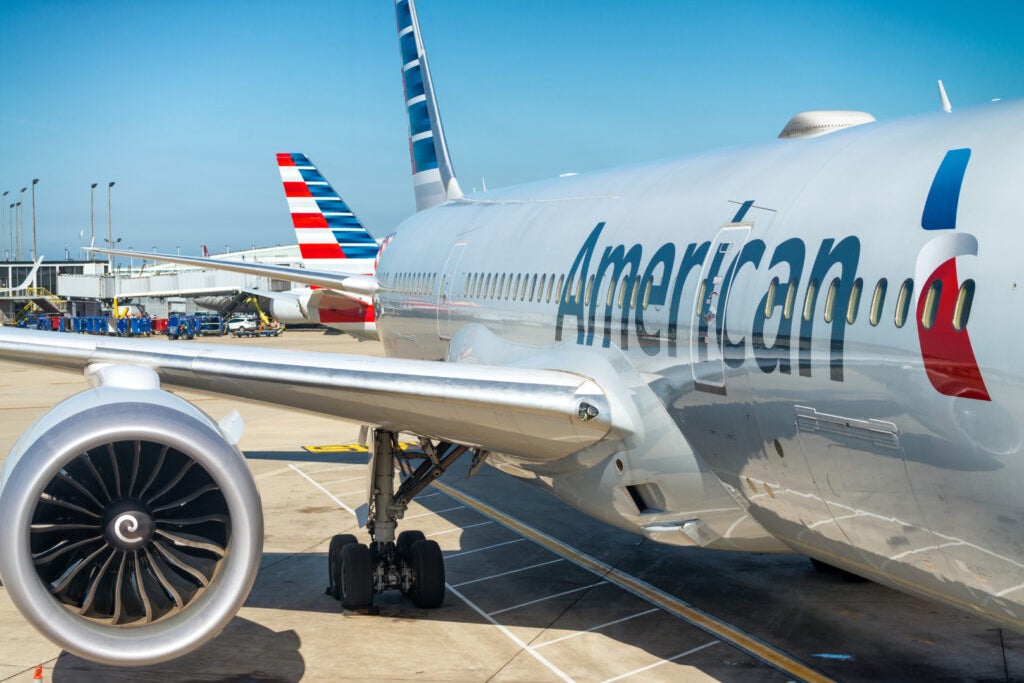
BofA Bullish on U.S. Airlines Ahead of Q2 Earnings

- Strong Demand: BofA analysts highlight that as the summer travel peak approaches, demand for U.S. airlines remains robust, which is expected to drive growth in Q2 earnings and further bolster market confidence.
- Price Target Increases: Reflecting optimism about the industry's recovery, BofA has raised price targets for several airlines based on expectations of stable fares and strong demand, potentially attracting more investor interest.
- Stable Summer Fares: Analysts emphasize that stable summer fares indicate successful pricing strategies by airlines, which will help enhance overall profitability and strengthen competitive positioning in the market.
- Optimistic Industry Outlook: BofA's bullish outlook reflects confidence in the recovery of the airline sector, which is expected to draw more investment into the industry and drive up related stock prices.
See More
American Airlines to Open New Lounge at JFK Airport

- New Lounge Opening: American Airlines plans to open a 3,700-square-foot Grab-and-Go lounge at New York's JFK Airport by the end of this year, marking its first new facility at the airport in over four years, aimed at attracting high-paying customers to close the profit gap with Delta Air Lines and United Airlines.
- Facility Features: The new lounge will feature a barista bar offering hot and iced coffee drinks, along with hot and cold food options for travelers to grab quickly, enhancing customer experience and catering to the needs of fast-moving passengers.
- Market Competition: This initiative reflects American Airlines' strategic adjustment in the high-end market competition, as airlines increasingly add short-visit lounges to avoid overcrowding in larger clubs, particularly in the competitive landscape against Delta and United.
- Historical Context: Despite opening high-end lounges in 2022, American Airlines has lagged in updating its JFK facilities compared to other cities, and the introduction of this new lounge signifies a renewed focus on the New York market and an effort to enhance its appeal to premium customers.
See More

Market Outlook and Company Updates


- Market Performance: On the last trading day of June, the S&P 500 is up nearly 14% and the Nasdaq has risen almost 20%, marking the best quarterly performance since Q2 2020, reflecting optimistic market sentiment regarding economic recovery.
- Comcast Upgrade: Deutsche Bank upgraded Comcast from hold to buy, anticipating that its planned spin-off of NBCUniversal will unlock value, leading to a 4.5% rise in shares yesterday and an additional 2.5% increase in early trading, indicating strong market confidence in future growth.
- Semiconductor Equipment Price Target Increases: Price targets for Applied Materials and Lam Research were significantly raised from $575 and $385 to $900 and $475, respectively, highlighting their critical role in semiconductor manufacturing amid a computing shortage.
- Airline Price Target Increases: Wells Fargo raised Delta Air Lines' price target from $75 to $105 and United Airlines' from $130 to $165, benefiting from a drop in crude transport prices, showcasing the recovery potential in the airline industry.
See More
Airlines Adjust Seasonal Flights to Meet Demand
- Extended Flight Seasons: American Airlines has initiated flights from New York to Edinburgh starting in March, while United Airlines will extend its nonstop service to Palermo through December, reflecting airlines' proactive response to off-peak demand aimed at boosting overall revenue.
- High-End Market Appeal: International flights typically offer more premium seating, with some business-class fares reaching $10,000, and airlines plan to expand these options further to attract high-spending customers and enhance profit margins.
- Maintenance Schedule Adjustments: With the increase in shoulder season and off-peak travel, Delta Airlines is rethinking its maintenance and crew scheduling to ensure aircraft availability during the peak fall season, thereby optimizing operational efficiency.
- Shifting Market Demand: Flexible work policies among younger generations are leading more consumers to travel during non-traditional seasons, prompting airlines to adjust flight schedules to accommodate this trend and capture spending opportunities from high-net-worth travelers.
See More
U.S. Stocks Rise, S&P 500 Hits Two-Week High
- Employment Data Impact: U.S. nonfarm payrolls rose by 57,000 in June, falling short of the expected 113,000, with May's figures revised down to 129,000, indicating a slowdown in the labor market that could influence the Fed's rate hike decisions, thereby providing support for the stock market.
- Strong Market Performance: The S&P 500 index increased by 0.67%, and the Dow Jones Industrial Average rose by 0.85%, reaching an all-time high, reflecting market optimism for a 23% increase in Q2 earnings, particularly as AI infrastructure stocks are expected to contribute nearly 60% of earnings growth.
- International Market Rally: The Euro Stoxx 50 index climbed by 1.32%, hitting a new record high, indicating positive sentiment in global markets, especially against the backdrop of strong U.S. stock performance, which further boosts investor confidence.
- Oil Price Decline Impact: WTI crude oil prices fell by over 1% to a fresh 4.25-month low due to increased global supplies, which lowers inflation expectations and may provide additional support for the stock market, particularly benefiting airlines and cruise companies from reduced fuel costs.
See More
PANW, AAL, MRNA Stocks Surge Amid Optimism
- PANW Stock Surge: Palo Alto Networks (PANW) stock jumped over 3% to a 52-week high of $358.10, driven by Wells Fargo and BTIG raising their price targets to $420 and $380 respectively, reflecting strong confidence in product demand and likely enhancing the company's market share in cybersecurity.
- AAL Stock Rise: American Airlines Group (AAL) stock closed up 0.44%, reaching an annual high of $18.47, buoyed by falling global oil prices and robust travel demand, with Bernstein and BofA analysts raising their price targets to $23 and $19, indicating a positive outlook for the company's performance.
- MRNA Stock Climb: Moderna (MRNA) stock increased over 3%, hitting a new high of $73.91, following the announcement of a new strategy at Science Day to expand its mRNA platform to include infectious disease vaccines, cancer vaccines, and rare disease therapeutics, which is expected to drive future revenue growth.
- Market Sentiment Shift: As PANW, AAL, and MRNA stocks rise, retail investor sentiment has shifted from neutral to bullish, particularly with MRNA surging 134.93% in 2026, highlighting significant market interest in its new products and strategies.
See More
BofA Bullish on U.S. Airlines Ahead of Q2 Earnings
- Strong Demand: BofA analysts highlight that as the summer travel peak approaches, demand for U.S. airlines remains robust, which is expected to drive growth in Q2 earnings and further bolster market confidence.
- Price Target Increases: Reflecting optimism about the industry's recovery, BofA has raised price targets for several airlines based on expectations of stable fares and strong demand, potentially attracting more investor interest.
- Stable Summer Fares: Analysts emphasize that stable summer fares indicate successful pricing strategies by airlines, which will help enhance overall profitability and strengthen competitive positioning in the market.
- Optimistic Industry Outlook: BofA's bullish outlook reflects confidence in the recovery of the airline sector, which is expected to draw more investment into the industry and drive up related stock prices.
See More
American Airlines to Open New Lounge at JFK Airport
- New Lounge Opening: American Airlines plans to open a 3,700-square-foot Grab-and-Go lounge at New York's JFK Airport by the end of this year, marking its first new facility at the airport in over four years, aimed at attracting high-paying customers to close the profit gap with Delta Air Lines and United Airlines.
- Facility Features: The new lounge will feature a barista bar offering hot and iced coffee drinks, along with hot and cold food options for travelers to grab quickly, enhancing customer experience and catering to the needs of fast-moving passengers.
- Market Competition: This initiative reflects American Airlines' strategic adjustment in the high-end market competition, as airlines increasingly add short-visit lounges to avoid overcrowding in larger clubs, particularly in the competitive landscape against Delta and United.
- Historical Context: Despite opening high-end lounges in 2022, American Airlines has lagged in updating its JFK facilities compared to other cities, and the introduction of this new lounge signifies a renewed focus on the New York market and an effort to enhance its appeal to premium customers.
See More
Market Outlook and Company Updates
- Market Performance: On the last trading day of June, the S&P 500 is up nearly 14% and the Nasdaq has risen almost 20%, marking the best quarterly performance since Q2 2020, reflecting optimistic market sentiment regarding economic recovery.
- Comcast Upgrade: Deutsche Bank upgraded Comcast from hold to buy, anticipating that its planned spin-off of NBCUniversal will unlock value, leading to a 4.5% rise in shares yesterday and an additional 2.5% increase in early trading, indicating strong market confidence in future growth.
- Semiconductor Equipment Price Target Increases: Price targets for Applied Materials and Lam Research were significantly raised from $575 and $385 to $900 and $475, respectively, highlighting their critical role in semiconductor manufacturing amid a computing shortage.
- Airline Price Target Increases: Wells Fargo raised Delta Air Lines' price target from $75 to $105 and United Airlines' from $130 to $165, benefiting from a drop in crude transport prices, showcasing the recovery potential in the airline industry.
See More





