

JSAIY vs. WMT: Which Stock is the Better Buy for Value Investors Right Now?
Written by Emily J. Thompson, Senior Investment Analyst
Updated: Sep 24 2025
0mins
Source: NASDAQ.COM
Comparison of J. Sainsbury PLC and Walmart: J. Sainsbury PLC (JSAIY) has a stronger Zacks Rank (#1) compared to Walmart (WMT) (#3), indicating a better earnings outlook for JSAIY, making it a more attractive option for value investors.
Valuation Metrics: JSAIY shows favorable valuation metrics with a forward P/E ratio of 13.80 and a P/B ratio of 1.24, while WMT has a higher forward P/E of 39.39 and a P/B of 8.47, contributing to JSAIY's superior Value grade of A versus WMT's C.
Trade with 70% Backtested Accuracy
Stop guessing "Should I Buy WMT?" and start using high-conviction signals backed by rigorous historical data.
Sign up today to access powerful investing tools and make smarter, data-driven decisions.
Analyst Views on WMT
Wall Street analysts forecast WMT stock price to rise
26 Analyst Rating
25 Buy
1 Hold
0 Sell
Strong Buy
Current: 111.840

Low
119.00
Averages
125.75
High
136.00
Current: 111.840
Low
119.00
Averages
125.75
High
136.00
About WMT
Walmart Inc. is a technology-powered omnichannel retailer. The Company is engaged in the operation of retail and wholesale stores and clubs, as well as eCommerce Websites and mobile applications, located throughout the United States (U.S.), Africa, Canada, Central America, Chile, China, India and Mexico. It operates in three reportable segments: Walmart U.S., Walmart International and Sam's Club U.S. The Walmart U.S. segment includes the Company's mass merchandising concept in the U.S., as well as eCommerce, which includes omni-channel initiatives and certain other business offerings such as advertising services. The Walmart International segment consists of the Company's operations outside of the U.S. through its subsidiaries, as well as eCommerce and omni-channel initiatives. The Sam's Club U.S. segment includes the warehouse membership clubs in the U.S., as well as samsclub.com and omni-channel initiatives.
About the author

Emily J. Thompson
Emily J. Thompson, a Chartered Financial Analyst (CFA) with 12 years in investment research, graduated with honors from the Wharton School. Specializing in industrial and technology stocks, she provides in-depth analysis for Intellectia’s earnings and market brief reports.

Walmart Stock Dips Slightly Ahead of Positive Earnings Outlook

- Stock Performance: Walmart (WMT) closed at $110.65, down 1.06% from the previous day, underperforming the S&P 500's gain of 0.72%, indicating market caution regarding its short-term outlook.
- Earnings Expectations: Walmart is set to announce its earnings on August 20, 2026, with an anticipated EPS of $0.74, reflecting an 8.82% year-over-year increase, suggesting a positive growth trajectory in profitability.
- Analyst Estimate Changes: Recent upward revisions in analyst earnings estimates for Walmart indicate growing optimism about the company's profitability, with the Zacks consensus EPS estimate rising by 0.11% over the past month.
- Valuation Analysis: Walmart's forward P/E ratio stands at 38.72, significantly higher than the industry average of 13.96, highlighting investor confidence in its future growth while also posing potential valuation risks that require careful assessment.
See More
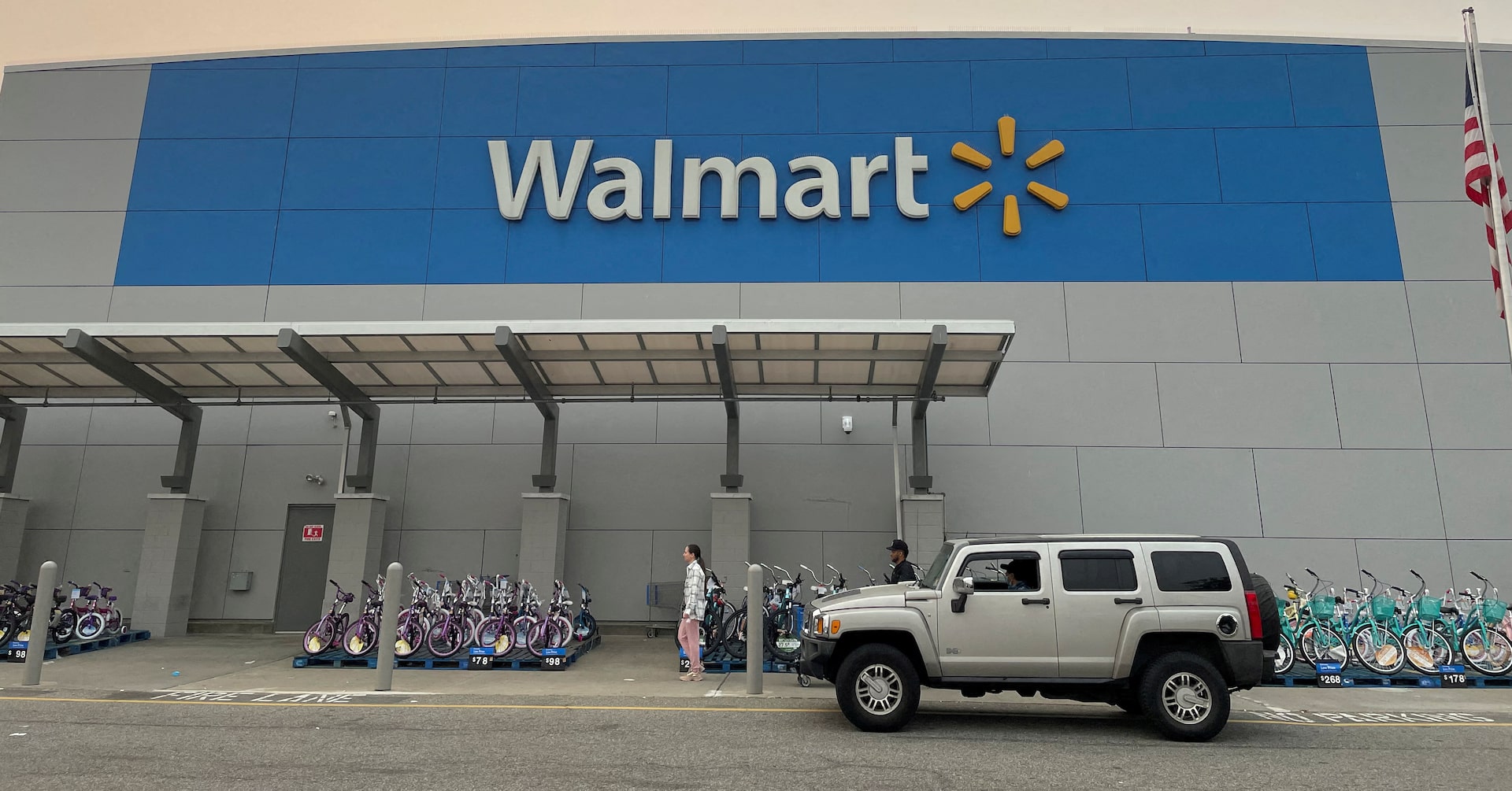
Walmart's Stock Split and Performance Analysis
- Stock Split Impact: In February 2024, Walmart announced a 3-for-1 stock split, providing investors with two additional shares for each share owned, aimed at increasing liquidity and making shares more affordable, despite no fundamental changes.
- Strong Financial Performance: Walmart has achieved 12 consecutive years of same-store sales growth, with e-commerce sales surging 26% year-over-year in the latest fiscal quarter, demonstrating its resilience and competitive edge in the retail sector.
- Profitability Growth: Over the past five years, Walmart's diluted earnings per share have increased by 107%, with a projected compound annual growth rate of 12% over the next three years, indicating robust profitability and investor confidence.
- Valuation Pressure: Despite Walmart's significant scale and sales advantages, its price-to-earnings ratio has reached 39.4, expanding 145% over the past decade, suggesting potential valuation contraction ahead, necessitating cautious evaluation by investors.
See More
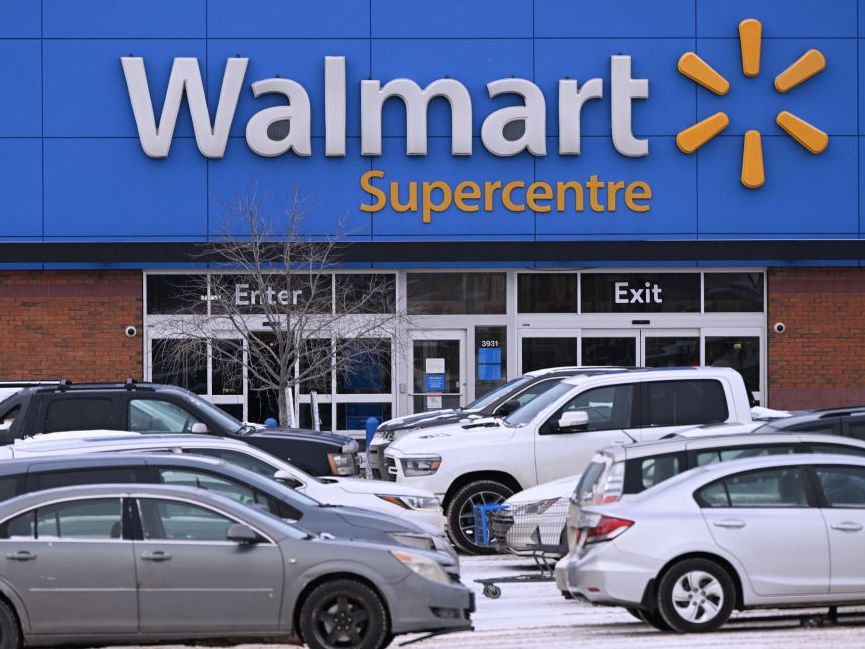
Walmart's Major Price Cuts Spark Competitive Pressure
- Price Cut Implementation: Walmart confirmed broad discounts across its Walmart and Sam's Club stores, including a nearly 15% reduction in ground beef prices, aimed at celebrating the U.S. 250th anniversary, despite persistent inflation, showcasing the company's strategic response to economic pressures.
- Economic Context Impact: The U.S. Consumer Price Index (CPI) rose to 4.2% in May, the highest since April 2023, and Walmart's price cuts not only address consumer concerns over living costs but may also carry significant political weight ahead of the upcoming midterm elections.
- Competitor Response: Walmart's price cuts have put pressure on competitors, with Target's stock sliding over 3%, indicating its limited flexibility in reducing prices on everyday essentials without jeopardizing profitability, highlighting differing financial realities among retailers.
- Market Sentiment Shift: On Stocktwits, retail sentiment around Walmart remained bullish, with message volume surging 1,783% in 24 hours, reflecting investor optimism about the company's future performance, even as its stock has slipped 0.6% year-to-date.
See More

Amazon Surpasses Walmart in Revenue

- Revenue Milestone: Amazon has surpassed Walmart in trailing twelve-month revenue for the first time, indicating robust growth in the retail sector that may further solidify its market leadership.
- Investment Signal: A new 'Total Conviction' signal is emerging, reminiscent of the 'Double Down' signal for Nvidia in 2009, suggesting potential investment opportunities, particularly for smaller companies.
- Investment Recommendations: The Motley Fool's analyst team has identified 10 top stocks for investors, notably excluding Walmart, which reflects a cautious outlook on its future performance and may impact investor confidence.
- Return Comparison: Stock Advisor boasts an average return of 918%, significantly outperforming the S&P 500's 208%, highlighting the strong performance of its recommended stocks and attracting more investor interest.
See More

Amazon Surpasses Walmart in Revenue Metrics
- Revenue Leadership: Amazon has surpassed Walmart in trailing twelve-month revenue, indicating strong growth momentum in the retail market and further solidifying its market leadership position.
- Stock Performance: As of the afternoon of July 3, 2026, Amazon's stock price rose by 0.61%, reflecting positive investor sentiment towards its revenue growth, which may bolster future investment confidence.
- Market Competition: This revenue milestone signifies a critical achievement for Amazon in its competition with Walmart, potentially prompting Walmart to adopt new strategies to respond to market changes.
- Video Release Impact: The video published on July 5, 2026, aims to highlight Amazon's market performance, potentially attracting more consumer and investor attention to its future developments.
See More

Walmart Launches Summer Price Rollbacks on Essentials
- Price Rollback Strategy: Walmart and Sam's Club are implementing nationwide price reductions on beef, grilling essentials, and thousands of summer favorites, aiming to attract more customers and boost sales.
- Product Coverage: The price cuts encompass a wide range of categories including beef, fresh produce, beverages, grills, pools, toys, and summer fashion apparel, demonstrating Walmart's keen insight into consumer demand.
- Investment Commitment: Julie Barber, Executive Vice President and Chief Merchant of Walmart U.S., stated that the company is making further investments in pricing to meet customer demand for popular products, thereby enhancing its competitive position in the market.
- Stock Market Performance: As of the last close, Walmart shares were trading at $110.65, down 1.06%, reflecting market caution regarding the price rollback strategy, which may impact short-term stock price volatility.
See More
Walmart Stock Dips Slightly Ahead of Positive Earnings Outlook
- Stock Performance: Walmart (WMT) closed at $110.65, down 1.06% from the previous day, underperforming the S&P 500's gain of 0.72%, indicating market caution regarding its short-term outlook.
- Earnings Expectations: Walmart is set to announce its earnings on August 20, 2026, with an anticipated EPS of $0.74, reflecting an 8.82% year-over-year increase, suggesting a positive growth trajectory in profitability.
- Analyst Estimate Changes: Recent upward revisions in analyst earnings estimates for Walmart indicate growing optimism about the company's profitability, with the Zacks consensus EPS estimate rising by 0.11% over the past month.
- Valuation Analysis: Walmart's forward P/E ratio stands at 38.72, significantly higher than the industry average of 13.96, highlighting investor confidence in its future growth while also posing potential valuation risks that require careful assessment.
See More
Walmart's Stock Split and Performance Analysis
- Stock Split Impact: In February 2024, Walmart announced a 3-for-1 stock split, providing investors with two additional shares for each share owned, aimed at increasing liquidity and making shares more affordable, despite no fundamental changes.
- Strong Financial Performance: Walmart has achieved 12 consecutive years of same-store sales growth, with e-commerce sales surging 26% year-over-year in the latest fiscal quarter, demonstrating its resilience and competitive edge in the retail sector.
- Profitability Growth: Over the past five years, Walmart's diluted earnings per share have increased by 107%, with a projected compound annual growth rate of 12% over the next three years, indicating robust profitability and investor confidence.
- Valuation Pressure: Despite Walmart's significant scale and sales advantages, its price-to-earnings ratio has reached 39.4, expanding 145% over the past decade, suggesting potential valuation contraction ahead, necessitating cautious evaluation by investors.
See More
Walmart's Major Price Cuts Spark Competitive Pressure
- Price Cut Implementation: Walmart confirmed broad discounts across its Walmart and Sam's Club stores, including a nearly 15% reduction in ground beef prices, aimed at celebrating the U.S. 250th anniversary, despite persistent inflation, showcasing the company's strategic response to economic pressures.
- Economic Context Impact: The U.S. Consumer Price Index (CPI) rose to 4.2% in May, the highest since April 2023, and Walmart's price cuts not only address consumer concerns over living costs but may also carry significant political weight ahead of the upcoming midterm elections.
- Competitor Response: Walmart's price cuts have put pressure on competitors, with Target's stock sliding over 3%, indicating its limited flexibility in reducing prices on everyday essentials without jeopardizing profitability, highlighting differing financial realities among retailers.
- Market Sentiment Shift: On Stocktwits, retail sentiment around Walmart remained bullish, with message volume surging 1,783% in 24 hours, reflecting investor optimism about the company's future performance, even as its stock has slipped 0.6% year-to-date.
See More
Amazon Surpasses Walmart in Revenue
- Revenue Milestone: Amazon has surpassed Walmart in trailing twelve-month revenue for the first time, indicating robust growth in the retail sector that may further solidify its market leadership.
- Investment Signal: A new 'Total Conviction' signal is emerging, reminiscent of the 'Double Down' signal for Nvidia in 2009, suggesting potential investment opportunities, particularly for smaller companies.
- Investment Recommendations: The Motley Fool's analyst team has identified 10 top stocks for investors, notably excluding Walmart, which reflects a cautious outlook on its future performance and may impact investor confidence.
- Return Comparison: Stock Advisor boasts an average return of 918%, significantly outperforming the S&P 500's 208%, highlighting the strong performance of its recommended stocks and attracting more investor interest.
See More
Amazon Surpasses Walmart in Revenue Metrics
- Revenue Leadership: Amazon has surpassed Walmart in trailing twelve-month revenue, indicating strong growth momentum in the retail market and further solidifying its market leadership position.
- Stock Performance: As of the afternoon of July 3, 2026, Amazon's stock price rose by 0.61%, reflecting positive investor sentiment towards its revenue growth, which may bolster future investment confidence.
- Market Competition: This revenue milestone signifies a critical achievement for Amazon in its competition with Walmart, potentially prompting Walmart to adopt new strategies to respond to market changes.
- Video Release Impact: The video published on July 5, 2026, aims to highlight Amazon's market performance, potentially attracting more consumer and investor attention to its future developments.
See More
Walmart Launches Summer Price Rollbacks on Essentials
- Price Rollback Strategy: Walmart and Sam's Club are implementing nationwide price reductions on beef, grilling essentials, and thousands of summer favorites, aiming to attract more customers and boost sales.
- Product Coverage: The price cuts encompass a wide range of categories including beef, fresh produce, beverages, grills, pools, toys, and summer fashion apparel, demonstrating Walmart's keen insight into consumer demand.
- Investment Commitment: Julie Barber, Executive Vice President and Chief Merchant of Walmart U.S., stated that the company is making further investments in pricing to meet customer demand for popular products, thereby enhancing its competitive position in the market.
- Stock Market Performance: As of the last close, Walmart shares were trading at $110.65, down 1.06%, reflecting market caution regarding the price rollback strategy, which may impact short-term stock price volatility.
See More





