

Elon Musk's Wealth Surges, Outpacing Rivals
Written by Emily J. Thompson, Senior Investment Analyst
Updated: Feb 20 2026
0mins


Source: Benzinga
- Wealth Surge: According to Bloomberg estimates, Musk's net worth reached $672 billion in 2026, increasing by $53 billion from the previous year, showcasing his dominant position on the global billionaire list.
- Market Comparison: Musk's wealth is equivalent to the combined market capitalization of four major automakers at $531 billion, leaving him with a surplus of $141 billion, highlighting Tesla's leading edge in the electric vehicle sector.
- Wealth History: Since January 2021, Musk has frequently topped the billionaire rankings, briefly losing the title to Bezos and Arnault in 2022 and 2024, yet maintaining a relatively stable position over the past two years.
- Future Outlook: With a potential SpaceX IPO in 2026 valued at $1.5 trillion, Musk could become the world's first trillionaire, further solidifying his wealth status.
Trade with 70% Backtested Accuracy
Stop guessing "Should I Buy TSLA?" and start using high-conviction signals backed by rigorous historical data.
Sign up today to access powerful investing tools and make smarter, data-driven decisions.
Analyst Views on TSLA
Wall Street analysts forecast TSLA stock price to fall
30 Analyst Rating
12 Buy
11 Hold
7 Sell
Hold
Current: 435.790

Low
25.28
Averages
401.93
High
600.00
Current: 435.790
Low
25.28
Averages
401.93
High
600.00
About TSLA
Tesla, Inc. designs, develops, manufactures, sells and leases high-performance fully electric vehicles and energy generation and storage systems, and offers services related to its products. Its segments include automotive, and energy generation and storage. The automotive segment includes the design, development, manufacturing, sales and leasing of high-performance fully electric vehicles, and sales of automotive regulatory credits. It also includes sales of used vehicles, non-warranty maintenance services and collisions, part sales, paid supercharging, insurance services revenue and retail merchandise sales. The energy generation and storage segment include the design, manufacture, installation, sales and leasing of solar energy generation and energy storage products and related services and sales of solar energy systems incentives. Its consumer vehicles include the Model 3, Y, S, X and Cybertruck. Its lithium-ion battery energy storage products include Powerwall and Megapack.
About the author

Emily J. Thompson
Emily J. Thompson, a Chartered Financial Analyst (CFA) with 12 years in investment research, graduated with honors from the Wharton School. Specializing in industrial and technology stocks, she provides in-depth analysis for Intellectia’s earnings and market brief reports.

Speculation Grows Around SpaceX-Tesla Merger

- Merger Expectations Rise: With SpaceX aiming for a $2 trillion valuation in its IPO, speculation about a merger with Tesla is intensifying, as over half of bettors predict it will occur before May 1, 2027, which could significantly impact the future market performance of both companies.
- Frequent Internal Discussions: A Tesla employee revealed that merger discussions are common within the company, indicating a strong expectation among staff, particularly as both companies have substantial investments in artificial intelligence, which could facilitate technological integration and synergies.
- Significant Funding Challenges: Despite Tesla's cash reserves of approximately $45 billion, SpaceX only has about $16.6 billion, meaning that funding the merger could compel the acquirer to raise substantial debt or issue new shares, leading to significant dilution and potentially undermining investor confidence.
- Cautious Market Reaction: Analysts warn that the merger could lead to skepticism regarding the valuation of the combined entity, especially considering the potential for lower multiples and investor reluctance towards new business areas, which may affect the merger's success rate.
See More

Impact of SpaceX IPO on Tesla
- Investor Attention Shift: The planned SpaceX IPO could lead investors to divert their attention and capital away from Tesla, particularly given SpaceX's rapid growth potential across multiple industries, which may exert short-term pressure on Tesla's stock price.
- Increased Market Competition: With SpaceX going public, many retail investors might opt to reduce their Tesla holdings to invest in SpaceX, and this capital shift could impact Tesla's market performance, especially in a context of limited investor capital.
- Ecosystem Strategy Reinforcement: Despite the short-term risks, SpaceX's successful IPO could enhance investor confidence in Musk's technology ecosystem, thereby indirectly supporting Tesla's long-term growth potential in artificial intelligence and autonomous driving.
- Governance Risks Rising: As Musk manages multiple companies simultaneously, investors may begin to scrutinize whether Tesla receives fair value from partnerships with SpaceX and whether Musk's attention is too divided, which could lead to greater scrutiny of Tesla's stock during market volatility.
See More
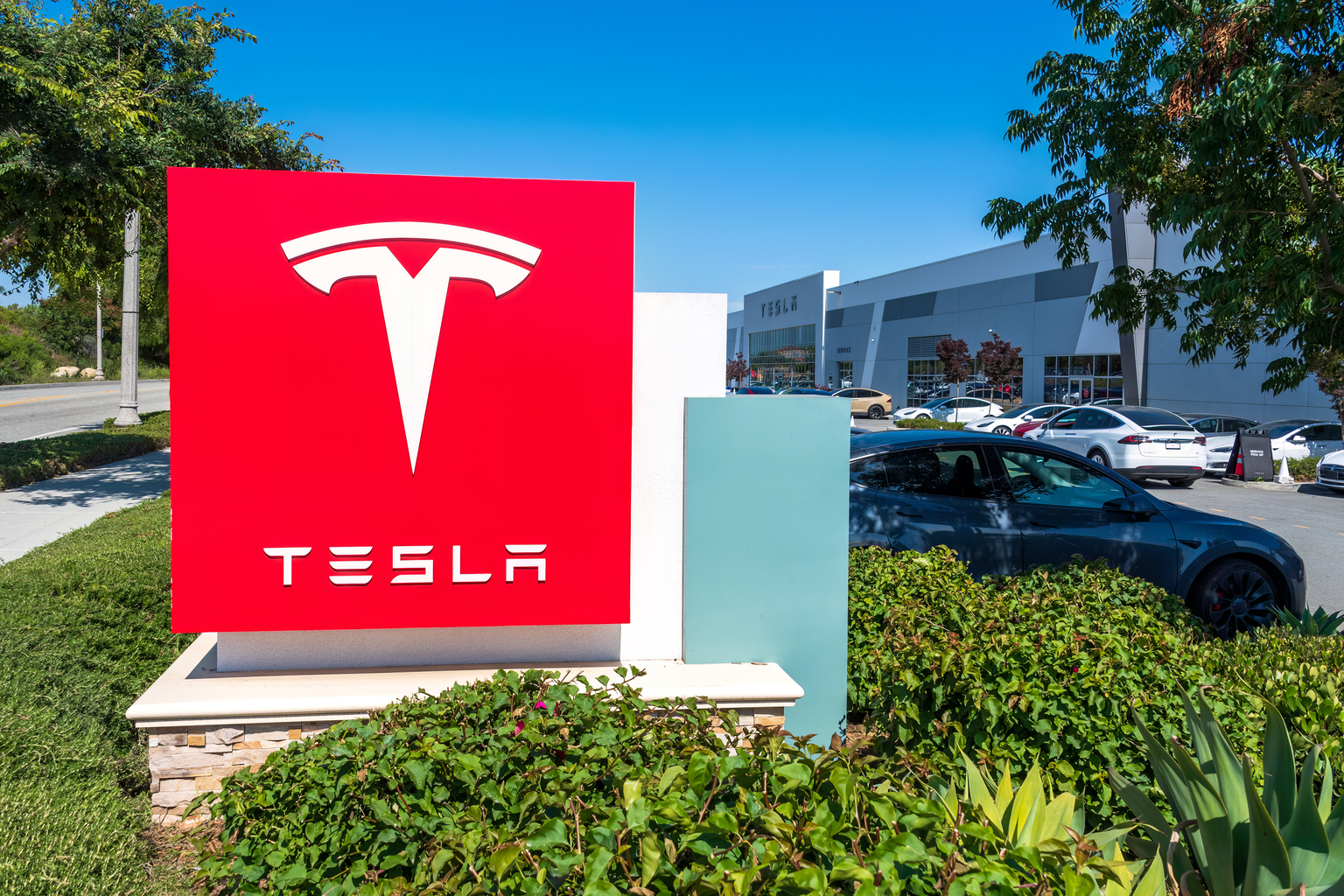
Tesla Vehicle Registrations Surge in Europe
- France Registration Surge: Tesla's registrations in France soared by 655% year-over-year to 5,446 vehicles, indicating strong demand for EVs and further solidifying Tesla's market position in Europe.
- Norway Market Performance: In Norway, Tesla registrations increased by 29% to 3,345 vehicles, reflecting the ongoing consumer preference for electric vehicles in the country and driving sales growth in Northern Europe.
- Emerging Small Markets: Registrations in smaller markets like Denmark, Portugal, and Spain grew by 136%, 349%, and 113% respectively, showcasing Tesla's increasing penetration in these regions and enhancing its competitive edge across Europe.
- Challenges in Italy: Despite a 23.5% year-over-year decline in registrations to 654 vehicles in Italy, sales rose over 15% in the first five months, indicating potential recovery opportunities for Tesla in a challenging market environment.
See More
Andrew Left Found Guilty of Securities Fraud

- Securities Fraud Verdict: A U.S. jury found prominent investor Andrew Left guilty of securities fraud, involving misleading claims about multiple companies, including Nvidia and Tesla, with a potential maximum sentence of 25 years, indicating increased regulatory scrutiny on short-sellers.
- Profit Generation: Left illegally profited over $21 million from 2018 to 2023 by manipulating the stock market, leveraging his social media influence to issue recommendations that appeared trustworthy while taking opposite trading positions, highlighting the risks associated with short-selling.
- Legal Consequences: Despite denying the allegations and vowing to appeal, Left's conviction on 12 counts of securities fraud reflects the U.S. Justice Department's zero-tolerance stance on market manipulation, which may impact investor confidence across the board.
- Market Implications: The verdict could have far-reaching effects on the short-selling community, prompting investors to reassess market recommendations, particularly those disseminated via social media, potentially leading to a reevaluation of short-selling strategies and further regulatory measures.
See More
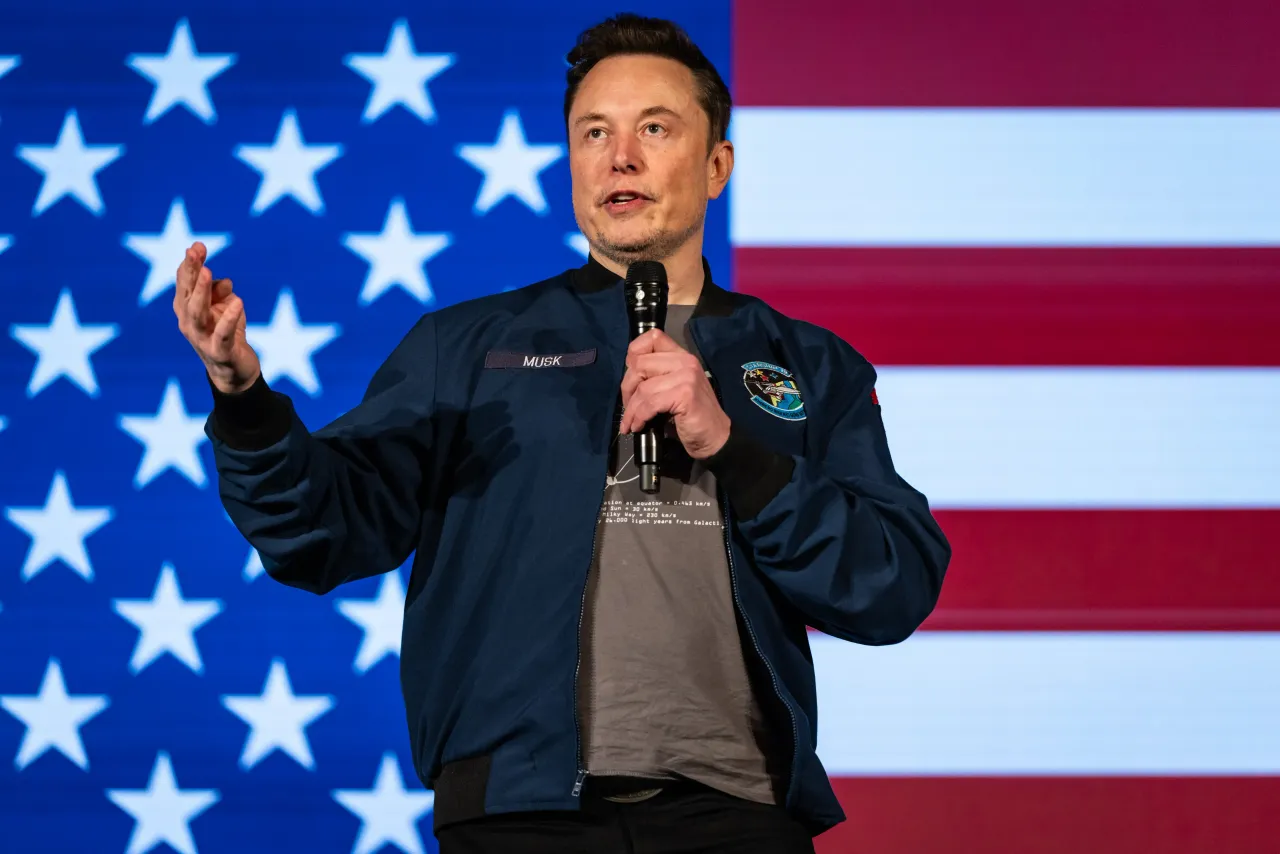
SpaceX May Issue Significant Equity, Sparking Tesla Merger Speculation
- Equity Issuance Concerns: SpaceX's amended S-1 filing reveals plans to issue significant equity in future transactions, sparking speculation about a potential merger with Tesla, which saw its shares drop 5% on Monday to $415.88, making it the worst performer among the 'Magnificent Seven'.
- Market Reaction Analysis: Gary Black highlighted that the potential issuance of SpaceX equity could lead to a 28% dilution risk for Tesla shareholders, as investor concerns about the merger overshadowed a 0.6% gain in the Nasdaq 100, indicating strong market apprehension regarding the merger prospects.
- Retail Investor Sentiment: A poll by Tesla influencer Sawyer Merritt found that 36.5% of respondents do not plan to buy SpaceX shares at the IPO, reflecting a lack of confidence among retail investors that could impact the success of the IPO.
- Potential Merger Benefits: Tesla influencer AleXandra Merz noted that a merger would involve trading at relative fair market values, with SpaceX valued at $2.5 trillion and Tesla at $1.6 trillion, leading to a combined valuation of $4.1 trillion, suggesting Tesla's market value could rise by $450 billion, highlighting the strategic significance of the merger.
See More
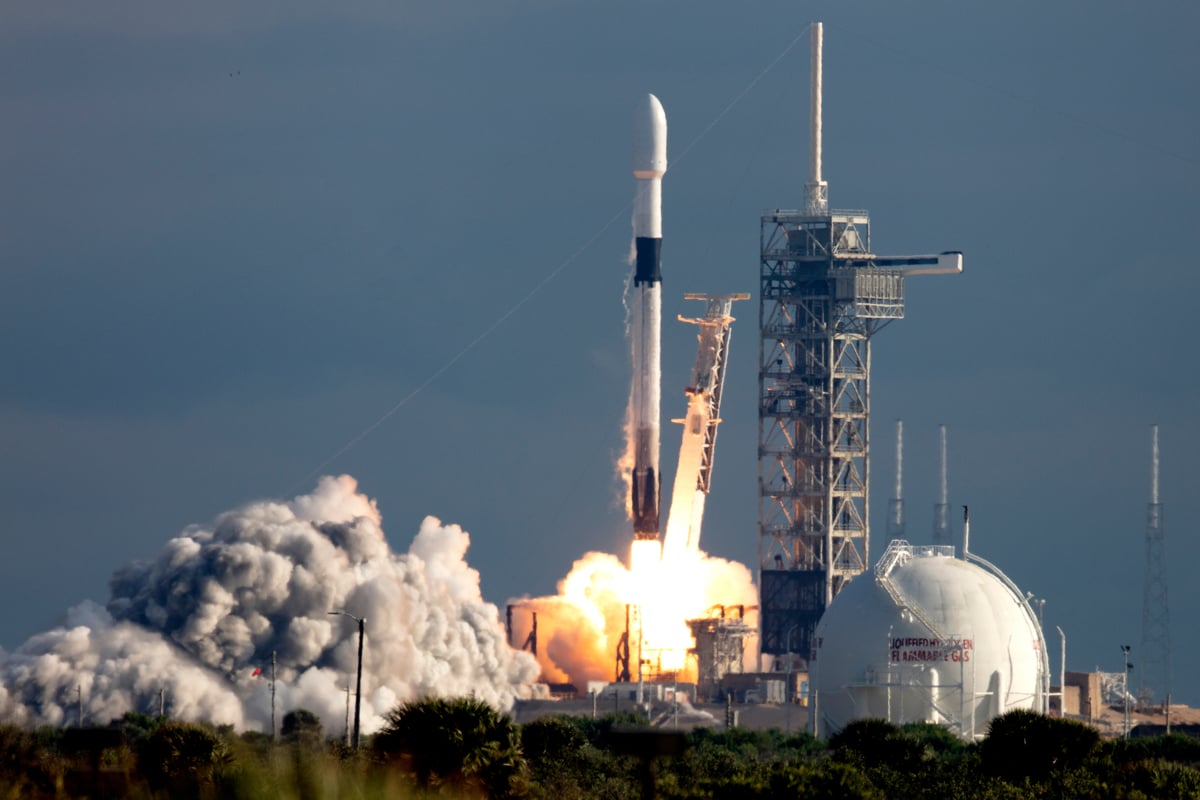
Analysis of SpaceX IPO Prospects and Market Impact

- IPO Plans: SpaceX filed its S-1 registration statement with the SEC on May 20, aiming for a June 12 IPO at a $1.75 trillion valuation, despite reporting a $2.59 billion net loss in 2025, indicating a lack of profitability.
- Market Share and Competitive Edge: By the end of 2025, SpaceX operated approximately 9,600 Starlink satellites serving millions of customers, maintaining a dominant position in the commercial space launch industry, although its revenue of $18.67 billion is significantly lower than its valuation.
- Impact of New Nasdaq Rules: Nasdaq plans to include SpaceX in the Nasdaq-100 index shortly after its IPO, with new rules allowing large companies to enter the index quickly, positioning SpaceX as the seventh-largest company and potentially increasing market volatility.
- Investment Strategy Recommendation: Given the high valuation and potential volatility of SpaceX's IPO, investors are advised to consider low-cost S&P 500 index funds to mitigate risk and achieve stable returns, especially as insider selling increases the float significantly.
See More
Speculation Grows Around SpaceX-Tesla Merger
- Merger Expectations Rise: With SpaceX aiming for a $2 trillion valuation in its IPO, speculation about a merger with Tesla is intensifying, as over half of bettors predict it will occur before May 1, 2027, which could significantly impact the future market performance of both companies.
- Frequent Internal Discussions: A Tesla employee revealed that merger discussions are common within the company, indicating a strong expectation among staff, particularly as both companies have substantial investments in artificial intelligence, which could facilitate technological integration and synergies.
- Significant Funding Challenges: Despite Tesla's cash reserves of approximately $45 billion, SpaceX only has about $16.6 billion, meaning that funding the merger could compel the acquirer to raise substantial debt or issue new shares, leading to significant dilution and potentially undermining investor confidence.
- Cautious Market Reaction: Analysts warn that the merger could lead to skepticism regarding the valuation of the combined entity, especially considering the potential for lower multiples and investor reluctance towards new business areas, which may affect the merger's success rate.
See More
Impact of SpaceX IPO on Tesla
- Investor Attention Shift: The planned SpaceX IPO could lead investors to divert their attention and capital away from Tesla, particularly given SpaceX's rapid growth potential across multiple industries, which may exert short-term pressure on Tesla's stock price.
- Increased Market Competition: With SpaceX going public, many retail investors might opt to reduce their Tesla holdings to invest in SpaceX, and this capital shift could impact Tesla's market performance, especially in a context of limited investor capital.
- Ecosystem Strategy Reinforcement: Despite the short-term risks, SpaceX's successful IPO could enhance investor confidence in Musk's technology ecosystem, thereby indirectly supporting Tesla's long-term growth potential in artificial intelligence and autonomous driving.
- Governance Risks Rising: As Musk manages multiple companies simultaneously, investors may begin to scrutinize whether Tesla receives fair value from partnerships with SpaceX and whether Musk's attention is too divided, which could lead to greater scrutiny of Tesla's stock during market volatility.
See More
Tesla Vehicle Registrations Surge in Europe
- France Registration Surge: Tesla's registrations in France soared by 655% year-over-year to 5,446 vehicles, indicating strong demand for EVs and further solidifying Tesla's market position in Europe.
- Norway Market Performance: In Norway, Tesla registrations increased by 29% to 3,345 vehicles, reflecting the ongoing consumer preference for electric vehicles in the country and driving sales growth in Northern Europe.
- Emerging Small Markets: Registrations in smaller markets like Denmark, Portugal, and Spain grew by 136%, 349%, and 113% respectively, showcasing Tesla's increasing penetration in these regions and enhancing its competitive edge across Europe.
- Challenges in Italy: Despite a 23.5% year-over-year decline in registrations to 654 vehicles in Italy, sales rose over 15% in the first five months, indicating potential recovery opportunities for Tesla in a challenging market environment.
See More
Andrew Left Found Guilty of Securities Fraud
- Securities Fraud Verdict: A U.S. jury found prominent investor Andrew Left guilty of securities fraud, involving misleading claims about multiple companies, including Nvidia and Tesla, with a potential maximum sentence of 25 years, indicating increased regulatory scrutiny on short-sellers.
- Profit Generation: Left illegally profited over $21 million from 2018 to 2023 by manipulating the stock market, leveraging his social media influence to issue recommendations that appeared trustworthy while taking opposite trading positions, highlighting the risks associated with short-selling.
- Legal Consequences: Despite denying the allegations and vowing to appeal, Left's conviction on 12 counts of securities fraud reflects the U.S. Justice Department's zero-tolerance stance on market manipulation, which may impact investor confidence across the board.
- Market Implications: The verdict could have far-reaching effects on the short-selling community, prompting investors to reassess market recommendations, particularly those disseminated via social media, potentially leading to a reevaluation of short-selling strategies and further regulatory measures.
See More
SpaceX May Issue Significant Equity, Sparking Tesla Merger Speculation
- Equity Issuance Concerns: SpaceX's amended S-1 filing reveals plans to issue significant equity in future transactions, sparking speculation about a potential merger with Tesla, which saw its shares drop 5% on Monday to $415.88, making it the worst performer among the 'Magnificent Seven'.
- Market Reaction Analysis: Gary Black highlighted that the potential issuance of SpaceX equity could lead to a 28% dilution risk for Tesla shareholders, as investor concerns about the merger overshadowed a 0.6% gain in the Nasdaq 100, indicating strong market apprehension regarding the merger prospects.
- Retail Investor Sentiment: A poll by Tesla influencer Sawyer Merritt found that 36.5% of respondents do not plan to buy SpaceX shares at the IPO, reflecting a lack of confidence among retail investors that could impact the success of the IPO.
- Potential Merger Benefits: Tesla influencer AleXandra Merz noted that a merger would involve trading at relative fair market values, with SpaceX valued at $2.5 trillion and Tesla at $1.6 trillion, leading to a combined valuation of $4.1 trillion, suggesting Tesla's market value could rise by $450 billion, highlighting the strategic significance of the merger.
See More
Analysis of SpaceX IPO Prospects and Market Impact
- IPO Plans: SpaceX filed its S-1 registration statement with the SEC on May 20, aiming for a June 12 IPO at a $1.75 trillion valuation, despite reporting a $2.59 billion net loss in 2025, indicating a lack of profitability.
- Market Share and Competitive Edge: By the end of 2025, SpaceX operated approximately 9,600 Starlink satellites serving millions of customers, maintaining a dominant position in the commercial space launch industry, although its revenue of $18.67 billion is significantly lower than its valuation.
- Impact of New Nasdaq Rules: Nasdaq plans to include SpaceX in the Nasdaq-100 index shortly after its IPO, with new rules allowing large companies to enter the index quickly, positioning SpaceX as the seventh-largest company and potentially increasing market volatility.
- Investment Strategy Recommendation: Given the high valuation and potential volatility of SpaceX's IPO, investors are advised to consider low-cost S&P 500 index funds to mitigate risk and achieve stable returns, especially as insider selling increases the float significantly.
See More




