Delta Air Lines Unveils Updated Delta One Suites for Premium Travelers
Written by Emily J. Thompson, Senior Investment Analyst
Updated: Apr 13 2026
0mins
Source: Newsfilter
- Product Update: Delta Air Lines has unveiled an updated Delta One suite for its long-haul Airbus A350-1000 aircraft, marking the first refresh in a decade aimed at attracting premium travelers and enhancing market competitiveness.
- Seat Improvements: The new suites feature beds that are three inches longer and include a new pillow-top cushion, providing more leg and knee room to accommodate most side sleepers, thereby enhancing passenger comfort and satisfaction.
- Revenue Growth: Delta's premium ticket revenue rose by 14% year-over-year in the first quarter, indicating a sustained demand from affluent customers for premium seating, which further boosts the company's profitability.
- Industry Competition: As Delta and other airlines refresh their cabins and add more profitable premium seats, it reflects the industry's proactive response to market changes to meet the increasing demand for high-end travel experiences.
Trade with 70% Backtested Accuracy
Stop guessing "Should I Buy DAL?" and start using high-conviction signals backed by rigorous historical data.
Sign up today to access powerful investing tools and make smarter, data-driven decisions.
Analyst Views on DAL
Wall Street analysts forecast DAL stock price to rise
18 Analyst Rating
18 Buy
0 Hold
0 Sell
Strong Buy
Current: 71.550

Low
77.00
Averages
83.50
High
90.00
Current: 71.550
Low
77.00
Averages
83.50
High
90.00
About DAL
Delta Air Lines, Inc. provides scheduled air transportation for passengers and cargo throughout the United States and around the world. The Company has hubs and markets in Amsterdam, Atlanta, Bogota, Boston, Detroit, Lima, London-Heathrow, Los Angeles, Mexico City, Minneapolis-St. Paul, New York-JFK and LaGuardia, Paris-Charles de Gaulle, Salt Lake City, Santiago (Chile), Sao Paulo, Seattle, Seoul-Incheon, and Tokyo. Its segments include Airline and Refinery. Its airline segment is managed as a single business unit that provides scheduled air transportation for passengers and cargo throughout the United States and around the world and includes its loyalty program, as well as other ancillary businesses. Its refinery segment operates for the benefit of the airline segment by providing jet fuel to the airline segment from its own production and through jet fuel obtained through agreements with third parties. The refinery's production consists of jet fuel as well as non-jet fuel products.
About the author

Emily J. Thompson
Emily J. Thompson, a Chartered Financial Analyst (CFA) with 12 years in investment research, graduated with honors from the Wharton School. Specializing in industrial and technology stocks, she provides in-depth analysis for Intellectia’s earnings and market brief reports.

Nasdaq and S&P 500 Futures Plunge Over 1%


- Inflation Concerns Rise: The yield on 10-year U.S. Treasury notes surged to 4.54%, the highest since June 2025, driven by inflation expectations stemming from the Middle East conflict, which could hinder economic growth as investors brace for faster interest rate hikes.
- Increased Rate Hike Odds: The probability of a 25 basis point rate hike by the Federal Reserve in December has more than doubled to about 40% over the past week, according to CME Group's Fedwatch tool, indicating heightened market anxiety regarding monetary policy that may negatively impact stock prices.
- Rising Energy Prices: Brent crude prices rose nearly 3% to $109 per barrel as the closure of the Strait of Hormuz heightened concerns over global energy supplies, potentially fueling inflation expectations and increasing borrowing costs, which could dampen investor sentiment in tech stocks.
- Market Pullback Signs: Following record-setting sessions, Nasdaq and S&P 500 futures fell by 1.56% and 1.07%, respectively, reflecting market concerns over persistent inflation and rising interest rates, despite previous optimism driven by enthusiasm around artificial intelligence.
See More

Delta Airlines' Strategy Amid Industry Pressures


- Industry Pressure Intensifies: The airline sector is grappling with rising fuel costs, delivery delays, and geopolitical disruptions, particularly affecting carriers reliant on low-priced tickets, while Delta Airlines has partially mitigated these pressures through diversified revenue streams.
- Revenue Growth Strategy: Delta has successfully transformed premium seating, loyalty programs, and cargo operations into significant components of its total revenue, thereby enhancing its competitive position in the market.
- Musk's Criticism: Elon Musk criticized Delta on social media for opting for Amazon's Leo satellite network over SpaceX's Starlink, arguing that this choice complicates customer experience and could lead to passenger loss, highlighting strategic risks in the airline's technology decisions.
- Strong Stock Performance: Despite external pressures, Delta's stock has gained over 42% in the past 12 months, making it the only major airline with a year-to-date increase exceeding 3%, demonstrating its relative resilience amid industry turmoil.
See More
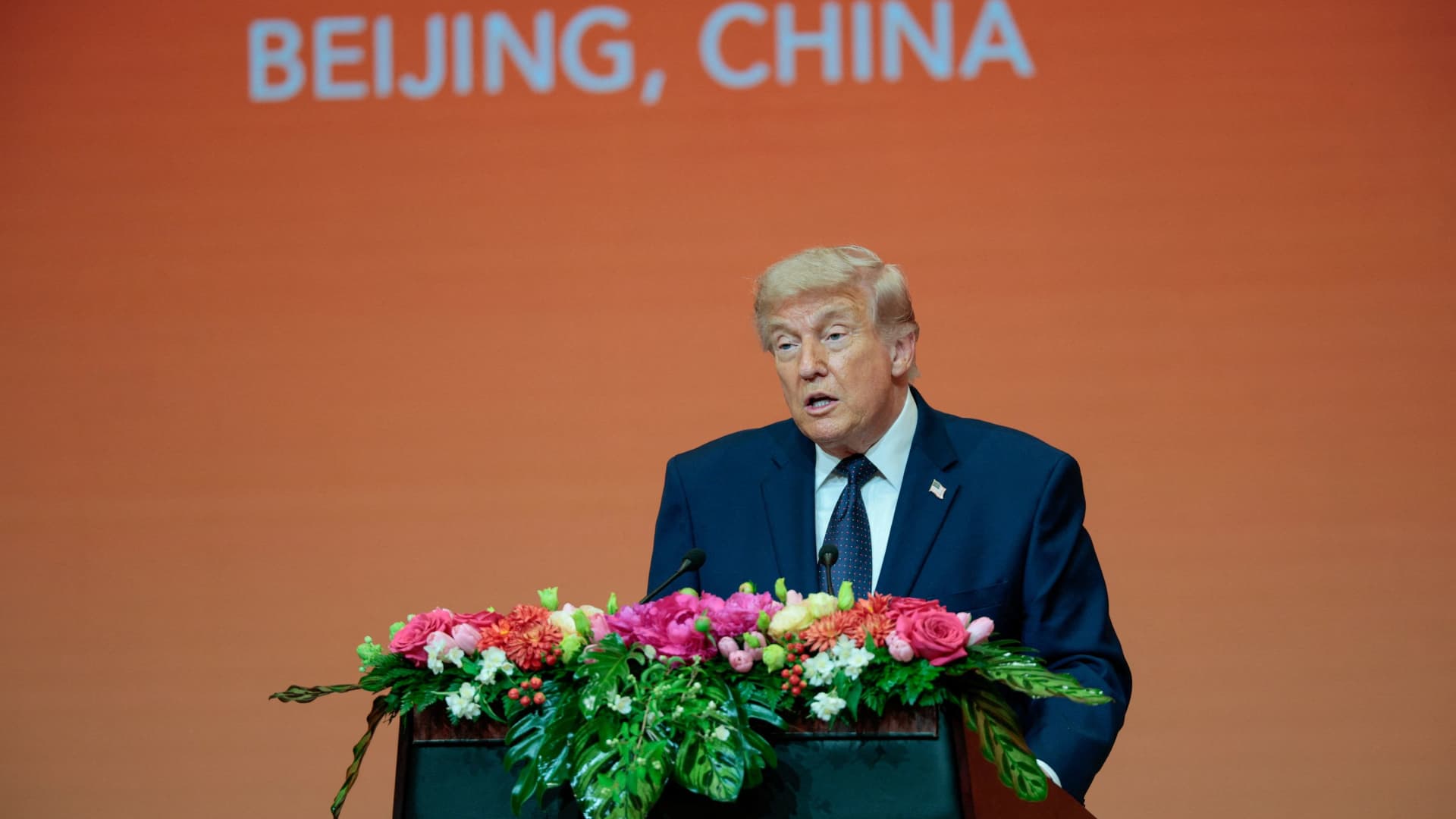
U.S.-China Summit Sparks Market Optimism


- Strong Market Performance: U.S. stocks surged on the first day of the Trump-Xi summit, with the S&P 500 closing above 7,500 for the first time and the Dow Jones Industrial Average jumping 370 points back to 50,000, reflecting investor optimism about improved bilateral relations.
- Strategic Stability Agreement: Trump and Xi agreed to foster a 'constructive China-U.S. relationship of strategic stability', laying the groundwork for future trade and tech cooperation, which could enhance economic integration between the two nations.
- Major Commercial Deal: Trump announced that China will order 200 Boeing jets, seen as a significant win for the U.S. planemaker, which is expected to positively impact Boeing's performance and potentially boost the related supply chain.
- Tech Stocks Shine: AI chipmaker Cerebras saw its shares skyrocket 68% in its Nasdaq debut, reaching a market cap of $95 billion, highlighting the strong demand for high-growth AI companies and further driving up tech stock valuations.
See More

Musk Claims SpaceX Deliberately Lowered Airline Revenue

- Starlink Airline Strategy: Musk stated that SpaceX deliberately accepted lower airline revenue to simplify passenger access to Starlink internet, aiming to enhance user experience and strengthen market competitiveness.
- IPO Frenzy: Investor enthusiasm for SpaceX's upcoming IPO is surging, with valuations expected between $1.75 trillion and $2 trillion, potentially making it one of the largest IPOs in history, further driving market focus on its future growth.
- Starlink Revenue Growth: Starlink generated $11.4 billion in revenue last year, accounting for 61% of SpaceX's total sales, and produced approximately $7.2 billion in adjusted EBITDA, highlighting its strategic importance as a primary cash cow.
- Tesla-SpaceX Integration: Following the merger of SpaceX with xAI, Tesla's investment in xAI has converted into equity in SpaceX, leading to heightened investor speculation about potential merger talks between the two companies, reflecting the increasingly interconnected ecosystem of Musk's ventures.
See More
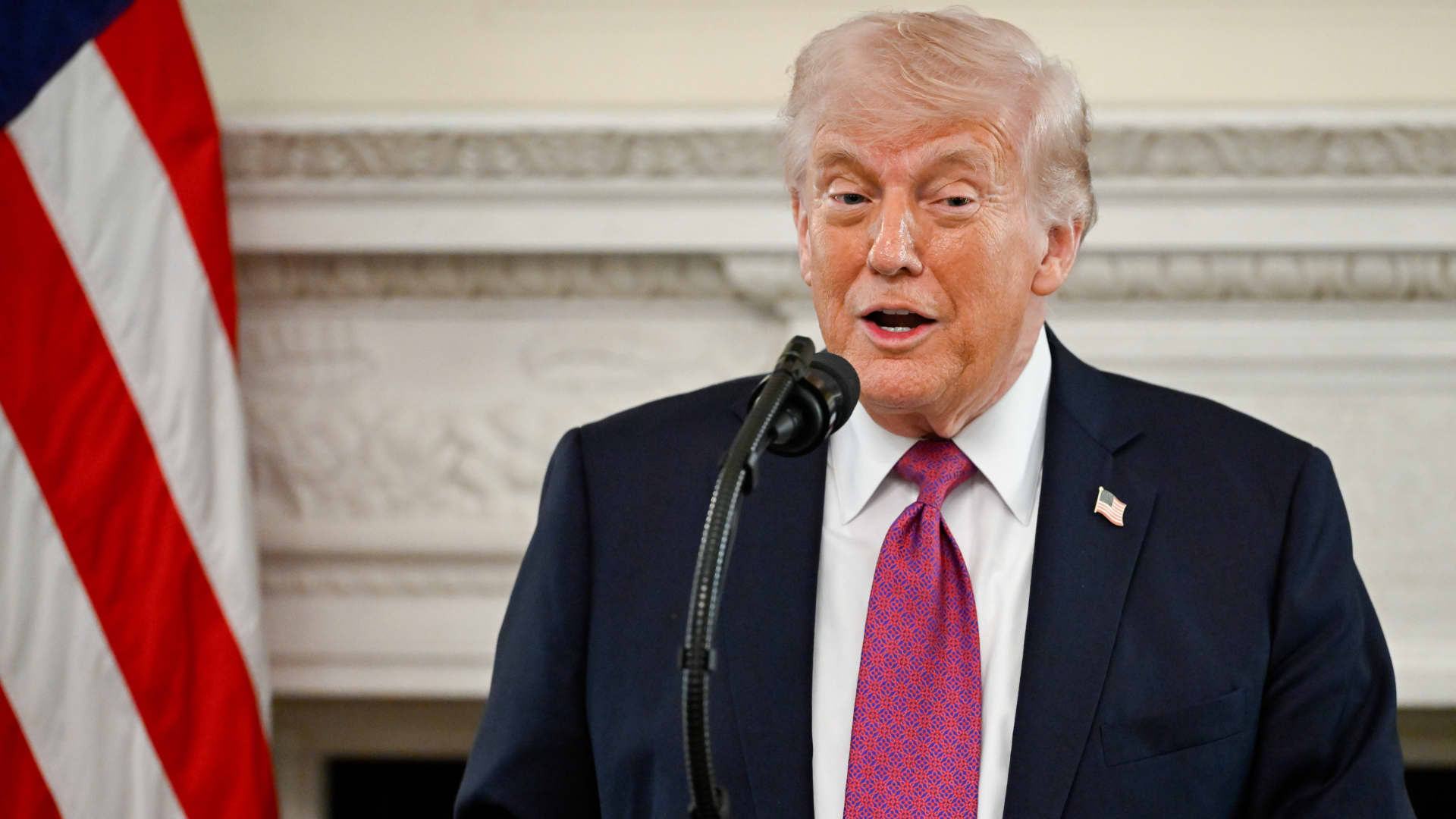
Trump's Visit to China Sparks Market Attention
- High-Level Meeting Context: President Trump arrived in Beijing on May 13, 2026, accompanied by top executives including Tesla's Elon Musk and Nvidia's Jensen Huang, aiming to engage in crucial discussions with President Xi Jinping on trade, technology, and regional security issues.
- Market Reaction: Asian markets showed mixed performance ahead of Trump's visit, while U.S. futures remained relatively unchanged; notably, the S&P 500 reached an all-time high on Wall Street, reflecting traders' enthusiasm for technology stocks despite pressures from the latest inflation report.
- Inflation Data Impact: U.S. wholesale inflation surged to 6% year-over-year in April, marking the highest increase since 2022, which intensifies pressure on Federal Reserve policy and complicates the economic backdrop for Trump's high-level diplomacy.
- Global Oil Flow Constraints: The closure of the Strait of Hormuz due to the Iran war has severely impacted global oil flows, with OPEC reporting a 30% reduction in supply since the conflict began, posing significant risks to demand growth this year.
See More
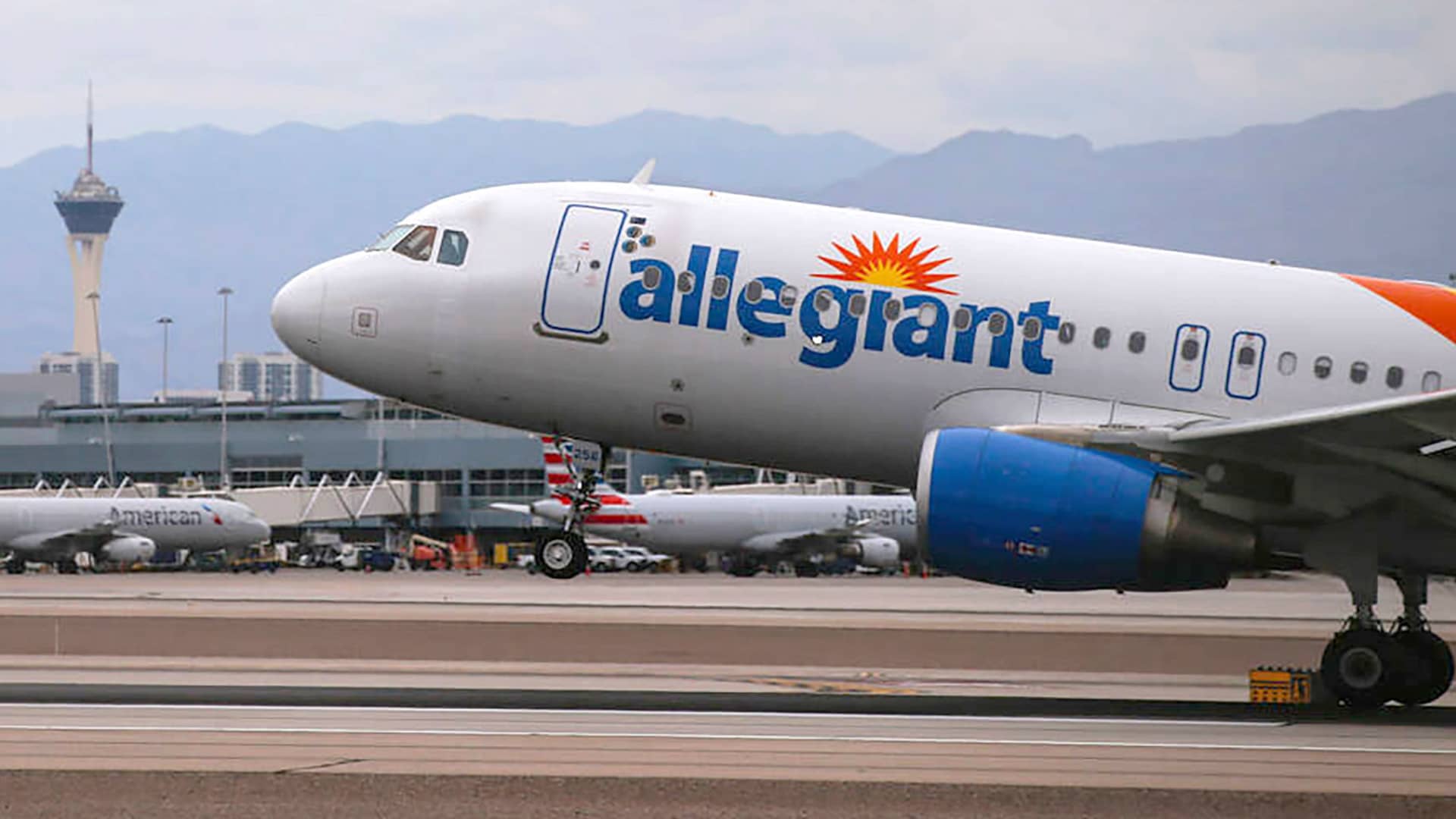
Allegiant Completes Acquisition of Sun Country Airlines


- Acquisition Finalized: Allegiant Air completed its acquisition of Sun Country Airlines on Wednesday for $1.5 billion, and despite the surge in jet fuel costs, Allegiant aims to maintain its unique business model to protect margins.
- Market Expansion: The combined airline will serve approximately 175 cities with over 650 routes, with Allegiant planning to ramp up service during peak travel periods while reducing capacity on lower-demand Tuesdays and Wednesdays to optimize revenue.
- Strong Demand: Despite jet fuel prices doubling since February, Allegiant's budget-conscious leisure customer demand remains robust, with a reported profit of $42.5 million in the first quarter, reflecting a 32% year-over-year increase and demonstrating the effectiveness of low-cost business models.
- Industry Challenges: As Allegiant acquires Sun Country, other low-cost carriers face significant challenges, notably the collapse of Spirit Airlines, suggesting that Allegiant's strategic approach may provide a buffer in a highly competitive market.
See More
Nasdaq and S&P 500 Futures Plunge Over 1%
- Inflation Concerns Rise: The yield on 10-year U.S. Treasury notes surged to 4.54%, the highest since June 2025, driven by inflation expectations stemming from the Middle East conflict, which could hinder economic growth as investors brace for faster interest rate hikes.
- Increased Rate Hike Odds: The probability of a 25 basis point rate hike by the Federal Reserve in December has more than doubled to about 40% over the past week, according to CME Group's Fedwatch tool, indicating heightened market anxiety regarding monetary policy that may negatively impact stock prices.
- Rising Energy Prices: Brent crude prices rose nearly 3% to $109 per barrel as the closure of the Strait of Hormuz heightened concerns over global energy supplies, potentially fueling inflation expectations and increasing borrowing costs, which could dampen investor sentiment in tech stocks.
- Market Pullback Signs: Following record-setting sessions, Nasdaq and S&P 500 futures fell by 1.56% and 1.07%, respectively, reflecting market concerns over persistent inflation and rising interest rates, despite previous optimism driven by enthusiasm around artificial intelligence.
See More
Delta Airlines' Strategy Amid Industry Pressures
- Industry Pressure Intensifies: The airline sector is grappling with rising fuel costs, delivery delays, and geopolitical disruptions, particularly affecting carriers reliant on low-priced tickets, while Delta Airlines has partially mitigated these pressures through diversified revenue streams.
- Revenue Growth Strategy: Delta has successfully transformed premium seating, loyalty programs, and cargo operations into significant components of its total revenue, thereby enhancing its competitive position in the market.
- Musk's Criticism: Elon Musk criticized Delta on social media for opting for Amazon's Leo satellite network over SpaceX's Starlink, arguing that this choice complicates customer experience and could lead to passenger loss, highlighting strategic risks in the airline's technology decisions.
- Strong Stock Performance: Despite external pressures, Delta's stock has gained over 42% in the past 12 months, making it the only major airline with a year-to-date increase exceeding 3%, demonstrating its relative resilience amid industry turmoil.
See More
U.S.-China Summit Sparks Market Optimism
- Strong Market Performance: U.S. stocks surged on the first day of the Trump-Xi summit, with the S&P 500 closing above 7,500 for the first time and the Dow Jones Industrial Average jumping 370 points back to 50,000, reflecting investor optimism about improved bilateral relations.
- Strategic Stability Agreement: Trump and Xi agreed to foster a 'constructive China-U.S. relationship of strategic stability', laying the groundwork for future trade and tech cooperation, which could enhance economic integration between the two nations.
- Major Commercial Deal: Trump announced that China will order 200 Boeing jets, seen as a significant win for the U.S. planemaker, which is expected to positively impact Boeing's performance and potentially boost the related supply chain.
- Tech Stocks Shine: AI chipmaker Cerebras saw its shares skyrocket 68% in its Nasdaq debut, reaching a market cap of $95 billion, highlighting the strong demand for high-growth AI companies and further driving up tech stock valuations.
See More
Musk Claims SpaceX Deliberately Lowered Airline Revenue
- Starlink Airline Strategy: Musk stated that SpaceX deliberately accepted lower airline revenue to simplify passenger access to Starlink internet, aiming to enhance user experience and strengthen market competitiveness.
- IPO Frenzy: Investor enthusiasm for SpaceX's upcoming IPO is surging, with valuations expected between $1.75 trillion and $2 trillion, potentially making it one of the largest IPOs in history, further driving market focus on its future growth.
- Starlink Revenue Growth: Starlink generated $11.4 billion in revenue last year, accounting for 61% of SpaceX's total sales, and produced approximately $7.2 billion in adjusted EBITDA, highlighting its strategic importance as a primary cash cow.
- Tesla-SpaceX Integration: Following the merger of SpaceX with xAI, Tesla's investment in xAI has converted into equity in SpaceX, leading to heightened investor speculation about potential merger talks between the two companies, reflecting the increasingly interconnected ecosystem of Musk's ventures.
See More
Trump's Visit to China Sparks Market Attention
- High-Level Meeting Context: President Trump arrived in Beijing on May 13, 2026, accompanied by top executives including Tesla's Elon Musk and Nvidia's Jensen Huang, aiming to engage in crucial discussions with President Xi Jinping on trade, technology, and regional security issues.
- Market Reaction: Asian markets showed mixed performance ahead of Trump's visit, while U.S. futures remained relatively unchanged; notably, the S&P 500 reached an all-time high on Wall Street, reflecting traders' enthusiasm for technology stocks despite pressures from the latest inflation report.
- Inflation Data Impact: U.S. wholesale inflation surged to 6% year-over-year in April, marking the highest increase since 2022, which intensifies pressure on Federal Reserve policy and complicates the economic backdrop for Trump's high-level diplomacy.
- Global Oil Flow Constraints: The closure of the Strait of Hormuz due to the Iran war has severely impacted global oil flows, with OPEC reporting a 30% reduction in supply since the conflict began, posing significant risks to demand growth this year.
See More
Allegiant Completes Acquisition of Sun Country Airlines
- Acquisition Finalized: Allegiant Air completed its acquisition of Sun Country Airlines on Wednesday for $1.5 billion, and despite the surge in jet fuel costs, Allegiant aims to maintain its unique business model to protect margins.
- Market Expansion: The combined airline will serve approximately 175 cities with over 650 routes, with Allegiant planning to ramp up service during peak travel periods while reducing capacity on lower-demand Tuesdays and Wednesdays to optimize revenue.
- Strong Demand: Despite jet fuel prices doubling since February, Allegiant's budget-conscious leisure customer demand remains robust, with a reported profit of $42.5 million in the first quarter, reflecting a 32% year-over-year increase and demonstrating the effectiveness of low-cost business models.
- Industry Challenges: As Allegiant acquires Sun Country, other low-cost carriers face significant challenges, notably the collapse of Spirit Airlines, suggesting that Allegiant's strategic approach may provide a buffer in a highly competitive market.
See More