Delta Air Lines Raises Baggage Fees Amid Rising Fuel Costs
Written by Emily J. Thompson, Senior Investment Analyst
Updated: Apr 07 2026
0mins
Source: seekingalpha
- Baggage Fee Increase: Delta Air Lines has raised the fees for the first and second checked bags on domestic and select short-haul international routes from $35 to $45, while the fee for the third checked bag has surged from $150 to $200, indicating the airline's strategic response to rising fuel costs.
- Industry Trend: This marks Delta's first baggage fee increase in two years, following similar moves by United Airlines and JetBlue, reflecting the broader pressure on the airline industry to manage soaring fuel expenses, which are typically easier to pass on to consumers than fare hikes.
- Competitor Response: JetBlue was the first to increase baggage fees, with United Airlines subsequently implementing a $10 increase for the first and second checked bags starting April 3, highlighting a growing trend of price adjustments across the industry.
- Market Impact: As airlines raise ancillary fees to offset fuel costs, consumers are likely to face higher travel expenses, which could impact demand for air travel and alter overall market dynamics.
Trade with 70% Backtested Accuracy
Stop guessing "Should I Buy DAL?" and start using high-conviction signals backed by rigorous historical data.
Sign up today to access powerful investing tools and make smarter, data-driven decisions.
Analyst Views on DAL
Wall Street analysts forecast DAL stock price to rise
18 Analyst Rating
18 Buy
0 Hold
0 Sell
Strong Buy
Current: 82.490

Low
77.00
Averages
83.50
High
90.00
Current: 82.490
Low
77.00
Averages
83.50
High
90.00
About DAL
Delta Air Lines, Inc. provides scheduled air transportation for passengers and cargo throughout the United States and around the world. The Company has hubs and markets in Amsterdam, Atlanta, Bogota, Boston, Detroit, Lima, London-Heathrow, Los Angeles, Mexico City, Minneapolis-St. Paul, New York-JFK and LaGuardia, Paris-Charles de Gaulle, Salt Lake City, Santiago (Chile), Sao Paulo, Seattle, Seoul-Incheon, and Tokyo. Its segments include Airline and Refinery. Its airline segment is managed as a single business unit that provides scheduled air transportation for passengers and cargo throughout the United States and around the world and includes its loyalty program, as well as other ancillary businesses. Its refinery segment operates for the benefit of the airline segment by providing jet fuel to the airline segment from its own production and through jet fuel obtained through agreements with third parties. The refinery's production consists of jet fuel as well as non-jet fuel products.
About the author

Emily J. Thompson
Emily J. Thompson, a Chartered Financial Analyst (CFA) with 12 years in investment research, graduated with honors from the Wharton School. Specializing in industrial and technology stocks, she provides in-depth analysis for Intellectia’s earnings and market brief reports.

Amazon's AI Business Expands Rapidly Amid E-Commerce Growth


- AI Business Surge: Amazon's AI segment saw a remarkable 40% quarter-over-quarter sales growth in Q1, positioning it to potentially achieve a $50 billion run rate, making it one of the largest chip companies globally and showcasing its technological prowess.
- Accelerated Cloud Growth: Amazon Web Services (AWS) experienced a 28% year-over-year sales increase in Q1, marking the highest growth in 15 quarters, indicating a rapid shift in enterprise demand for cloud services and solidifying Amazon's leadership in the cloud computing market.
- E-Commerce Market Share Growth: Despite its massive scale, Amazon's e-commerce business continues to grow at double-digit rates, now ranking as the second-largest grocer in the U.S. with three-hour delivery in 2,300 cities, enhancing its competitive edge and customer loyalty.
- Satellite Broadband Launch: Amazon's satellite broadband initiative, Amazon Leo, has successfully launched 10 satellites and plans to deploy 20 more next year, aiming to compete with SpaceX's Starlink, reflecting Amazon's strategic innovation and market expansion efforts.
See More

Amazon's Investment Opportunities and Market Outlook
- AI Opportunities: Amazon's expansion into artificial intelligence has positioned it favorably during the generative AI boom in 2022, with the Kiro tool seeing a tenfold increase in enterprise customer usage in Q1, showcasing its leadership in technological innovation.
- Cloud Growth: AWS achieved a 28% sales growth in Q1, the highest in 15 quarters, indicating that businesses are rapidly transitioning to cloud services, benefiting Amazon and further solidifying its market leadership.
- E-commerce Momentum: Despite its massive scale, Amazon's e-commerce business continues to grow at double-digit rates, with the addition of 600 new brands and three-hour delivery services enhancing market share, reinforcing its position as the second-largest grocer in the U.S.
- Satellite Business Outlook: Amazon's broadband satellite business is set to launch soon, having already deployed 10 satellites and planning to deploy 20 more next year, with deals in place with Delta Airlines and Apple, highlighting its competitive potential in emerging markets.
See More

American Airlines to Install Starlink Internet on 500 Aircraft

- Internet Service Upgrade: American Airlines plans to install Starlink internet service on over 500 narrow-body aircraft starting in early 2027, aiming to enhance customer experience and address competitive pressures, despite its stock having dropped 37% over the past five years.
- Intensifying Market Competition: With United Airlines already equipping over 300 planes with Starlink and other airlines like Southwest and Alaska Air Group quickly following suit, those airlines that can deploy this technology the fastest will gain a significant competitive edge.
- Customer Experience Improvement: While good internet service won't solve all of American Airlines' issues, this upgrade could help attract higher-paying customers as consumers become increasingly sensitive to passenger experience, thereby enhancing customer loyalty.
- Need for Strategic Transformation: Although the introduction of Starlink is a significant step towards modernization, analysts believe it is not enough to bring American Airlines on par with competitors like Delta and United, indicating that the company must invest further in technology to keep pace with consumer demands.
See More
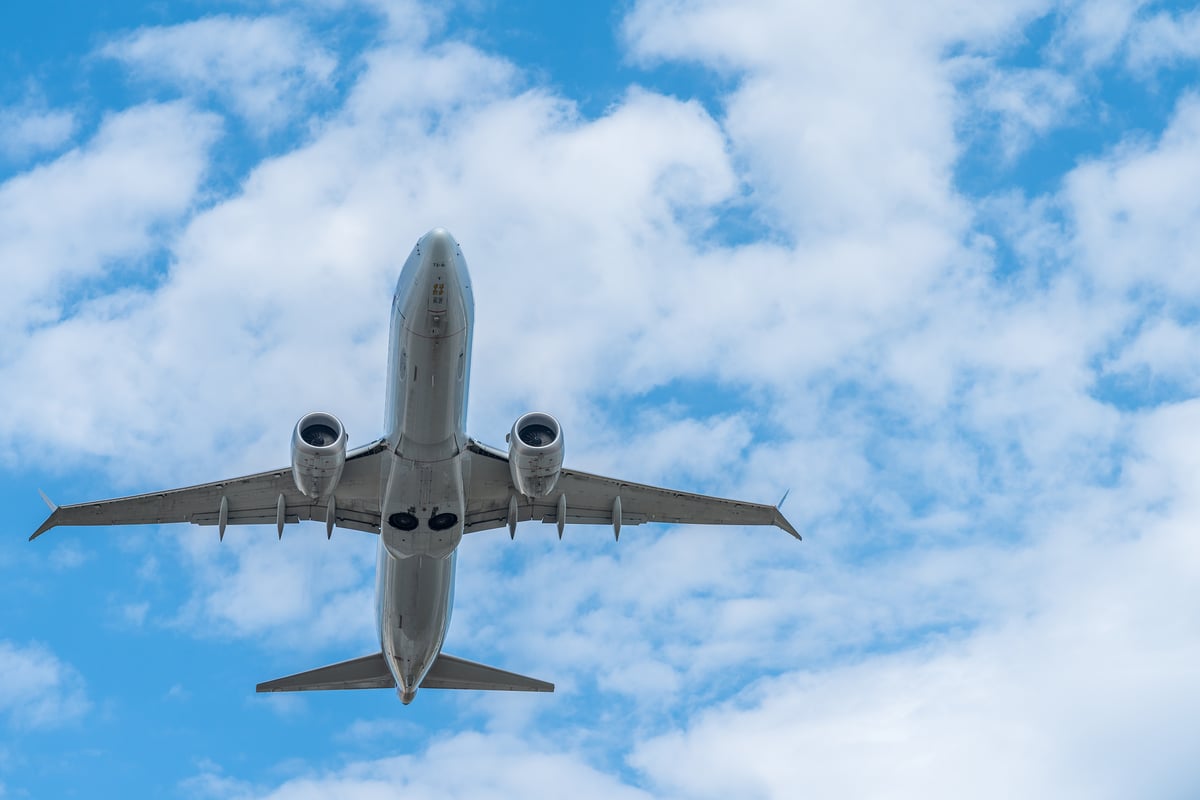
American Airlines to Adopt Starlink for Enhanced In-Flight Internet Service
- Service Upgrade: American Airlines plans to install Starlink internet service on over 500 aircraft starting in early 2027, aiming to enhance customer experience and address consumer demand for faster internet, thereby boosting its competitive position.
- Market Competitive Edge: With American Airlines adopting Starlink, competitors like United Airlines already have over 300 planes equipped with the service, and the rapid rollout will provide American with a significant competitive advantage, especially in customer choice.
- Stock Price Context: Over the past five years, American Airlines' stock has dropped more than 37%, and while the introduction of Starlink won't solve all issues, improving internet service could enhance passenger satisfaction and potentially impact company performance positively.
- Initial Strategic Shift: This technological upgrade is seen as an important step for American Airlines in enhancing customer loyalty and attracting higher-paying customers, although further investment is needed to keep pace with industry modernization.
See More

Alaska Air Shares Surge 12.7% Amid Airline Sector Optimism

- Airline Stock Rally: Alaska Air (ALK) shares rose by 12.7% this week, reflecting a broader optimism in the airline sector amidst rising fuel prices, particularly due to the closure of the Strait of Hormuz.
- Fuel Price Impact: Alaska's management anticipates that higher fuel costs will reduce earnings per share (EPS) by $0.70 in Q1 and over $3 in Q2, highlighting the significant pressure from soaring fuel prices.
- Strong Demand Continuity: Southwest Airlines' CEO noted that despite rising fuel costs, air travel demand remains robust, with the airline participating in seven consecutive fare increases without any drop in demand, providing a positive signal for Alaska Air.
- Potential Earnings Revision: Analysts expect Alaska Air to report a $0.77 loss per share in 2026, but if the airline can offset fuel costs with higher ticket prices, future earnings estimates may see positive revisions.
See More

Alaska Air Shares Rise 12.7% Amid Fuel Cost Management
- Fuel Cost Management: Alaska Airlines is managing soaring fuel costs by increasing fares, with expectations that if this trend continues, the company's profitability could improve, particularly against the backdrop of strong overall airline performance.
- Stock Performance: Shares of Alaska Air Group rose by 12.7% over the week, reflecting market optimism towards airline stocks, especially in light of rising fuel prices, as investors remain positive about the company's future earnings potential.
- Strong Industry Demand: Despite soaring fuel prices, Delta Air Lines reported that strong demand from the first quarter is continuing into the second quarter, indicating sustained consumer demand for air travel, which is particularly relevant for Alaska Airlines.
- Earnings Forecast Adjustment: Alaska Airlines anticipates a $0.70 reduction in earnings per share due to rising fuel costs in the first quarter and over $3 in the second quarter, but if they can offset these costs with fare increases, future earnings expectations may see positive revisions.
See More
Amazon's AI Business Expands Rapidly Amid E-Commerce Growth
- AI Business Surge: Amazon's AI segment saw a remarkable 40% quarter-over-quarter sales growth in Q1, positioning it to potentially achieve a $50 billion run rate, making it one of the largest chip companies globally and showcasing its technological prowess.
- Accelerated Cloud Growth: Amazon Web Services (AWS) experienced a 28% year-over-year sales increase in Q1, marking the highest growth in 15 quarters, indicating a rapid shift in enterprise demand for cloud services and solidifying Amazon's leadership in the cloud computing market.
- E-Commerce Market Share Growth: Despite its massive scale, Amazon's e-commerce business continues to grow at double-digit rates, now ranking as the second-largest grocer in the U.S. with three-hour delivery in 2,300 cities, enhancing its competitive edge and customer loyalty.
- Satellite Broadband Launch: Amazon's satellite broadband initiative, Amazon Leo, has successfully launched 10 satellites and plans to deploy 20 more next year, aiming to compete with SpaceX's Starlink, reflecting Amazon's strategic innovation and market expansion efforts.
See More
Amazon's Investment Opportunities and Market Outlook
- AI Opportunities: Amazon's expansion into artificial intelligence has positioned it favorably during the generative AI boom in 2022, with the Kiro tool seeing a tenfold increase in enterprise customer usage in Q1, showcasing its leadership in technological innovation.
- Cloud Growth: AWS achieved a 28% sales growth in Q1, the highest in 15 quarters, indicating that businesses are rapidly transitioning to cloud services, benefiting Amazon and further solidifying its market leadership.
- E-commerce Momentum: Despite its massive scale, Amazon's e-commerce business continues to grow at double-digit rates, with the addition of 600 new brands and three-hour delivery services enhancing market share, reinforcing its position as the second-largest grocer in the U.S.
- Satellite Business Outlook: Amazon's broadband satellite business is set to launch soon, having already deployed 10 satellites and planning to deploy 20 more next year, with deals in place with Delta Airlines and Apple, highlighting its competitive potential in emerging markets.
See More
American Airlines to Install Starlink Internet on 500 Aircraft
- Internet Service Upgrade: American Airlines plans to install Starlink internet service on over 500 narrow-body aircraft starting in early 2027, aiming to enhance customer experience and address competitive pressures, despite its stock having dropped 37% over the past five years.
- Intensifying Market Competition: With United Airlines already equipping over 300 planes with Starlink and other airlines like Southwest and Alaska Air Group quickly following suit, those airlines that can deploy this technology the fastest will gain a significant competitive edge.
- Customer Experience Improvement: While good internet service won't solve all of American Airlines' issues, this upgrade could help attract higher-paying customers as consumers become increasingly sensitive to passenger experience, thereby enhancing customer loyalty.
- Need for Strategic Transformation: Although the introduction of Starlink is a significant step towards modernization, analysts believe it is not enough to bring American Airlines on par with competitors like Delta and United, indicating that the company must invest further in technology to keep pace with consumer demands.
See More
American Airlines to Adopt Starlink for Enhanced In-Flight Internet Service
- Service Upgrade: American Airlines plans to install Starlink internet service on over 500 aircraft starting in early 2027, aiming to enhance customer experience and address consumer demand for faster internet, thereby boosting its competitive position.
- Market Competitive Edge: With American Airlines adopting Starlink, competitors like United Airlines already have over 300 planes equipped with the service, and the rapid rollout will provide American with a significant competitive advantage, especially in customer choice.
- Stock Price Context: Over the past five years, American Airlines' stock has dropped more than 37%, and while the introduction of Starlink won't solve all issues, improving internet service could enhance passenger satisfaction and potentially impact company performance positively.
- Initial Strategic Shift: This technological upgrade is seen as an important step for American Airlines in enhancing customer loyalty and attracting higher-paying customers, although further investment is needed to keep pace with industry modernization.
See More
Alaska Air Shares Surge 12.7% Amid Airline Sector Optimism
- Airline Stock Rally: Alaska Air (ALK) shares rose by 12.7% this week, reflecting a broader optimism in the airline sector amidst rising fuel prices, particularly due to the closure of the Strait of Hormuz.
- Fuel Price Impact: Alaska's management anticipates that higher fuel costs will reduce earnings per share (EPS) by $0.70 in Q1 and over $3 in Q2, highlighting the significant pressure from soaring fuel prices.
- Strong Demand Continuity: Southwest Airlines' CEO noted that despite rising fuel costs, air travel demand remains robust, with the airline participating in seven consecutive fare increases without any drop in demand, providing a positive signal for Alaska Air.
- Potential Earnings Revision: Analysts expect Alaska Air to report a $0.77 loss per share in 2026, but if the airline can offset fuel costs with higher ticket prices, future earnings estimates may see positive revisions.
See More
Alaska Air Shares Rise 12.7% Amid Fuel Cost Management
- Fuel Cost Management: Alaska Airlines is managing soaring fuel costs by increasing fares, with expectations that if this trend continues, the company's profitability could improve, particularly against the backdrop of strong overall airline performance.
- Stock Performance: Shares of Alaska Air Group rose by 12.7% over the week, reflecting market optimism towards airline stocks, especially in light of rising fuel prices, as investors remain positive about the company's future earnings potential.
- Strong Industry Demand: Despite soaring fuel prices, Delta Air Lines reported that strong demand from the first quarter is continuing into the second quarter, indicating sustained consumer demand for air travel, which is particularly relevant for Alaska Airlines.
- Earnings Forecast Adjustment: Alaska Airlines anticipates a $0.70 reduction in earnings per share due to rising fuel costs in the first quarter and over $3 in the second quarter, but if they can offset these costs with fare increases, future earnings expectations may see positive revisions.
See More