Corning Q3 Earnings Beat Expectations with 8% Core Sales Growth, Optical Communications Segment Shines
Written by Emily J. Thompson, Senior Investment Analyst
Updated: Oct 29 2024
0mins

Source: Benzinga
Corning Inc's Q3 Performance: Corning reported a core sales growth of 8% year-on-year, reaching $3.73 billion, with core EPS of 54 cents surpassing estimates. Notable increases were seen in Optical Communications (36% growth) and Display Technologies (4% growth), while Specialty Materials and Environmental Technologies experienced declines.
Future Outlook and Agreements: The company anticipates fourth-quarter core sales of $3.75 billion and has secured a multi-year agreement with AT&T valued over $1 billion. Additionally, Corning aims to achieve a 20% operating margin by the end of 2026 through its updated "Springboard" plan.
Trade with 70% Backtested Accuracy
Stop guessing "Should I Buy GLW?" and start using high-conviction signals backed by rigorous historical data.
Sign up today to access powerful investing tools and make smarter, data-driven decisions.
Analyst Views on GLW
Wall Street analysts forecast GLW stock price to fall
10 Analyst Rating
8 Buy
2 Hold
0 Sell
Strong Buy
Current: 194.920

Low
83.00
Averages
99.00
High
110.00
Current: 194.920
Low
83.00
Averages
99.00
High
110.00
About GLW
Corning Incorporated operates as an innovator in materials science. Its segments include Optical Communications, Display, Specialty Materials, Automotive, and Life Sciences. Its Optical Communications segment manufactures carrier network and enterprise network components for the telecommunications industry. Its Display segment manufactures glass substrates for flat-panel displays, including liquid crystal displays and organic light-emitting diodes. Its Specialty Materials segment manufactures products that provide material formulations for glass, glass ceramics and crystals, precision metrology instruments and software for customer needs. Its Automotive segment manufactures ceramic substrates and filter products for emissions control systems in mobile applications as well as technical glass and optic products and solutions for the interior and exterior of vehicles. Its Life Sciences segment develops, manufactures, and supplies laboratory products.
About the author

Emily J. Thompson
Emily J. Thompson, a Chartered Financial Analyst (CFA) with 12 years in investment research, graduated with honors from the Wharton School. Specializing in industrial and technology stocks, she provides in-depth analysis for Intellectia’s earnings and market brief reports.

Teads and Corning See Surge in Options Trading Volume


- Teads Options Volume: Teads Holding Co experienced options trading volume of 1,934 contracts, equivalent to approximately 193,400 shares, representing about 65.3% of its average daily trading volume of 296,010 shares over the past month, indicating market interest in its future performance.
- High Strike Call Options: Specifically, the $2.50 strike call option for Teads saw 1,030 contracts traded today, representing around 103,000 underlying shares, reflecting investor expectations for the stock's upward movement before expiration on July 17, 2026.
- Corning Options Activity: Corning Inc recorded options trading volume of 82,742 contracts, translating to approximately 8.3 million shares, which is about 65.1% of its average daily trading volume of 12.7 million shares over the past month, showcasing strong market interest in its stock.
- Corning High Strike Call Options: For Corning, the $300 strike call option traded 4,704 contracts today, representing approximately 470,400 underlying shares, indicating investor optimism regarding potential price increases before the option's expiration on July 17, 2026.
See More
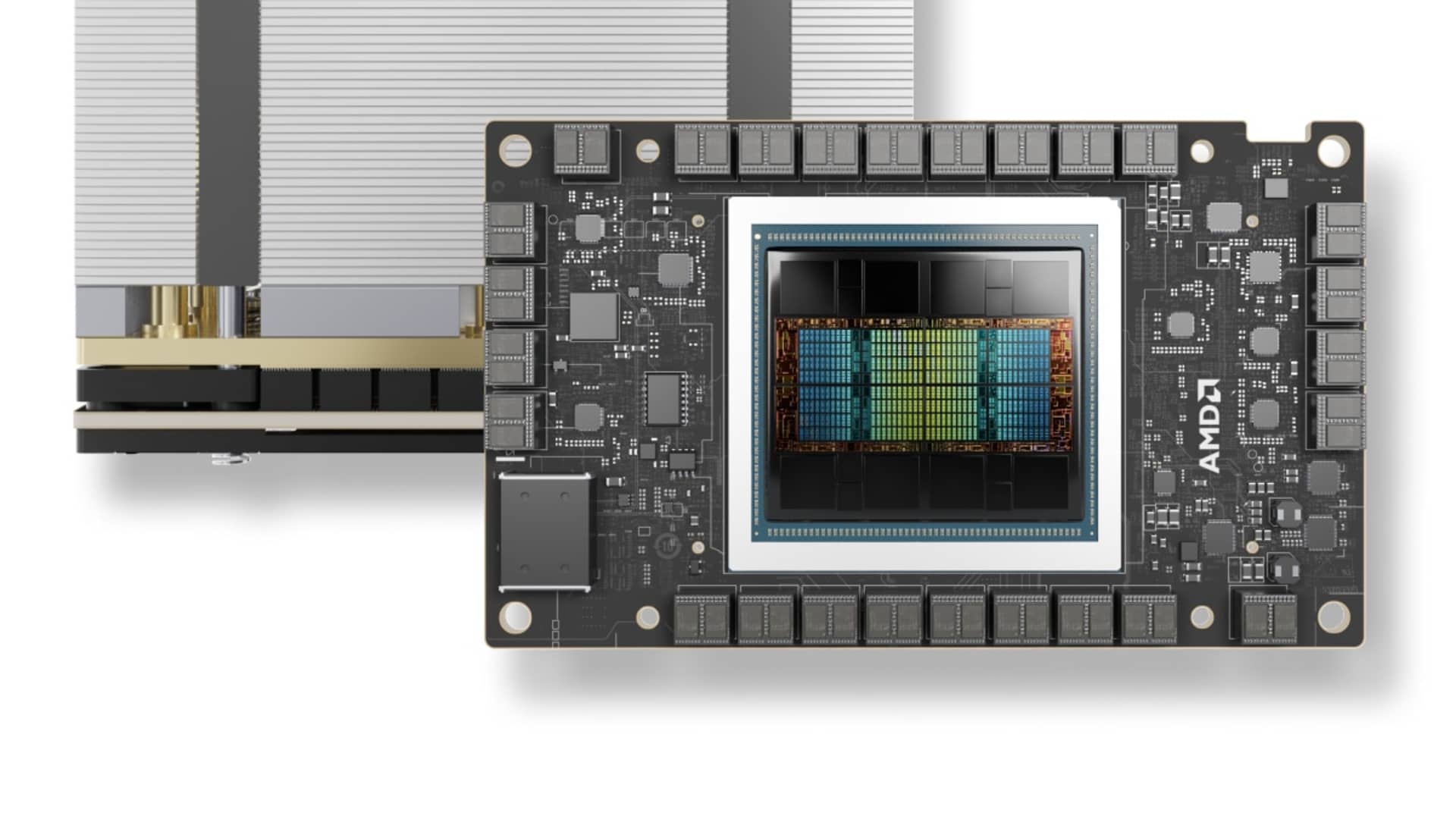
IWS Stock Price Analysis and ETF Dynamics

- Price Fluctuation Analysis: IWS's 52-week low is $127.995 and high is $165.60, with the latest trade at $163.96, indicating stability near the high, which may attract investor interest in its technical performance.
- Technical Analysis Tool: Comparing the latest stock price to the 200-day moving average provides deeper market trend insights, aiding in the formulation of more effective trading strategies and enhancing investment decision accuracy.
- ETF Trading Mechanism: Exchange-traded funds (ETFs) trade in 'units', allowing investors to buy and sell these units, with the creation and destruction of units flexibly responding to investor demand, impacting the underlying asset allocation of the ETFs.
- Liquidity Monitoring: Weekly monitoring of ETF share changes highlights significant inflows or outflows, providing investors with crucial insights into market sentiment and potential investment opportunities, thereby aiding in portfolio optimization.
See More
Market Dynamics and Corporate Mergers Overview


- Muted Market Start: The new trading week begins with the S&P 500 indicated flat while the tech-heavy Nasdaq shows slight gains, and WTI crude oil is trading around $76.50 per barrel, reflecting cautious market sentiment regarding economic outlook.
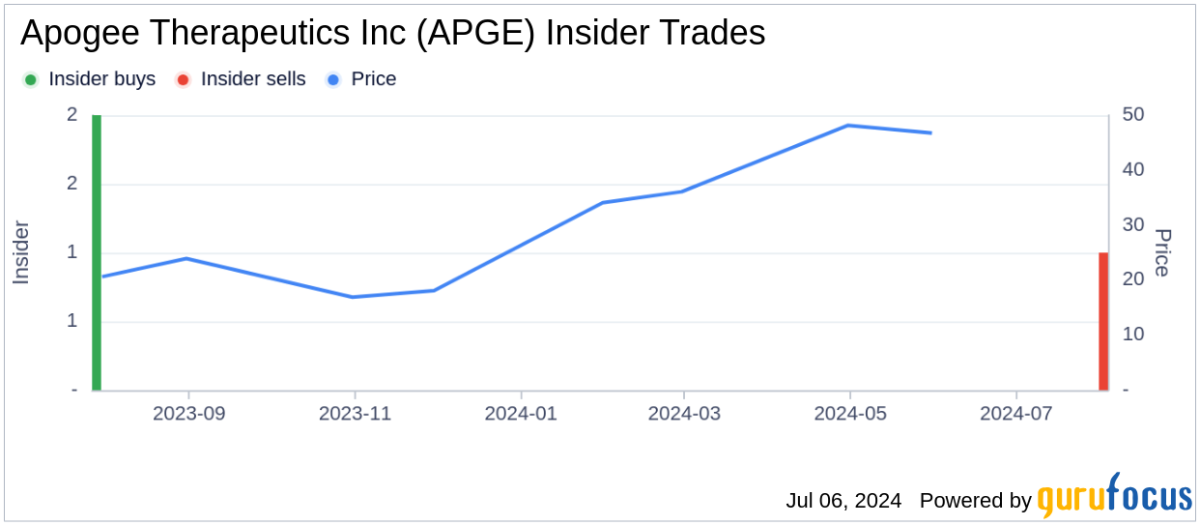
- Abbvie Acquires Apogee: Abbvie is acquiring Apogee Therapeutics for $10.9 billion to strengthen its immunology portfolio, particularly competing with Johnson & Johnson's Tremfya through its top drug Skyrizi, which is expected to enhance Abbvie's competitive edge in the biopharmaceutical market.
- CRH Acquires Arcosa: CRH is acquiring Arcosa for $8.5 billion, stating that the acquisition is highly complementary amid growing demand for energy and utility infrastructure, which is expected to further solidify CRH's position in the construction materials market.
- Estee Lauder Buy Rating Reinstated: Goldman Sachs has reinstated a buy rating for Estee Lauder with a price target of $100, as analysts believe the market is underestimating the company's growth momentum, especially after it walked away from merger talks with Spanish beauty peer Puig.
See More

Hyperscalers Face Hardware Bottlenecks Amid Chip Shortages


- Chip Shortage Impact: The dominance of SK Hynix, Samsung, and Micron in the high-bandwidth memory (HBM) market has created severe hardware bottlenecks for hyperscalers, impacting their capital expenditures and growth plans.
- Meta's Ad Reliance: Meta's reliance on an advertising revenue model restricts its market perception, and despite its significant cloud business potential, the lack of supporting business has led to a 12.55% decline in its stock year-to-date.
- Capital Equipment Companies' Edge: Companies like Applied Materials, Lam Research, and KLA Corp play a crucial role in the supply chain, but despite strong demand, they cannot meet the hyperscalers' needs in the short term, affecting their growth outlook.
- Intensifying Market Competition: As Amazon collaborates with Marvell and Broadcom to develop custom AI chips, competition among hyperscalers intensifies, with future profitability becoming a focal point for market observers.
See More

Enphase Energy Shares Surge Following Production Announcement

- Enphase Energy Surge: Enphase Energy's shares jumped 10% after announcing the commencement of production shipments for its IQ9S microinverters, indicating strong growth potential in the global energy technology sector.
- AI-Related Stocks Rally: Stocks tied to artificial intelligence and data center infrastructure saw significant gains, with Corning up 7% and Credo Technology rising 5%, reflecting ongoing investor optimism in AI technologies.
- Kroger Earnings Miss: Kroger reported first-quarter earnings of $1.58 per share, slightly below analysts' expectations of $1.59, resulting in a more than 6% drop in stock price, despite revenue of $46.12 billion exceeding forecasts.
- Smith & Wesson Performance: Smith & Wesson's stock surged approximately 20% after reporting earnings and revenue beats, with handgun sales increasing 23% year-over-year, highlighting strong demand in the firearms market.
See More

Recap of CNBC Investing Club Monthly Meeting


- Portfolio Analysis: During the June Monthly Meeting, Jim Cramer and Jeff Marks provided an in-depth analysis of 35 portfolio stocks, highlighting their preference for Intel due to its significant upside potential in data center CPU growth, particularly in the context of competition with TSMC.
- Tech Giants Restructuring: Cramer noted a reordering of the 'Magnificent Seven,' with newcomers like SpaceX and the yet-to-go-public Anthropic and OpenAI emerging as formidable competitors, indicating intensified market competition, especially in the AI sector.
- Strengths of Alphabet and Apple: Alphabet is positioned advantageously in the AI era with its YouTube and Waymo businesses, while Apple leverages its ecosystem of over 2.5 billion iPhone users to strengthen its AI partnership with Alphabet, showcasing both companies' robust market positions.
- Market Dynamics and Investment Strategy: Despite challenges faced by Meta and Microsoft, Cramer advises maintaining investments in Amazon and Nvidia, believing that the latter's GPU demand will continue to grow, and that Amazon's cloud business remains highly profitable.
See More
Teads and Corning See Surge in Options Trading Volume
- Teads Options Volume: Teads Holding Co experienced options trading volume of 1,934 contracts, equivalent to approximately 193,400 shares, representing about 65.3% of its average daily trading volume of 296,010 shares over the past month, indicating market interest in its future performance.
- High Strike Call Options: Specifically, the $2.50 strike call option for Teads saw 1,030 contracts traded today, representing around 103,000 underlying shares, reflecting investor expectations for the stock's upward movement before expiration on July 17, 2026.
- Corning Options Activity: Corning Inc recorded options trading volume of 82,742 contracts, translating to approximately 8.3 million shares, which is about 65.1% of its average daily trading volume of 12.7 million shares over the past month, showcasing strong market interest in its stock.
- Corning High Strike Call Options: For Corning, the $300 strike call option traded 4,704 contracts today, representing approximately 470,400 underlying shares, indicating investor optimism regarding potential price increases before the option's expiration on July 17, 2026.
See More
IWS Stock Price Analysis and ETF Dynamics
- Price Fluctuation Analysis: IWS's 52-week low is $127.995 and high is $165.60, with the latest trade at $163.96, indicating stability near the high, which may attract investor interest in its technical performance.
- Technical Analysis Tool: Comparing the latest stock price to the 200-day moving average provides deeper market trend insights, aiding in the formulation of more effective trading strategies and enhancing investment decision accuracy.
- ETF Trading Mechanism: Exchange-traded funds (ETFs) trade in 'units', allowing investors to buy and sell these units, with the creation and destruction of units flexibly responding to investor demand, impacting the underlying asset allocation of the ETFs.
- Liquidity Monitoring: Weekly monitoring of ETF share changes highlights significant inflows or outflows, providing investors with crucial insights into market sentiment and potential investment opportunities, thereby aiding in portfolio optimization.
See More
Market Dynamics and Corporate Mergers Overview
- Muted Market Start: The new trading week begins with the S&P 500 indicated flat while the tech-heavy Nasdaq shows slight gains, and WTI crude oil is trading around $76.50 per barrel, reflecting cautious market sentiment regarding economic outlook.
- Abbvie Acquires Apogee: Abbvie is acquiring Apogee Therapeutics for $10.9 billion to strengthen its immunology portfolio, particularly competing with Johnson & Johnson's Tremfya through its top drug Skyrizi, which is expected to enhance Abbvie's competitive edge in the biopharmaceutical market.
- CRH Acquires Arcosa: CRH is acquiring Arcosa for $8.5 billion, stating that the acquisition is highly complementary amid growing demand for energy and utility infrastructure, which is expected to further solidify CRH's position in the construction materials market.
- Estee Lauder Buy Rating Reinstated: Goldman Sachs has reinstated a buy rating for Estee Lauder with a price target of $100, as analysts believe the market is underestimating the company's growth momentum, especially after it walked away from merger talks with Spanish beauty peer Puig.
See More
Hyperscalers Face Hardware Bottlenecks Amid Chip Shortages
- Chip Shortage Impact: The dominance of SK Hynix, Samsung, and Micron in the high-bandwidth memory (HBM) market has created severe hardware bottlenecks for hyperscalers, impacting their capital expenditures and growth plans.
- Meta's Ad Reliance: Meta's reliance on an advertising revenue model restricts its market perception, and despite its significant cloud business potential, the lack of supporting business has led to a 12.55% decline in its stock year-to-date.
- Capital Equipment Companies' Edge: Companies like Applied Materials, Lam Research, and KLA Corp play a crucial role in the supply chain, but despite strong demand, they cannot meet the hyperscalers' needs in the short term, affecting their growth outlook.
- Intensifying Market Competition: As Amazon collaborates with Marvell and Broadcom to develop custom AI chips, competition among hyperscalers intensifies, with future profitability becoming a focal point for market observers.
See More
Enphase Energy Shares Surge Following Production Announcement
- Enphase Energy Surge: Enphase Energy's shares jumped 10% after announcing the commencement of production shipments for its IQ9S microinverters, indicating strong growth potential in the global energy technology sector.
- AI-Related Stocks Rally: Stocks tied to artificial intelligence and data center infrastructure saw significant gains, with Corning up 7% and Credo Technology rising 5%, reflecting ongoing investor optimism in AI technologies.
- Kroger Earnings Miss: Kroger reported first-quarter earnings of $1.58 per share, slightly below analysts' expectations of $1.59, resulting in a more than 6% drop in stock price, despite revenue of $46.12 billion exceeding forecasts.
- Smith & Wesson Performance: Smith & Wesson's stock surged approximately 20% after reporting earnings and revenue beats, with handgun sales increasing 23% year-over-year, highlighting strong demand in the firearms market.
See More
Recap of CNBC Investing Club Monthly Meeting
- Portfolio Analysis: During the June Monthly Meeting, Jim Cramer and Jeff Marks provided an in-depth analysis of 35 portfolio stocks, highlighting their preference for Intel due to its significant upside potential in data center CPU growth, particularly in the context of competition with TSMC.
- Tech Giants Restructuring: Cramer noted a reordering of the 'Magnificent Seven,' with newcomers like SpaceX and the yet-to-go-public Anthropic and OpenAI emerging as formidable competitors, indicating intensified market competition, especially in the AI sector.
- Strengths of Alphabet and Apple: Alphabet is positioned advantageously in the AI era with its YouTube and Waymo businesses, while Apple leverages its ecosystem of over 2.5 billion iPhone users to strengthen its AI partnership with Alphabet, showcasing both companies' robust market positions.
- Market Dynamics and Investment Strategy: Despite challenges faced by Meta and Microsoft, Cramer advises maintaining investments in Amazon and Nvidia, believing that the latter's GPU demand will continue to grow, and that Amazon's cloud business remains highly profitable.
See More