

Coal Stocks Take A Breather As Trading Sentiment Sours In Commodities Markets: Was The Election In India A Factor?
- Coal Stocks Pullback in India: Coal stocks have declined amid speculation about future leadership in India, potentially due to short-term trading sentiment rather than market fundamentals.
- Impact of Indian Election Results: Early results in India's election showed Prime Minister Modi's party securing a third term but not an outright majority, leading to speculation about resistance to coal-fired electricity generation plans.
- Expert Opinions on Sell-off: Experts believe the sell-off in coal equities is more likely a correction from overbought conditions and not significantly impacted by the Indian election narrative.
- Factors Contributing to Price Action: Weakness in energy stocks related to an OPEC meeting and speculative money outflows may have influenced the pullback in base and precious metals futures.
- International Coal Market Dynamics: International coal prices have been rising due to tightening supply, exacerbated by a March bridge collapse at the Port of Baltimore, a key U.S. coal export hub.
Trade with 70% Backtested Accuracy
Analyst Views on COAL
About the author


Energy Stocks Recover from Decline: Which Charts Show the Most Promise?


- Energy Sector Performance: The energy sector has underperformed over the past year, ranking ninth out of eleven major sectors.
- State Street ETF Ranking: The State Street Energy Select Sector ETF reflects this lagging performance within the broader market context.

Coal India to invest $1.94 billion in new coal-powered plant By Investing.com

Coal India Expansion Plans: Coal India plans to build a 1,600 MW coal-powered plant in Jharkhand, requiring an investment of $1.94 billion, in collaboration with Damodar Valley Corporation.
Additional Projects: The company is also constructing two thermal power plants in Madhya Pradesh and another 1,600 MW plant in Odisha, all expected to be completed by 2030.
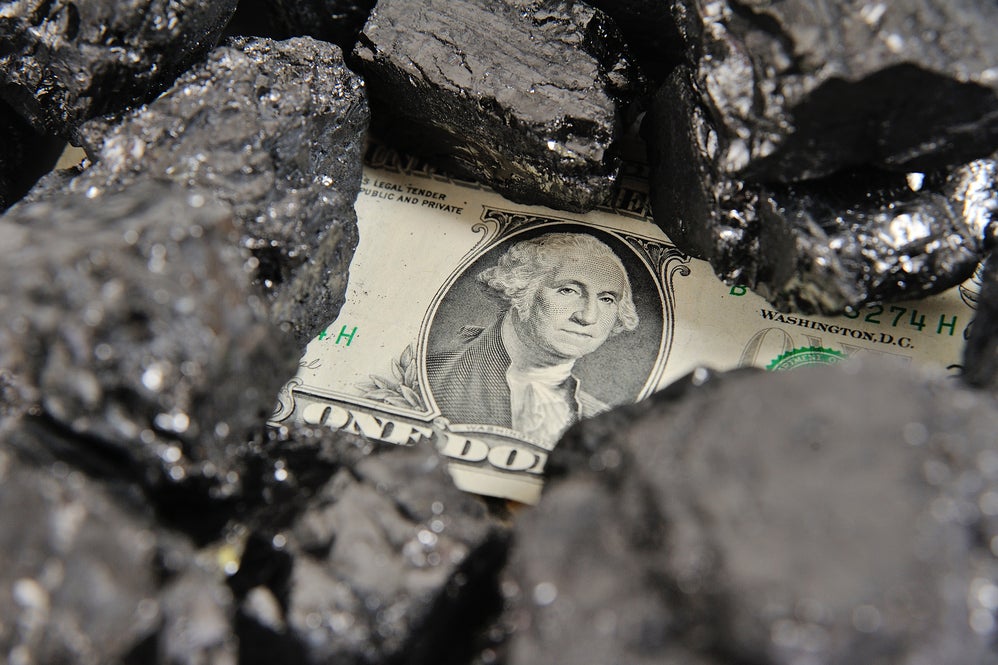
Trump Turns To 'Beautiful, Clean Coal' To Address Domestic Energy Demand


Trump's Energy Strategy: President Trump is advocating for increased coal production to address rising energy demands in the U.S., emphasizing its role in stabilizing energy costs and competing with foreign nations, particularly China.
Coal's Role in Power Generation: Despite a decline in coal's share of U.S. power generation, the administration aims to keep coal plants operational due to their ability to provide consistent baseload power, especially as electricity demand surges from industries like artificial intelligence.
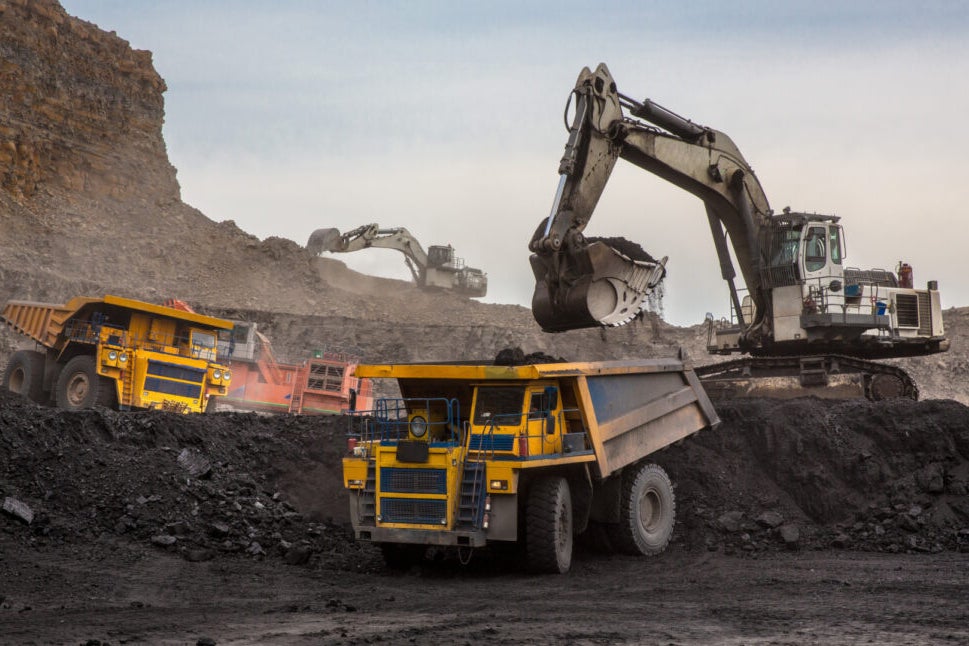
Jim Cramer Hints At Coal 'Comeback' As Stocks Dip, Trump's Energy Agenda Fuels Debate

Market Dynamics: Wall Street is observing coal stocks closely after Jim Cramer hinted at a potential resurgence in the sector, despite recent declines in coal-related equities like Peabody Energy and Warrior Met Coal.
Energy Demand Shift: The rise of AI is driving unprecedented electricity demand, prompting energy companies to expand fossil fuel infrastructure, with projections for new gas-fired plants and increased consumption that challenge current renewable energy capabilities.
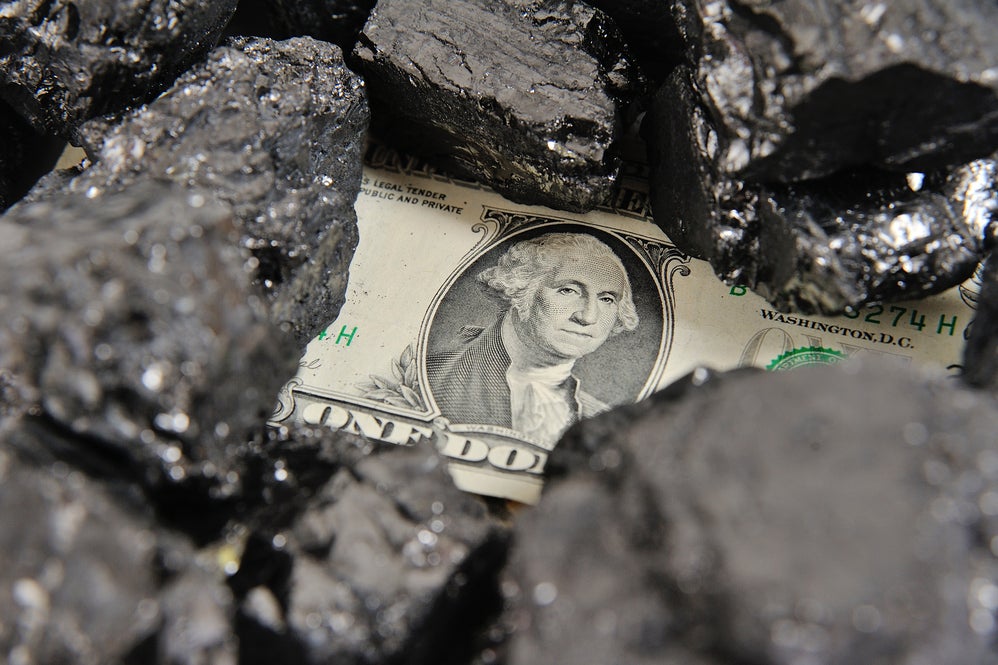
China's Coal Consumption At New Highs, As Real Estate Crisis Fails To Slow Energy Demands

Global Coal Consumption Trends: In 2024, global coal consumption reached a record high of 8.77 billion metric tons, driven primarily by demand from countries like India and Indonesia, while China accounted for over a third of this consumption despite efforts to diversify energy sources.
Future Projections: The International Energy Agency predicts that global coal demand will plateau by 2027 at these elevated levels, although ongoing trends suggest that China's coal use may continue to rise in the coming years.

Global coal demand is set to plateau through 2027 -IEA

Renewable Energy Impact: A new IEA report indicates that the rapid deployment of renewable energy technologies is expected to stabilize global coal demand through 2027, despite rising electricity consumption, particularly in China.
Emerging Economies Growth: While global coal use is projected to plateau, demand continues to rise in emerging economies like India, Indonesia, and Vietnam due to increasing electricity needs driven by economic and population growth.
Energy Stocks Recover from Decline: Which Charts Show the Most Promise?
- Energy Sector Performance: The energy sector has underperformed over the past year, ranking ninth out of eleven major sectors.
- State Street ETF Ranking: The State Street Energy Select Sector ETF reflects this lagging performance within the broader market context.
Coal India to invest $1.94 billion in new coal-powered plant By Investing.com
Coal India Expansion Plans: Coal India plans to build a 1,600 MW coal-powered plant in Jharkhand, requiring an investment of $1.94 billion, in collaboration with Damodar Valley Corporation.
Additional Projects: The company is also constructing two thermal power plants in Madhya Pradesh and another 1,600 MW plant in Odisha, all expected to be completed by 2030.
Trump Turns To 'Beautiful, Clean Coal' To Address Domestic Energy Demand
Trump's Energy Strategy: President Trump is advocating for increased coal production to address rising energy demands in the U.S., emphasizing its role in stabilizing energy costs and competing with foreign nations, particularly China.
Coal's Role in Power Generation: Despite a decline in coal's share of U.S. power generation, the administration aims to keep coal plants operational due to their ability to provide consistent baseload power, especially as electricity demand surges from industries like artificial intelligence.
Jim Cramer Hints At Coal 'Comeback' As Stocks Dip, Trump's Energy Agenda Fuels Debate
Market Dynamics: Wall Street is observing coal stocks closely after Jim Cramer hinted at a potential resurgence in the sector, despite recent declines in coal-related equities like Peabody Energy and Warrior Met Coal.
Energy Demand Shift: The rise of AI is driving unprecedented electricity demand, prompting energy companies to expand fossil fuel infrastructure, with projections for new gas-fired plants and increased consumption that challenge current renewable energy capabilities.
China's Coal Consumption At New Highs, As Real Estate Crisis Fails To Slow Energy Demands
Global Coal Consumption Trends: In 2024, global coal consumption reached a record high of 8.77 billion metric tons, driven primarily by demand from countries like India and Indonesia, while China accounted for over a third of this consumption despite efforts to diversify energy sources.
Future Projections: The International Energy Agency predicts that global coal demand will plateau by 2027 at these elevated levels, although ongoing trends suggest that China's coal use may continue to rise in the coming years.
Global coal demand is set to plateau through 2027 -IEA
Renewable Energy Impact: A new IEA report indicates that the rapid deployment of renewable energy technologies is expected to stabilize global coal demand through 2027, despite rising electricity consumption, particularly in China.
Emerging Economies Growth: While global coal use is projected to plateau, demand continues to rise in emerging economies like India, Indonesia, and Vietnam due to increasing electricity needs driven by economic and population growth.





