

Chinese Competitor Outpaces Tesla with First US Long-Haul Electric Truck Delivery — Implications for the EV Leader?


Tesla Semi Production Timeline: Tesla's full-size Class 8 electric truck, the Semi, is set to begin volume production in the first half of 2026, with vehicle deliveries expected to start this year, expanding Tesla's offerings for commercial customers.
Pricing and Competition: The 500-mile version of the Tesla Semi is quoted at $290,000, which is higher than the initial announcement but still below the industry average for Class 8 electric trucks, amidst rising competition from startups like Windrose.
Vehicle Variants and Range: The Tesla Semi will be available in two variants: standard range (approximately 325 miles) and long range (about 500 miles), with the dedicated factory in Nevada currently in the tooling phase.
Market Sentiment and Stock Performance: Tesla's stock has remained in a bearish territory recently, despite gaining 54% over the past year, reflecting mixed retail sentiment and ongoing challenges in the electric truck market.
Trade with 70% Backtested Accuracy
Analyst Views on TSLA

About TSLA
About the author


Tesla Achieves Record Deliveries in Q2

- Record Deliveries: Tesla delivered 480,126 vehicles in Q2, marking a 25% year-over-year increase and surpassing analyst expectations of 406,000, indicating strong demand and growth potential in the electric vehicle market.
- Stock Price Reaction: Despite the record deliveries, Tesla's stock fell approximately 7.5% following the report, its worst performance in nearly a year, reflecting market concerns about future profitability.
- Production vs. Deliveries: Tesla produced 451,758 vehicles in Q2, falling short of deliveries, suggesting the company may have drawn down inventory to meet delivery targets, raising questions about the sustainability of sales.
- Margin Pressure: With Tesla introducing more competitively priced models, the automotive gross margin was 19% in Q1, and there are concerns that the high delivery volume in Q2 could further compress margins, impacting the company's long-term profitability.
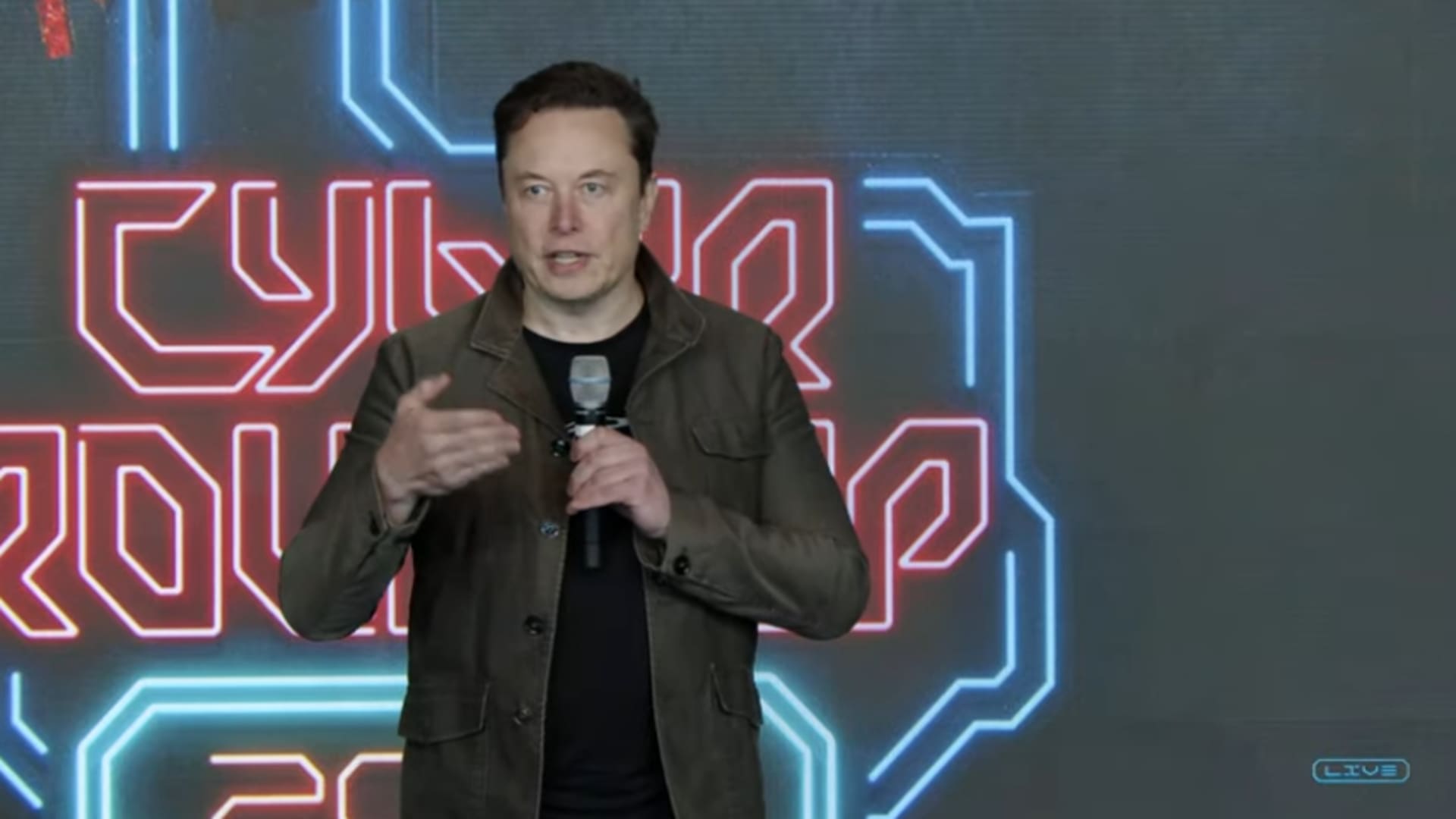
Cathie Wood Increases Tesla Stock Holdings Amid Market Pullback
- Tesla Stock Purchase: Cathie Wood's Ark funds purchased 96,935 shares of Tesla at a 7.49% drop, amounting to approximately $38.1 million, indicating her strong conviction in Tesla's future growth despite recent volatility.
- ARK Innovation ETF Performance: In 2025, the ARK Innovation ETF achieved a 35.49% return, significantly outperforming the S&P 500's 17.88%, yet as of July 2, 2023, it has a five-year annualized return of -8.56%, highlighting the impact of market fluctuations on long-term performance.
- Impact of Technological Innovation: Wood emphasizes that the deflationary effects of technological innovation, particularly in AI, will enhance economic productivity, although her funds faced challenges in Q1 2026, she remains optimistic about future growth potential.
- Investor Confidence Erosion: Despite Wood's bullish outlook on Tesla and tech stocks, the ARK Innovation ETF experienced approximately $1.3 billion in net outflows over the past 12 months, reflecting market skepticism regarding her investment strategy and the associated uncertainties.

Michael Burry Bets Against AI Stocks Amid Valuation Concerns


- Short Position Disclosure: Renowned hedge fund manager Michael Burry revealed his short positions against Nvidia, Tesla, and Applied Materials this week, indicating strong skepticism towards AI-related stocks, particularly as their valuations reach historical highs.
- Micron Technology Risks: Burry highlighted that Micron's stock trades significantly above its 200-day moving average, with its fiscal Q3 revenue soaring over 400% year-over-year to $41.5 billion; however, he believes such high earnings levels are unsustainable and may face downside risks.
- Nvidia Valuation Defense: Despite Nvidia's fiscal Q1 revenue rising 85% year-over-year to $81.6 billion, with data center revenue climbing 92%, its stock trades at about 30 times earnings, leading Burry to question whether this high valuation can be maintained amid potential AI bubble concerns.
- Tesla Profitability Challenges: Tesla delivered 480,126 vehicles in Q2, up 25% year-over-year, yet its stock fell 7.5%, with Burry arguing that its high price-to-earnings ratio exceeding 350 times raises significant risks, especially if future profitability from robotaxi and software services is delayed.
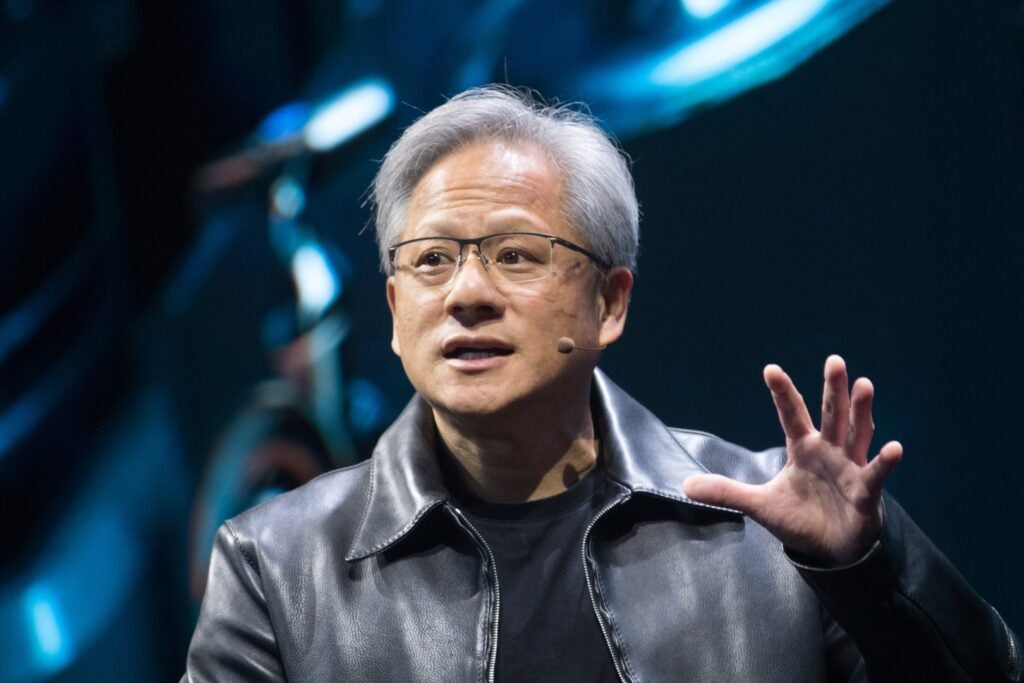
Michael Burry Bets Against AI Stocks: Should Investors Be Concerned?

- Short Position Disclosure: Renowned investor Michael Burry revealed his short positions against Nvidia, Tesla, Applied Materials, Caterpillar, and the iShares Semiconductor ETF on his Substack, indicating a strong skepticism towards AI-related stocks that may prompt a market reassessment of these equities.
- Micron Technology Risks: Burry highlighted that Micron's stock trades significantly above its 200-day moving average, with revenue in fiscal Q3 2026 soaring over 400% year-over-year to $41.5 billion; however, he argues that such high earnings levels are unlikely to be sustainable, posing downside risks.
- Nvidia Valuation Controversy: Despite Nvidia's fiscal Q1 2026 revenue surging 85% year-over-year to $81.6 billion, with data center revenue climbing 92%, the stock trades at about 30 times earnings, leading Burry to question whether this high valuation can endure, especially amid concerns of an AI bubble.
- Tesla Profitability Pressure: Tesla delivered 480,126 vehicles in Q2, up 25% year-over-year, yet its stock fell 7.5% on the report day; Burry believes its 350 times earnings valuation is excessive, and future profit growth expectations may be overly optimistic, warranting caution from investors.
Rivian Exceeds Q2 Delivery Expectations

- Delivery Exceeds Expectations: Rivian delivered 12,194 vehicles in Q2, surpassing its guidance of 9,000 to 11,000, indicating strong market demand and improved production capabilities, which is likely to boost investor confidence.
- Full-Year Guidance Raised: The company raised its full-year delivery target from 62,000-67,000 to 65,000-70,000 vehicles, reflecting confidence in its ability to ramp up deliveries in the second half, although this requires nearly doubling the delivery pace.
- Mixed Financial Performance: Despite an 11% year-over-year revenue increase to $1.38 billion in Q1, the automotive segment reported a $62 million gross loss, highlighting profitability challenges during the expansion phase, necessitating close monitoring of the R2 model's profitability.
- Enhanced Capital Support: Rivian secured up to $4.5 billion in Department of Energy loans and increased its Georgia plant's annual capacity by 50% to 300,000 vehicles, strengthening its capital position during the rollout of new models and reducing associated risks.
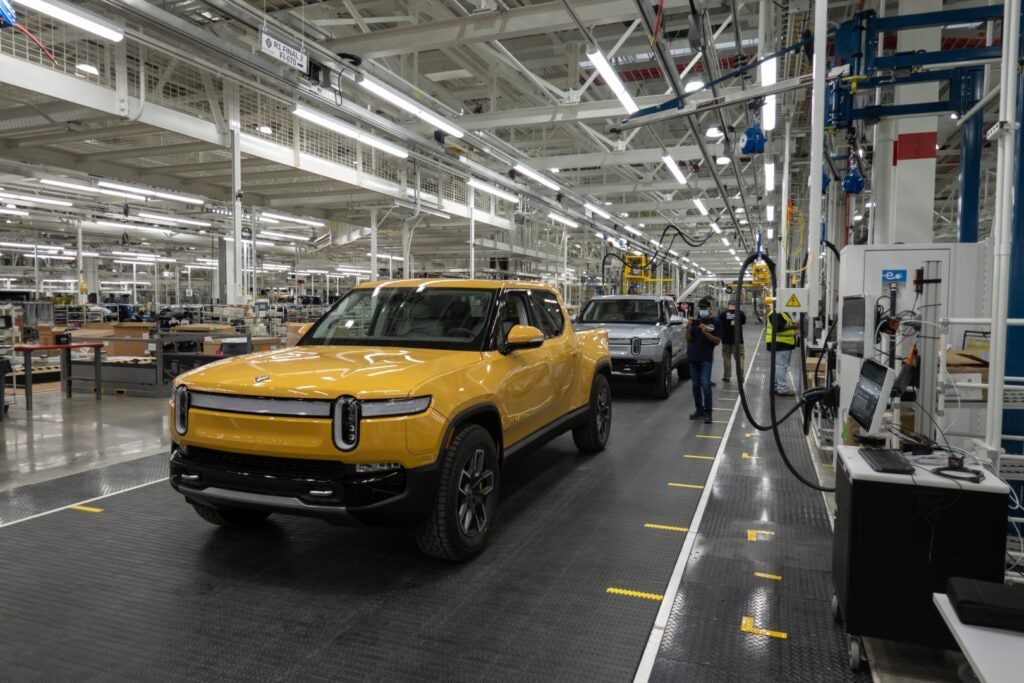
Rivian Exceeds Q2 Delivery Expectations, Raises Full-Year Target
- Record Deliveries: Rivian delivered 12,194 electric vehicles in Q2, surpassing its forecast of 9,000 to 11,000, indicating strong market demand and boosting investor confidence, leading to an over 8% stock price increase.
- Raised Full-Year Target: The company raised its full-year delivery target from 62,000-67,000 to 65,000-70,000 vehicles, reflecting optimism about the market acceptance of the new R2 model, with expectations of reaching 42,000 deliveries in the second half, nearly double the first half's pace.
- Profitability Challenges: Despite the increase in deliveries, Rivian's automotive segment reported a $62 million loss in Q1, primarily due to declining sales and lower production volumes, indicating that profitability still needs improvement.
- Enhanced Capital Support: Rivian secured up to $4.5 billion in Department of Energy loans and a $1 billion investment from Volkswagen Group, significantly bolstering its production capacity and reducing business risks as it aims to meet its delivery targets in the second half.
Tesla Achieves Record Deliveries in Q2
- Record Deliveries: Tesla delivered 480,126 vehicles in Q2, marking a 25% year-over-year increase and surpassing analyst expectations of 406,000, indicating strong demand and growth potential in the electric vehicle market.
- Stock Price Reaction: Despite the record deliveries, Tesla's stock fell approximately 7.5% following the report, its worst performance in nearly a year, reflecting market concerns about future profitability.
- Production vs. Deliveries: Tesla produced 451,758 vehicles in Q2, falling short of deliveries, suggesting the company may have drawn down inventory to meet delivery targets, raising questions about the sustainability of sales.
- Margin Pressure: With Tesla introducing more competitively priced models, the automotive gross margin was 19% in Q1, and there are concerns that the high delivery volume in Q2 could further compress margins, impacting the company's long-term profitability.
Cathie Wood Increases Tesla Stock Holdings Amid Market Pullback
- Tesla Stock Purchase: Cathie Wood's Ark funds purchased 96,935 shares of Tesla at a 7.49% drop, amounting to approximately $38.1 million, indicating her strong conviction in Tesla's future growth despite recent volatility.
- ARK Innovation ETF Performance: In 2025, the ARK Innovation ETF achieved a 35.49% return, significantly outperforming the S&P 500's 17.88%, yet as of July 2, 2023, it has a five-year annualized return of -8.56%, highlighting the impact of market fluctuations on long-term performance.
- Impact of Technological Innovation: Wood emphasizes that the deflationary effects of technological innovation, particularly in AI, will enhance economic productivity, although her funds faced challenges in Q1 2026, she remains optimistic about future growth potential.
- Investor Confidence Erosion: Despite Wood's bullish outlook on Tesla and tech stocks, the ARK Innovation ETF experienced approximately $1.3 billion in net outflows over the past 12 months, reflecting market skepticism regarding her investment strategy and the associated uncertainties.
Michael Burry Bets Against AI Stocks Amid Valuation Concerns
- Short Position Disclosure: Renowned hedge fund manager Michael Burry revealed his short positions against Nvidia, Tesla, and Applied Materials this week, indicating strong skepticism towards AI-related stocks, particularly as their valuations reach historical highs.
- Micron Technology Risks: Burry highlighted that Micron's stock trades significantly above its 200-day moving average, with its fiscal Q3 revenue soaring over 400% year-over-year to $41.5 billion; however, he believes such high earnings levels are unsustainable and may face downside risks.
- Nvidia Valuation Defense: Despite Nvidia's fiscal Q1 revenue rising 85% year-over-year to $81.6 billion, with data center revenue climbing 92%, its stock trades at about 30 times earnings, leading Burry to question whether this high valuation can be maintained amid potential AI bubble concerns.
- Tesla Profitability Challenges: Tesla delivered 480,126 vehicles in Q2, up 25% year-over-year, yet its stock fell 7.5%, with Burry arguing that its high price-to-earnings ratio exceeding 350 times raises significant risks, especially if future profitability from robotaxi and software services is delayed.
Michael Burry Bets Against AI Stocks: Should Investors Be Concerned?
- Short Position Disclosure: Renowned investor Michael Burry revealed his short positions against Nvidia, Tesla, Applied Materials, Caterpillar, and the iShares Semiconductor ETF on his Substack, indicating a strong skepticism towards AI-related stocks that may prompt a market reassessment of these equities.
- Micron Technology Risks: Burry highlighted that Micron's stock trades significantly above its 200-day moving average, with revenue in fiscal Q3 2026 soaring over 400% year-over-year to $41.5 billion; however, he argues that such high earnings levels are unlikely to be sustainable, posing downside risks.
- Nvidia Valuation Controversy: Despite Nvidia's fiscal Q1 2026 revenue surging 85% year-over-year to $81.6 billion, with data center revenue climbing 92%, the stock trades at about 30 times earnings, leading Burry to question whether this high valuation can endure, especially amid concerns of an AI bubble.
- Tesla Profitability Pressure: Tesla delivered 480,126 vehicles in Q2, up 25% year-over-year, yet its stock fell 7.5% on the report day; Burry believes its 350 times earnings valuation is excessive, and future profit growth expectations may be overly optimistic, warranting caution from investors.
Rivian Exceeds Q2 Delivery Expectations
- Delivery Exceeds Expectations: Rivian delivered 12,194 vehicles in Q2, surpassing its guidance of 9,000 to 11,000, indicating strong market demand and improved production capabilities, which is likely to boost investor confidence.
- Full-Year Guidance Raised: The company raised its full-year delivery target from 62,000-67,000 to 65,000-70,000 vehicles, reflecting confidence in its ability to ramp up deliveries in the second half, although this requires nearly doubling the delivery pace.
- Mixed Financial Performance: Despite an 11% year-over-year revenue increase to $1.38 billion in Q1, the automotive segment reported a $62 million gross loss, highlighting profitability challenges during the expansion phase, necessitating close monitoring of the R2 model's profitability.
- Enhanced Capital Support: Rivian secured up to $4.5 billion in Department of Energy loans and increased its Georgia plant's annual capacity by 50% to 300,000 vehicles, strengthening its capital position during the rollout of new models and reducing associated risks.
Rivian Exceeds Q2 Delivery Expectations, Raises Full-Year Target
- Record Deliveries: Rivian delivered 12,194 electric vehicles in Q2, surpassing its forecast of 9,000 to 11,000, indicating strong market demand and boosting investor confidence, leading to an over 8% stock price increase.
- Raised Full-Year Target: The company raised its full-year delivery target from 62,000-67,000 to 65,000-70,000 vehicles, reflecting optimism about the market acceptance of the new R2 model, with expectations of reaching 42,000 deliveries in the second half, nearly double the first half's pace.
- Profitability Challenges: Despite the increase in deliveries, Rivian's automotive segment reported a $62 million loss in Q1, primarily due to declining sales and lower production volumes, indicating that profitability still needs improvement.
- Enhanced Capital Support: Rivian secured up to $4.5 billion in Department of Energy loans and a $1 billion investment from Volkswagen Group, significantly bolstering its production capacity and reducing business risks as it aims to meet its delivery targets in the second half.





