China Blocks Meta's $2 Billion Acquisition of AI Startup Manus
Written by Emily J. Thompson, Senior Investment Analyst
Updated: Apr 28 2026
0mins


Source: CNBC
- Acquisition Blocked: China's government has blocked Meta's $2 billion acquisition of AI startup Manus, indicating strict regulatory oversight on foreign investments, which may undermine entrepreneurs' confidence in investing in China and subsequently affect future technological innovation and capital inflow.
- Security Review Measures: This incident marks the first use of foreign investment security review measures introduced in 2020, reflecting the significant impact of national security on foreign transactions, potentially subjecting more tech companies to higher compliance risks in international dealings.
- Talent Mobility Risks: Analysts suggest that the Manus case could complicate the flow of AI talent between China and the U.S., prompting entrepreneurs to reassess their strategies for operating in China to avoid potential regulatory risks and market uncertainties.
- Market Implications: Meta derived approximately 11% of its revenue from China in 2024, but the blockage of this acquisition may impact its long-term strategy in the Chinese market, especially amid escalating U.S.-China trade tensions, necessitating a reevaluation of its business positioning in China.
Trade with 70% Backtested Accuracy
Stop guessing "Should I Buy NVDA?" and start using high-conviction signals backed by rigorous historical data.
Sign up today to access powerful investing tools and make smarter, data-driven decisions.
Analyst Views on NVDA
Wall Street analysts forecast NVDA stock price to rise
41 Analyst Rating
39 Buy
1 Hold
1 Sell
Strong Buy
Current: 214.250

Low
200.00
Averages
264.97
High
352.00
Current: 214.250
Low
200.00
Averages
264.97
High
352.00
About NVDA
NVIDIA Corporation is an artificial intelligence (AI) infrastructure company. The Company is engaged in accelerated computing to help solve the challenging computational problems. Its segments include Compute & Networking and Graphics. The Compute & Networking segment includes its Data Center accelerated computing and networking platforms and AI solutions and software, and automotive platforms and autonomous and electric vehicle solutions, including software. The Graphics segment includes GeForce GPUs for gaming and personal computers (PCs), and Quadro/NVIDIA RTX GPUs for enterprise workstation graphics. Its technology stack includes the foundational NVIDIA CUDA development platform that runs on all NVIDIA GPUs, as well as hundreds of domain-specific software libraries, frameworks, algorithms, software development kits (SDKs), and application programming interfaces (APIs). Its platforms address four markets, which include Data Center, Gaming, Professional Visualization, and Automotive.
About the author

Emily J. Thompson
Emily J. Thompson, a Chartered Financial Analyst (CFA) with 12 years in investment research, graduated with honors from the Wharton School. Specializing in industrial and technology stocks, she provides in-depth analysis for Intellectia’s earnings and market brief reports.

Nvidia CEO Describes AI Demand as Parabolic Growth

- Strong Earnings Report: Nvidia's fiscal Q1 2027 revenue reached $81.6 billion, an 85% year-over-year increase, reflecting robust market demand and business acceleration, particularly in its AI-driven data center segment, which saw a 92% revenue growth, laying a solid foundation for future growth.
- Significant Profit Increase: Non-GAAP earnings per share surged 140% year-over-year to $1.87, driven by revenue growth and margin expansion, indicating a substantial enhancement in the company's profitability within the AI sector, further solidifying its market leadership.
- Aggressive Capital Return: Nvidia raised its quarterly dividend from $0.01 to $0.25, a 25-fold increase, and authorized an $80 billion share repurchase plan, demonstrating strong confidence in future cash flows while returning approximately $20 billion to shareholders in the last quarter alone.
- Forward-Looking Commitments: Management anticipates about $1 trillion in revenue visibility from 2025 to 2027, with total supply commitments swelling to $145 billion, indicating a long-term bullish outlook on the AI market, despite competitive risks from customers developing their own custom chips.
See More
Greg Abel's Three Major Successful Investments as CEO
- Successful Oxychem Acquisition: Berkshire Hathaway's $9.7 billion acquisition of Oxychem was finalized during a downturn in the chemical industry, with an estimated 8x EBITDA for 2025, benefiting from modernization efforts and pricing power, leading to excellent first-quarter performance.
- Strategic Tokio Marine Investment: Abel's $1.8 billion purchase of a 2.5% stake in Tokio Marine, with permission to increase to 9.9%, was made at a premium of nearly twice book value, yet is expected to yield additional upside through a risk-sharing agreement, enhancing the insurance business.
- Precise Timing in Alphabet Investment: Abel tripled Berkshire's stake in Alphabet to $22.5 billion, investing approximately $11 billion in the first quarter, capitalizing on market recovery and strong AI-driven earnings, with the stock price rising about 35% since last quarter.
- AI-Driven Revenue Growth: Alphabet's cloud revenue surged 63%, with operating margins expanding from 17.8% to 32.9%, as AI integration improved search and advertising performance, resulting in a 19% increase in search revenue, indicating strong future growth potential.
See More
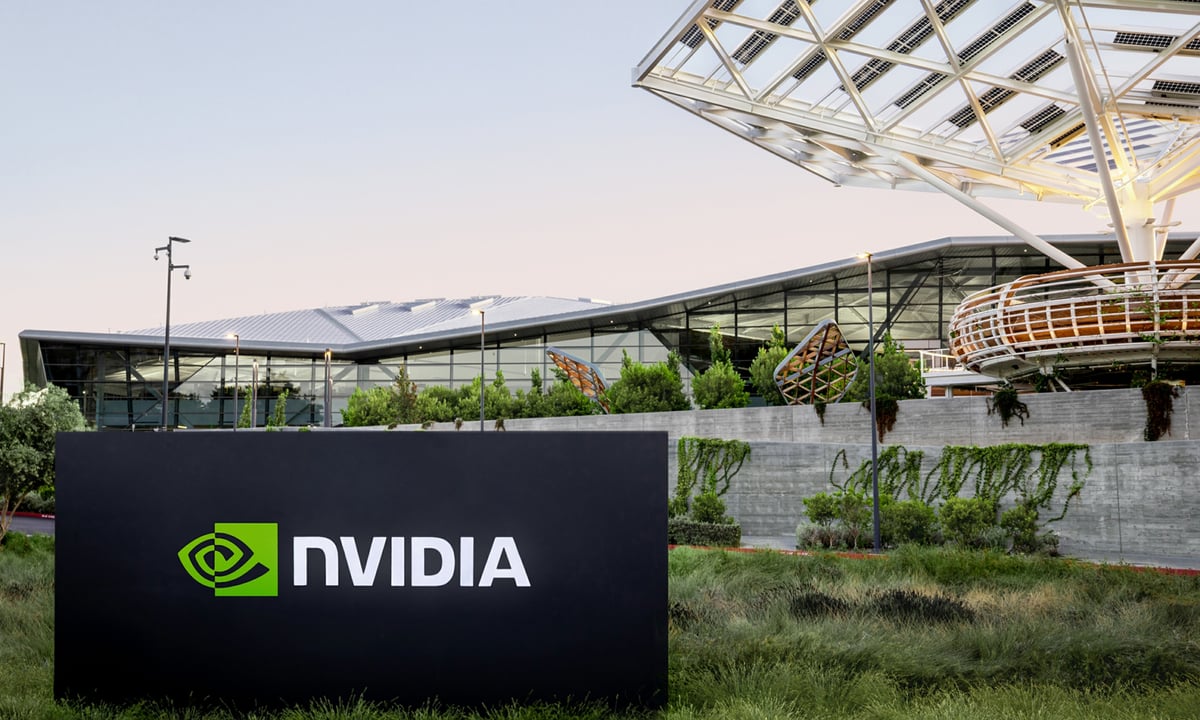
Nvidia Doubles Down on AI Investments and Partnerships

- Investment Portfolio Growth: Nvidia's investment portfolio swelled to nearly $18.4 billion by the end of Q1, including a $3.8 billion investment in two AI stocks, reflecting its ongoing confidence and strategic positioning in the AI sector.
- Increased Stake in CoreWeave: Nvidia raised its stake in AI data center company CoreWeave by 95%, totaling over $3.65 billion, indicating its recognition of CoreWeave's critical role in AI data center construction, particularly with plans to build over 5GW of data centers by 2030.
- New Partnership Announcement: Nvidia formed a new partnership with photonics leader Coherent, committing to multibillion-dollar purchases and a $2 billion investment in R&D, aimed at enhancing the capabilities of laser and optical networking products essential for scaling AI infrastructure in data centers.
- Market Risk Considerations: Despite CoreWeave's promising outlook in the AI space, its high debt-to-equity ratio of 5.2 and significant shareholder dilution raise concerns about its financial health, potentially exposing it to substantial risks amid fluctuations in the AI market.
See More

Nvidia Expands Investment Portfolio and Partnerships
- Portfolio Growth: Nvidia's investment portfolio swelled to nearly $18.4 billion by the end of Q1, including a $3.8 billion investment in two AI stocks, reflecting its ongoing confidence and strategic positioning in the AI sector.
- Core Partnership Expansion: Nvidia increased its stake in CoreWeave by 95%, totaling over $3.65 billion, indicating its commitment to data center development, particularly in the context of rapid AI advancements.
- Emerging Technology Investment: The partnership with Coherent includes a $2 billion investment aimed at supporting research in photonics technology, addressing the growing demands of AI infrastructure and further solidifying Nvidia's central role in the AI ecosystem.
- Market Risk Consideration: While CoreWeave shows potential in the AI data center space, its high debt-to-equity ratio of 5.2 and significant shareholder dilution may pose risks to its future performance, prompting investors to exercise caution.
See More

Analysis of Bitcoin Investment Opportunities
- Market Performance Review: As of May 27, 2026, the S&P 500 index is up 10% and trading at record highs, prompting investors to reassess the role of digital assets in their portfolios, despite the overall industry being in a downturn.
- Bitcoin Price Volatility: Bitcoin has dropped 39% since peaking in October 2025; however, historical data shows that Bitcoin has experienced multiple drawdowns of over 50% and has always recovered to reach new highs, indicating its potential as a long-term investment.
- Long-Term Investment Strategy: While the temptation to speculate for quick profits exists, Bitcoin is better suited for patient, disciplined long-term investors, and it is recommended to view it as a 10-year investment, which may eliminate a large portion of market participants.
- Foundation for Financial Products: Bitcoin is increasingly seen as the base layer for new financial products and services, including investment vehicles, payment solutions, and yield-generating instruments, and its integration with traditional finance provides a strong tailwind for future growth.
See More

S&P 500 Future Outlook and Performance Insights


- Historical Performance Review: Over the past 20 years, the S&P 500 has achieved an annual return of 9.3% excluding dividends, while the total return including dividends reached 768%, demonstrating its strong position as a benchmark for the U.S. stock market.
- Future Growth Expectations: Wall Street analysts project a 25% increase in earnings for S&P 500 companies in 2026, up from 14% in 2025, primarily driven by robust spending on artificial intelligence infrastructure and corporate tax breaks.
- Market Risk Factors: While strong earnings growth is expected to drive the S&P 500 higher, economic uncertainties stemming from the Iran conflict and potential interest rate hikes could negatively impact the stock market, necessitating cautious investor strategies.
- Investment Recommendations: When considering investments in the S&P 500 index, investors should also explore other potential stocks, as the Motley Fool analyst team has identified 10 stocks that could yield significant returns in the coming years, highlighting diverse investment opportunities in the market.
See More
Nvidia CEO Describes AI Demand as Parabolic Growth
- Strong Earnings Report: Nvidia's fiscal Q1 2027 revenue reached $81.6 billion, an 85% year-over-year increase, reflecting robust market demand and business acceleration, particularly in its AI-driven data center segment, which saw a 92% revenue growth, laying a solid foundation for future growth.
- Significant Profit Increase: Non-GAAP earnings per share surged 140% year-over-year to $1.87, driven by revenue growth and margin expansion, indicating a substantial enhancement in the company's profitability within the AI sector, further solidifying its market leadership.
- Aggressive Capital Return: Nvidia raised its quarterly dividend from $0.01 to $0.25, a 25-fold increase, and authorized an $80 billion share repurchase plan, demonstrating strong confidence in future cash flows while returning approximately $20 billion to shareholders in the last quarter alone.
- Forward-Looking Commitments: Management anticipates about $1 trillion in revenue visibility from 2025 to 2027, with total supply commitments swelling to $145 billion, indicating a long-term bullish outlook on the AI market, despite competitive risks from customers developing their own custom chips.
See More
Greg Abel's Three Major Successful Investments as CEO
- Successful Oxychem Acquisition: Berkshire Hathaway's $9.7 billion acquisition of Oxychem was finalized during a downturn in the chemical industry, with an estimated 8x EBITDA for 2025, benefiting from modernization efforts and pricing power, leading to excellent first-quarter performance.
- Strategic Tokio Marine Investment: Abel's $1.8 billion purchase of a 2.5% stake in Tokio Marine, with permission to increase to 9.9%, was made at a premium of nearly twice book value, yet is expected to yield additional upside through a risk-sharing agreement, enhancing the insurance business.
- Precise Timing in Alphabet Investment: Abel tripled Berkshire's stake in Alphabet to $22.5 billion, investing approximately $11 billion in the first quarter, capitalizing on market recovery and strong AI-driven earnings, with the stock price rising about 35% since last quarter.
- AI-Driven Revenue Growth: Alphabet's cloud revenue surged 63%, with operating margins expanding from 17.8% to 32.9%, as AI integration improved search and advertising performance, resulting in a 19% increase in search revenue, indicating strong future growth potential.
See More
Nvidia Doubles Down on AI Investments and Partnerships
- Investment Portfolio Growth: Nvidia's investment portfolio swelled to nearly $18.4 billion by the end of Q1, including a $3.8 billion investment in two AI stocks, reflecting its ongoing confidence and strategic positioning in the AI sector.
- Increased Stake in CoreWeave: Nvidia raised its stake in AI data center company CoreWeave by 95%, totaling over $3.65 billion, indicating its recognition of CoreWeave's critical role in AI data center construction, particularly with plans to build over 5GW of data centers by 2030.
- New Partnership Announcement: Nvidia formed a new partnership with photonics leader Coherent, committing to multibillion-dollar purchases and a $2 billion investment in R&D, aimed at enhancing the capabilities of laser and optical networking products essential for scaling AI infrastructure in data centers.
- Market Risk Considerations: Despite CoreWeave's promising outlook in the AI space, its high debt-to-equity ratio of 5.2 and significant shareholder dilution raise concerns about its financial health, potentially exposing it to substantial risks amid fluctuations in the AI market.
See More
Nvidia Expands Investment Portfolio and Partnerships
- Portfolio Growth: Nvidia's investment portfolio swelled to nearly $18.4 billion by the end of Q1, including a $3.8 billion investment in two AI stocks, reflecting its ongoing confidence and strategic positioning in the AI sector.
- Core Partnership Expansion: Nvidia increased its stake in CoreWeave by 95%, totaling over $3.65 billion, indicating its commitment to data center development, particularly in the context of rapid AI advancements.
- Emerging Technology Investment: The partnership with Coherent includes a $2 billion investment aimed at supporting research in photonics technology, addressing the growing demands of AI infrastructure and further solidifying Nvidia's central role in the AI ecosystem.
- Market Risk Consideration: While CoreWeave shows potential in the AI data center space, its high debt-to-equity ratio of 5.2 and significant shareholder dilution may pose risks to its future performance, prompting investors to exercise caution.
See More
Analysis of Bitcoin Investment Opportunities
- Market Performance Review: As of May 27, 2026, the S&P 500 index is up 10% and trading at record highs, prompting investors to reassess the role of digital assets in their portfolios, despite the overall industry being in a downturn.
- Bitcoin Price Volatility: Bitcoin has dropped 39% since peaking in October 2025; however, historical data shows that Bitcoin has experienced multiple drawdowns of over 50% and has always recovered to reach new highs, indicating its potential as a long-term investment.
- Long-Term Investment Strategy: While the temptation to speculate for quick profits exists, Bitcoin is better suited for patient, disciplined long-term investors, and it is recommended to view it as a 10-year investment, which may eliminate a large portion of market participants.
- Foundation for Financial Products: Bitcoin is increasingly seen as the base layer for new financial products and services, including investment vehicles, payment solutions, and yield-generating instruments, and its integration with traditional finance provides a strong tailwind for future growth.
See More
S&P 500 Future Outlook and Performance Insights
- Historical Performance Review: Over the past 20 years, the S&P 500 has achieved an annual return of 9.3% excluding dividends, while the total return including dividends reached 768%, demonstrating its strong position as a benchmark for the U.S. stock market.
- Future Growth Expectations: Wall Street analysts project a 25% increase in earnings for S&P 500 companies in 2026, up from 14% in 2025, primarily driven by robust spending on artificial intelligence infrastructure and corporate tax breaks.
- Market Risk Factors: While strong earnings growth is expected to drive the S&P 500 higher, economic uncertainties stemming from the Iran conflict and potential interest rate hikes could negatively impact the stock market, necessitating cautious investor strategies.
- Investment Recommendations: When considering investments in the S&P 500 index, investors should also explore other potential stocks, as the Motley Fool analyst team has identified 10 stocks that could yield significant returns in the coming years, highlighting diverse investment opportunities in the market.
See More