Carnival Stock Declines Amid Rising Oil Prices


- Oil Price Impact: Carnival's stock is under pressure due to soaring oil prices, which are a major expense for cruise companies; despite reporting record operating income, concerns about prolonged high oil prices could lead to further declines, highlighting the market's sensitivity to shipping costs.
- Apple Sales Growth: Apple reported a 23% year-over-year increase in iPhone sales in its latest quarter, and despite concerns about lagging in AI development, investors are starting to reassess its value, indicating strong power within its tech ecosystem, even as its stock has fallen 7% year-to-date.
- MercadoLibre Investment Opportunity: Despite achieving a 47% year-over-year revenue increase in Q4 2025, MercadoLibre's stock has dropped 14% due to compressed profits and margins, currently trading at a P/E ratio of 42, near a five-year low, indicating potential investment opportunities in the Latin American e-commerce market.
- Dutch Bros Expansion Potential: Dutch Bros has doubled its store count to over 1,000 in the past four years and plans to double it again to 2,029 by 2029; despite inflationary pressures, its Q4 2025 revenue grew 29% year-over-year, with net income rising from $6.4 million to $29.2 million, showcasing its long-term growth potential.
Trade with 70% Backtested Accuracy
Analyst Views on CCL

About CCL
About the author

Carnival Corp Surpasses Q1 Forecasts and Announces $2.5B Buyback — What’s Causing CCL Stock to Decline Today?

Carnival Corp's Financial Outlook: The company forecasts an average Brent crude price of $90 per barrel for April and May, while also approving a $2.5 billion share buyback program as part of a broader $14 billion strategy to enhance shareholder value.
Earnings and Revenue Performance: Carnival Corp reported better-than-expected first-quarter revenue of $6.17 billion, surpassing estimates, and earnings per share of $0.19, which also exceeded consensus estimates.
Impact of Oil Prices: The company has adjusted its full-year profit outlook for 2026 down to $3.07 billion due to rising fuel prices, which are expected to pressure margins, with Brent crude futures surging over 50% since late February.
Positive Booking Trends: Despite challenges, bookings for 2026 have doubled, positioning the company well for the remainder of the year, with nearly 85% of the year's bookings already secured at historically high prices.

Carnival Surpasses Earnings Expectations and Achieves Record Bookings, Yet Its Struggling Stock Continues to Decline.
- Earnings Performance: Carnival beat earnings estimates and reported record revenue and bookings in its fiscal first quarter.
- Stock Reaction: Despite the positive earnings report, the cruise stock continued to decline on Friday.

Carnival Cuts Full-Year Profit Forecast Despite Beating Estimates
- Earnings Beat: Carnival reported first-quarter revenue of $6.17 billion, a 6.1% increase year-over-year, surpassing estimates of $6.14 billion, demonstrating resilience amid global travel market disruptions.
- Profit Guidance Cut: Despite improvements in net yields and earnings per share, Carnival lowered its full-year adjusted EPS guidance from $2.48 to $2.21 due to rising fuel costs, anticipating a $0.38 headwind from oil price spikes.
- Debt Management Progress: The company continues to reduce its debt post-pandemic, with interest expenses decreasing from $377 million to $291 million, indicating a positive trend in financial health despite rising overall costs.
- Long-Term Growth Targets: Carnival unveiled its new PROPEL program, aiming for a 2.75 net debt/adjusted EBITDA ratio by 2029, planning to refurbish its fleet and destinations, reflecting confidence in future growth prospects.
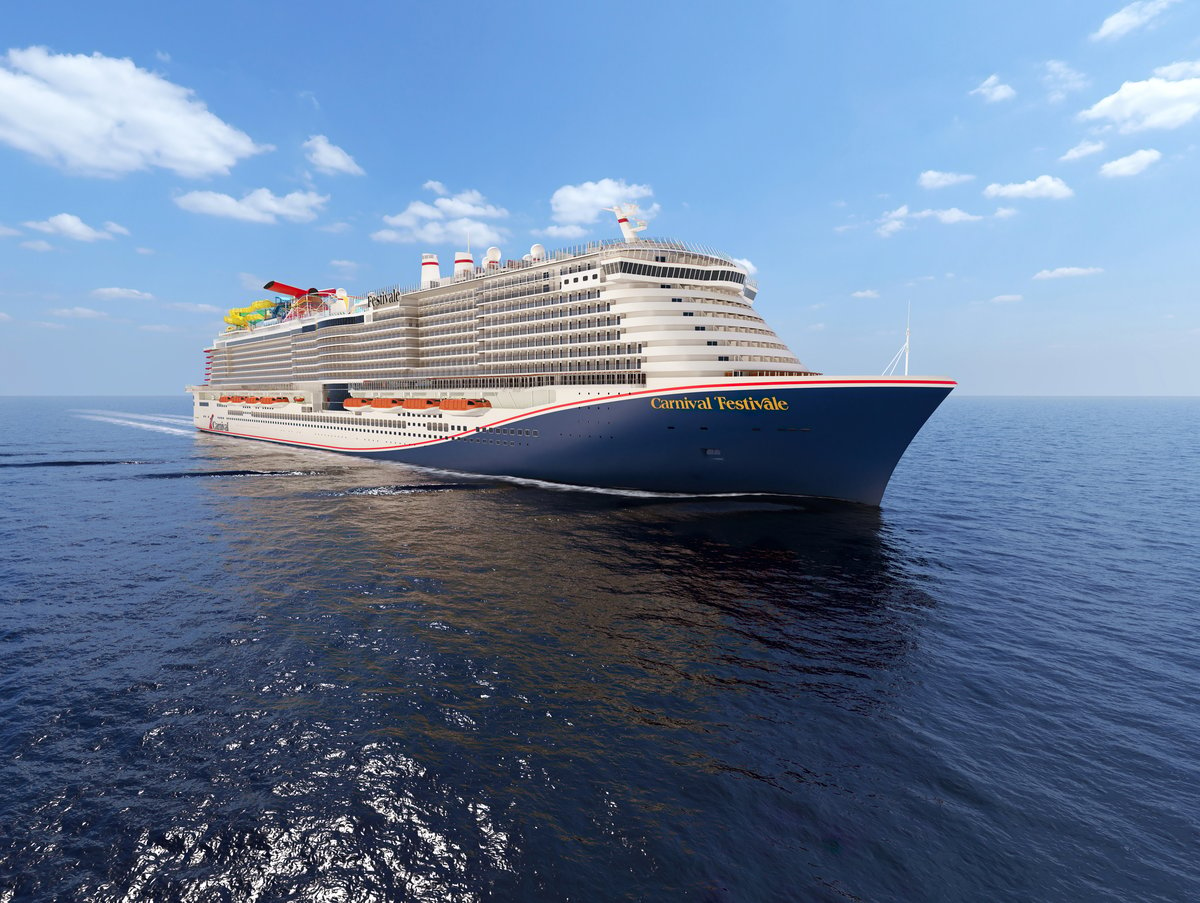
Carnival Reports Strong Earnings but Shares Decline
- Strong Earnings Report: Carnival's fiscal Q1 revenue reached $6.17 billion, a 6.1% increase year-over-year, surpassing estimates of $6.14 billion, indicating robust market demand and improved passenger yields.
- Profit Improvement: GAAP operating income rose from $543 million to $607 million, while adjusted earnings per share increased from $0.13 to $0.20, exceeding the consensus estimate of $0.18, reflecting the company's strong recovery post-pandemic.
- Debt Management Progress: The company successfully reduced its interest expense from $377 million to $291 million, demonstrating ongoing efforts to pay down the substantial debt incurred during the pandemic, thereby enhancing financial stability.
- Cautious Outlook: Despite management's expectation for a 2.75% increase in net yields for the year, the adjusted earnings per share guidance was lowered from $2.48 to $2.21 due to rising oil prices, highlighting the potential impact of external uncertainties on profitability.

Entergy Partners with Meta, Stock Surges Over 8%


- Entergy Stock Surge: Entergy's stock jumped over 8% after announcing a partnership with Meta, which is expected to save Louisiana customers approximately $2 billion over 20 years, significantly enhancing the company's competitive position in the energy market.
- Carnival Lowers Profit Guidance: Carnival revised its full-year adjusted profit forecast down to about $2.21 per share from $2.48, resulting in a more than 3% drop in its stock price and causing peers like Norwegian Cruise Line and Royal Caribbean to experience similar declines.
- Meta Stock Decline: Meta's shares fell over 3% due to losing two pivotal court cases and announcing layoffs, leading to an 11% drop over the week, highlighting the legal and operational challenges the company is currently facing.
- Argan Exceeds Earnings Expectations: Argan reported fourth-quarter earnings of $3.47 per share on revenue of $262.1 million, surpassing analyst expectations, which led to a 35% increase in its stock price, showcasing its strong market performance and growth potential.
Carnival Corp Reports Record Q1 Results Amid Fuel Cost Concerns
- Earnings vs Expectations: Carnival Corp reported an adjusted EPS of $0.20, beating estimates by $0.02, with revenue of $6.17 billion reflecting a 6.2% year-over-year increase; however, the company now expects adjusted EPS for the full year to drop to $2.21, down from previous guidance of $2.48 and below market estimates of $2.36.
- Rising Fuel Costs: The company anticipates fuel expenses for FY26 will increase from $1.63 billion to $2.15 billion due to a spike in fuel prices, with costs per metric ton rising from $524 to $718, which will significantly impact profitability.
- Long-Term Growth Targets: Carnival introduced the PROPEL initiative, aiming for 50% adjusted EPS growth and over 16% return on invested capital by 2029, indicating confidence in future earnings growth despite short-term cost pressures.
- Share Buyback Program: The board approved an additional $2.5 billion share buyback program to enhance shareholder returns, although concerns over Carnival's stock performance have led to declines in its shares and affected the broader cruise industry.
Carnival Corp Surpasses Q1 Forecasts and Announces $2.5B Buyback — What’s Causing CCL Stock to Decline Today?
Carnival Corp's Financial Outlook: The company forecasts an average Brent crude price of $90 per barrel for April and May, while also approving a $2.5 billion share buyback program as part of a broader $14 billion strategy to enhance shareholder value.
Earnings and Revenue Performance: Carnival Corp reported better-than-expected first-quarter revenue of $6.17 billion, surpassing estimates, and earnings per share of $0.19, which also exceeded consensus estimates.
Impact of Oil Prices: The company has adjusted its full-year profit outlook for 2026 down to $3.07 billion due to rising fuel prices, which are expected to pressure margins, with Brent crude futures surging over 50% since late February.
Positive Booking Trends: Despite challenges, bookings for 2026 have doubled, positioning the company well for the remainder of the year, with nearly 85% of the year's bookings already secured at historically high prices.
Carnival Surpasses Earnings Expectations and Achieves Record Bookings, Yet Its Struggling Stock Continues to Decline.
- Earnings Performance: Carnival beat earnings estimates and reported record revenue and bookings in its fiscal first quarter.
- Stock Reaction: Despite the positive earnings report, the cruise stock continued to decline on Friday.
Carnival Cuts Full-Year Profit Forecast Despite Beating Estimates
- Earnings Beat: Carnival reported first-quarter revenue of $6.17 billion, a 6.1% increase year-over-year, surpassing estimates of $6.14 billion, demonstrating resilience amid global travel market disruptions.
- Profit Guidance Cut: Despite improvements in net yields and earnings per share, Carnival lowered its full-year adjusted EPS guidance from $2.48 to $2.21 due to rising fuel costs, anticipating a $0.38 headwind from oil price spikes.
- Debt Management Progress: The company continues to reduce its debt post-pandemic, with interest expenses decreasing from $377 million to $291 million, indicating a positive trend in financial health despite rising overall costs.
- Long-Term Growth Targets: Carnival unveiled its new PROPEL program, aiming for a 2.75 net debt/adjusted EBITDA ratio by 2029, planning to refurbish its fleet and destinations, reflecting confidence in future growth prospects.
Carnival Reports Strong Earnings but Shares Decline
- Strong Earnings Report: Carnival's fiscal Q1 revenue reached $6.17 billion, a 6.1% increase year-over-year, surpassing estimates of $6.14 billion, indicating robust market demand and improved passenger yields.
- Profit Improvement: GAAP operating income rose from $543 million to $607 million, while adjusted earnings per share increased from $0.13 to $0.20, exceeding the consensus estimate of $0.18, reflecting the company's strong recovery post-pandemic.
- Debt Management Progress: The company successfully reduced its interest expense from $377 million to $291 million, demonstrating ongoing efforts to pay down the substantial debt incurred during the pandemic, thereby enhancing financial stability.
- Cautious Outlook: Despite management's expectation for a 2.75% increase in net yields for the year, the adjusted earnings per share guidance was lowered from $2.48 to $2.21 due to rising oil prices, highlighting the potential impact of external uncertainties on profitability.
Entergy Partners with Meta, Stock Surges Over 8%
- Entergy Stock Surge: Entergy's stock jumped over 8% after announcing a partnership with Meta, which is expected to save Louisiana customers approximately $2 billion over 20 years, significantly enhancing the company's competitive position in the energy market.
- Carnival Lowers Profit Guidance: Carnival revised its full-year adjusted profit forecast down to about $2.21 per share from $2.48, resulting in a more than 3% drop in its stock price and causing peers like Norwegian Cruise Line and Royal Caribbean to experience similar declines.
- Meta Stock Decline: Meta's shares fell over 3% due to losing two pivotal court cases and announcing layoffs, leading to an 11% drop over the week, highlighting the legal and operational challenges the company is currently facing.
- Argan Exceeds Earnings Expectations: Argan reported fourth-quarter earnings of $3.47 per share on revenue of $262.1 million, surpassing analyst expectations, which led to a 35% increase in its stock price, showcasing its strong market performance and growth potential.
Carnival Corp Reports Record Q1 Results Amid Fuel Cost Concerns
- Earnings vs Expectations: Carnival Corp reported an adjusted EPS of $0.20, beating estimates by $0.02, with revenue of $6.17 billion reflecting a 6.2% year-over-year increase; however, the company now expects adjusted EPS for the full year to drop to $2.21, down from previous guidance of $2.48 and below market estimates of $2.36.
- Rising Fuel Costs: The company anticipates fuel expenses for FY26 will increase from $1.63 billion to $2.15 billion due to a spike in fuel prices, with costs per metric ton rising from $524 to $718, which will significantly impact profitability.
- Long-Term Growth Targets: Carnival introduced the PROPEL initiative, aiming for 50% adjusted EPS growth and over 16% return on invested capital by 2029, indicating confidence in future earnings growth despite short-term cost pressures.
- Share Buyback Program: The board approved an additional $2.5 billion share buyback program to enhance shareholder returns, although concerns over Carnival's stock performance have led to declines in its shares and affected the broader cruise industry.