

Carnival Ranks Among Today's Leading S&P 500 Stocks, Driven by Factors Beyond the Cease-Fire.
Written by Emily J. Thompson, Senior Investment Analyst
Updated: Apr 08 2026
0mins


Source: Barron's
- Stock Performance: Carnival was among the top-performing stocks in the S&P 500 on Wednesday.
- Analyst Insights: An analyst highlighted that factors like "compressed valuations" and limited exposure to demand concerns could make cruise-line stocks appealing to investors.
- Market Context: The positive outlook comes in the context of a cease-fire in the Iran war, which may influence market dynamics.
- Investment Considerations: Investors may find cruise-line stocks to be a constructive option given the current market conditions.
Trade with 70% Backtested Accuracy
Stop guessing "Should I Buy NCLH?" and start using high-conviction signals backed by rigorous historical data.
Sign up today to access powerful investing tools and make smarter, data-driven decisions.
Analyst Views on NCLH
Wall Street analysts forecast NCLH stock price to rise
13 Analyst Rating
8 Buy
5 Hold
0 Sell
Moderate Buy
Current: 19.260

Low
20.00
Averages
26.77
High
40.00
Current: 19.260
Low
20.00
Averages
26.77
High
40.00
About NCLH
Norwegian Cruise Line Holdings Ltd. is a global cruise company. The Company operates Norwegian Cruise Line, Oceania Cruises and Regent Seven Seas Cruises. With a combined fleet of 32 ships and over 66,500 berths, it offers itineraries to over 700 destinations worldwide. Its brands offer itineraries to worldwide destinations, including Europe, Asia, Australia, New Zealand, South America, Africa, Canada, Bermuda, Caribbean, Alaska and Hawaii. All its brands offer an assortment of features, amenities and activities, including a variety of accommodations, multiple dining venues, bars and lounges, spa, casino and retail shopping areas and numerous entertainment choices. All brands also offer a selection of shore excursions at each port of call, as well as air transportation and hotel packages for stays before or after a voyage. Norwegian’s ships cater to a variety of travelers with up to 20 dining options. Oceania Cruises offers onboard dining, with multiple open-seating dining venues.
About the author

Emily J. Thompson
Emily J. Thompson, a Chartered Financial Analyst (CFA) with 12 years in investment research, graduated with honors from the Wharton School. Specializing in industrial and technology stocks, she provides in-depth analysis for Intellectia’s earnings and market brief reports.
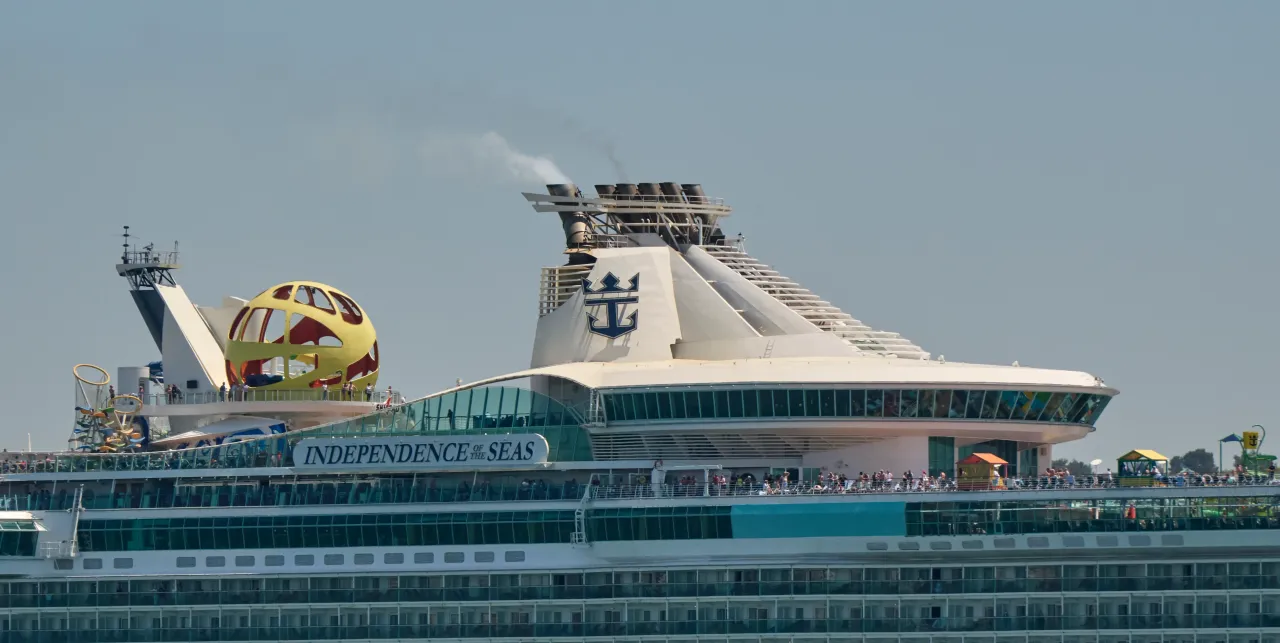
BMO Names Royal Caribbean as Top Cruise Stock with $370 Target


- Royal Caribbean Price Target: BMO sets a $370 price target for Royal Caribbean, implying a 31% upside, reflecting the company's strong ability to retain existing guests while attracting new ones, and is expected to benefit from improving industry conditions.
- Norwegian Cruise Challenges: Despite Norwegian Cruise Line's premium positioning, BMO assigns a $21 price target due to financial and operational performance lagging behind key rivals, indicating multiple challenges and an unclear investment outlook for the company.
- Carnival Lacks Catalysts: BMO maintains a balanced outlook on Carnival with a $30 price target, noting a lack of near-term catalysts post-financial restructuring, with a focus on boosting cash flow and improving fleet efficiency.
- Retail Sentiment Shift: On Stocktwits, retail sentiment around Royal Caribbean remains 'bullish', while Norwegian Cruise sentiment shifted from 'bullish' to 'neutral', and Carnival remains 'bearish', reflecting varying market perceptions of the cruise lines.
See More

US Stocks Close Lower as Chipmakers Weigh on Market


- Market Decline: On Tuesday, the S&P 500 index fell by 0.45%, the Dow Jones Industrial Average dropped by 0.25%, and the Nasdaq 100 index decreased by 1.77%, indicating a broader market decline under pressure from a selloff in chipmakers, reflecting investor concerns over high valuations.
- Samsung's Earnings Disappointment: Despite Samsung Electronics reporting a 19-fold profit surge, its stock plummeted over 8% in South Korea, suggesting market skepticism regarding the future profitability of the semiconductor sector, which could impact investor confidence in related companies.
- Geopolitical Risks Heightened: Crude oil prices surged to a 1.5-week high due to attacks on shipping in the Strait of Hormuz, raising inflation expectations and pushing bond yields higher, with the 10-year T-note yield reaching a 3.5-week high of 4.54%, adding uncertainty to the market.
- Strength in Software Stocks: Despite the overall market pressure, strong performance in software stocks indicates a rotation of funds into other sectors, with companies like Workday seeing stock price increases of over 4%, providing some support for the market.
See More

US Stocks Decline as Chipmakers Struggle
- Market Decline: The S&P 500 index fell by 0.67%, the Dow Jones Industrial Average by 0.38%, and the Nasdaq 100 by 2.14%, indicating a bearish market sentiment, particularly driven by a selloff in chipmakers.
- Samsung's Earnings Disappointment: Despite a staggering 19-fold profit increase, Samsung Electronics' stock dropped over 8% in South Korea, reflecting investor concerns over high valuations in the semiconductor sector, which could undermine overall market confidence.
- Rising Oil Prices: Following attacks in the Strait of Hormuz, WTI crude oil prices surged over 2%, raising inflation expectations and pushing bond yields higher, with the 10-year T-note yield reaching a 3.5-week high of 4.52%.
- Widening Trade Deficit: The US trade deficit for May expanded to $77.6 billion, the largest in 14 months, which may negatively impact Q2 GDP, adding to market uncertainties.
See More
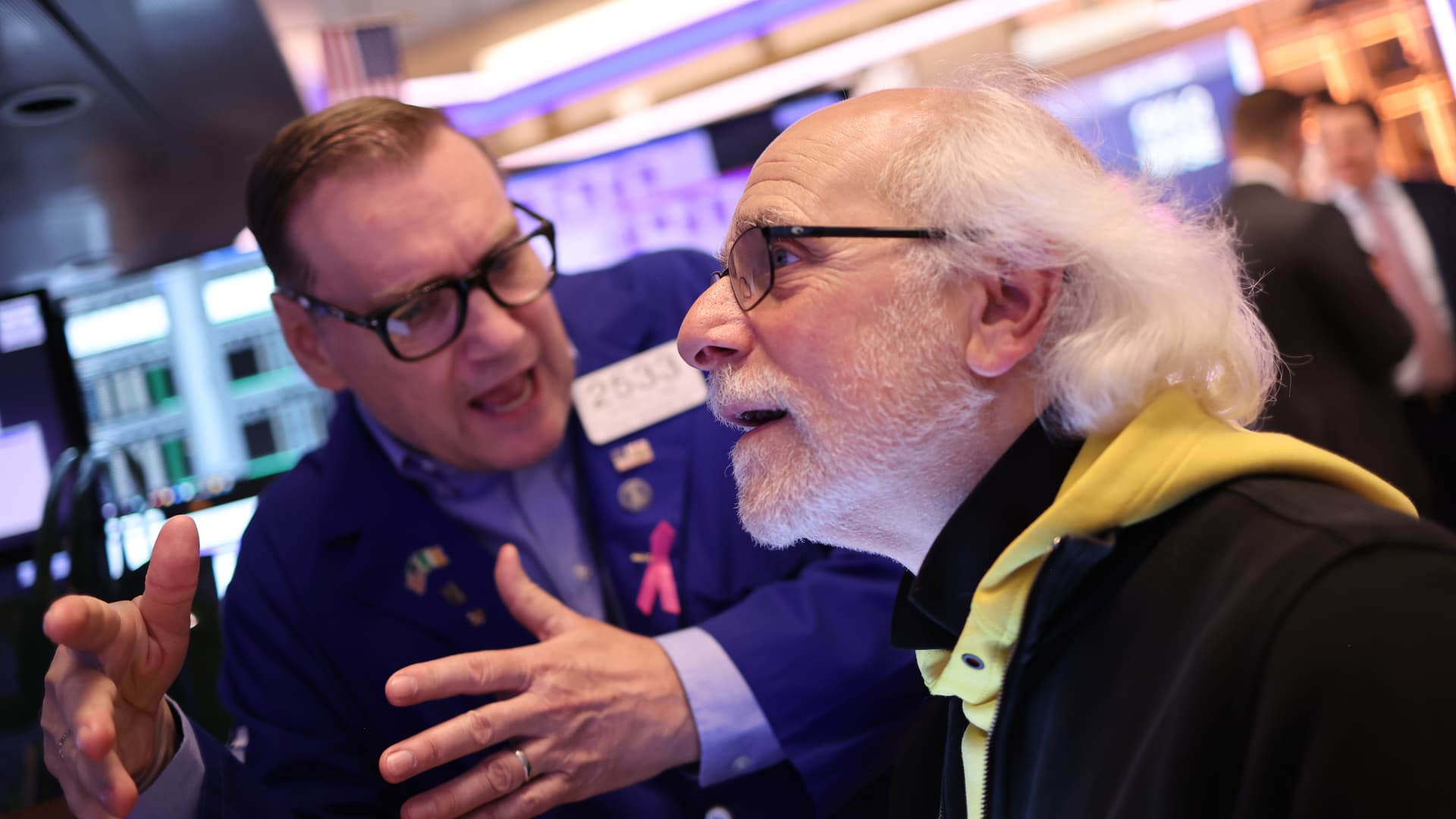
Analysis of the Importance of Market Capitalization

- Market Capitalization Comparison: Charles River Laboratories International Inc. (CRL) has a market cap of $10.92 billion compared to Norwegian Cruise Line Holdings Ltd (NCLH) at $9.69 billion, indicating CRL's relative strength in attracting larger investors.
- Investor Misconceptions: Many novice investors mistakenly believe that a higher stock price equates to greater company value, but market capitalization provides a more accurate comparison, enabling better-informed investment decisions.
- Size Impact: Market capitalization determines a company's size tier among peers, directly influencing which mutual funds and ETFs are willing to hold the stock, particularly as large funds prefer companies valued over $10 billion.
- Index Influence: For instance, the S&P MidCap index focuses on smaller companies by excluding the largest 100, highlighting the significance of market capitalization in investment strategies and company performance, especially in favorable market conditions.
See More
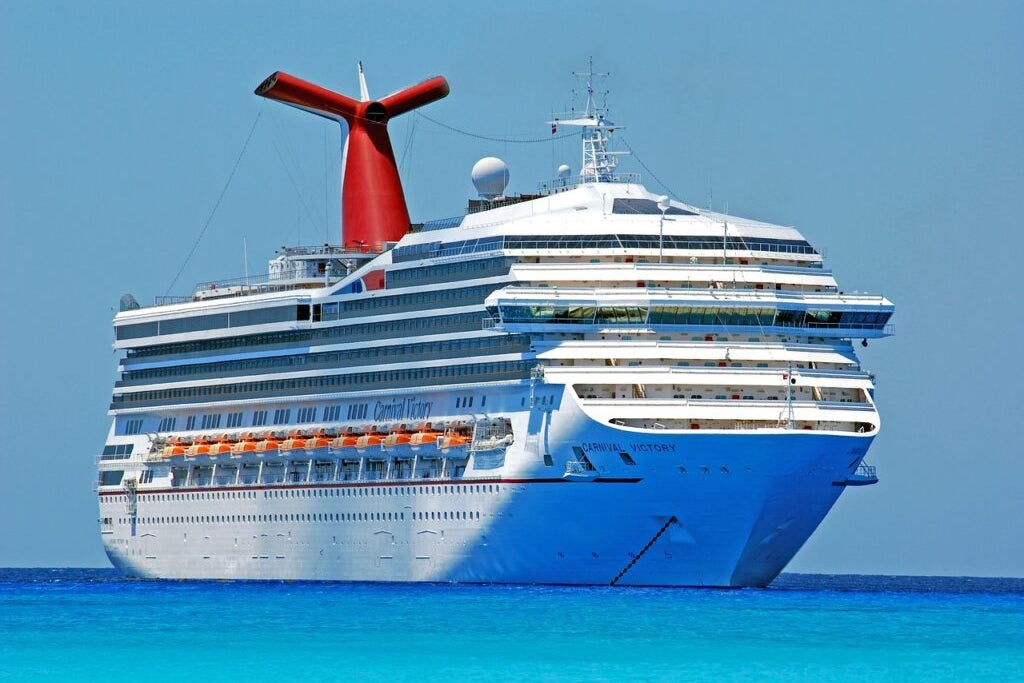
Oceania Cruises Unveils 2027 Specialty Cruise Itineraries
- Unique Voyage Experiences: Oceania Cruises' 2027 Specialty Cruises will feature destination-rich itineraries that blend cuisine, culture, and personal connection, aiming to provide guests with unique experiences that exceed expectations and enhance brand appeal.
- Celebrity Hosts: The cruises will feature renowned chefs like Sara Moulton and Claudine Pépin as hosts, offering cooking demonstrations and unique culinary events that enhance guest engagement and cultural understanding, further solidifying Oceania's position in the luxury cruise market.
- Diverse Itineraries: Specialty cruises include a 13-day journey from Athens to Rome and an 11-day voyage from Tokyo, where guests will experience local culinary cultures through specially crafted menus and activities, boosting customer satisfaction and loyalty.
- Annual Celebration Cruise: A 12-day Reunion Cruise set to sail in December 2027 aims to provide a festive opportunity for Oceania Club members and new guests to celebrate travel and cuisine, fostering interaction among customers and enhancing brand loyalty.
See More

US Stocks Rise Slightly, Led by Chipmakers

- Chipmaker Surge: US stocks rose today, led by Micron Technology's forecast of $50 billion in Q4 revenue, significantly above the $43.24 billion consensus, resulting in an 11% stock price increase and bolstering the bullish case for AI trades.
- Positive Economic Indicators: US economic data revealed an upward revision of Q1 GDP to 2.1%, surpassing the expected 1.6%, while weekly initial jobless claims fell by 12,000 to 215,000, indicating a robust labor market that enhances market confidence.
- Improved Inflation Expectations: The May core PCE price index rose 3.4% year-over-year, aligning with expectations, and the 10-year Treasury yield dropped to a 6-week low of 4.36%, providing support for stocks and alleviating investor concerns about rate hikes.
- Apple's Stock Decline: Despite overall market gains, Apple's stock fell over 5% after raising prices on Macs and iPads to offset memory chip shortages, which limited the broader market's upward momentum.
See More
BMO Names Royal Caribbean as Top Cruise Stock with $370 Target
- Royal Caribbean Price Target: BMO sets a $370 price target for Royal Caribbean, implying a 31% upside, reflecting the company's strong ability to retain existing guests while attracting new ones, and is expected to benefit from improving industry conditions.
- Norwegian Cruise Challenges: Despite Norwegian Cruise Line's premium positioning, BMO assigns a $21 price target due to financial and operational performance lagging behind key rivals, indicating multiple challenges and an unclear investment outlook for the company.
- Carnival Lacks Catalysts: BMO maintains a balanced outlook on Carnival with a $30 price target, noting a lack of near-term catalysts post-financial restructuring, with a focus on boosting cash flow and improving fleet efficiency.
- Retail Sentiment Shift: On Stocktwits, retail sentiment around Royal Caribbean remains 'bullish', while Norwegian Cruise sentiment shifted from 'bullish' to 'neutral', and Carnival remains 'bearish', reflecting varying market perceptions of the cruise lines.
See More
US Stocks Close Lower as Chipmakers Weigh on Market
- Market Decline: On Tuesday, the S&P 500 index fell by 0.45%, the Dow Jones Industrial Average dropped by 0.25%, and the Nasdaq 100 index decreased by 1.77%, indicating a broader market decline under pressure from a selloff in chipmakers, reflecting investor concerns over high valuations.
- Samsung's Earnings Disappointment: Despite Samsung Electronics reporting a 19-fold profit surge, its stock plummeted over 8% in South Korea, suggesting market skepticism regarding the future profitability of the semiconductor sector, which could impact investor confidence in related companies.
- Geopolitical Risks Heightened: Crude oil prices surged to a 1.5-week high due to attacks on shipping in the Strait of Hormuz, raising inflation expectations and pushing bond yields higher, with the 10-year T-note yield reaching a 3.5-week high of 4.54%, adding uncertainty to the market.
- Strength in Software Stocks: Despite the overall market pressure, strong performance in software stocks indicates a rotation of funds into other sectors, with companies like Workday seeing stock price increases of over 4%, providing some support for the market.
See More
US Stocks Decline as Chipmakers Struggle
- Market Decline: The S&P 500 index fell by 0.67%, the Dow Jones Industrial Average by 0.38%, and the Nasdaq 100 by 2.14%, indicating a bearish market sentiment, particularly driven by a selloff in chipmakers.
- Samsung's Earnings Disappointment: Despite a staggering 19-fold profit increase, Samsung Electronics' stock dropped over 8% in South Korea, reflecting investor concerns over high valuations in the semiconductor sector, which could undermine overall market confidence.
- Rising Oil Prices: Following attacks in the Strait of Hormuz, WTI crude oil prices surged over 2%, raising inflation expectations and pushing bond yields higher, with the 10-year T-note yield reaching a 3.5-week high of 4.52%.
- Widening Trade Deficit: The US trade deficit for May expanded to $77.6 billion, the largest in 14 months, which may negatively impact Q2 GDP, adding to market uncertainties.
See More
Analysis of the Importance of Market Capitalization
- Market Capitalization Comparison: Charles River Laboratories International Inc. (CRL) has a market cap of $10.92 billion compared to Norwegian Cruise Line Holdings Ltd (NCLH) at $9.69 billion, indicating CRL's relative strength in attracting larger investors.
- Investor Misconceptions: Many novice investors mistakenly believe that a higher stock price equates to greater company value, but market capitalization provides a more accurate comparison, enabling better-informed investment decisions.
- Size Impact: Market capitalization determines a company's size tier among peers, directly influencing which mutual funds and ETFs are willing to hold the stock, particularly as large funds prefer companies valued over $10 billion.
- Index Influence: For instance, the S&P MidCap index focuses on smaller companies by excluding the largest 100, highlighting the significance of market capitalization in investment strategies and company performance, especially in favorable market conditions.
See More
Oceania Cruises Unveils 2027 Specialty Cruise Itineraries
- Unique Voyage Experiences: Oceania Cruises' 2027 Specialty Cruises will feature destination-rich itineraries that blend cuisine, culture, and personal connection, aiming to provide guests with unique experiences that exceed expectations and enhance brand appeal.
- Celebrity Hosts: The cruises will feature renowned chefs like Sara Moulton and Claudine Pépin as hosts, offering cooking demonstrations and unique culinary events that enhance guest engagement and cultural understanding, further solidifying Oceania's position in the luxury cruise market.
- Diverse Itineraries: Specialty cruises include a 13-day journey from Athens to Rome and an 11-day voyage from Tokyo, where guests will experience local culinary cultures through specially crafted menus and activities, boosting customer satisfaction and loyalty.
- Annual Celebration Cruise: A 12-day Reunion Cruise set to sail in December 2027 aims to provide a festive opportunity for Oceania Club members and new guests to celebrate travel and cuisine, fostering interaction among customers and enhancing brand loyalty.
See More
US Stocks Rise Slightly, Led by Chipmakers
- Chipmaker Surge: US stocks rose today, led by Micron Technology's forecast of $50 billion in Q4 revenue, significantly above the $43.24 billion consensus, resulting in an 11% stock price increase and bolstering the bullish case for AI trades.
- Positive Economic Indicators: US economic data revealed an upward revision of Q1 GDP to 2.1%, surpassing the expected 1.6%, while weekly initial jobless claims fell by 12,000 to 215,000, indicating a robust labor market that enhances market confidence.
- Improved Inflation Expectations: The May core PCE price index rose 3.4% year-over-year, aligning with expectations, and the 10-year Treasury yield dropped to a 6-week low of 4.36%, providing support for stocks and alleviating investor concerns about rate hikes.
- Apple's Stock Decline: Despite overall market gains, Apple's stock fell over 5% after raising prices on Macs and iPads to offset memory chip shortages, which limited the broader market's upward momentum.
See More





