Canada Eases Import Restrictions on Chinese EVs
Written by Emily J. Thompson, Senior Investment Analyst
Updated: Feb 13 2026
0mins


Should l Buy STLA?
Source: CNBC
- Policy Shift: The Canadian government has decided to allow the import of 49,000 Chinese electric vehicles, reducing tariffs from 106% to 6.1%, which will enable these vehicles to represent about 3% of Canada's new car market and approximately 20% of its battery EV and plug-in hybrid market, aiming to reduce reliance on the U.S. and revitalize domestic manufacturing.
- China-Canada Cooperation: In exchange for tariff reductions, China has agreed to lower tariffs on Canadian canola oil, a move that not only enhances Canadian agricultural exports but may also foster joint investments and collaborations in the EV sector, driving manufacturing revival.
- Market Outlook: With expectations for significant growth in the Canadian EV market by 2030, the relatively small import volume of 49,000 vehicles could have a substantial impact if these are primarily affordable models, potentially increasing consumer acceptance of electric vehicles.
- Manufacturing Challenges: Despite having resource advantages, Canada faces challenges in attracting manufacturing investments compared to Mexico and the U.S., where lower manufacturing costs and larger markets prevail, and without further action, Canadian assembly plants may continue to decline.
Trade with 70% Backtested Accuracy
Stop guessing "Should I Buy STLA?" and start using high-conviction signals backed by rigorous historical data.
Sign up today to access powerful investing tools and make smarter, data-driven decisions.
Analyst Views on STLA
Wall Street analysts forecast STLA stock price to rise
14 Analyst Rating
7 Buy
7 Hold
0 Sell
Moderate Buy
Current: 7.150

Low
9.33
Averages
11.81
High
15.15
Current: 7.150
Low
9.33
Averages
11.81
High
15.15
About STLA
Stellantis N.V., formerly Fiat Chrysler Automobiles N.V., is a holding Company based in the Netherlands and operates as an automaker and a mobility provider. The Company is engaged in designing, engineering, manufacturing, distributing and selling vehicles, components and production systems. The Company has industrial operations in more than 30 countries and sells its vehicles directly or through distributors and dealers in more than 130 countries. The Company designs, manufactures, distributes and sells vehicles for the mass-market under the Abarth, Alfa Romeo, Chrysler, Dodge, Fiat, Fiat Professional, Jeep, Lancia and Ram brands. In addition, the Company designs, manufactures, distributes and sells luxury vehicles under the Maserati brand. The Company's brand portfolio also includes Peugeot, Citroen, DS Automobiles, Opel and Vauxhall. It offers a wide variety of vehicle choices from luxury and mainstream passenger vehicles to pickup trucks, sport utility vehicle (SUVs).
About the author

Emily J. Thompson
Emily J. Thompson, a Chartered Financial Analyst (CFA) with 12 years in investment research, graduated with honors from the Wharton School. Specializing in industrial and technology stocks, she provides in-depth analysis for Intellectia’s earnings and market brief reports.
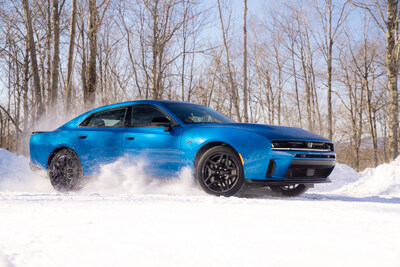
2026 Dodge Charger R/T Launches with Significant Power Boost

- Power Boost: The 2026 Dodge Charger R/T features a 3.0L twin-turbo SIXPACK engine delivering 420 horsepower and 468 lb-ft of torque, adding 50 horsepower (+13.5%) and 73 lb-ft of torque (+18.5%) compared to the previous HEMI model, significantly enhancing acceleration performance.
- Market Positioning: With a starting MSRP of $49,995, the 2026 Charger R/T is America's most affordable AWD muscle car, with orders now open and deliveries expected by the end of this quarter, further solidifying Dodge's competitive position in the muscle car market.
- Design Innovation: The new Charger R/T is not only the world's only four-door muscle car but also offers best-in-class passenger volume and 37.4 cubic feet of cargo space, with rear seats that fold flat, enhancing practicality to meet consumer demands for space.
- Diverse Power Options: The 2026 Charger lineup includes the 550-horsepower Scat Pack and the 670-horsepower all-electric Charger Daytona Scat Pack, showcasing Dodge's strategic focus on multi-energy powertrains to cater to varying consumer preferences.
See More
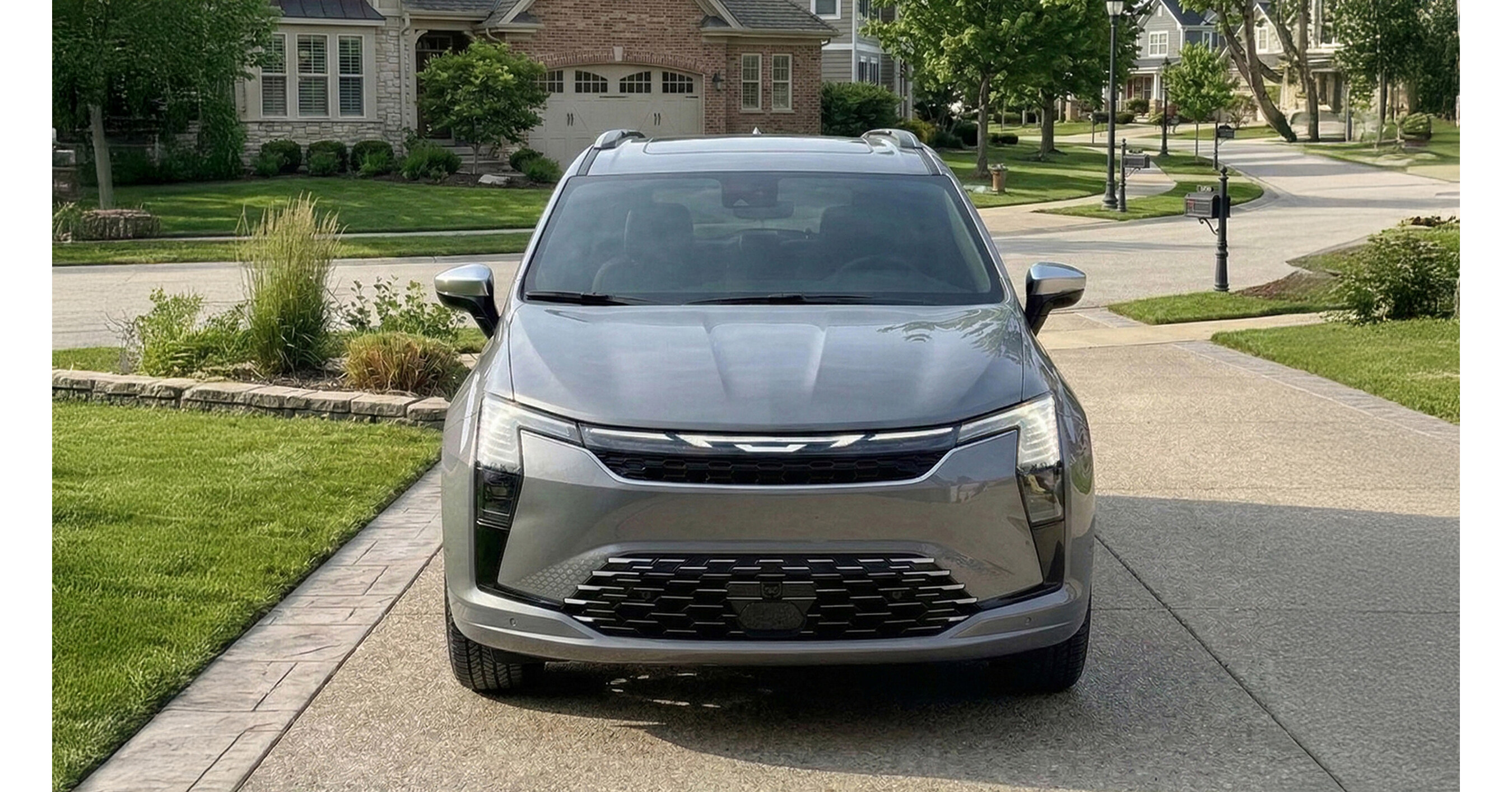
2027 Chrysler Pacifica Now Available for Order with Enhanced Features
- Model Launch: The 2027 Chrysler Pacifica is now available for order, starting at $41,495, reinforcing the brand's leadership in the family vehicle market and expected to attract more family consumers.
- Exterior and Interior Upgrades: The new model features a modern front fascia and upgraded interior accents that enhance overall luxury, particularly the unique Blue Agave interior in the top-tier Pinnacle model, aimed at increasing consumer personalization options.
- Safety and Tech Innovations: The Pacifica introduces enhanced safety features, including Turn Signal-activated Blind Spot View and ParkSense camera activation, improving driver visibility and safety, while the new Family Tech Group allows families to choose desired features, enhancing user experience.
- Market Positioning and Strategic Significance: As America's best-selling minivan, the Pacifica continues to meet diverse needs of modern families through its exclusive Stow 'n Go seating system and flexible tech strategy, further solidifying Chrysler's competitive advantage in this segment.
See More

2027 Chrysler Pacifica Ordering Now Open with Major Updates
- New Model Highlights: The 2027 Chrysler Pacifica starts at $41,495, featuring a new Blue Agave interior and an upgraded Safety Sphere Package that enhances the driving experience, further solidifying its leadership in the family vehicle market.
- Safety Technology Upgrade: The new model's Safety Sphere Package includes Turn Signal-activated Blind Spot View and ParkSense Camera Activation, significantly improving driver visibility and safety, meeting modern families' high safety demands.
- Flexible Tech Configuration: The decoupling of the Uconnect Theater Package and Family Tech Group allows consumers to choose features based on their needs, providing greater flexibility and enhancing customer personalization.
- Unique Seating Design: The Pacifica continues to offer its exclusive Stow 'n Go seating and storage system, allowing for quick folding of the second and third-row seats to create a flat load space, greatly enhancing convenience for family travel.
See More
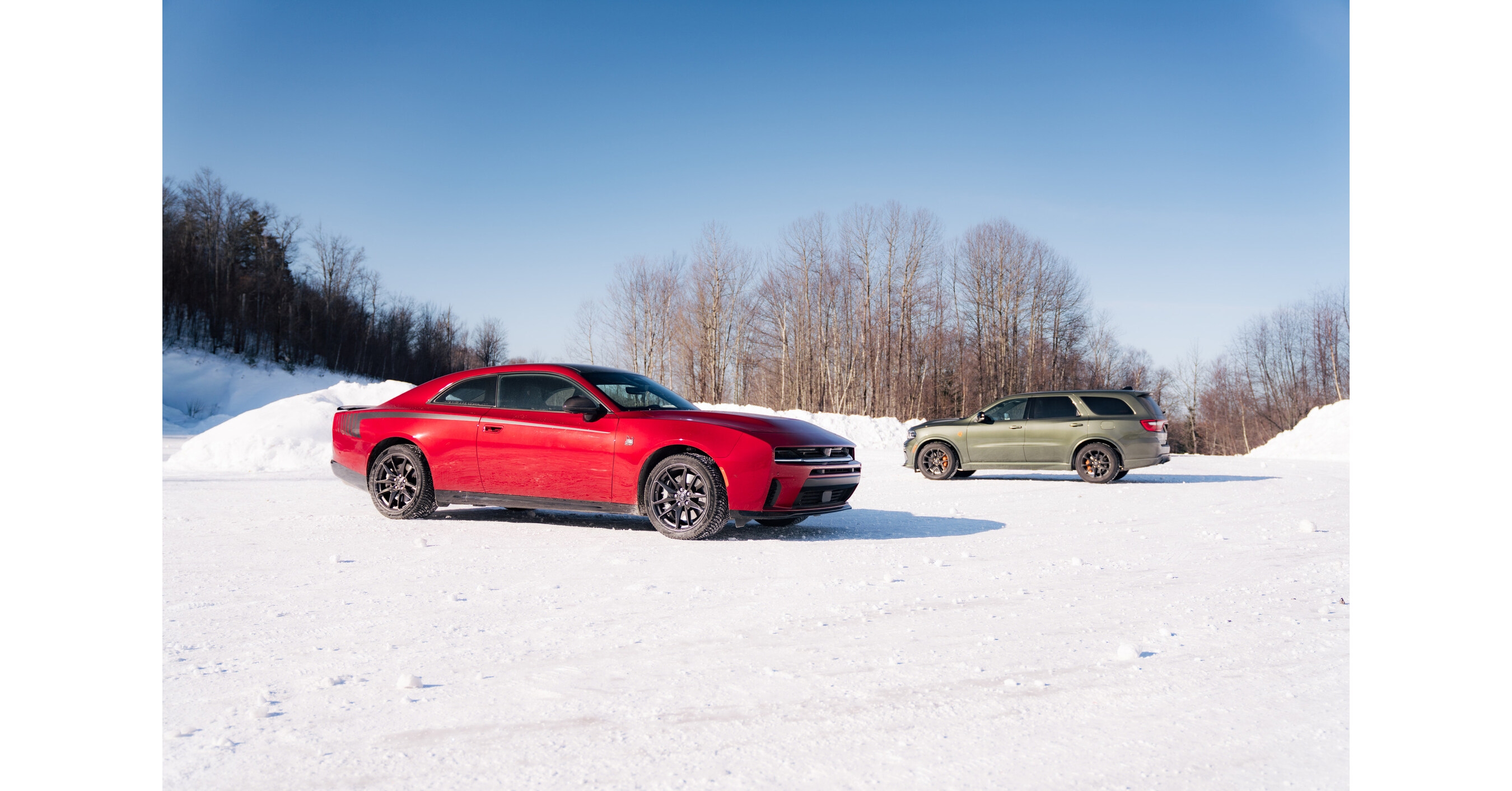
2026 Dodge All-Wheel Drive Models Unveiled
- AWD System Advantage: The 2026 Dodge Charger and Durango models feature intelligent all-wheel-drive systems that maintain exceptional performance in adverse weather conditions, enhancing consumer confidence and enjoyment across the country.
- Powertrain Flexibility: Charger models offer multiple driving modes, including Sport, Wet/Snow, and Custom, allowing drivers to adjust torque output according to personal preferences, thereby enhancing the personalization and flexibility of the driving experience.
- Durango's Robust Power: The 2026 Durango comes standard with all-wheel drive across all models, with HEMI V-8 engine variants providing optimal traction and handling, particularly excelling in towing capabilities of up to 8,700 pounds to meet diverse usage needs.
- Performance Driving Training: Customers purchasing SIXPACK-powered Charger Scat Pack or Durango SRT Hellcat models receive a day of high-performance driving instruction, further enhancing the brand's value proposition and customer experience.
See More
2026 Dodge Charger and Durango AWD Systems Unveiled
- AWD System Advantage: The 2026 Dodge Charger and Durango models come standard with intelligent all-wheel-drive systems, ensuring exceptional performance even in harsh weather conditions, allowing drivers to enjoy driving in snow while solidifying Dodge's competitive edge in the high-performance vehicle market.
- Powertrain Flexibility: The Dodge Charger’s SIXPACK powertrain offers multiple driving modes, including Sport, Wet/Snow, and Custom, enabling drivers to adjust torque output according to personal preferences, enhancing the driving experience and catering to diverse driving needs.
- Durango's Towing Capability: The 2026 Durango features full-time all-wheel drive across its lineup, with HEMI V-8 engine models boasting a best-in-class towing capacity of 8,700 pounds, meeting consumer demands for versatile performance and expanding its market appeal.
- Pricing and Market Positioning: The starting prices for the 2026 Dodge Charger and Durango are $49,995 and $40,995 respectively, showcasing a strong value proposition in the high-performance vehicle segment, attracting more consumer interest in the Dodge brand.
See More
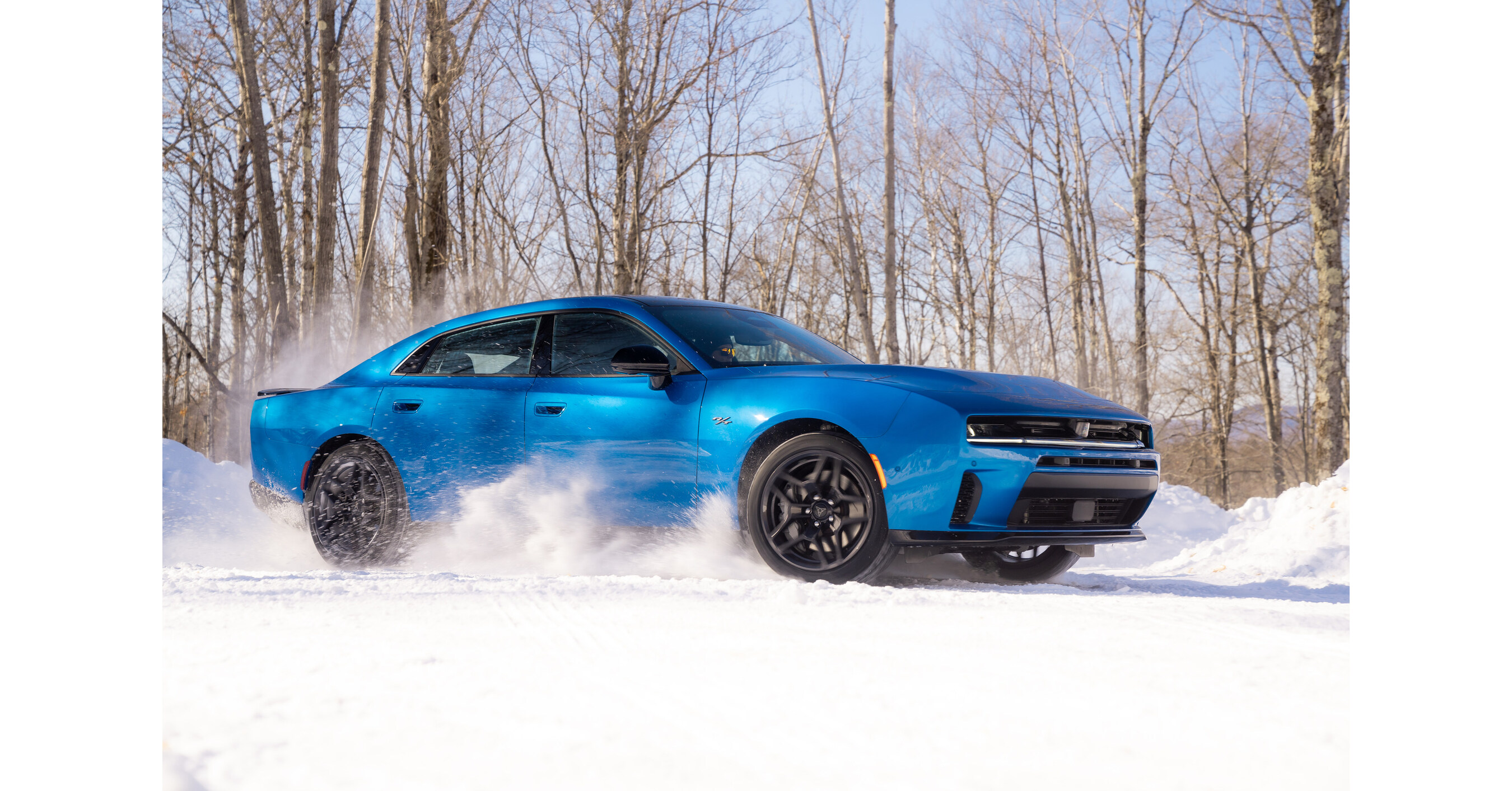
2026 Dodge Charger R/T Launches with Enhanced Performance
- Performance Boost: The 2026 Dodge Charger R/T features a 3.0L twin-turbo SIXPACK engine delivering 420 horsepower and 468 lb-ft of torque, which is a significant increase of 50 horsepower (+13.5%) and 73 lb-ft of torque (+18.5%) compared to the previous 5.7L HEMI, accelerating from 0 to 60 mph in just 4.6 seconds, showcasing exceptional performance.
- Market Positioning: With a starting MSRP of $49,995, the 2026 Charger R/T is positioned as America's most affordable AWD muscle car, with orders now open and deliveries expected by the end of this quarter, further solidifying Dodge's competitive stance in the muscle car market.
- Technological Innovation: The new Charger R/T incorporates advanced engineering, featuring twin 50mm turbochargers and precise direct fuel injection technology, achieving a combined fuel economy of 23 mpg, ensuring higher fuel efficiency while enhancing power, aligning with modern consumer demands.
- Diverse Options: The 2026 Charger lineup offers both two-door and four-door configurations, allowing consumers to choose based on personal preference, while the R/T Plus model adds luxury features, enhancing market appeal and catering to diverse consumer needs.
See More
2026 Dodge Charger R/T Launches with Significant Power Boost
- Power Boost: The 2026 Dodge Charger R/T features a 3.0L twin-turbo SIXPACK engine delivering 420 horsepower and 468 lb-ft of torque, adding 50 horsepower (+13.5%) and 73 lb-ft of torque (+18.5%) compared to the previous HEMI model, significantly enhancing acceleration performance.
- Market Positioning: With a starting MSRP of $49,995, the 2026 Charger R/T is America's most affordable AWD muscle car, with orders now open and deliveries expected by the end of this quarter, further solidifying Dodge's competitive position in the muscle car market.
- Design Innovation: The new Charger R/T is not only the world's only four-door muscle car but also offers best-in-class passenger volume and 37.4 cubic feet of cargo space, with rear seats that fold flat, enhancing practicality to meet consumer demands for space.
- Diverse Power Options: The 2026 Charger lineup includes the 550-horsepower Scat Pack and the 670-horsepower all-electric Charger Daytona Scat Pack, showcasing Dodge's strategic focus on multi-energy powertrains to cater to varying consumer preferences.
See More
2027 Chrysler Pacifica Now Available for Order with Enhanced Features
- Model Launch: The 2027 Chrysler Pacifica is now available for order, starting at $41,495, reinforcing the brand's leadership in the family vehicle market and expected to attract more family consumers.
- Exterior and Interior Upgrades: The new model features a modern front fascia and upgraded interior accents that enhance overall luxury, particularly the unique Blue Agave interior in the top-tier Pinnacle model, aimed at increasing consumer personalization options.
- Safety and Tech Innovations: The Pacifica introduces enhanced safety features, including Turn Signal-activated Blind Spot View and ParkSense camera activation, improving driver visibility and safety, while the new Family Tech Group allows families to choose desired features, enhancing user experience.
- Market Positioning and Strategic Significance: As America's best-selling minivan, the Pacifica continues to meet diverse needs of modern families through its exclusive Stow 'n Go seating system and flexible tech strategy, further solidifying Chrysler's competitive advantage in this segment.
See More
2027 Chrysler Pacifica Ordering Now Open with Major Updates
- New Model Highlights: The 2027 Chrysler Pacifica starts at $41,495, featuring a new Blue Agave interior and an upgraded Safety Sphere Package that enhances the driving experience, further solidifying its leadership in the family vehicle market.
- Safety Technology Upgrade: The new model's Safety Sphere Package includes Turn Signal-activated Blind Spot View and ParkSense Camera Activation, significantly improving driver visibility and safety, meeting modern families' high safety demands.
- Flexible Tech Configuration: The decoupling of the Uconnect Theater Package and Family Tech Group allows consumers to choose features based on their needs, providing greater flexibility and enhancing customer personalization.
- Unique Seating Design: The Pacifica continues to offer its exclusive Stow 'n Go seating and storage system, allowing for quick folding of the second and third-row seats to create a flat load space, greatly enhancing convenience for family travel.
See More
2026 Dodge All-Wheel Drive Models Unveiled
- AWD System Advantage: The 2026 Dodge Charger and Durango models feature intelligent all-wheel-drive systems that maintain exceptional performance in adverse weather conditions, enhancing consumer confidence and enjoyment across the country.
- Powertrain Flexibility: Charger models offer multiple driving modes, including Sport, Wet/Snow, and Custom, allowing drivers to adjust torque output according to personal preferences, thereby enhancing the personalization and flexibility of the driving experience.
- Durango's Robust Power: The 2026 Durango comes standard with all-wheel drive across all models, with HEMI V-8 engine variants providing optimal traction and handling, particularly excelling in towing capabilities of up to 8,700 pounds to meet diverse usage needs.
- Performance Driving Training: Customers purchasing SIXPACK-powered Charger Scat Pack or Durango SRT Hellcat models receive a day of high-performance driving instruction, further enhancing the brand's value proposition and customer experience.
See More
2026 Dodge Charger and Durango AWD Systems Unveiled
- AWD System Advantage: The 2026 Dodge Charger and Durango models come standard with intelligent all-wheel-drive systems, ensuring exceptional performance even in harsh weather conditions, allowing drivers to enjoy driving in snow while solidifying Dodge's competitive edge in the high-performance vehicle market.
- Powertrain Flexibility: The Dodge Charger’s SIXPACK powertrain offers multiple driving modes, including Sport, Wet/Snow, and Custom, enabling drivers to adjust torque output according to personal preferences, enhancing the driving experience and catering to diverse driving needs.
- Durango's Towing Capability: The 2026 Durango features full-time all-wheel drive across its lineup, with HEMI V-8 engine models boasting a best-in-class towing capacity of 8,700 pounds, meeting consumer demands for versatile performance and expanding its market appeal.
- Pricing and Market Positioning: The starting prices for the 2026 Dodge Charger and Durango are $49,995 and $40,995 respectively, showcasing a strong value proposition in the high-performance vehicle segment, attracting more consumer interest in the Dodge brand.
See More
2026 Dodge Charger R/T Launches with Enhanced Performance
- Performance Boost: The 2026 Dodge Charger R/T features a 3.0L twin-turbo SIXPACK engine delivering 420 horsepower and 468 lb-ft of torque, which is a significant increase of 50 horsepower (+13.5%) and 73 lb-ft of torque (+18.5%) compared to the previous 5.7L HEMI, accelerating from 0 to 60 mph in just 4.6 seconds, showcasing exceptional performance.
- Market Positioning: With a starting MSRP of $49,995, the 2026 Charger R/T is positioned as America's most affordable AWD muscle car, with orders now open and deliveries expected by the end of this quarter, further solidifying Dodge's competitive stance in the muscle car market.
- Technological Innovation: The new Charger R/T incorporates advanced engineering, featuring twin 50mm turbochargers and precise direct fuel injection technology, achieving a combined fuel economy of 23 mpg, ensuring higher fuel efficiency while enhancing power, aligning with modern consumer demands.
- Diverse Options: The 2026 Charger lineup offers both two-door and four-door configurations, allowing consumers to choose based on personal preference, while the R/T Plus model adds luxury features, enhancing market appeal and catering to diverse consumer needs.
See More