Brazil’s would-be cocoa king aims to revolutionize industry with giant farm By Reuters

Cocoa Farming Revolution in Brazil: Farmer Moises Schmidt is spearheading the development of the world's largest cocoa farm in Bahia, aiming to produce high-yield cocoa using industrial-scale agriculture techniques. This initiative comes as West African cocoa production faces a crisis, presenting Brazil with an opportunity to reclaim its status as a leading cocoa producer.
Industry Partnerships and Concerns: Major cocoa traders and chocolate companies are exploring partnerships with Brazilian farmers for cocoa supply, while experts express concerns about the risks associated with monoculture farming and potential disease vulnerabilities. Despite these worries, initial tests suggest that the quality of cocoa produced in full sunlight may not differ significantly from traditionally grown varieties.
Trade with 70% Backtested Accuracy
Analyst Views on CAG

About CAG
About the author

Investment Opportunities in High Yield Environment

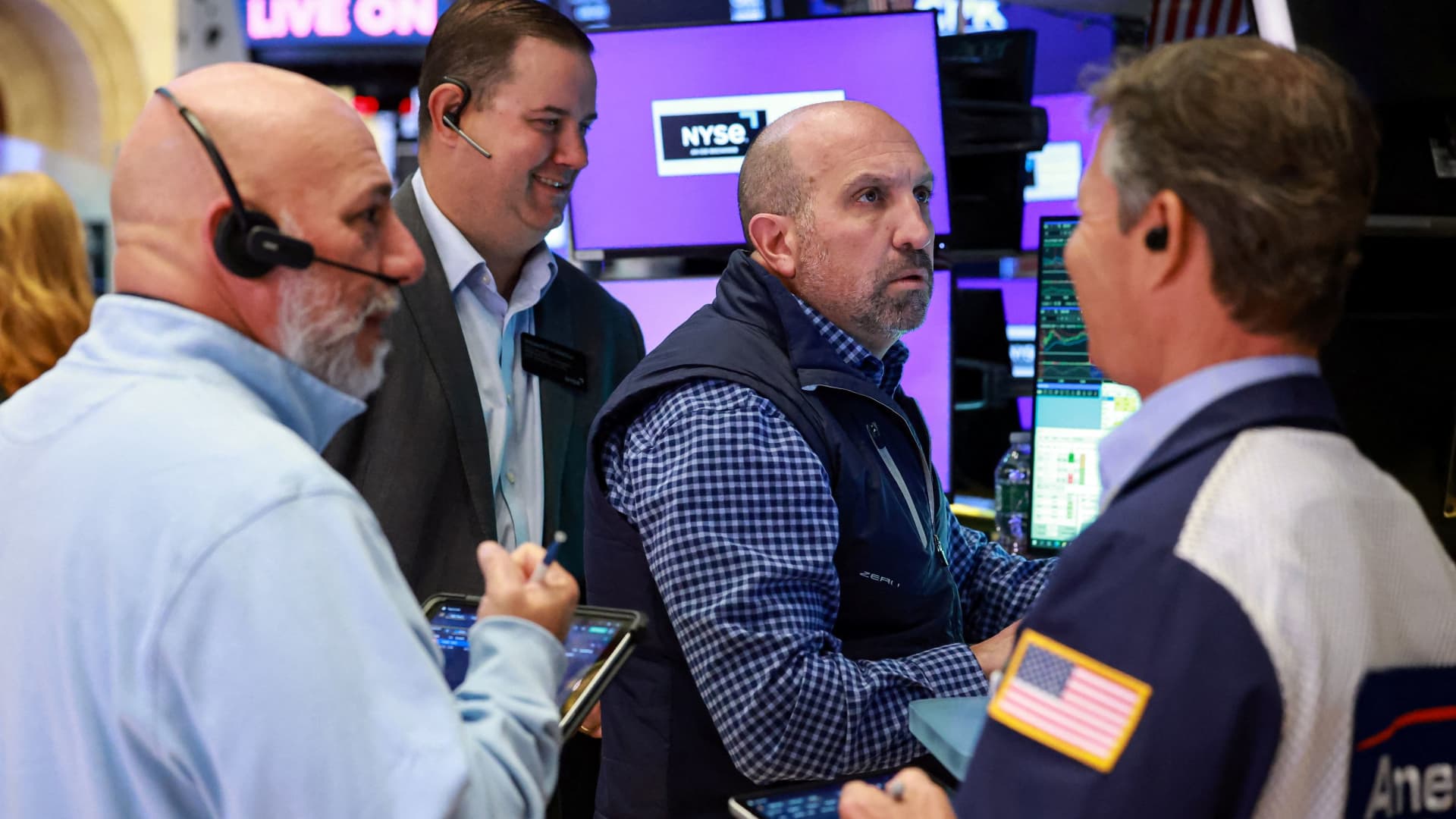
- Rising Bond Yields: The U.S. 10-year Treasury yield is at 4.59%, with the 30-year yield at 5.12%, indicating increasing risks in the bond market that could pressure equities, particularly amid growing economic uncertainty.
- Market Response: Despite higher interest rates, the S&P 500 rose on Wednesday, breaking a three-day losing streak, reflecting strong fundamentals, especially with Nvidia's AI-driven earnings expectations boosting market sentiment.
- Defensive Stock Recommendations: Piper Sandler identified Genuine Parts Company, which has a 78% correlation to the 10-year Treasury yield, suggesting it may outperform in a rising rate environment, particularly as consumers are more likely to repair rather than buy new vehicles.
- Consumer Goods Performance: Conagra Brands shows a 75% correlation to Treasury yields and may gain some market support in a high yield environment, despite facing margin compression and a nearly 40% drop from its 52-week highs due to rising commodity prices.

Challenges of High-Yield Investments in Consumer Goods for 2026
- Philip Morris International: In Q1 2026, Philip Morris International reported a 9.1% year-over-year increase in net revenue to $10.1 billion, with adjusted EPS growth of 16%, and raised its full-year EPS guidance to between $8.36 and $8.51, highlighting strong growth potential in alternative tobacco products despite regulatory risks.
- British American Tobacco: British American Tobacco's Velo Plus nicotine pouches lead the rapidly growing market, with a 3.4% EPS increase for full-year 2025 and a current dividend yield of 5%, while its healthy payout ratio of 69% indicates stability despite challenges from declining combustible product volumes.
- Hormel Foods: As a

Consumer Buying Habits Shift, Food Stocks Face Challenges

- High Dividend Yields: With consumers tightening budgets, both Conagra and General Mills have seen significant stock price declines, resulting in Conagra's dividend yield soaring to 9.9% and General Mills at 7.2%, indicating a lack of market confidence in these companies.
- Profitability Under Pressure: Conagra has faced substantial losses due to one-time charges over the past three quarters, projecting an adjusted earnings of $1.70 per share for fiscal 2026, which can cover its annual dividend of $1.40, despite an 80% payout ratio.
- Financial Stability Comparison: General Mills boasts a stronger financial foundation, having paid uninterrupted dividends for 127 years; its adjusted earnings of $0.64 per share in Q3 2026 slightly undercut the $0.61 dividend, yet its cash dividend payout ratio remains around 80%.
- Brand Management Advantage: General Mills excels in managing its brand portfolio effectively, continually adapting to include industry-leading products, while Conagra's reliance on secondary brands diminishes its competitive strength in challenging market conditions.
Conagra Brands Releases 2025 Citizenship Report
- Sustainability Strategy: Conagra Brands emphasizes its sustainability strategy in the 2025 Citizenship Report, focusing on four pillars—Good Food, Responsible Sourcing, Better Planet, and Stronger Communities—to enhance brand value while supporting employees and communities.
- Food Safety Commitment: The company is dedicated to providing safe, delicious, and nutritious foods, ensuring consumers have access to the information needed to make informed dietary choices, thereby enhancing consumer trust and brand loyalty.
- Environmental Responsibility: Conagra focuses on climate-related impacts by reducing energy use, managing water resources efficiently, and minimizing waste, demonstrating its commitment to environmental responsibility aimed at achieving a healthier business model.
- Community Support: The company actively addresses food insecurity through volunteerism, product donations, and financial contributions, striving to make a positive impact in the communities where its employees live and work, thereby enhancing corporate social responsibility.
Conagra Brands Releases Fiscal 2025 Citizenship Report
- Food Safety Commitment: Conagra's Fiscal 2025 report highlights that 100% of its production facilities have achieved Global Food Safety Initiative (GFSI) certification, ensuring a strong food safety culture and recall readiness, thereby enhancing consumer trust.
- Sustainable Sourcing Practices: The company initiated a priority-ingredients assessment in collaboration with the Kellogg School of Management to identify social and environmental risks in the supply chain, aiming to support circularity through regenerative agriculture and thoughtful packaging design.
- Environmental Responsibility Goals: Conagra's focus on climate impacts is reflected in its updated 2035 climate targets, which include new goals addressing Forest, Land, and Agriculture (FLAG) emissions, demonstrating a commitment to reducing greenhouse gas emissions.
- Community Support Initiatives: Conagra employees volunteered over 10,000 hours across more than 100 nonprofit organizations and donated over 19 million pounds of food to Feeding America, equivalent to 15 million meals, actively addressing food insecurity issues.

SpaceX IPO Expected to Trigger S&P 500 Reshuffle

- Market Valuation Impact: SpaceX's IPO is targeting a valuation of approximately $1.75 trillion, which will position it as the largest industrial stock globally and among the top ten companies in the U.S., highlighting its significant market presence.
- S&P 500 Reshuffle Risk: The IPO will necessitate a major reshuffle of the S&P 500, with EPAM Systems likely to be ousted due to its market cap of around $6 billion, which could create short-term downward pressure on its stock price and affect its liquidity and institutional ownership.
- Institutional Investor Reaction: As the SpaceX IPO approaches, institutional investors may begin to reposition their portfolios in anticipation of the S&P 500 rebalancing, potentially leading to increased selling pressure on stocks like EPAM, exacerbating their market performance decline.
- Industry Impact Analysis: While removal from the S&P 500 does not equate to absolute failure, EPAM Systems has already faced significant declines due to a sell-off in SaaS stocks, and its outlook appears more precarious compared to consumer staples amid rising inflation concerns.
Investment Opportunities in High Yield Environment
- Rising Bond Yields: The U.S. 10-year Treasury yield is at 4.59%, with the 30-year yield at 5.12%, indicating increasing risks in the bond market that could pressure equities, particularly amid growing economic uncertainty.
- Market Response: Despite higher interest rates, the S&P 500 rose on Wednesday, breaking a three-day losing streak, reflecting strong fundamentals, especially with Nvidia's AI-driven earnings expectations boosting market sentiment.
- Defensive Stock Recommendations: Piper Sandler identified Genuine Parts Company, which has a 78% correlation to the 10-year Treasury yield, suggesting it may outperform in a rising rate environment, particularly as consumers are more likely to repair rather than buy new vehicles.
- Consumer Goods Performance: Conagra Brands shows a 75% correlation to Treasury yields and may gain some market support in a high yield environment, despite facing margin compression and a nearly 40% drop from its 52-week highs due to rising commodity prices.
Challenges of High-Yield Investments in Consumer Goods for 2026
- Philip Morris International: In Q1 2026, Philip Morris International reported a 9.1% year-over-year increase in net revenue to $10.1 billion, with adjusted EPS growth of 16%, and raised its full-year EPS guidance to between $8.36 and $8.51, highlighting strong growth potential in alternative tobacco products despite regulatory risks.
- British American Tobacco: British American Tobacco's Velo Plus nicotine pouches lead the rapidly growing market, with a 3.4% EPS increase for full-year 2025 and a current dividend yield of 5%, while its healthy payout ratio of 69% indicates stability despite challenges from declining combustible product volumes.
- Hormel Foods: As a
Consumer Buying Habits Shift, Food Stocks Face Challenges
- High Dividend Yields: With consumers tightening budgets, both Conagra and General Mills have seen significant stock price declines, resulting in Conagra's dividend yield soaring to 9.9% and General Mills at 7.2%, indicating a lack of market confidence in these companies.
- Profitability Under Pressure: Conagra has faced substantial losses due to one-time charges over the past three quarters, projecting an adjusted earnings of $1.70 per share for fiscal 2026, which can cover its annual dividend of $1.40, despite an 80% payout ratio.
- Financial Stability Comparison: General Mills boasts a stronger financial foundation, having paid uninterrupted dividends for 127 years; its adjusted earnings of $0.64 per share in Q3 2026 slightly undercut the $0.61 dividend, yet its cash dividend payout ratio remains around 80%.
- Brand Management Advantage: General Mills excels in managing its brand portfolio effectively, continually adapting to include industry-leading products, while Conagra's reliance on secondary brands diminishes its competitive strength in challenging market conditions.
Conagra Brands Releases 2025 Citizenship Report
- Sustainability Strategy: Conagra Brands emphasizes its sustainability strategy in the 2025 Citizenship Report, focusing on four pillars—Good Food, Responsible Sourcing, Better Planet, and Stronger Communities—to enhance brand value while supporting employees and communities.
- Food Safety Commitment: The company is dedicated to providing safe, delicious, and nutritious foods, ensuring consumers have access to the information needed to make informed dietary choices, thereby enhancing consumer trust and brand loyalty.
- Environmental Responsibility: Conagra focuses on climate-related impacts by reducing energy use, managing water resources efficiently, and minimizing waste, demonstrating its commitment to environmental responsibility aimed at achieving a healthier business model.
- Community Support: The company actively addresses food insecurity through volunteerism, product donations, and financial contributions, striving to make a positive impact in the communities where its employees live and work, thereby enhancing corporate social responsibility.
Conagra Brands Releases Fiscal 2025 Citizenship Report
- Food Safety Commitment: Conagra's Fiscal 2025 report highlights that 100% of its production facilities have achieved Global Food Safety Initiative (GFSI) certification, ensuring a strong food safety culture and recall readiness, thereby enhancing consumer trust.
- Sustainable Sourcing Practices: The company initiated a priority-ingredients assessment in collaboration with the Kellogg School of Management to identify social and environmental risks in the supply chain, aiming to support circularity through regenerative agriculture and thoughtful packaging design.
- Environmental Responsibility Goals: Conagra's focus on climate impacts is reflected in its updated 2035 climate targets, which include new goals addressing Forest, Land, and Agriculture (FLAG) emissions, demonstrating a commitment to reducing greenhouse gas emissions.
- Community Support Initiatives: Conagra employees volunteered over 10,000 hours across more than 100 nonprofit organizations and donated over 19 million pounds of food to Feeding America, equivalent to 15 million meals, actively addressing food insecurity issues.
SpaceX IPO Expected to Trigger S&P 500 Reshuffle
- Market Valuation Impact: SpaceX's IPO is targeting a valuation of approximately $1.75 trillion, which will position it as the largest industrial stock globally and among the top ten companies in the U.S., highlighting its significant market presence.
- S&P 500 Reshuffle Risk: The IPO will necessitate a major reshuffle of the S&P 500, with EPAM Systems likely to be ousted due to its market cap of around $6 billion, which could create short-term downward pressure on its stock price and affect its liquidity and institutional ownership.
- Institutional Investor Reaction: As the SpaceX IPO approaches, institutional investors may begin to reposition their portfolios in anticipation of the S&P 500 rebalancing, potentially leading to increased selling pressure on stocks like EPAM, exacerbating their market performance decline.
- Industry Impact Analysis: While removal from the S&P 500 does not equate to absolute failure, EPAM Systems has already faced significant declines due to a sell-off in SaaS stocks, and its outlook appears more precarious compared to consumer staples amid rising inflation concerns.