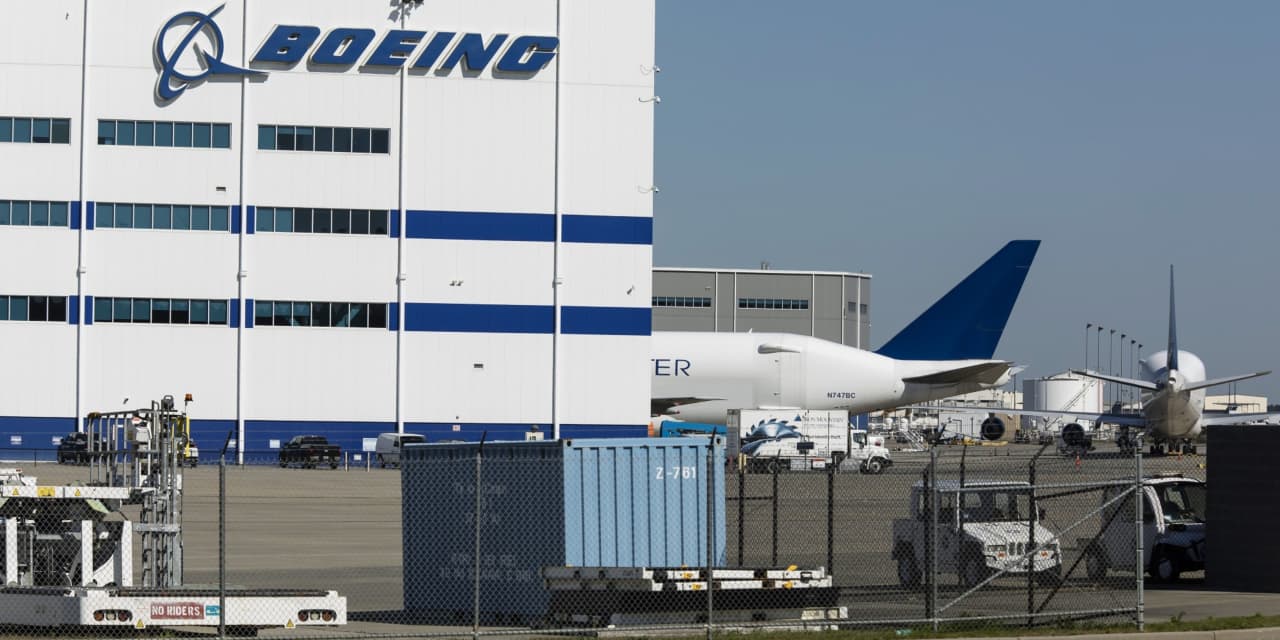
Boeing's Future Depends on Next-Gen Narrow-Body Aircraft
Written by Emily J. Thompson, Senior Investment Analyst
Updated: 2 days ago
0mins
Source: NASDAQ.COM
- Funding and Engine Choices: Boeing's future hinges on the development of its next-generation narrow-body aircraft, which is projected to cost $50 billion, and how it finances this endeavor will directly impact its financial health and competitive position in the market.
- 737 MAX Cash Flow Issues: Since its delivery in 2017, the 737 MAX has failed to generate the expected cash flow, with high-profile crashes, COVID-19 lockdowns, and quality control issues leading to a forecasted annual free cash flow exceeding $10 billion only by 2028, indicating significant financial pressure on the company.
- Engine Technology Competition: CFM International's open-fan engine could achieve a 20% reduction in fuel consumption, and if Boeing opts for a traditional ducted engine, it risks falling behind Airbus in efficiency, potentially affecting its market share.
- Investor Risk Assessment: The upcoming launch of Boeing's new narrow-body aircraft will be a significant event in the next decade, and investors must carefully evaluate the risks associated with financing and technology choices that will influence the company's long-term development.
Trade with 70% Backtested Accuracy
Stop guessing "Should I Buy BA?" and start using high-conviction signals backed by rigorous historical data.
Sign up today to access powerful investing tools and make smarter, data-driven decisions.
Analyst Views on BA
Wall Street analysts forecast BA stock price to rise
16 Analyst Rating
14 Buy
1 Hold
1 Sell
Strong Buy
Current: 218.900

Low
150.00
Averages
269.14
High
298.00
Current: 218.900
Low
150.00
Averages
269.14
High
298.00
About BA
The Boeing Company is an aerospace company. Its segments include Commercial Airplanes (BCA), Defense, Space & Security (BDS), and Global Services (BGS). Its BCA segment develops, produces and markets commercial jet aircraft principally for the commercial airline industry worldwide. Its family of commercial jet aircraft in production includes the 737 narrow-body model and the 767, 777 and 787 wide-body models. Its BDS segment is engaged in the research, development, production and modification of manned and unmanned military aircraft and weapons systems for strike, surveillance and mobility. Its BGS segment provides services to its commercial and defense customers worldwide. It sustains aerospace platforms and systems with a range of products and services, including supply chain and logistics management, engineering, maintenance and modifications, upgrades and conversions, spare parts, pilot and maintenance training systems and services, technical and maintenance documents, and others.
About the author

Emily J. Thompson
Emily J. Thompson, a Chartered Financial Analyst (CFA) with 12 years in investment research, graduated with honors from the Wharton School. Specializing in industrial and technology stocks, she provides in-depth analysis for Intellectia’s earnings and market brief reports.
Boeing to Increase 737 Production to 47 Jets Per Month

- Production Increase Plan: Boeing has met FAA requirements to raise its 737 Max production to 47 jets per month from the current 42, with expectations to achieve this in the coming months, demonstrating the company's proactive approach to meeting market demand.
- Line Stability: CEO Kelly Ortberg stated that while Boeing has previously reached a peak of 57 jets per month, it cannot sustain that rate currently due to safety and quality processes, emphasizing the importance of maintaining product integrity while pursuing higher output.
- Future Growth Potential: Ortberg mentioned that Boeing aims for a future production rate of 63 jets per month, with market demand supporting higher rates, reflecting the company's confidence in future market conditions and strategic planning for capacity expansion.
- Gradual Target Advancement: Although Boeing plans to achieve the 47 jets per month rate in the coming months, Ortberg acknowledged that reaching the 52 jets per month target could take at least six months, indicating a cautious approach to expanding production capabilities.
See More

Boeing Increases 737 Max Production to 47 Jets Monthly
- Production Increase Plan: Boeing CEO Kelly Ortberg announced that the company has met FAA requirements to ramp up 737 Max production to 47 jets per month, up from the current rate of 42 jets, with expectations to achieve this milestone in the coming months, thereby enhancing market supply capabilities.
- Future Growth Expectations: Ortberg expressed hopes to eventually increase production to 63 jets per month, acknowledging that while the company cannot currently sustain a rate of 57 jets, market demand supports higher production rates, indicating confidence in future growth.
- Stability Challenges: Despite passing the review for the 47 jets per month rate, Ortberg admitted that Boeing still has work to do to ensure safety and quality processes are in place for the 737 Max, highlighting the challenges the company faces in ramping up production.
- Market Focus: Ortberg emphasized that the global market is closely watching whether Boeing can meet the production targets of 47 and 52 jets per month, which not only impacts the company's market reputation but also relates to its future business growth potential.
See More
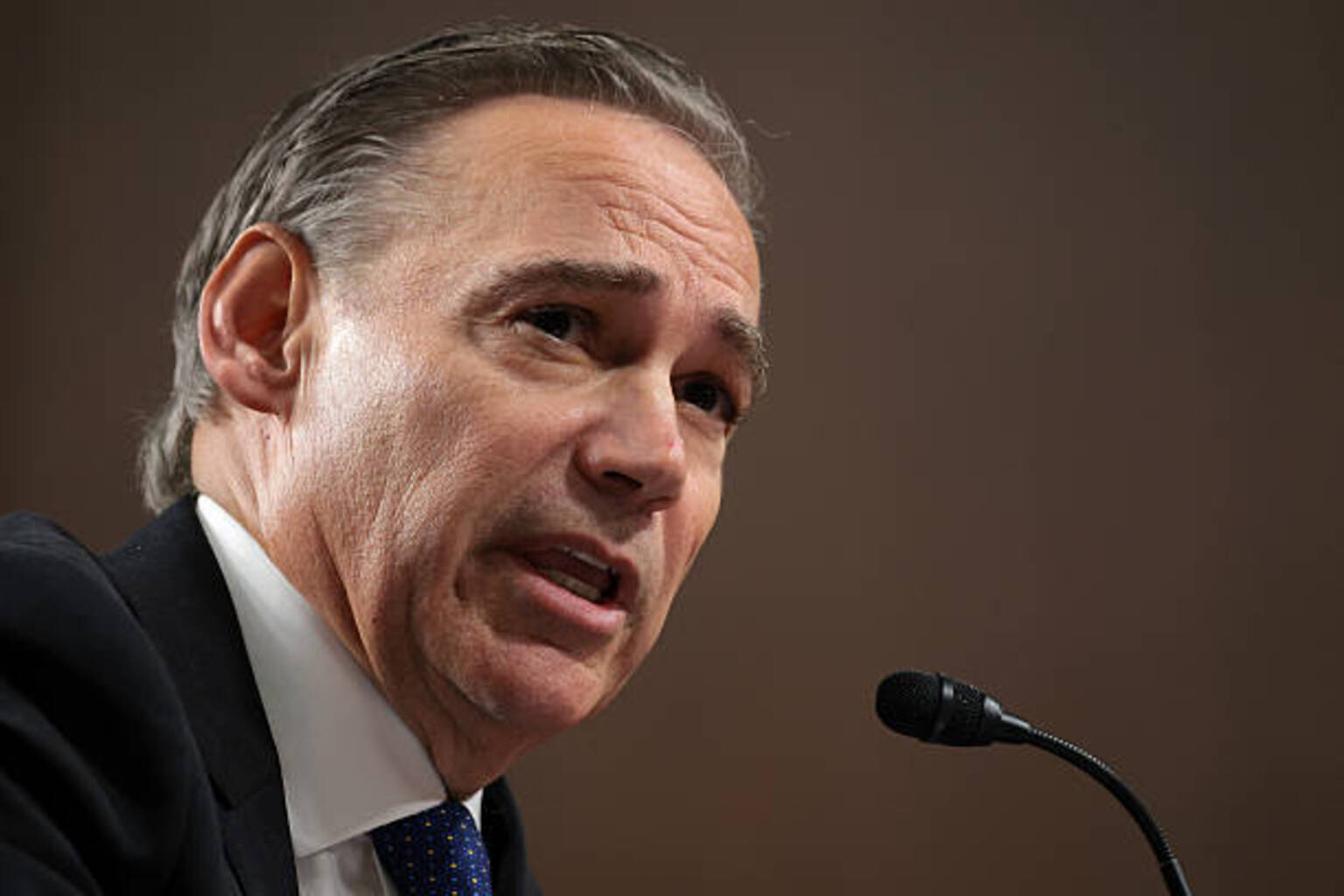
Boeing CEO Optimistic on Production Recovery and Market Outlook

- Production Recovery Signal: Boeing (BA) CEO Kelly Ortberg indicated at the Bernstein Strategic Decisions Conference that the production of the 737 will increase to 47 aircraft per month, marking a significant recovery after years of manufacturing disruptions, which is expected to boost investor confidence and drive stock price appreciation.
- Order Backlog Situation: Ortberg noted that Boeing's order book is substantial, with new customers ordering 737 or 787 aircraft likely facing delivery timelines extending into the 2030s, reflecting strong market demand for Boeing's products and further solidifying the company's market position.
- Significant Certification Progress: Boeing (BA) has completed over 80% of certification flight testing for the 737 Max-7 and Max-10 programs and has received FAA authorization for the remaining tests, which is expected to accelerate the delivery process and enhance the company's competitive edge in the fiercely competitive aviation market.
- Defense Business Recovery: Boeing's defense sector shows signs of recovery, with Ortberg emphasizing a more cautious approach to accepting fixed-price development contracts, and anticipating stronger military growth prospects, particularly amid rising global demand for weapon systems.
See More
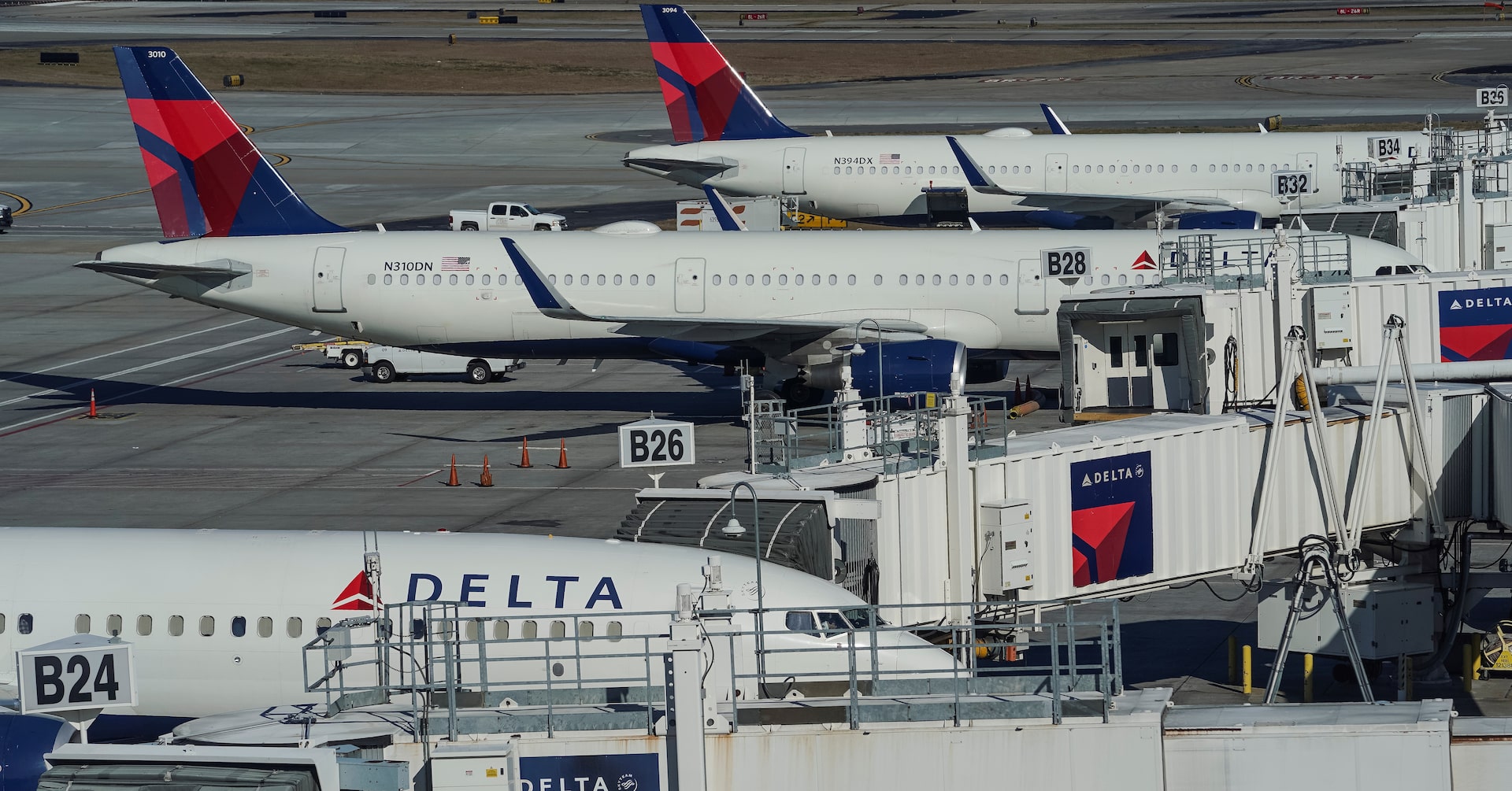
Boeing Increases 737 Production to 47 Jets Per Month
- Production Capacity Increase: Boeing is raising its 737 production from 42 jets to 47 per month after consulting with the Federal Aviation Administration, with plans to reach this target in the coming months, thereby enhancing its market supply capability.
- Market Demand Response: CEO Kelly Ortberg stated at the Bernstein Annual Strategic Decisions Conference that this increase in production rate will help meet the growing demand in the aviation market, further solidifying the company's market position.
- Strategic Planning Execution: The production increase signifies Boeing's positive progress in restoring production capacity, reflecting the company's confidence in the recovery of air travel and laying the groundwork for long-term growth.
- Strengthened Industry Collaboration: Boeing's close cooperation with the FAA not only ensures the smooth implementation of production plans but may also support future regulatory compliance and industry standards enhancement, boosting the company's competitiveness in the aerospace manufacturing sector.
See More
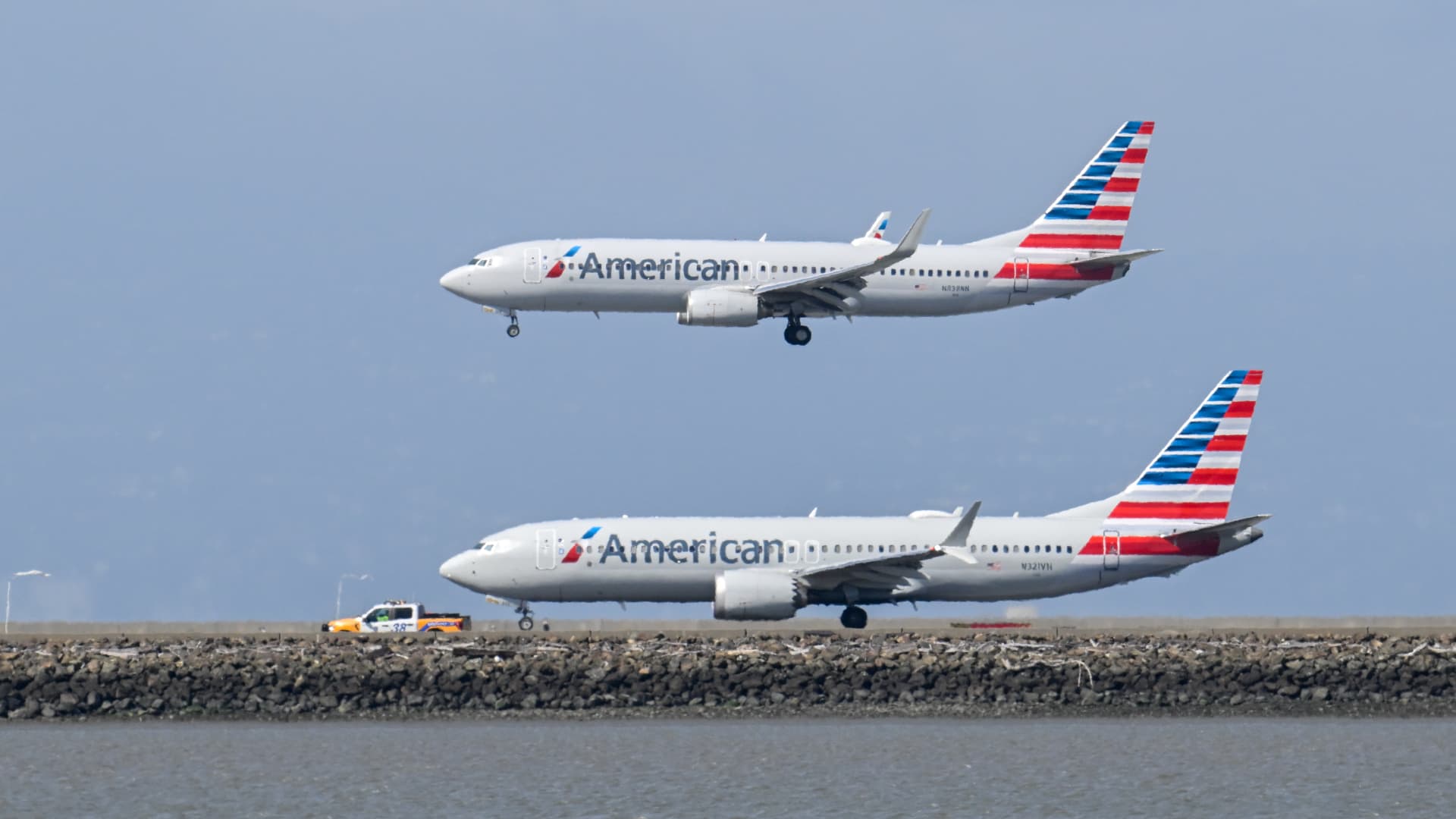
American Airlines to Equip 500 Aircraft with Starlink

- Flight Network Upgrade: American Airlines plans to install Starlink on over 500 narrow-body aircraft, including the A321neo, starting early next year, significantly enhancing in-flight Wi-Fi quality and improving customer experience to attract high-spending travelers.
- Competitor Dynamics: While American Airlines opts for Starlink, Delta Airlines announced plans to use Amazon's Leo service for hundreds of jets starting in 2028, highlighting the fierce competition among airlines to enhance in-flight internet speed and service.
- Market Trends: Airlines are vying for higher-spending customers by upgrading in-flight internet services, not only providing faster Wi-Fi but also exploring additional revenue streams like personalized ads to boost overall profitability.
- SpaceX Financial Performance: SpaceX's connectivity unit, which includes Starlink, reported $11.39 billion in revenue last year, accounting for 61% of total sales, establishing a strong financial foundation for its upcoming IPO, which is expected to set records.
See More
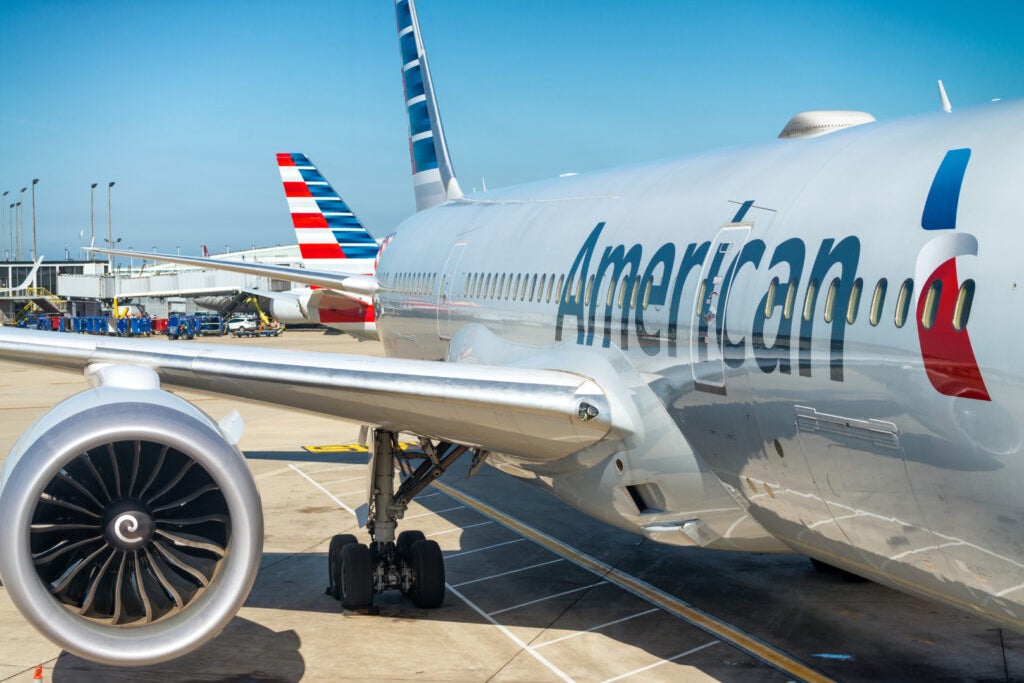
American Airlines Partners with Starlink for In-Flight Wi-Fi
- Partnership Expansion: American Airlines announced plans to install Starlink service on over 500 narrow-body aircraft, further solidifying SpaceX's leadership in the aviation Wi-Fi market and enhancing passenger internet experience.
- Market Competition: This move positions American Airlines advantageously against competitors like United and Southwest Airlines, particularly in attracting high-spending customers, thereby increasing service appeal.
- Revenue Growth Potential: SpaceX's Starlink service generated $11.39 billion in revenue last year, accounting for 61% of total sales, indicating that strong performance in the aviation market will bolster SpaceX's upcoming IPO.
- Future Outlook: By evaluating both Starlink and Amazon Leo, American Airlines' choice of Starlink underscores its commitment to efficient, high-speed internet services, which is expected to drive future customer satisfaction and revenue growth.
See More
Boeing to Increase 737 Production to 47 Jets Per Month
- Production Increase Plan: Boeing has met FAA requirements to raise its 737 Max production to 47 jets per month from the current 42, with expectations to achieve this in the coming months, demonstrating the company's proactive approach to meeting market demand.
- Line Stability: CEO Kelly Ortberg stated that while Boeing has previously reached a peak of 57 jets per month, it cannot sustain that rate currently due to safety and quality processes, emphasizing the importance of maintaining product integrity while pursuing higher output.
- Future Growth Potential: Ortberg mentioned that Boeing aims for a future production rate of 63 jets per month, with market demand supporting higher rates, reflecting the company's confidence in future market conditions and strategic planning for capacity expansion.
- Gradual Target Advancement: Although Boeing plans to achieve the 47 jets per month rate in the coming months, Ortberg acknowledged that reaching the 52 jets per month target could take at least six months, indicating a cautious approach to expanding production capabilities.
See More
Boeing Increases 737 Max Production to 47 Jets Monthly
- Production Increase Plan: Boeing CEO Kelly Ortberg announced that the company has met FAA requirements to ramp up 737 Max production to 47 jets per month, up from the current rate of 42 jets, with expectations to achieve this milestone in the coming months, thereby enhancing market supply capabilities.
- Future Growth Expectations: Ortberg expressed hopes to eventually increase production to 63 jets per month, acknowledging that while the company cannot currently sustain a rate of 57 jets, market demand supports higher production rates, indicating confidence in future growth.
- Stability Challenges: Despite passing the review for the 47 jets per month rate, Ortberg admitted that Boeing still has work to do to ensure safety and quality processes are in place for the 737 Max, highlighting the challenges the company faces in ramping up production.
- Market Focus: Ortberg emphasized that the global market is closely watching whether Boeing can meet the production targets of 47 and 52 jets per month, which not only impacts the company's market reputation but also relates to its future business growth potential.
See More
Boeing CEO Optimistic on Production Recovery and Market Outlook
- Production Recovery Signal: Boeing (BA) CEO Kelly Ortberg indicated at the Bernstein Strategic Decisions Conference that the production of the 737 will increase to 47 aircraft per month, marking a significant recovery after years of manufacturing disruptions, which is expected to boost investor confidence and drive stock price appreciation.
- Order Backlog Situation: Ortberg noted that Boeing's order book is substantial, with new customers ordering 737 or 787 aircraft likely facing delivery timelines extending into the 2030s, reflecting strong market demand for Boeing's products and further solidifying the company's market position.
- Significant Certification Progress: Boeing (BA) has completed over 80% of certification flight testing for the 737 Max-7 and Max-10 programs and has received FAA authorization for the remaining tests, which is expected to accelerate the delivery process and enhance the company's competitive edge in the fiercely competitive aviation market.
- Defense Business Recovery: Boeing's defense sector shows signs of recovery, with Ortberg emphasizing a more cautious approach to accepting fixed-price development contracts, and anticipating stronger military growth prospects, particularly amid rising global demand for weapon systems.
See More
Boeing Increases 737 Production to 47 Jets Per Month
- Production Capacity Increase: Boeing is raising its 737 production from 42 jets to 47 per month after consulting with the Federal Aviation Administration, with plans to reach this target in the coming months, thereby enhancing its market supply capability.
- Market Demand Response: CEO Kelly Ortberg stated at the Bernstein Annual Strategic Decisions Conference that this increase in production rate will help meet the growing demand in the aviation market, further solidifying the company's market position.
- Strategic Planning Execution: The production increase signifies Boeing's positive progress in restoring production capacity, reflecting the company's confidence in the recovery of air travel and laying the groundwork for long-term growth.
- Strengthened Industry Collaboration: Boeing's close cooperation with the FAA not only ensures the smooth implementation of production plans but may also support future regulatory compliance and industry standards enhancement, boosting the company's competitiveness in the aerospace manufacturing sector.
See More
American Airlines to Equip 500 Aircraft with Starlink
- Flight Network Upgrade: American Airlines plans to install Starlink on over 500 narrow-body aircraft, including the A321neo, starting early next year, significantly enhancing in-flight Wi-Fi quality and improving customer experience to attract high-spending travelers.
- Competitor Dynamics: While American Airlines opts for Starlink, Delta Airlines announced plans to use Amazon's Leo service for hundreds of jets starting in 2028, highlighting the fierce competition among airlines to enhance in-flight internet speed and service.
- Market Trends: Airlines are vying for higher-spending customers by upgrading in-flight internet services, not only providing faster Wi-Fi but also exploring additional revenue streams like personalized ads to boost overall profitability.
- SpaceX Financial Performance: SpaceX's connectivity unit, which includes Starlink, reported $11.39 billion in revenue last year, accounting for 61% of total sales, establishing a strong financial foundation for its upcoming IPO, which is expected to set records.
See More
American Airlines Partners with Starlink for In-Flight Wi-Fi
- Partnership Expansion: American Airlines announced plans to install Starlink service on over 500 narrow-body aircraft, further solidifying SpaceX's leadership in the aviation Wi-Fi market and enhancing passenger internet experience.
- Market Competition: This move positions American Airlines advantageously against competitors like United and Southwest Airlines, particularly in attracting high-spending customers, thereby increasing service appeal.
- Revenue Growth Potential: SpaceX's Starlink service generated $11.39 billion in revenue last year, accounting for 61% of total sales, indicating that strong performance in the aviation market will bolster SpaceX's upcoming IPO.
- Future Outlook: By evaluating both Starlink and Amazon Leo, American Airlines' choice of Starlink underscores its commitment to efficient, high-speed internet services, which is expected to drive future customer satisfaction and revenue growth.
See More