Boeing Settles Deal Fallout With Embraer For $150M: Details
Written by Emily J. Thompson, Senior Investment Analyst
Updated: Sep 16 2024
0mins


Source: Benzinga
Arbitration Outcome: Embraer S.A. shares fell after the conclusion of arbitration with Boeing, resulting in Boeing agreeing to pay Embraer $150 million related to the termination of a $4.2 billion Master Transaction Agreement in April 2020.
Financial Performance: Embraer's adjusted free cash flow was negative $215 million in Q2 due to increased working capital needs, while the company also secured a contract to sell up to six A-29 Super Tucano aircraft to the Uruguayan Air Force, with deliveries starting in 2025.
Trade with 70% Backtested Accuracy
Stop guessing "Should I Buy BA?" and start using high-conviction signals backed by rigorous historical data.
Sign up today to access powerful investing tools and make smarter, data-driven decisions.
Analyst Views on BA
Wall Street analysts forecast BA stock price to rise
16 Analyst Rating
14 Buy
1 Hold
1 Sell
Strong Buy
Current: 218.580

Low
150.00
Averages
269.14
High
298.00
Current: 218.580
Low
150.00
Averages
269.14
High
298.00
About BA
The Boeing Company is an aerospace company. Its segments include Commercial Airplanes (BCA), Defense, Space & Security (BDS), and Global Services (BGS). Its BCA segment develops, produces and markets commercial jet aircraft principally for the commercial airline industry worldwide. Its family of commercial jet aircraft in production includes the 737 narrow-body model and the 767, 777 and 787 wide-body models. Its BDS segment is engaged in the research, development, production and modification of manned and unmanned military aircraft and weapons systems for strike, surveillance and mobility. Its BGS segment provides services to its commercial and defense customers worldwide. It sustains aerospace platforms and systems with a range of products and services, including supply chain and logistics management, engineering, maintenance and modifications, upgrades and conversions, spare parts, pilot and maintenance training systems and services, technical and maintenance documents, and others.
About the author

Emily J. Thompson
Emily J. Thompson, a Chartered Financial Analyst (CFA) with 12 years in investment research, graduated with honors from the Wharton School. Specializing in industrial and technology stocks, she provides in-depth analysis for Intellectia’s earnings and market brief reports.
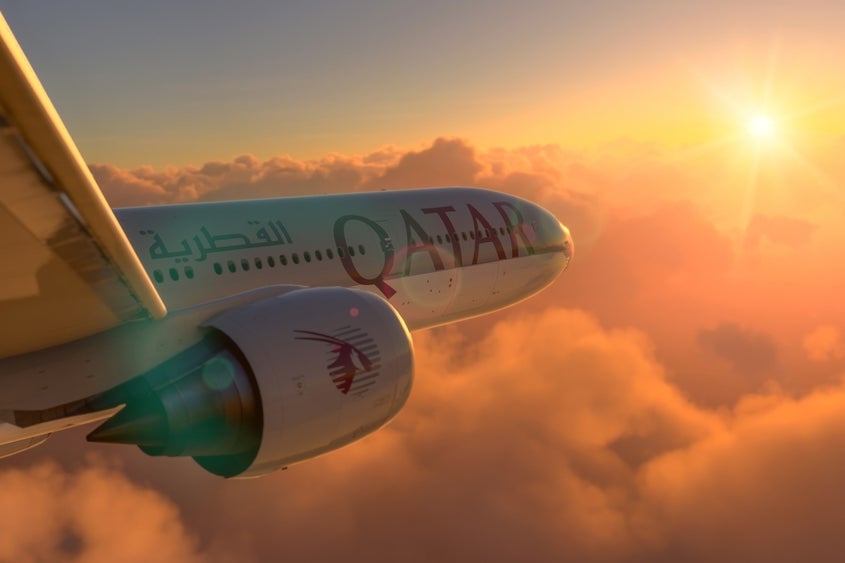
Airplane Manufacturer Reports Q2 2026 Results

- Earnings Release: The airplane manufacturer announced its Q2 2026 results in July, with specific financial metrics yet to be disclosed, leading to market speculation regarding the potential impact on stock prices.
- Stock Price Dynamics: As of the afternoon of July 1, 2026, the company's stock price was influenced by investor sentiment, reflecting market expectations for its future performance.
- Market Reaction: Following the earnings release, analysts are expected to assess the company's stock price trajectory, which could influence investor decisions and overall market confidence.
- Industry Trends: Against the backdrop of a recovering global aviation market, the company's earnings report will be viewed as a critical indicator of industry health, potentially affecting overall market sentiment.
See More

Vertical Aerospace Secures Key Supplier Agreement for Valo eVTOL
- Supply Chain Risk Mitigation: Vertical Aerospace's long-term agreement with Astronics for power distribution systems significantly reduces supply chain risks for its Valo eVTOL, although substantial dilution risk remains due to ongoing cash needs.
- Production Capacity Enhancement: This deal is expected to accelerate development and production, bolstering the company's competitive position in the eVTOL market, despite projections indicating earnings won't materialize until 2032, leading to cautious optimism from the market.
- Enhanced Financing Capability: The company has secured access to up to $850 million in financing, which, while requiring equity issuance to raise cash, provides at least 12 months of financial runway for its operations.
- Shareholder Dilution Risk: Projections indicate that Vertical's share count will rise from 157 million in 2026 to 373 million by 2032, highlighting significant dilution risks for existing shareholders as the company executes its orders.
See More

Vertical Aerospace Signs Long-Term Agreement, Positive Outlook
- Supply Chain Assurance: Vertical Aerospace's long-term agreement with Astronics for power distribution systems ensures the supply for its Valo eVTOL, helping to de-risk the business model and accelerate production, thereby enhancing market competitiveness.
- Market Outlook: The company currently has 1,500 preorders for its Valo eVTOL, and while it faces challenges of not generating earnings until 2032, the signing of long-term agreements instills confidence in its future production capabilities.
- Financing Risks: Despite securing up to $850 million in financing to support operations, significant dilution risks for shareholders are anticipated, with projections indicating an increase in share count from 157 million in 2026 to 373 million by 2032.
- Investor Considerations: As a high-risk stock, Vertical Aerospace is suited for fully committed and patient eVTOL investors, although the ongoing cash needs and potential dilution issues remain critical points of concern.
See More
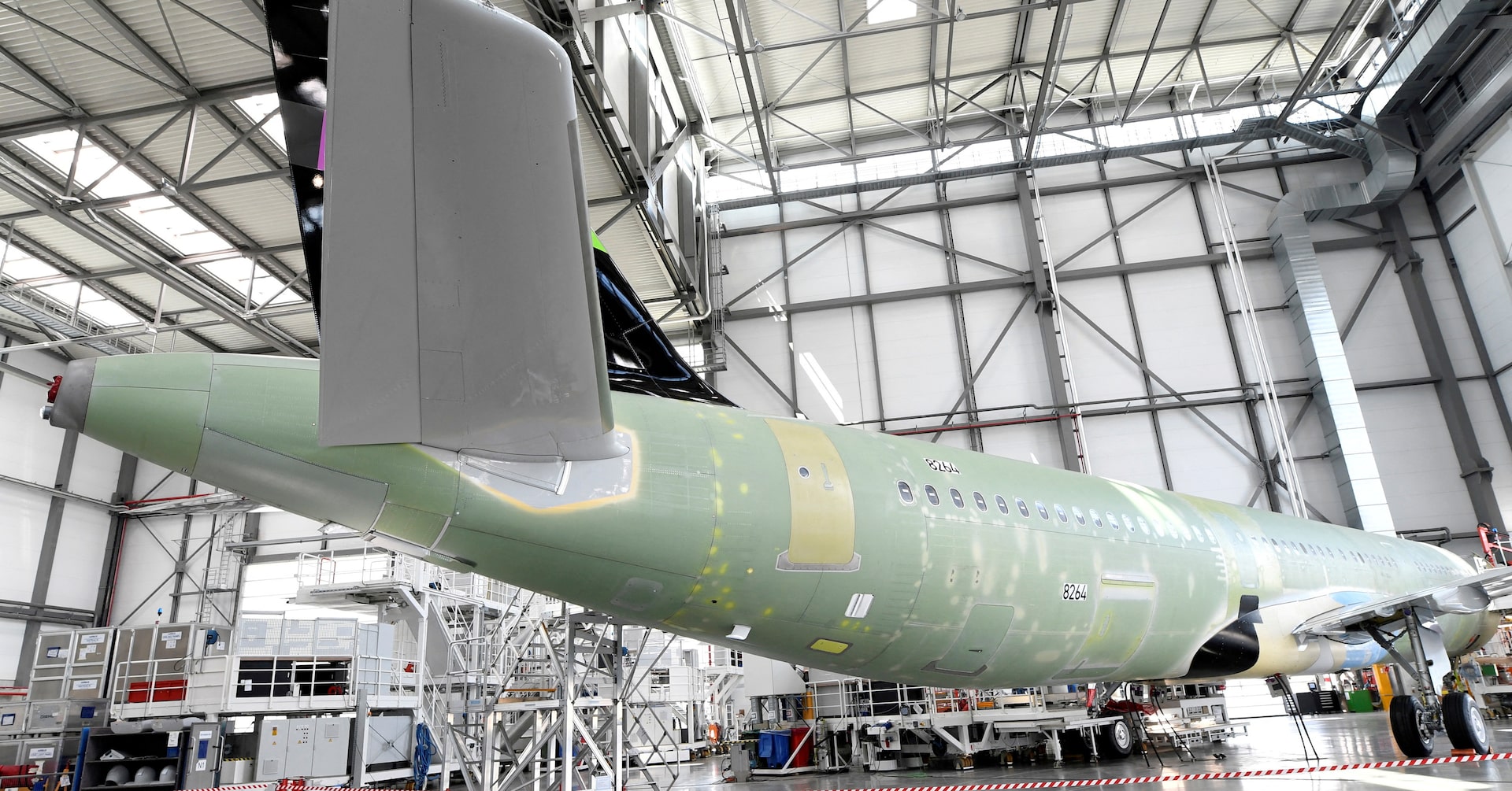
Boeing Quarterly Results Analysis and Investment Recommendations
- Quarterly Earnings Report: Boeing is set to release its quarterly results in July, and despite its status as a leading aircraft manufacturer, analysts express caution as the company fails to make the current top investment stock list, indicating competitive pressures.
- Lack of Investment Recommendations: Boeing's absence from the latest top ten investment recommendations highlights concerns about its future growth potential, which could negatively impact investor confidence and stock performance.
- Historical Return Comparison: In contrast to companies like Netflix and Nvidia, which achieved returns of 418,761% and 1,195,804% respectively after being recommended, Boeing's lack of similar investment appeal underscores its associated risks for potential investors.
- Market Performance Analysis: With Stock Advisor's average return at 918%, significantly outperforming the S&P 500's 208%, Boeing's exclusion from the recommendation list may pressure its stock price, necessitating careful evaluation of its investment value.
See More

Corporate Sponsorship Behind Trump's Freedom 250 Celebrations

- Corporate Sponsorship Phenomenon: A CNBC analysis reveals that 14 companies, including Boeing, Deloitte, and United Airlines, are backing both America250 and Freedom 250, indicating a complex intersection of corporate interests and politics that may influence their dealings with the government.
- Funding Transparency Issues: The sponsorship structure of Freedom 250 has been criticized for its opacity, allowing donors to gain access to Trump through contributions as high as $10 million, raising concerns about corporations seeking political influence.
- Celebration Participation Status: Despite Congress allocating $150 million for the 250th anniversary, America250 has only received $25 million, while Freedom 250 has secured nearly $80 million in funding, highlighting the financial advantage of Trump-aligned events.
- Event Organization Challenges: The Great American State Fair has faced poor participation, with at least eight states declining to join due to exhibit costs and partisan concerns, resulting in sparse crowds and equipment failures during the event.
See More
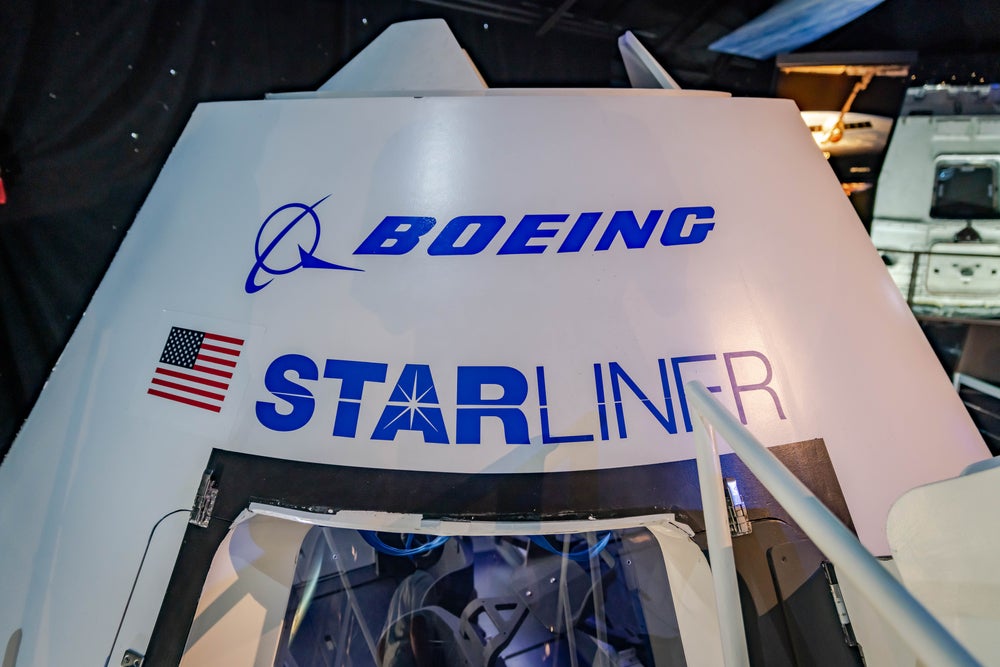
Corporate Sponsorship of Freedom 250 Raises Concerns

- Corporate Sponsorship: Major companies like Boeing, Lockheed Martin, and Oracle are sponsoring Freedom 250, and while no direct evidence links these sponsorships to government dealings, watchdogs warn this could create new avenues for corporate influence in Washington.
- Opaque Funding Structure: Freedom 250's fundraising materials indicate that donors contributing over $500,000 gain VIP access to Trump, raising ethical concerns about the transparency of funding and potential impacts on government decision-making.
- Celebration Participation: Despite Congress allocating $150 million for the 250th anniversary, Freedom 250 has secured nearly $80 million in related grants, while America250 has only received $25 million, indicating a preference among companies for Trump's version of the celebration.
- Event Issues: The Great American State Fair, a centerpiece of Freedom 250, has faced reduced state participation, sparse crowds, and technical failures, with some artists withdrawing due to concerns over the partisan nature of the event, highlighting organizational challenges.
See More
Airplane Manufacturer Reports Q2 2026 Results
- Earnings Release: The airplane manufacturer announced its Q2 2026 results in July, with specific financial metrics yet to be disclosed, leading to market speculation regarding the potential impact on stock prices.
- Stock Price Dynamics: As of the afternoon of July 1, 2026, the company's stock price was influenced by investor sentiment, reflecting market expectations for its future performance.
- Market Reaction: Following the earnings release, analysts are expected to assess the company's stock price trajectory, which could influence investor decisions and overall market confidence.
- Industry Trends: Against the backdrop of a recovering global aviation market, the company's earnings report will be viewed as a critical indicator of industry health, potentially affecting overall market sentiment.
See More
Vertical Aerospace Secures Key Supplier Agreement for Valo eVTOL
- Supply Chain Risk Mitigation: Vertical Aerospace's long-term agreement with Astronics for power distribution systems significantly reduces supply chain risks for its Valo eVTOL, although substantial dilution risk remains due to ongoing cash needs.
- Production Capacity Enhancement: This deal is expected to accelerate development and production, bolstering the company's competitive position in the eVTOL market, despite projections indicating earnings won't materialize until 2032, leading to cautious optimism from the market.
- Enhanced Financing Capability: The company has secured access to up to $850 million in financing, which, while requiring equity issuance to raise cash, provides at least 12 months of financial runway for its operations.
- Shareholder Dilution Risk: Projections indicate that Vertical's share count will rise from 157 million in 2026 to 373 million by 2032, highlighting significant dilution risks for existing shareholders as the company executes its orders.
See More
Vertical Aerospace Signs Long-Term Agreement, Positive Outlook
- Supply Chain Assurance: Vertical Aerospace's long-term agreement with Astronics for power distribution systems ensures the supply for its Valo eVTOL, helping to de-risk the business model and accelerate production, thereby enhancing market competitiveness.
- Market Outlook: The company currently has 1,500 preorders for its Valo eVTOL, and while it faces challenges of not generating earnings until 2032, the signing of long-term agreements instills confidence in its future production capabilities.
- Financing Risks: Despite securing up to $850 million in financing to support operations, significant dilution risks for shareholders are anticipated, with projections indicating an increase in share count from 157 million in 2026 to 373 million by 2032.
- Investor Considerations: As a high-risk stock, Vertical Aerospace is suited for fully committed and patient eVTOL investors, although the ongoing cash needs and potential dilution issues remain critical points of concern.
See More
Boeing Quarterly Results Analysis and Investment Recommendations
- Quarterly Earnings Report: Boeing is set to release its quarterly results in July, and despite its status as a leading aircraft manufacturer, analysts express caution as the company fails to make the current top investment stock list, indicating competitive pressures.
- Lack of Investment Recommendations: Boeing's absence from the latest top ten investment recommendations highlights concerns about its future growth potential, which could negatively impact investor confidence and stock performance.
- Historical Return Comparison: In contrast to companies like Netflix and Nvidia, which achieved returns of 418,761% and 1,195,804% respectively after being recommended, Boeing's lack of similar investment appeal underscores its associated risks for potential investors.
- Market Performance Analysis: With Stock Advisor's average return at 918%, significantly outperforming the S&P 500's 208%, Boeing's exclusion from the recommendation list may pressure its stock price, necessitating careful evaluation of its investment value.
See More
Corporate Sponsorship Behind Trump's Freedom 250 Celebrations
- Corporate Sponsorship Phenomenon: A CNBC analysis reveals that 14 companies, including Boeing, Deloitte, and United Airlines, are backing both America250 and Freedom 250, indicating a complex intersection of corporate interests and politics that may influence their dealings with the government.
- Funding Transparency Issues: The sponsorship structure of Freedom 250 has been criticized for its opacity, allowing donors to gain access to Trump through contributions as high as $10 million, raising concerns about corporations seeking political influence.
- Celebration Participation Status: Despite Congress allocating $150 million for the 250th anniversary, America250 has only received $25 million, while Freedom 250 has secured nearly $80 million in funding, highlighting the financial advantage of Trump-aligned events.
- Event Organization Challenges: The Great American State Fair has faced poor participation, with at least eight states declining to join due to exhibit costs and partisan concerns, resulting in sparse crowds and equipment failures during the event.
See More
Corporate Sponsorship of Freedom 250 Raises Concerns
- Corporate Sponsorship: Major companies like Boeing, Lockheed Martin, and Oracle are sponsoring Freedom 250, and while no direct evidence links these sponsorships to government dealings, watchdogs warn this could create new avenues for corporate influence in Washington.
- Opaque Funding Structure: Freedom 250's fundraising materials indicate that donors contributing over $500,000 gain VIP access to Trump, raising ethical concerns about the transparency of funding and potential impacts on government decision-making.
- Celebration Participation: Despite Congress allocating $150 million for the 250th anniversary, Freedom 250 has secured nearly $80 million in related grants, while America250 has only received $25 million, indicating a preference among companies for Trump's version of the celebration.
- Event Issues: The Great American State Fair, a centerpiece of Freedom 250, has faced reduced state participation, sparse crowds, and technical failures, with some artists withdrawing due to concerns over the partisan nature of the event, highlighting organizational challenges.
See More