Boeing 787 Dreamliner Black Box Recovered, Data Under Scrutiny To Provide Insights Into Fatal Air India Crash
Written by Emily J. Thompson, Senior Investment Analyst
Updated: Jun 27 2025
0mins


Should l Buy BA?
Source: Benzinga
Black Box Recovery: Indian authorities have successfully extracted the black box data from the Air India flight that crashed on June 12, which killed 260 people, providing crucial insights into the cause of the disaster.
Impact on Boeing: The crash has raised significant concerns regarding the safety and quality of Boeing aircraft, potentially affecting public perception and leading to legal and reputational risks for the company.
Trade with 70% Backtested Accuracy
Stop guessing "Should I Buy BA?" and start using high-conviction signals backed by rigorous historical data.
Sign up today to access powerful investing tools and make smarter, data-driven decisions.
Analyst Views on BA
Wall Street analysts forecast BA stock price to rise
16 Analyst Rating
14 Buy
1 Hold
1 Sell
Strong Buy
Current: 207.320

Low
150.00
Averages
269.14
High
298.00
Current: 207.320
Low
150.00
Averages
269.14
High
298.00
About BA
The Boeing Company is an aerospace company. Its segments include Commercial Airplanes (BCA), Defense, Space & Security (BDS), and Global Services (BGS). Its BCA segment develops, produces and markets commercial jet aircraft principally for the commercial airline industry worldwide. Its family of commercial jet aircraft in production includes the 737 narrow-body model and the 767, 777 and 787 wide-body models. Its BDS segment is engaged in the research, development, production and modification of manned and unmanned military aircraft and weapons systems for strike, surveillance and mobility. Its BGS segment provides services to its commercial and defense customers worldwide. It sustains aerospace platforms and systems with a range of products and services, including supply chain and logistics management, engineering, maintenance and modifications, upgrades and conversions, spare parts, pilot and maintenance training systems and services, technical and maintenance documents, and others.
About the author

Emily J. Thompson
Emily J. Thompson, a Chartered Financial Analyst (CFA) with 12 years in investment research, graduated with honors from the Wharton School. Specializing in industrial and technology stocks, she provides in-depth analysis for Intellectia’s earnings and market brief reports.

Boeing Faces Challenges in Restoring Reputation

- Market Confidence Lacking: Despite analysts generally rating Boeing (NYSE: BA) as a strong buy, investor confidence is notably low due to the company's damaged reputation, with the current stock price significantly below the consensus target of $275.30, indicating a potential upside of over 32%.
- Order Backlog Recovery: Boeing's order backlog reached a new record in 2022, showing signs of recovery despite a decline in orders since 2019 due to the 737 MAX crashes and the COVID-19 pandemic, reflecting a gradual restoration of market confidence in the company's future revenue.
- Efficiency Improvements: Boeing has made progress in improving its margins but still needs to minimize interest payments on its $52.6 billion long-term debt and restore profitability in its defense and space unit to enhance overall operational efficiency.
- Certification Progress Critical: The certification of Boeing's 737 MAX 10 and 777X widebody aircraft is crucial, with the former expected to be certified by the end of this year and the latter aiming for commercial deliveries in 2027, directly impacting the company's competitive position and margin expansion.
See More
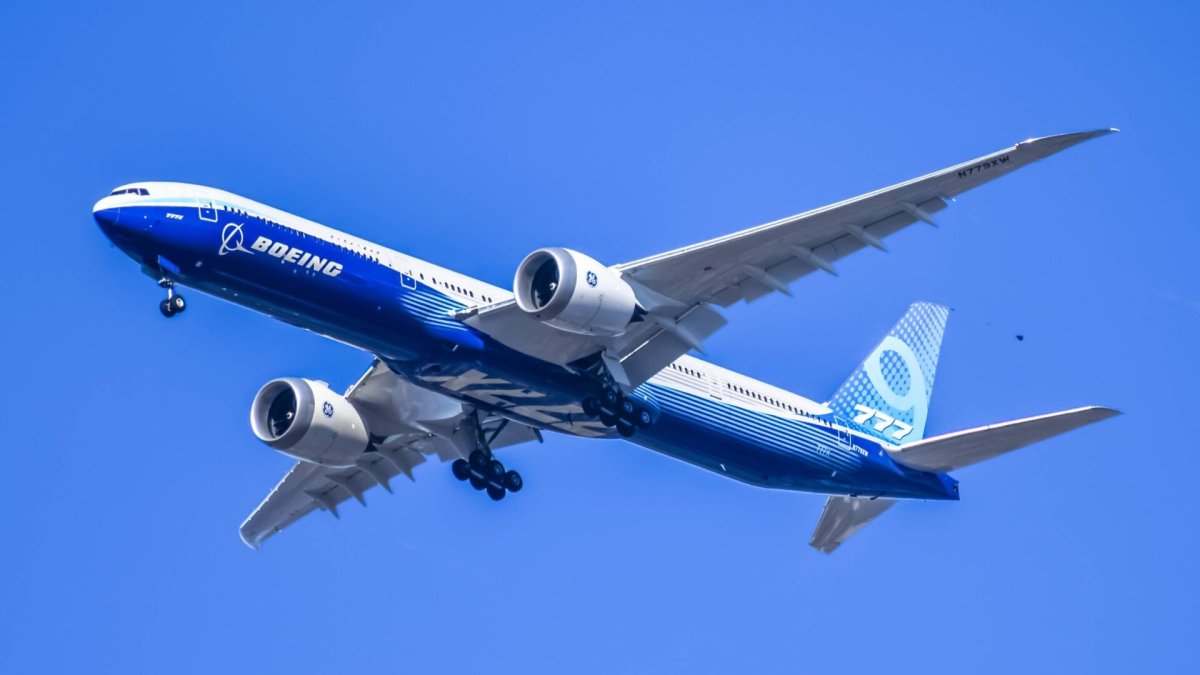
Boeing Faces New Challenges and Opportunities Amidst Recovery
- Significant Order Value: Korean Air's plan to purchase 103 Boeing aircraft by 2039, valued at approximately $36.2 billion, not only boosts Boeing's market confidence but also provides an opportunity to rebuild its reputation after years of safety issues and delivery delays.
- Regulatory Relationship Improvement: The European Aviation Safety Agency (EASA) has indicated that relations with the FAA and Boeing are improving, which is a positive signal that could help Boeing rebuild trust with regulators post-737 MAX crisis, potentially facilitating future compliance and collaboration.
- Fuel Cost Pressure: Korean Air announced it would enter emergency management mode due to expected fuel costs rising from 220 cents to 450 cents per gallon because of the Iran war, posing challenges to the economics of Boeing's order and potentially impacting future deliveries and growth plans.
- Defense Business Potential: Boeing's $289 million contract with Israel provides a new growth avenue for its defense business, and while the Iran war introduces uncertainty, the rising defense demand may offer some buffer, helping Boeing navigate pressures in its commercial aviation sector.
See More
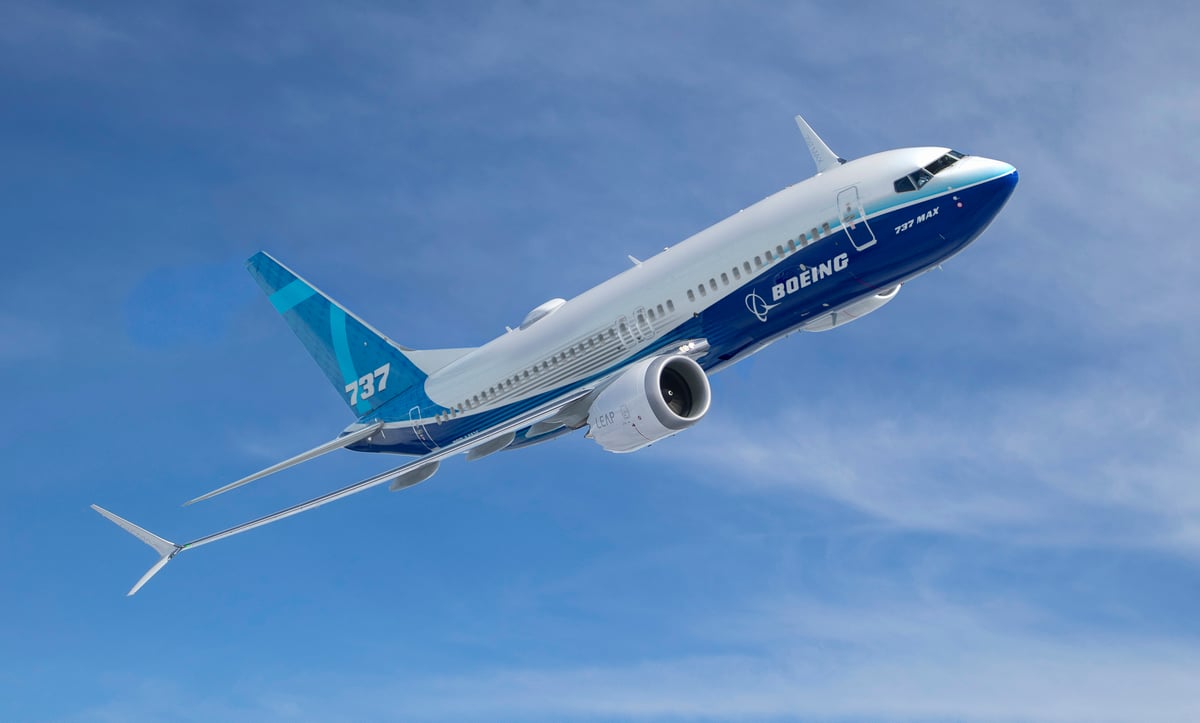
Boeing's Safety Issues Impact Investor Confidence
- Frequent Safety Incidents: Boeing has faced multiple safety incidents over the past few years, including the Lion Air Flight 610 and Ethiopian Airlines Flight 302 crashes in 2018 and 2019, respectively, resulting in 346 fatalities, which have severely tarnished the company's reputation and shaken investor confidence in its future.
- Poor Stock Performance: As of April 1, 2024, Boeing's stock has declined by 18.7% over the past decade, while the S&P 500 has risen over 65% during the same period, indicating a loss of competitive edge and diminishing investor confidence in long-term holdings.
- Improving Financial Outlook: Despite challenges, Boeing has the potential to generate cash flow and improve EBITDA while reducing debt, suggesting that the company may be moving towards better financial management and stability.
- Production and Delivery Recovery: The production of the 737 MAX is meeting consistency metrics, and delivery volumes are gradually increasing, providing hope for future revenue growth, although attention must still be paid to
See More
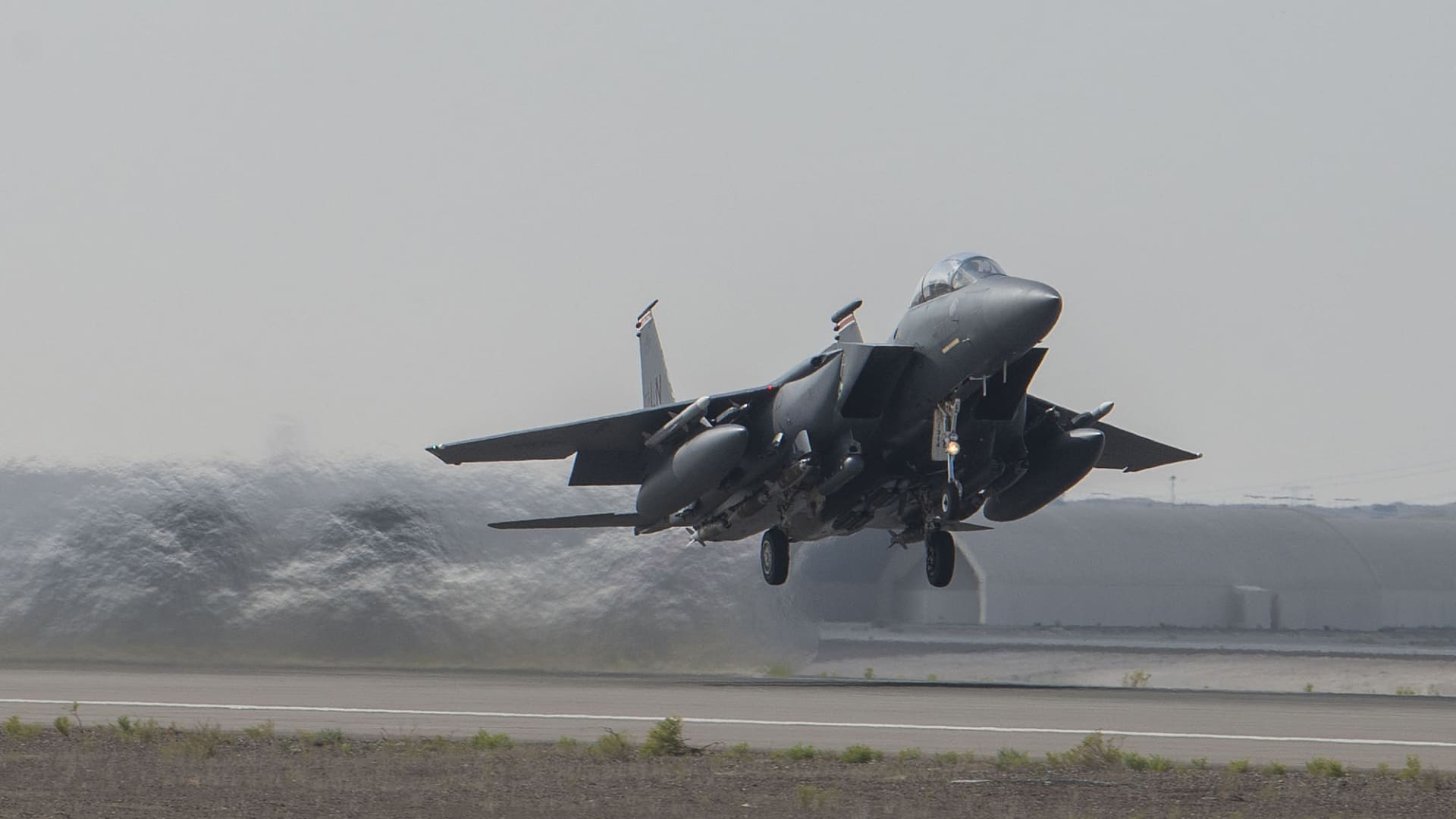
U.S. Air Force F-15E Shot Down, Successful Rescue Operation Confirmed


- Successful Rescue Operation: President Trump confirmed that two military officers missing in Iran have been rescued, showcasing the U.S. military's rapid response capabilities in complex environments and boosting public confidence in military rescue operations.
- Fighter Jet Shot Down: Iran successfully shot down a U.S. F-15E fighter jet, marking the first instance of a U.S. combat aircraft being downed since the war began, indicating an enhancement in Iran's aerial combat capabilities that could influence future military strategies.
- Oil Price Surge: The spot price for Brent crude soared to $141.36, the highest since the 2008 financial crisis, reflecting tight physical supply due to the closure of the Strait of Hormuz, which may have far-reaching implications for the global energy market.
- Trump's Pressure on Iran: Trump stated on social media that he has given Iran ten days to make a deal or open the Strait of Hormuz, demonstrating a hardline stance by the U.S. in the Middle East, which could escalate regional tensions.
See More
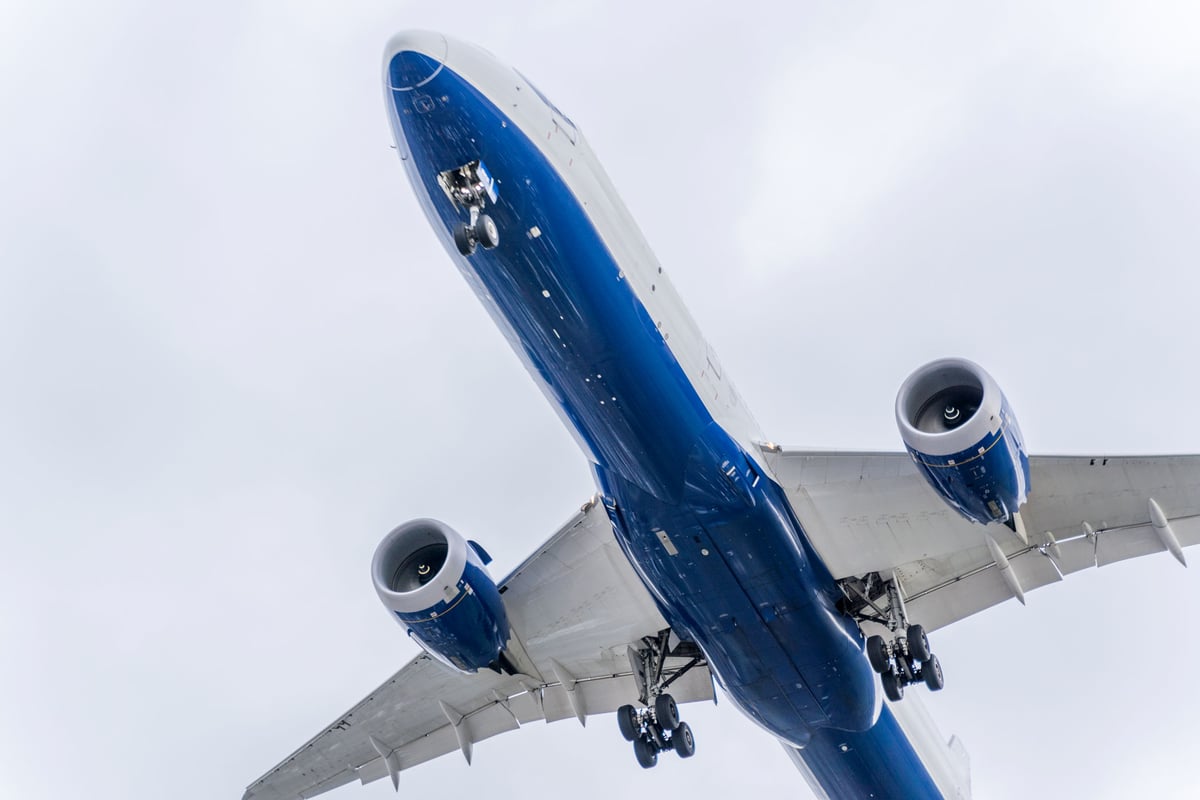
Boeing Stock Outlook: Key Challenges Ahead
- Artemis Mission Success: Boeing's role in the Artemis moon mission involves manufacturing the critical 212-foot rocket, and any failure could reignite concerns about Boeing's design and manufacturing reliability, negatively impacting its reputation and stock price.
- Growing Order Backlog: After a slump post-737 MAX incidents, Boeing's order backlog reached a new record in 2022, indicating potential future revenue; continued growth in this backlog will bolster investor confidence in the company's prospects.
- Widening Profit Margins: Boeing must continue to improve its profit margins to restore operational efficiency, particularly in managing its $52.6 billion long-term debt; reducing costs will positively affect shareholder returns and overall financial health.
- Critical Certifications Approval: The certification of Boeing's 737 MAX 10 and 777X aircraft is essential for competing with Airbus; delays in these approvals could hinder production capacity and margin expansion, impacting the company's long-term growth trajectory.
See More
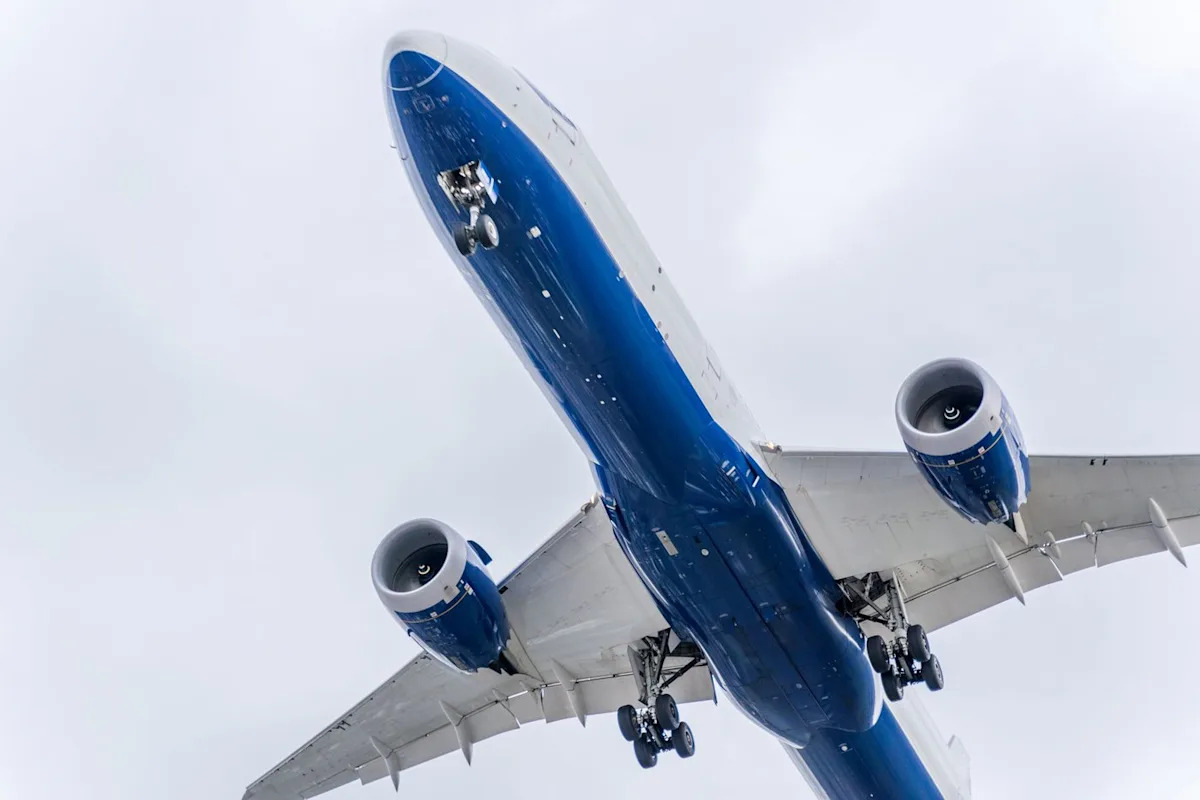
Boeing Stock Outlook: Key Challenges Ahead

- Critical Role in Artemis: Boeing's responsibility for the 212-foot rocket in the Artemis moon mission is crucial, as any failure could reignite concerns about its design and manufacturing capabilities, thereby impacting investor confidence significantly.
- Growing Order Backlog: Despite a slump in orders following the 737 MAX incidents in 2019, Boeing's order backlog has reached a new record since 2022, indicating a recovery in market confidence about future revenues, although orders are not guaranteed.
- Profit Margin Improvement Needed: Boeing must continue to widen its profit margins to restore operational efficiency, with long-term debt of $52.6 billion necessitating careful management of interest expenses; improving production costs is essential for profitability.
- Certification Approvals Required: The 737 MAX 10 and 777X aircraft need certification in the near future, with the former expected by year-end and the latter by 2027; delays in these approvals could hinder Boeing's competitive position and profit growth.
See More
Boeing Faces Challenges in Restoring Reputation
- Market Confidence Lacking: Despite analysts generally rating Boeing (NYSE: BA) as a strong buy, investor confidence is notably low due to the company's damaged reputation, with the current stock price significantly below the consensus target of $275.30, indicating a potential upside of over 32%.
- Order Backlog Recovery: Boeing's order backlog reached a new record in 2022, showing signs of recovery despite a decline in orders since 2019 due to the 737 MAX crashes and the COVID-19 pandemic, reflecting a gradual restoration of market confidence in the company's future revenue.
- Efficiency Improvements: Boeing has made progress in improving its margins but still needs to minimize interest payments on its $52.6 billion long-term debt and restore profitability in its defense and space unit to enhance overall operational efficiency.
- Certification Progress Critical: The certification of Boeing's 737 MAX 10 and 777X widebody aircraft is crucial, with the former expected to be certified by the end of this year and the latter aiming for commercial deliveries in 2027, directly impacting the company's competitive position and margin expansion.
See More
Boeing Faces New Challenges and Opportunities Amidst Recovery
- Significant Order Value: Korean Air's plan to purchase 103 Boeing aircraft by 2039, valued at approximately $36.2 billion, not only boosts Boeing's market confidence but also provides an opportunity to rebuild its reputation after years of safety issues and delivery delays.
- Regulatory Relationship Improvement: The European Aviation Safety Agency (EASA) has indicated that relations with the FAA and Boeing are improving, which is a positive signal that could help Boeing rebuild trust with regulators post-737 MAX crisis, potentially facilitating future compliance and collaboration.
- Fuel Cost Pressure: Korean Air announced it would enter emergency management mode due to expected fuel costs rising from 220 cents to 450 cents per gallon because of the Iran war, posing challenges to the economics of Boeing's order and potentially impacting future deliveries and growth plans.
- Defense Business Potential: Boeing's $289 million contract with Israel provides a new growth avenue for its defense business, and while the Iran war introduces uncertainty, the rising defense demand may offer some buffer, helping Boeing navigate pressures in its commercial aviation sector.
See More
Boeing's Safety Issues Impact Investor Confidence
- Frequent Safety Incidents: Boeing has faced multiple safety incidents over the past few years, including the Lion Air Flight 610 and Ethiopian Airlines Flight 302 crashes in 2018 and 2019, respectively, resulting in 346 fatalities, which have severely tarnished the company's reputation and shaken investor confidence in its future.
- Poor Stock Performance: As of April 1, 2024, Boeing's stock has declined by 18.7% over the past decade, while the S&P 500 has risen over 65% during the same period, indicating a loss of competitive edge and diminishing investor confidence in long-term holdings.
- Improving Financial Outlook: Despite challenges, Boeing has the potential to generate cash flow and improve EBITDA while reducing debt, suggesting that the company may be moving towards better financial management and stability.
- Production and Delivery Recovery: The production of the 737 MAX is meeting consistency metrics, and delivery volumes are gradually increasing, providing hope for future revenue growth, although attention must still be paid to
See More
U.S. Air Force F-15E Shot Down, Successful Rescue Operation Confirmed
- Successful Rescue Operation: President Trump confirmed that two military officers missing in Iran have been rescued, showcasing the U.S. military's rapid response capabilities in complex environments and boosting public confidence in military rescue operations.
- Fighter Jet Shot Down: Iran successfully shot down a U.S. F-15E fighter jet, marking the first instance of a U.S. combat aircraft being downed since the war began, indicating an enhancement in Iran's aerial combat capabilities that could influence future military strategies.
- Oil Price Surge: The spot price for Brent crude soared to $141.36, the highest since the 2008 financial crisis, reflecting tight physical supply due to the closure of the Strait of Hormuz, which may have far-reaching implications for the global energy market.
- Trump's Pressure on Iran: Trump stated on social media that he has given Iran ten days to make a deal or open the Strait of Hormuz, demonstrating a hardline stance by the U.S. in the Middle East, which could escalate regional tensions.
See More
Boeing Stock Outlook: Key Challenges Ahead
- Artemis Mission Success: Boeing's role in the Artemis moon mission involves manufacturing the critical 212-foot rocket, and any failure could reignite concerns about Boeing's design and manufacturing reliability, negatively impacting its reputation and stock price.
- Growing Order Backlog: After a slump post-737 MAX incidents, Boeing's order backlog reached a new record in 2022, indicating potential future revenue; continued growth in this backlog will bolster investor confidence in the company's prospects.
- Widening Profit Margins: Boeing must continue to improve its profit margins to restore operational efficiency, particularly in managing its $52.6 billion long-term debt; reducing costs will positively affect shareholder returns and overall financial health.
- Critical Certifications Approval: The certification of Boeing's 737 MAX 10 and 777X aircraft is essential for competing with Airbus; delays in these approvals could hinder production capacity and margin expansion, impacting the company's long-term growth trajectory.
See More
Boeing Stock Outlook: Key Challenges Ahead
- Critical Role in Artemis: Boeing's responsibility for the 212-foot rocket in the Artemis moon mission is crucial, as any failure could reignite concerns about its design and manufacturing capabilities, thereby impacting investor confidence significantly.
- Growing Order Backlog: Despite a slump in orders following the 737 MAX incidents in 2019, Boeing's order backlog has reached a new record since 2022, indicating a recovery in market confidence about future revenues, although orders are not guaranteed.
- Profit Margin Improvement Needed: Boeing must continue to widen its profit margins to restore operational efficiency, with long-term debt of $52.6 billion necessitating careful management of interest expenses; improving production costs is essential for profitability.
- Certification Approvals Required: The 737 MAX 10 and 777X aircraft need certification in the near future, with the former expected by year-end and the latter by 2027; delays in these approvals could hinder Boeing's competitive position and profit growth.
See More