BioMarin's Drug Approved by FDA for PKU Treatment
Written by Emily J. Thompson, Senior Investment Analyst
Updated: Mar 02 2026
0mins

Should l Buy BMRN?
Source: Benzinga
- FDA Approval: The U.S. FDA has approved BioMarin's supplemental application for Palynziq (pegvaliase-pqpz), making it the only enzyme substitution therapy approved for managing phenylketonuria (PKU) in adolescents aged 12 and older, marking a significant advancement for the company in the rare disease sector.
- Clinical Study Results: The approval is based on the Phase 3 PEGASUS study, which demonstrated statistically significant reductions in blood phenylalanine levels at Week 72 for individuals on Palynziq compared to those on diet alone, indicating the drug's effectiveness in improving patient health outcomes.
- Market Performance Analysis: BioMarin's stock is currently trading at $59.30, which is 4.5% below its 20-day simple moving average and 8.2% below its 100-day simple moving average, reflecting short-term market weakness, with shares down approximately 19% over the past 12 months.
- Analyst Ratings: Despite the challenging market environment, BioMarin's stock carries a Buy rating with an average price target of $88.80, with recent target increases from analysts like Canaccord Genuity and Bernstein, indicating confidence in the company's future potential.
Trade with 70% Backtested Accuracy
Stop guessing "Should I Buy BMRN?" and start using high-conviction signals backed by rigorous historical data.
Sign up today to access powerful investing tools and make smarter, data-driven decisions.
Analyst Views on BMRN
Wall Street analysts forecast BMRN stock price to rise
19 Analyst Rating
14 Buy
5 Hold
0 Sell
Moderate Buy
Current: 54.120

Low
60.00
Averages
87.35
High
120.00
Current: 54.120
Low
60.00
Averages
87.35
High
120.00
About BMRN
BioMarin Pharmaceutical Inc. is a global biotechnology company engaged in the development of genetic discovery into medicines that make an impact on the life of each patient. The Company has a portfolio of commercial therapies and a clinical and preclinical pipeline. Its commercial products include Vimizim (elosulfase alpha), Naglazyme (galsulfase), Palynziq (pegvaliase-pqpz), Brineura (cerliponase alfa), Aldurazyme (laronidase), Roctavian (valoctocogene roxaparvovec), Kuvan (sapropterin dihydrochloride), and Voxzogo (vosoritide). Vimizim is an enzyme replacement therapy for the treatment of MPS IVA, a lysosomal storage disorder. The Roctavian is an adeno-associated virus (AAV5) vector gene therapy designed to restore factor VIII plasma concentrations in patients with severe hemophilia A. Its Galafold (migalastat) is the first oral treatment for Fabry disease, and Pombiliti (cipaglucosidase alfa-atga) + Opfolda (miglustat), is a two-component therapy for Pompe disease.
About the author

Emily J. Thompson
Emily J. Thompson, a Chartered Financial Analyst (CFA) with 12 years in investment research, graduated with honors from the Wharton School. Specializing in industrial and technology stocks, she provides in-depth analysis for Intellectia’s earnings and market brief reports.
Emerging Trends in Rare Disease Drug Development
- Patient-Led Innovation: A report from the Chan Zuckerberg Biohub indicates that half of the 20 funded organizations have engaged in clinical trials within five years since 2019, showcasing the significant role of patient groups in driving medical innovation in rare disease drug development.
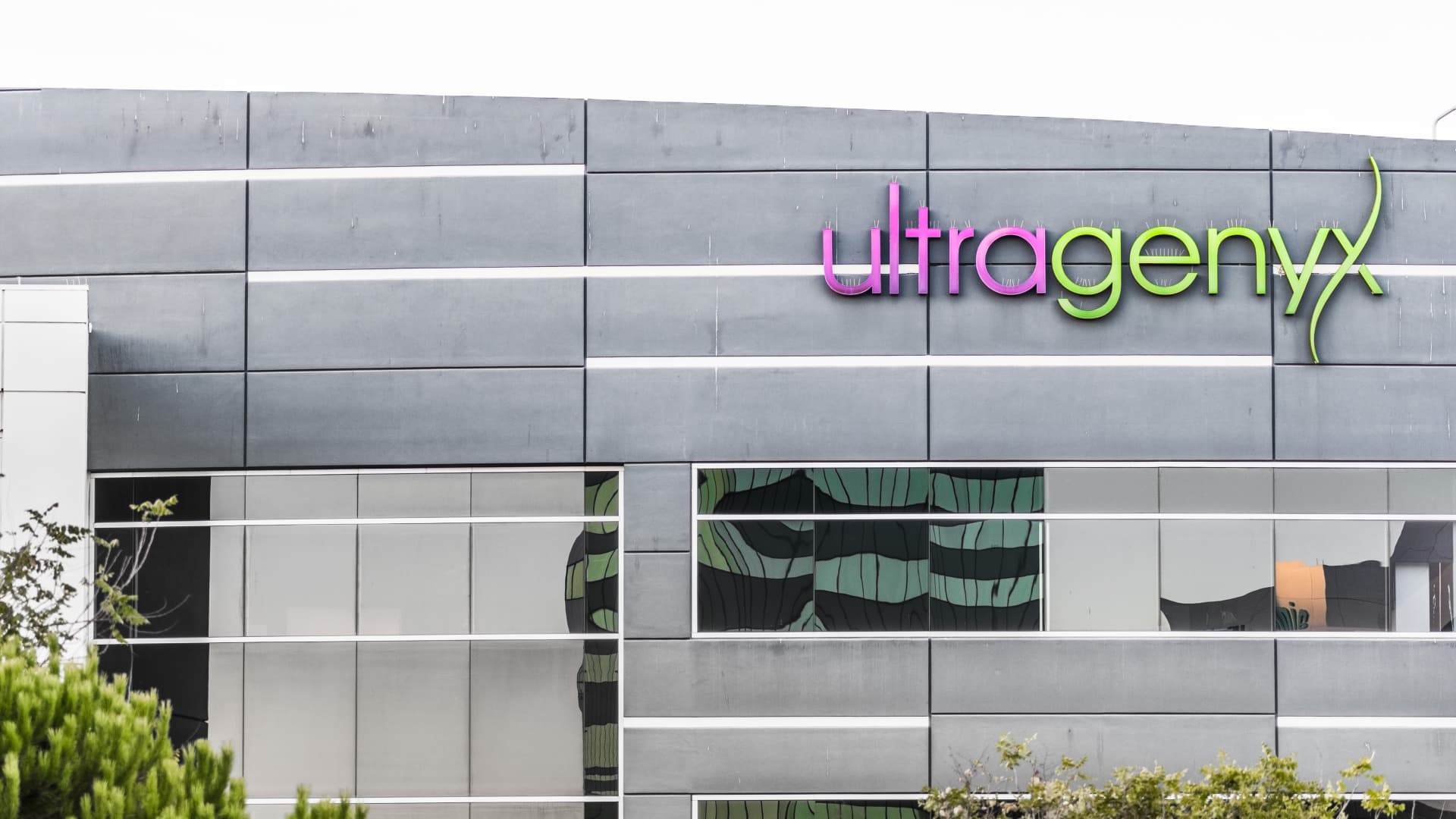
- Rare Bootcamp Forum: Ultragenyx hosts the Rare Bootcamp twice a year, providing families with essential knowledge and resources for drug development; the recent event in Boston featured over 20 sessions covering the entire drug development spectrum, aiding families in understanding and participating in research.
- Family Support Network: The event not only facilitated direct access to researchers and experts but also fostered experience sharing among families through networking sessions and dinners, enhancing community cohesion and alleviating the isolation often felt by families dealing with rare diseases.
- Future Outlook: Ultragenyx founder Kakkis expressed hope that one day such events will no longer be necessary, indicating that the challenges of rare disease drug development will be resolved, allowing patients to access ready-made treatments, reflecting an optimistic vision for future medical innovation.
See More

BioMarin Q1 Earnings: Amicus Acquisition Fuels Growth
- Acquisition Drives Growth: BioMarin completed the acquisition of Amicus last week, adding innovative therapies like Galafold and Pombiliti, which is expected to accelerate 2026 revenue growth to a midpoint of 20%, highlighting the company's expansion potential in the rare disease sector.
- Strong Financial Performance: Total revenues for Q1 reached $766 million with non-GAAP diluted earnings per share at $0.76, despite a $31 million increase in cost of sales due to an unsuccessful NAGLAZYME qualification campaign, which did not impact commercial supply, reflecting the company's stability in the market.
- Optimistic Outlook: BioMarin raised its enzyme therapies revenue guidance to $2.725 billion to $2.775 billion for 2026, with total revenue guidance increased to $3.825 billion to $3.925 billion, anticipating over 55% of revenues to be recognized in the second half of the year, demonstrating confidence in future performance.
- Strong Market Demand: Demand for VOXZOGO continues to grow, with new patient starts increasing across all regions in Q1, and management expects PALYNZIQ to recover year-over-year growth in 2026, indicating success in product promotion and market penetration.
See More
BioMarin Reports Significant Revenue Growth in Q1 2026
- Revenue Growth: BioMarin's total revenues for Q1 2026 reached $766 million, marking a 3% year-over-year increase, indicating sustained market demand under the new product portfolio, which is expected to drive annual performance growth.
- Guidance Upgrade: The company raised its full-year 2026 revenue guidance to between $3.825 billion and $3.925 billion, reflecting confidence in the market potential of new products GALAFOLD and POMBILITI, with an anticipated growth rate of 20% year-over-year.
- Product Line Performance: Revenues from VOXZOGO and VIMIZIM were $220 million and $210 million respectively, showcasing strong growth in the enzyme therapy sector, further solidifying BioMarin's leadership in the rare disease treatment market.
- Profitability Decline: Despite revenue growth, GAAP net income fell to $106 million, a 43% decrease year-over-year, primarily due to increased R&D and selling expenses, reflecting cost pressures faced by the company as it expands its product line.
See More
VOXZOGO Shows Positive Long-Term Effects on Children's Bone Health
- Significant Long-Term Effects: VOXZOGO demonstrates a positive impact on children's bone health, with treated children showing an average height increase of 10.60 cm after six years and 13.59 cm after eight years, significantly outperforming untreated cohorts, highlighting the importance of early intervention for child health.
- Sustained Bone Density Improvement: In a study of 119 children receiving VOXZOGO, bone mineral content (BMC) increased annually over six years while bone mineral density (BMD) Z-scores remained stable, indicating that long-term treatment effectively maintains bone health and boosts parental confidence in the therapy.
- New Research Findings: BioMarin will present new data on VOXZOGO's effects in hypochondroplasia at the 2026 Pediatric Endocrine Society Annual Meeting, including significant improvements in BMD and BMC after 12 months, which are expected to support approval for this new indication.
- Global Impact Expansion: Since its approval in 2021, VOXZOGO has assisted over 5,000 children, and BioMarin is committed to enhancing global awareness and treatment outcomes for children's bone health through ongoing clinical research and robust patient support services.
See More

New Research on VOXZOGO in Children with Achondroplasia
- Significant Long-Term Effects: VOXZOGO's long-term clinical trials in children with achondroplasia show that children who started treatment after age 5 achieved a mean height difference of 10.60 cm after six years and 13.59 cm after eight years, indicating the positive impact of early intervention on child health.
- Sustained Bone Health Improvement: In a study of 119 children treated with VOXZOGO, bone mineral content and density showed significant increases over six years, with stable bone density Z-scores, demonstrating the treatment's effectiveness in maintaining bone health and enhancing parental confidence in the therapy.
- New Research Data Presentation: BioMarin will present new research data on VOXZOGO for achondroplasia and hypochondroplasia at the 2026 Pediatric Endocrine Society Annual Meeting, which is expected to provide critical insights for future clinical applications.
- Registration Trial Progress: BioMarin plans to release pivotal Phase 3 trial results for hypochondroplasia in the first half of 2026, and if results are positive, will submit applications to regulatory authorities in the second half of 2026 to expand VOXZOGO's indications.
See More

BioMarin Pharmaceutical Q1 Earnings Announcement Scheduled
- Earnings Release Date: BioMarin Pharmaceutical is set to announce its Q1 2023 earnings on May 4th after market close, with consensus EPS estimate at $0.91, reflecting a 19.5% year-over-year decline, which could negatively impact investor sentiment.
- Revenue Expectations: The anticipated revenue for Q1 is $751.68 million, representing a modest 0.9% year-over-year growth, indicating the company's stability in the rare disease sector despite limited growth potential.
- Forecast Changes: Over the past three months, there have been no upward revisions to EPS estimates and 12 downward revisions, highlighting analysts' concerns regarding the company's profitability, which may exert downward pressure on the stock price.
- Historical Performance Review: BioMarin has beaten EPS and revenue estimates 75% of the time over the last two years, although the recent trend of downward revisions could affect future performance.
See More
Emerging Trends in Rare Disease Drug Development
- Patient-Led Innovation: A report from the Chan Zuckerberg Biohub indicates that half of the 20 funded organizations have engaged in clinical trials within five years since 2019, showcasing the significant role of patient groups in driving medical innovation in rare disease drug development.
- Rare Bootcamp Forum: Ultragenyx hosts the Rare Bootcamp twice a year, providing families with essential knowledge and resources for drug development; the recent event in Boston featured over 20 sessions covering the entire drug development spectrum, aiding families in understanding and participating in research.
- Family Support Network: The event not only facilitated direct access to researchers and experts but also fostered experience sharing among families through networking sessions and dinners, enhancing community cohesion and alleviating the isolation often felt by families dealing with rare diseases.
- Future Outlook: Ultragenyx founder Kakkis expressed hope that one day such events will no longer be necessary, indicating that the challenges of rare disease drug development will be resolved, allowing patients to access ready-made treatments, reflecting an optimistic vision for future medical innovation.
See More
BioMarin Q1 Earnings: Amicus Acquisition Fuels Growth
- Acquisition Drives Growth: BioMarin completed the acquisition of Amicus last week, adding innovative therapies like Galafold and Pombiliti, which is expected to accelerate 2026 revenue growth to a midpoint of 20%, highlighting the company's expansion potential in the rare disease sector.
- Strong Financial Performance: Total revenues for Q1 reached $766 million with non-GAAP diluted earnings per share at $0.76, despite a $31 million increase in cost of sales due to an unsuccessful NAGLAZYME qualification campaign, which did not impact commercial supply, reflecting the company's stability in the market.
- Optimistic Outlook: BioMarin raised its enzyme therapies revenue guidance to $2.725 billion to $2.775 billion for 2026, with total revenue guidance increased to $3.825 billion to $3.925 billion, anticipating over 55% of revenues to be recognized in the second half of the year, demonstrating confidence in future performance.
- Strong Market Demand: Demand for VOXZOGO continues to grow, with new patient starts increasing across all regions in Q1, and management expects PALYNZIQ to recover year-over-year growth in 2026, indicating success in product promotion and market penetration.
See More
BioMarin Reports Significant Revenue Growth in Q1 2026
- Revenue Growth: BioMarin's total revenues for Q1 2026 reached $766 million, marking a 3% year-over-year increase, indicating sustained market demand under the new product portfolio, which is expected to drive annual performance growth.
- Guidance Upgrade: The company raised its full-year 2026 revenue guidance to between $3.825 billion and $3.925 billion, reflecting confidence in the market potential of new products GALAFOLD and POMBILITI, with an anticipated growth rate of 20% year-over-year.
- Product Line Performance: Revenues from VOXZOGO and VIMIZIM were $220 million and $210 million respectively, showcasing strong growth in the enzyme therapy sector, further solidifying BioMarin's leadership in the rare disease treatment market.
- Profitability Decline: Despite revenue growth, GAAP net income fell to $106 million, a 43% decrease year-over-year, primarily due to increased R&D and selling expenses, reflecting cost pressures faced by the company as it expands its product line.
See More
VOXZOGO Shows Positive Long-Term Effects on Children's Bone Health
- Significant Long-Term Effects: VOXZOGO demonstrates a positive impact on children's bone health, with treated children showing an average height increase of 10.60 cm after six years and 13.59 cm after eight years, significantly outperforming untreated cohorts, highlighting the importance of early intervention for child health.
- Sustained Bone Density Improvement: In a study of 119 children receiving VOXZOGO, bone mineral content (BMC) increased annually over six years while bone mineral density (BMD) Z-scores remained stable, indicating that long-term treatment effectively maintains bone health and boosts parental confidence in the therapy.
- New Research Findings: BioMarin will present new data on VOXZOGO's effects in hypochondroplasia at the 2026 Pediatric Endocrine Society Annual Meeting, including significant improvements in BMD and BMC after 12 months, which are expected to support approval for this new indication.
- Global Impact Expansion: Since its approval in 2021, VOXZOGO has assisted over 5,000 children, and BioMarin is committed to enhancing global awareness and treatment outcomes for children's bone health through ongoing clinical research and robust patient support services.
See More
New Research on VOXZOGO in Children with Achondroplasia
- Significant Long-Term Effects: VOXZOGO's long-term clinical trials in children with achondroplasia show that children who started treatment after age 5 achieved a mean height difference of 10.60 cm after six years and 13.59 cm after eight years, indicating the positive impact of early intervention on child health.
- Sustained Bone Health Improvement: In a study of 119 children treated with VOXZOGO, bone mineral content and density showed significant increases over six years, with stable bone density Z-scores, demonstrating the treatment's effectiveness in maintaining bone health and enhancing parental confidence in the therapy.
- New Research Data Presentation: BioMarin will present new research data on VOXZOGO for achondroplasia and hypochondroplasia at the 2026 Pediatric Endocrine Society Annual Meeting, which is expected to provide critical insights for future clinical applications.
- Registration Trial Progress: BioMarin plans to release pivotal Phase 3 trial results for hypochondroplasia in the first half of 2026, and if results are positive, will submit applications to regulatory authorities in the second half of 2026 to expand VOXZOGO's indications.
See More
BioMarin Pharmaceutical Q1 Earnings Announcement Scheduled
- Earnings Release Date: BioMarin Pharmaceutical is set to announce its Q1 2023 earnings on May 4th after market close, with consensus EPS estimate at $0.91, reflecting a 19.5% year-over-year decline, which could negatively impact investor sentiment.
- Revenue Expectations: The anticipated revenue for Q1 is $751.68 million, representing a modest 0.9% year-over-year growth, indicating the company's stability in the rare disease sector despite limited growth potential.
- Forecast Changes: Over the past three months, there have been no upward revisions to EPS estimates and 12 downward revisions, highlighting analysts' concerns regarding the company's profitability, which may exert downward pressure on the stock price.
- Historical Performance Review: BioMarin has beaten EPS and revenue estimates 75% of the time over the last two years, although the recent trend of downward revisions could affect future performance.
See More