BHP's New CEO Emphasizes Long-Term Growth Strategy
Written by Emily J. Thompson, Senior Investment Analyst
Updated: May 13 2026
0mins
Source: seekingalpha
- Long-Term Growth Strategy: Incoming CEO Brandon Craig stated that BHP will seek to secure growth options beyond 2035 through increased exploration and potential 'bolt-on' acquisitions, indicating a clear vision for future development.
- Value-Driven Growth: At a Bank of America conference, Craig emphasized that BHP will focus on value rather than blind expansion, ensuring disciplined growth based on existing projects to enhance the company's market competitiveness.
- Strong Stock Performance: BHP shares have risen 50% year-to-date, reaching a record high of $90.91 in U.S. trading on Wednesday, reflecting positive market sentiment towards its long-term strategy.
- Optimized Market Positioning: Craig mentioned that BHP will seek partnerships with peers to unlock value in adjacent operations, further solidifying its leadership position in the global mining market and ensuring sustainable development for the future.
Trade with 70% Backtested Accuracy
Stop guessing "Should I Buy BHP?" and start using high-conviction signals backed by rigorous historical data.
Sign up today to access powerful investing tools and make smarter, data-driven decisions.
Analyst Views on BHP
Wall Street analysts forecast BHP stock price to fall
3 Analyst Rating
1 Buy
1 Hold
1 Sell
Hold
Current: 90.360

Low
49.50
Averages
56.50
High
68.00
Current: 90.360
Low
49.50
Averages
56.50
High
68.00
About BHP
BHP Group Limited is an Australia-based resources company. The Company is a producer of commodities, including iron ore, copper, nickel, potash and metallurgical (steelmaking) coal. It is focused on offering a range of resources, which provides copper for renewable energy; nickel for electric vehicles; potash for sustainable farming, and iron ore and metallurgical coal for the steel needed for global infrastructure and the energy transition. Its segments include Copper, Iron Ore, and Coal. Its Copper segment is engaged in mining of copper, silver, zinc, molybdenum, uranium, and gold. Its Iron Ore segment is engaged in mining of iron ore. Its Coal segment is engaged in mining of metallurgical coal and energy coal. The Company is also focused on operating Olympic Dam, Prominent Hill, and Carrapateena underground copper-gold mines in South Australia. Its operations are situated in Australia, Europe, China, Japan, India, South Korea, rest of Asia, North America, South America, and others.
About the author

Emily J. Thompson
Emily J. Thompson, a Chartered Financial Analyst (CFA) with 12 years in investment research, graduated with honors from the Wharton School. Specializing in industrial and technology stocks, she provides in-depth analysis for Intellectia’s earnings and market brief reports.
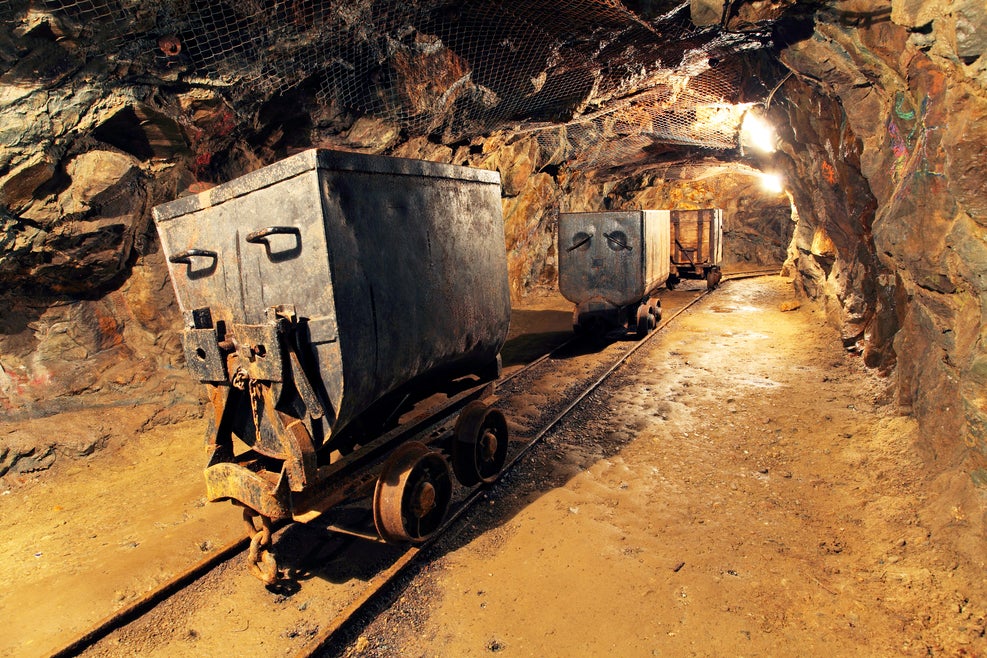
BHP Raises Jansen Stage Two Investment Estimate to $6.9 Billion After Review

- Investment Estimate Increase: BHP has raised the investment estimate for stage two of the Jansen project from $4.9 billion to $6.9 billion, primarily due to additional construction hours and material cost escalations, indicating cost pressures in project execution.
- Production Timeline Delay: The expected first production has been postponed to late FY31, two years later than initially planned, which may impact the company's short-term earnings outlook and market confidence.
- Stable Output Expectations: Despite rising costs, BHP still forecasts an annual output of approximately 4.36 million tonnes for stage two, with combined production reaching 8.5 million tonnes, representing about 10% of global potash output, demonstrating the project's long-term value.
- Significant Financial Impact: The company anticipates recognizing an impairment charge of approximately $2.3 billion in FY26, reflecting a reassessment of its investment in the project, which could negatively affect overall financial performance.
See More

BHP Plans to Sell Power Transmission Lines in Chile Valued at $1.5B
- Asset Sale Plan: BHP is gearing up to sell its power transmission lines in Chile, valued at approximately $1.5 billion, as part of its strategic shift towards copper mining, indicating a decisive realignment of its business focus.
- Transmission Line Coverage: The transaction will include transmission lines that supply power to BHP's Escondida, Spence, and Cerro Colorado mines, spanning about 1,000 kilometers, including the currently shuttered Cerro Colorado, reflecting the company's flexibility in asset management.
- Potential Buyers: Potential bidders could include transmission companies, other energy firms, or institutional investors, providing BHP with diversified funding sources that enhance its financial flexibility.
- Asset Sale Revenue: Morgan Stanley estimated last month that BHP could exceed its asset sale target of $10 billion by approximately $3 billion, which would bolster its balance sheet and support growth plans, highlighting the financial benefits of strategic divestitures.
See More
BHP Faces $2.3B Write-Down on Jansen Project Amid Cost Overruns
- Write-Down Impact: BHP announced a $2.3 billion write-down on its giant Jansen potash project, leading to a 2.1% pre-market decline in stock price, reflecting ongoing challenges in cost management.
- Cost Increase Reasons: The estimated cost for the Jansen Stage 2 development has risen from $4.9 billion to $6.9 billion, primarily due to additional construction hours and material costs, highlighting the complexity and risks of project management.
- Production Timeline Adjustment: BHP expects the first phase of the Jansen project to commence production by late FY 2031, with an annual output of approximately 4.36 million metric tons, which is crucial as the combined output is projected to account for 10% of global potash production.
- Strategic Significance: BHP executives emphasized that the Jansen project is a key pillar of the company's strategy, and despite the challenges, its long-term profit potential and exposure to future commodity demand will provide shareholders with benefits for decades.
See More
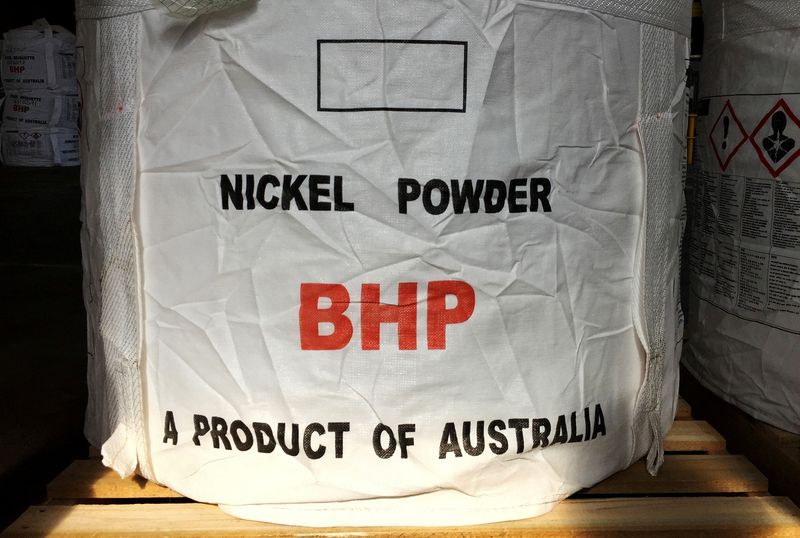
Iron Ore Futures Fall Below $100 for First Time Since March

- Supply Overhang: Iron ore futures on the Singapore Exchange fell 2.3% to $98.90 per ton, marking the first drop below $100 since March, indicating growing concerns over supply excess, particularly as steel production in China continues to decline.
- Weak Economic Data: China's fixed asset investment and consumer spending fell to their lowest levels since the pandemic in May, reflecting a sluggish economic recovery that has led to reduced demand expectations for iron ore, exacerbating market pessimism.
- New Mine Production Impact: The gradual ramp-up of production at the Simandou mine in Guinea is increasing global iron ore supplies, leading to more cautious price expectations in the market, especially amid weak demand conditions.
- Declining Oil Prices Effect: Recent declines in crude oil prices, driven by the potential reopening of the Strait of Hormuz, have lowered freight rates, adding further pressure on iron ore prices and negatively impacting market sentiment.
See More
India Emerges as Global Steel Growth Engine
- Surge in Steel Demand: BHP and Rio Tinto have indicated that rising steel demand in India and Southeast Asia will offset stagnation in China, with India's production target set at 500 million tons by 2047, tripling last year's 165 million tons, highlighting India's significance in the global steel market.
- Increased Import Dependency: Achieving this target will require vast additional quantities of iron ore and metallurgical coal, the latter of which India almost entirely imports, creating substantial market opportunities for global iron ore suppliers, particularly for major producers like BHP and Rio Tinto.
- Optimistic Market Outlook: BHP's sales and marketing officer stated that metallurgical coal demand in India is expected to double by 2050, indicating the company's advantageous position in supporting the expansion of India's steel industry and further solidifying its market presence.
- Global Supply Chain Pressure: Rio Tinto's chief commercial officer noted that the global market will require approximately 950 million tons of new iron ore capacity to meet new demand and counter the depletion of existing mines, with analysts consistently underestimating the strength of the iron ore market, indicating significant future market potential.
See More

AVDE Stock Price Analysis and ETF Dynamics


- Stock Price Fluctuation: AVDE's 52-week low is $72.08 and high is $92.60, with the last trade at $90.89, indicating the stock is nearing its high point, potentially attracting investor interest.
- Technical Analysis Tool: Comparing the current stock price to the 200-day moving average can provide valuable insights for investors, aiding in market trend assessment.
- ETF Trading Mechanism: ETFs trade like stocks, where investors buy and sell 'units' that can be created or destroyed based on demand, impacting liquidity and market dynamics.
- Inflows and Outflows Monitoring: Weekly monitoring of changes in shares outstanding for ETFs highlights significant inflows (new units created) or outflows (old units destroyed), which can affect the underlying holdings and overall market performance.
See More
BHP Raises Jansen Stage Two Investment Estimate to $6.9 Billion After Review
- Investment Estimate Increase: BHP has raised the investment estimate for stage two of the Jansen project from $4.9 billion to $6.9 billion, primarily due to additional construction hours and material cost escalations, indicating cost pressures in project execution.
- Production Timeline Delay: The expected first production has been postponed to late FY31, two years later than initially planned, which may impact the company's short-term earnings outlook and market confidence.
- Stable Output Expectations: Despite rising costs, BHP still forecasts an annual output of approximately 4.36 million tonnes for stage two, with combined production reaching 8.5 million tonnes, representing about 10% of global potash output, demonstrating the project's long-term value.
- Significant Financial Impact: The company anticipates recognizing an impairment charge of approximately $2.3 billion in FY26, reflecting a reassessment of its investment in the project, which could negatively affect overall financial performance.
See More
BHP Plans to Sell Power Transmission Lines in Chile Valued at $1.5B
- Asset Sale Plan: BHP is gearing up to sell its power transmission lines in Chile, valued at approximately $1.5 billion, as part of its strategic shift towards copper mining, indicating a decisive realignment of its business focus.
- Transmission Line Coverage: The transaction will include transmission lines that supply power to BHP's Escondida, Spence, and Cerro Colorado mines, spanning about 1,000 kilometers, including the currently shuttered Cerro Colorado, reflecting the company's flexibility in asset management.
- Potential Buyers: Potential bidders could include transmission companies, other energy firms, or institutional investors, providing BHP with diversified funding sources that enhance its financial flexibility.
- Asset Sale Revenue: Morgan Stanley estimated last month that BHP could exceed its asset sale target of $10 billion by approximately $3 billion, which would bolster its balance sheet and support growth plans, highlighting the financial benefits of strategic divestitures.
See More
BHP Faces $2.3B Write-Down on Jansen Project Amid Cost Overruns
- Write-Down Impact: BHP announced a $2.3 billion write-down on its giant Jansen potash project, leading to a 2.1% pre-market decline in stock price, reflecting ongoing challenges in cost management.
- Cost Increase Reasons: The estimated cost for the Jansen Stage 2 development has risen from $4.9 billion to $6.9 billion, primarily due to additional construction hours and material costs, highlighting the complexity and risks of project management.
- Production Timeline Adjustment: BHP expects the first phase of the Jansen project to commence production by late FY 2031, with an annual output of approximately 4.36 million metric tons, which is crucial as the combined output is projected to account for 10% of global potash production.
- Strategic Significance: BHP executives emphasized that the Jansen project is a key pillar of the company's strategy, and despite the challenges, its long-term profit potential and exposure to future commodity demand will provide shareholders with benefits for decades.
See More
Iron Ore Futures Fall Below $100 for First Time Since March
- Supply Overhang: Iron ore futures on the Singapore Exchange fell 2.3% to $98.90 per ton, marking the first drop below $100 since March, indicating growing concerns over supply excess, particularly as steel production in China continues to decline.
- Weak Economic Data: China's fixed asset investment and consumer spending fell to their lowest levels since the pandemic in May, reflecting a sluggish economic recovery that has led to reduced demand expectations for iron ore, exacerbating market pessimism.
- New Mine Production Impact: The gradual ramp-up of production at the Simandou mine in Guinea is increasing global iron ore supplies, leading to more cautious price expectations in the market, especially amid weak demand conditions.
- Declining Oil Prices Effect: Recent declines in crude oil prices, driven by the potential reopening of the Strait of Hormuz, have lowered freight rates, adding further pressure on iron ore prices and negatively impacting market sentiment.
See More
India Emerges as Global Steel Growth Engine
- Surge in Steel Demand: BHP and Rio Tinto have indicated that rising steel demand in India and Southeast Asia will offset stagnation in China, with India's production target set at 500 million tons by 2047, tripling last year's 165 million tons, highlighting India's significance in the global steel market.
- Increased Import Dependency: Achieving this target will require vast additional quantities of iron ore and metallurgical coal, the latter of which India almost entirely imports, creating substantial market opportunities for global iron ore suppliers, particularly for major producers like BHP and Rio Tinto.
- Optimistic Market Outlook: BHP's sales and marketing officer stated that metallurgical coal demand in India is expected to double by 2050, indicating the company's advantageous position in supporting the expansion of India's steel industry and further solidifying its market presence.
- Global Supply Chain Pressure: Rio Tinto's chief commercial officer noted that the global market will require approximately 950 million tons of new iron ore capacity to meet new demand and counter the depletion of existing mines, with analysts consistently underestimating the strength of the iron ore market, indicating significant future market potential.
See More
AVDE Stock Price Analysis and ETF Dynamics
- Stock Price Fluctuation: AVDE's 52-week low is $72.08 and high is $92.60, with the last trade at $90.89, indicating the stock is nearing its high point, potentially attracting investor interest.
- Technical Analysis Tool: Comparing the current stock price to the 200-day moving average can provide valuable insights for investors, aiding in market trend assessment.
- ETF Trading Mechanism: ETFs trade like stocks, where investors buy and sell 'units' that can be created or destroyed based on demand, impacting liquidity and market dynamics.
- Inflows and Outflows Monitoring: Weekly monitoring of changes in shares outstanding for ETFs highlights significant inflows (new units created) or outflows (old units destroyed), which can affect the underlying holdings and overall market performance.
See More