Betterware Acquires Tupperware's Latin American Assets
Written by Emily J. Thompson, Senior Investment Analyst
Updated: Jan 26 2026
0mins
Should l Buy BWMX?
Source: Newsfilter
- Acquisition Scale: Betterware's parent company BeFra is acquiring Tupperware's Latin American operating assets for $250 million, comprising $215 million in cash and $35 million in BeFra shares, which is expected to significantly enhance its competitive position in the Latin American direct selling market.
- Brand Integration Advantage: This transaction will consolidate three major brands—Betterware, Jafra, and Tupperware—creating a powerful combination in the Latin American direct selling market, likely increasing market share and expanding the customer base.
- Completion Timeline: The deal is expected to close in the first half of 2026, subject to customary regulatory and closing conditions, which will provide Betterware with greater market expansion opportunities.
- Legal Team Support: The involvement of multiple partners from Greenberg Traurig in providing legal support for this transaction highlights the firm's deep expertise and resource integration capabilities in the Latin American market.
Trade with 70% Backtested Accuracy
Stop guessing "Should I Buy BWMX?" and start using high-conviction signals backed by rigorous historical data.
Sign up today to access powerful investing tools and make smarter, data-driven decisions.
Analyst Views on BWMX
About BWMX
Betterware de Mexico SAPI de CV is a Mexico-based company that sells household appliances through an online portal. The Company operates through a Catalogue that shows the different retail household products that it comprises, including kitchen appliances, garden tools, and everyday accessories among others. The Company operates across all of the Mexican states as Betterware's products reach every city in Mexico due to the strategic position of their production plant.
About the author

Emily J. Thompson
Emily J. Thompson, a Chartered Financial Analyst (CFA) with 12 years in investment research, graduated with honors from the Wharton School. Specializing in industrial and technology stocks, she provides in-depth analysis for Intellectia’s earnings and market brief reports.

Betterware de Mexico Declares $0.3063 Quarterly Dividend

- Quarterly Dividend Announcement: Betterware de Mexico has declared a quarterly dividend of $0.3063 per share, payable on May 21, indicating the company's ongoing cash flow strength and profitability.
- Dividend Yield: The forward yield of 7.15% not only attracts income-seeking investors but also reflects the company's commitment to shareholder returns, enhancing its market appeal.
- Record Date for Shareholders: The record date for the dividend is set for May 12, with the ex-dividend date also on May 12, ensuring eligible shareholders receive their payouts promptly, which boosts investor confidence.
- Executive Appointment: The company appointed Raúl del Villar as CFO, whose extensive financial management experience is expected to further strengthen the company's financial stability and strategic growth initiatives.
See More

Betterware (BWMX) Q1 2026 Earnings Transcript
See More
Betterware Appoints New CFO to Enhance Financial Leadership
- Executive Appointment: Betterware de México has appointed Raúl del Villar as CFO, bringing over 30 years of senior finance experience, which is expected to strengthen the company's financial leadership through his expertise in multinational consumer companies like Grupo Axo and Adidas.
- Growth Strategy Support: The appointment of Raúl del Villar aims to bolster Betterware's growth strategy and long-term plans, as his background in multinational consumer firms is anticipated to provide valuable financial insights and strategic guidance for the company.
- Stock Performance: BWMX stock closed at $17.47, up 3.25% in regular trading, reflecting a positive market reaction to the new CFO's appointment, although it remained flat in after-hours trading.
- Dividend Announcement: Betterware de México declared a dividend of $0.3103 per share, further enhancing investor confidence in the company's financial health.
See More

Betterware Appoints New CFO to Drive Growth
- Executive Appointment: Betterware de México has appointed Raúl del Villar as Chief Financial Officer, leveraging over three decades of financial experience in multinational consumer companies to support the company's global expansion efforts.
- Financial Leadership: During his tenure as Vice President and Corporate CFO at Grupo Axo, del Villar led public and international debt issuances and enhanced financial reporting standards to meet global exchange requirements, thereby improving the company's financial transparency.
- Strategic Planning Expertise: As CFO at Adidas Group Mexico, del Villar oversaw strategic planning and financial operations, driving disciplined growth in complex operating environments, showcasing his deep financial expertise across multi-market organizations.
- Growth Potential: Del Villar noted that Betterware has significant growth potential, and he looks forward to strengthening financial discipline to support the company's continued expansion, further solidifying its leadership position in the beauty and household markets in Mexico and the U.S.
See More

Trump Supports Russian Tanker Delivering Oil to Cuba Amid Energy Crisis
- Escalating Energy Crisis: Cuba is facing its most significant energy crisis since the collapse of the Soviet Union, as U.S. military actions against Venezuela have effectively cut off oil supplies since January, leading to severe power shortages across the island.
- Russian Tanker Relief: The Russian-flagged tanker Anatoly Kolodkin is expected to arrive in Cuba on Monday carrying approximately 730,000 barrels of crude oil, which is seen as a lifeline that could alleviate the ongoing fuel shortage.
- Trump's Shift in Stance: President Trump stated aboard Air Force One that he has no issue with Russia sending oil to Cuba, indicating a potential reversal of his administration's oil blockade policy, which could have implications for future diplomatic relations.
- Cuban Government's Response: President Miguel Díaz-Canel noted that Cuba has not received oil shipments in over three months and is actively seeking to increase solar power generation to address the ongoing fuel shortage, highlighting the urgency of the country's energy transition efforts.
See More
US Launches Trade Investigations into 60 Economies for Forced Labor

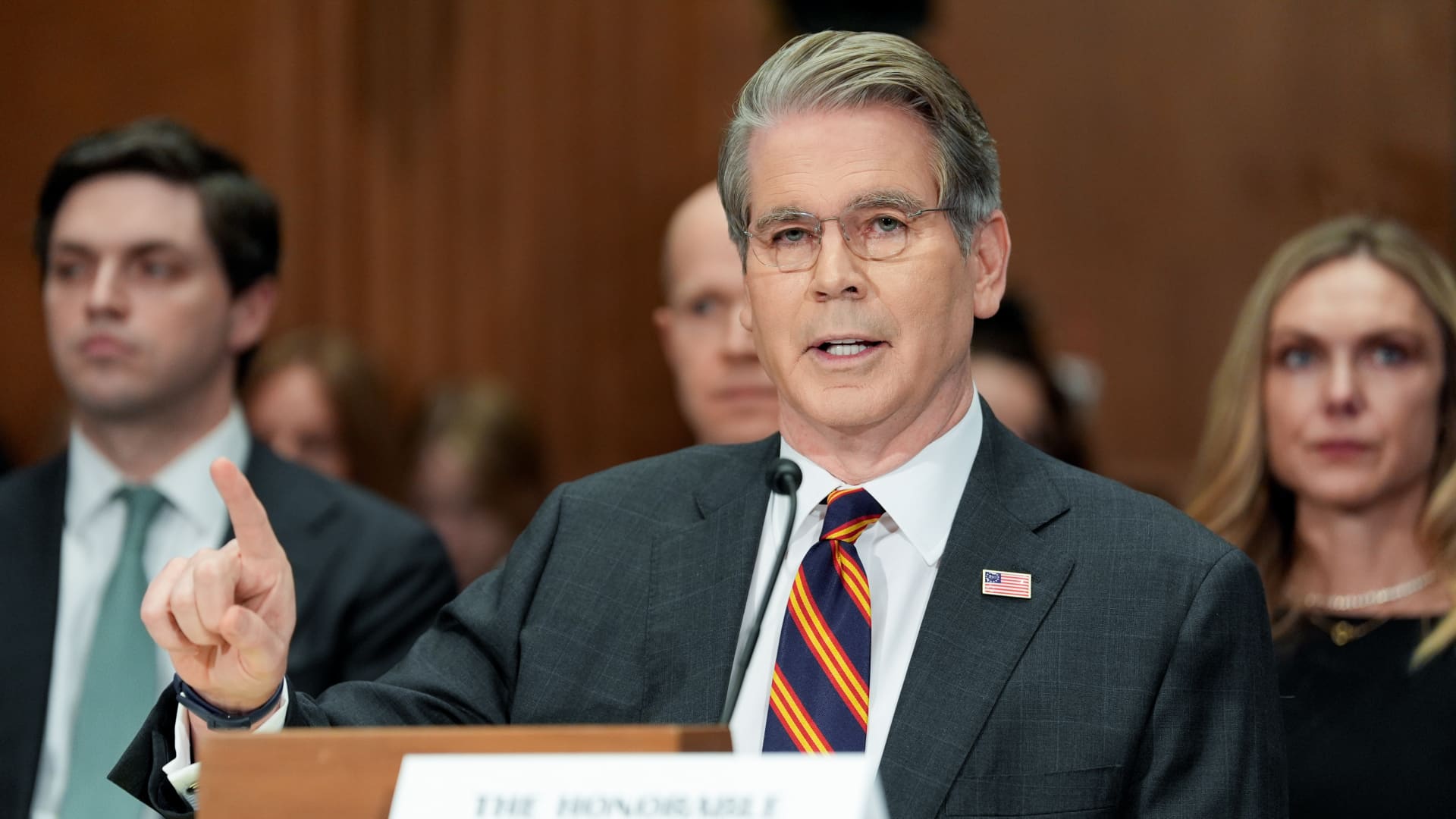
- Trade Investigations Launched: The U.S. initiated new trade investigations into 60 economies on Thursday to assess whether they have failed to curb imports of goods made with forced labor, a move that could impact trade relations with countries like China and the EU.
- Legal Basis: These investigations are conducted under Section 301(b) of the Trade Act of 1974, allowing the U.S. to impose tariffs on countries found engaging in unfair trade practices without congressional authorization, reflecting a tough stance in U.S. trade policy.
- International Response: The U.S. Trade Representative stated that despite international consensus against forced labor, governments have inadequately enforced bans on such goods, which could negatively affect U.S. workers and businesses.
- Impact on Future Negotiations: Launching these investigations just before the upcoming Trump-Xi meeting may affect the negotiation atmosphere, with experts suggesting that unilateral measures could hinder consensus, emphasizing the need for cooperative solutions.
See More
Betterware de Mexico Declares $0.3063 Quarterly Dividend
- Quarterly Dividend Announcement: Betterware de Mexico has declared a quarterly dividend of $0.3063 per share, payable on May 21, indicating the company's ongoing cash flow strength and profitability.
- Dividend Yield: The forward yield of 7.15% not only attracts income-seeking investors but also reflects the company's commitment to shareholder returns, enhancing its market appeal.
- Record Date for Shareholders: The record date for the dividend is set for May 12, with the ex-dividend date also on May 12, ensuring eligible shareholders receive their payouts promptly, which boosts investor confidence.
- Executive Appointment: The company appointed Raúl del Villar as CFO, whose extensive financial management experience is expected to further strengthen the company's financial stability and strategic growth initiatives.
See More
Betterware (BWMX) Q1 2026 Earnings Transcript
See More
Betterware Appoints New CFO to Enhance Financial Leadership
- Executive Appointment: Betterware de México has appointed Raúl del Villar as CFO, bringing over 30 years of senior finance experience, which is expected to strengthen the company's financial leadership through his expertise in multinational consumer companies like Grupo Axo and Adidas.
- Growth Strategy Support: The appointment of Raúl del Villar aims to bolster Betterware's growth strategy and long-term plans, as his background in multinational consumer firms is anticipated to provide valuable financial insights and strategic guidance for the company.
- Stock Performance: BWMX stock closed at $17.47, up 3.25% in regular trading, reflecting a positive market reaction to the new CFO's appointment, although it remained flat in after-hours trading.
- Dividend Announcement: Betterware de México declared a dividend of $0.3103 per share, further enhancing investor confidence in the company's financial health.
See More
Betterware Appoints New CFO to Drive Growth
- Executive Appointment: Betterware de México has appointed Raúl del Villar as Chief Financial Officer, leveraging over three decades of financial experience in multinational consumer companies to support the company's global expansion efforts.
- Financial Leadership: During his tenure as Vice President and Corporate CFO at Grupo Axo, del Villar led public and international debt issuances and enhanced financial reporting standards to meet global exchange requirements, thereby improving the company's financial transparency.
- Strategic Planning Expertise: As CFO at Adidas Group Mexico, del Villar oversaw strategic planning and financial operations, driving disciplined growth in complex operating environments, showcasing his deep financial expertise across multi-market organizations.
- Growth Potential: Del Villar noted that Betterware has significant growth potential, and he looks forward to strengthening financial discipline to support the company's continued expansion, further solidifying its leadership position in the beauty and household markets in Mexico and the U.S.
See More
Trump Supports Russian Tanker Delivering Oil to Cuba Amid Energy Crisis
- Escalating Energy Crisis: Cuba is facing its most significant energy crisis since the collapse of the Soviet Union, as U.S. military actions against Venezuela have effectively cut off oil supplies since January, leading to severe power shortages across the island.
- Russian Tanker Relief: The Russian-flagged tanker Anatoly Kolodkin is expected to arrive in Cuba on Monday carrying approximately 730,000 barrels of crude oil, which is seen as a lifeline that could alleviate the ongoing fuel shortage.
- Trump's Shift in Stance: President Trump stated aboard Air Force One that he has no issue with Russia sending oil to Cuba, indicating a potential reversal of his administration's oil blockade policy, which could have implications for future diplomatic relations.
- Cuban Government's Response: President Miguel Díaz-Canel noted that Cuba has not received oil shipments in over three months and is actively seeking to increase solar power generation to address the ongoing fuel shortage, highlighting the urgency of the country's energy transition efforts.
See More
US Launches Trade Investigations into 60 Economies for Forced Labor
- Trade Investigations Launched: The U.S. initiated new trade investigations into 60 economies on Thursday to assess whether they have failed to curb imports of goods made with forced labor, a move that could impact trade relations with countries like China and the EU.
- Legal Basis: These investigations are conducted under Section 301(b) of the Trade Act of 1974, allowing the U.S. to impose tariffs on countries found engaging in unfair trade practices without congressional authorization, reflecting a tough stance in U.S. trade policy.
- International Response: The U.S. Trade Representative stated that despite international consensus against forced labor, governments have inadequately enforced bans on such goods, which could negatively affect U.S. workers and businesses.
- Impact on Future Negotiations: Launching these investigations just before the upcoming Trump-Xi meeting may affect the negotiation atmosphere, with experts suggesting that unilateral measures could hinder consensus, emphasizing the need for cooperative solutions.
See More