Benzinga Market Update: Carnival, Caterpillar, Meta Among Stocks as Markets See Slight Increases


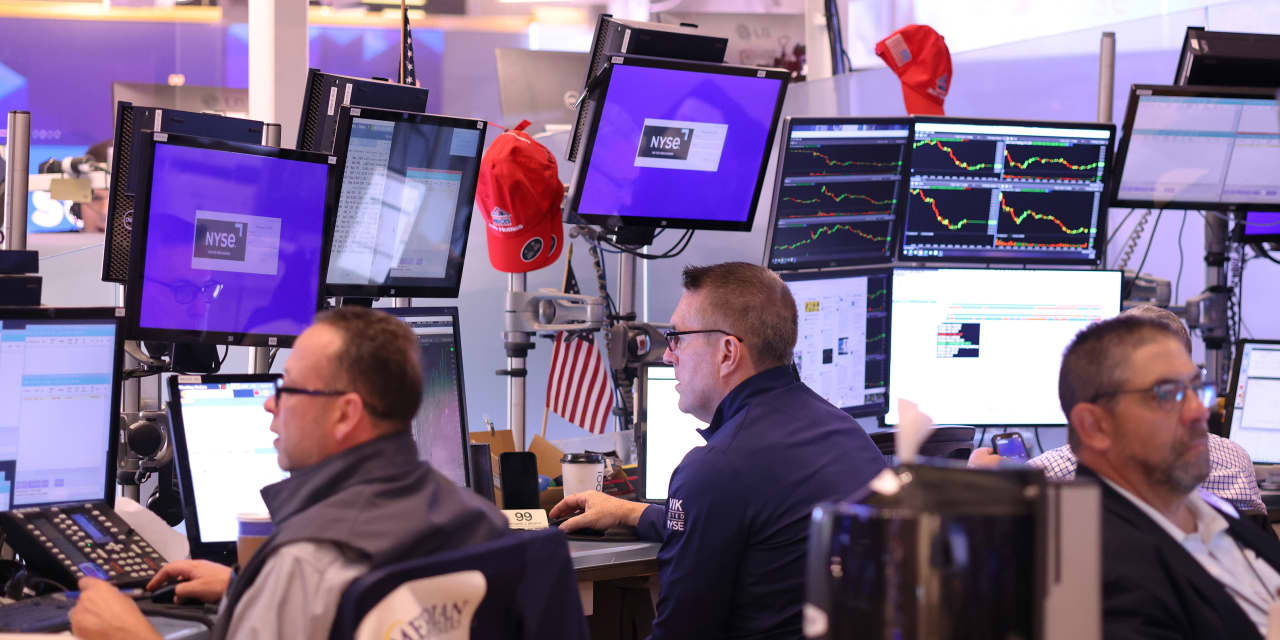
Market Performance: The stock market experienced moderate gains due to softer inflation data and stable unemployment, with the Dow Jones and S&P 500 rising, while the Nasdaq rebounded, indicating investor confidence in a potential rate cut by the Federal Reserve in 2026.
Earnings Highlights: Micron Technology exceeded expectations and raised its guidance, boosting AI-related semiconductor stocks, while Nike's cautious outlook on global demand, especially in China, led to a decline in its shares.
Sector Resilience: Transportation and travel sectors showed strength, with FedEx reporting solid quarterly results and Carnival Corporation reinstating its dividend and forecasting strong demand for 2026, despite ongoing macroeconomic uncertainties.
Investor Sentiment: Reports indicated a shift in focus from hype around AI to companies demonstrating clear profitability, with notable bearish sentiments surrounding stocks like Meta and Novo Nordisk, which faced challenges in their respective markets.
Trade with 70% Backtested Accuracy
Analyst Views on META

About META
About the author


Meta Plans $145 Billion Capital Expenditure for 2026

- Surge in Capital Expenditure: Meta's projected capital expenditures for 2026 are set to reach between $125 billion and $145 billion, nearly double the $72 billion from 2025, indicating a significant commitment to AI infrastructure despite market jitters about future performance.
- Reliance on Ad Revenue: In Q1 2025, Meta reported $55 billion in ad sales, accounting for 98% of total revenue, with ad impressions increasing by 19% year-over-year and average ad prices rising by 12%, highlighting strong performance in advertising but increasing dependence on future growth.
- AI Strategy Priority: CEO Mark Zuckerberg emphasized during the Q1 2025 earnings call that Meta aims to leverage AI to enhance advertising capabilities, with the goal of making advertising a larger share of global GDP, making the success of this strategy critical for long-term revenue growth.
- Negative Market Reaction: Despite the impressive investment in AI, Meta's stock has declined by 15% in 2026, reflecting investor concerns about financial performance, and it remains to be seen whether the capital expenditures will yield satisfactory returns over time.
AMD's AI Event Could Boost Stock Price

- Stock Price Upside: AMD's shares have surged 131% in the first half of 2026, and despite a recent 5% drop due to semiconductor sell-offs, the upcoming AI event could reignite investor confidence.
- Helios Platform Demand: At the July 22-23 event, AMD is expected to announce significant customer wins for its Helios server solutions, with Meta set to deploy the platform in the second half of 2026, indicating strong market demand.
- Significant Technical Advantage: The Helios system features 432GB of high-bandwidth memory, surpassing Nvidia's 288GB, positioning AMD favorably in AI infrastructure and potentially attracting more hyperscaler customers.
- Future Growth Expectations: AMD's earnings per share are projected to jump 77% to $7.39 in 2023, and if it reaches $18.30 by 2028, the stock could see a 41% increase, highlighting strong long-term growth potential.

Meta Plans Cloud Business to Sell AI Computing Capacity
- Cloud Business Initiative: Meta is establishing a cloud business to sell excess AI computing capacity, a move that could help the company monetize its substantial AI and data center expenditures, thereby positioning itself in the cloud infrastructure market.
- Capital Expenditure Revision: Meta reported capital expenditures of $19.84 billion in Q1 and raised its 2026 capital expenditure outlook to between $125 billion and $145 billion, reflecting confidence in future infrastructure investments while raising concerns about profitability.
- Advertising Revenue Dependence: While the cloud business could provide new revenue streams, advertising still accounted for nearly all of Meta's Q1 revenue at $56.31 billion, leading investors to question the profitability and competitive viability of the cloud initiative.
- Competitive Market Pressure: Meta's cloud business plan may put it in competition with AI cloud providers like CoreWeave and Nebius, which could introduce new revenue streams but also expose Meta to lower margins, potentially impacting its overall profitability.
AMD Shares Surge 131% in 2026, Positive Outlook Ahead
- Stock Performance: AMD's shares have surged by 131% in the first half of 2026, although they have recently dropped nearly 5% due to a sell-off in semiconductor stocks, indicating strong market confidence in its future growth despite short-term volatility.
- AI Event Announcement: AMD is set to hold its 'Advancing AI' event on July 22-23, where it is expected to unveil new AI platforms and customer deployment details, which could further boost investor confidence, especially after last year's event showcased the Helios server architecture.
- Strong Customer Demand: The Helios platform has been adopted by Meta, which plans to deploy it in the second half of 2026, and AMD's management noted strong customer demand during the May earnings call, suggesting potential to attract more hyperscaler clients.
- Earnings Expectations: AMD's earnings per share are projected to jump by 77% to $7.39 this year, and if it reaches $18.30 by 2028, trading at 40 times earnings could push its stock price to $732, representing a potential 41% increase, highlighting its long-term growth potential.

Analysis of FEPI's Yield Model and Risk Assessment

- Yield Generation Explained: FEPI generates weekly cash distributions of approximately $0.21 by writing short-dated call options on about 15 constituents of the FANG Innovation Index, which translates to an annualized yield of around 25%; however, lower volatility has already diminished weekly payouts from 2024 levels.
- Performance Comparison: Over the past year, FEPI has returned 18%, significantly lagging behind QQQ's 29%, indicating that it has surrendered roughly half of the gains from the tech rally, highlighting the fragility of its yield model.
- Risk Factor Analysis: The sustainability of FEPI's distributions is influenced by both implied volatility and the direction of the underlying assets, with the current VIX near 17, below the 12-month average, suggesting reduced option premiums and potential further declines in future distributions.
- Investor Positioning: While FEPI's distributions are relatively safe, the risk to payout levels and net asset value is significant, making it suitable for investors seeking income who can accept capped upside, whereas directly holding stocks like NVIDIA offers more attractive returns.

CoreWeave Stock Fluctuation Analysis Post-IPO


- IPO Performance: CoreWeave went public at $40 per share on March 28, 2025, reaching a peak of $183.58 by June 20, but has since pulled back to around $82, indicating market caution regarding its future growth prospects.
- Revenue Surge: CoreWeave's revenue skyrocketed from $16 million in 2022 to $5.1 billion in 2025, with projections suggesting annual revenue could hit $40.3 billion by 2028, reflecting a staggering CAGR of 99% in the AI infrastructure sector.
- Debt Concerns: Despite impressive revenue growth, CoreWeave's net loss widened from $31 million in 2022 to $1.2 billion in 2025, with expectations of nearing $2.2 billion by 2028, while total liabilities reached $50.8 billion, resulting in a high debt-to-equity ratio of 10.8, raising financial risk.
- Market Competition: CoreWeave faces intensified market pressure from other neocloud providers and Meta, which has begun selling excess cloud computing capacity, leading to investor concerns about its expansion capabilities despite potential in customer retention and economies of scale.
Meta Plans $145 Billion Capital Expenditure for 2026
- Surge in Capital Expenditure: Meta's projected capital expenditures for 2026 are set to reach between $125 billion and $145 billion, nearly double the $72 billion from 2025, indicating a significant commitment to AI infrastructure despite market jitters about future performance.
- Reliance on Ad Revenue: In Q1 2025, Meta reported $55 billion in ad sales, accounting for 98% of total revenue, with ad impressions increasing by 19% year-over-year and average ad prices rising by 12%, highlighting strong performance in advertising but increasing dependence on future growth.
- AI Strategy Priority: CEO Mark Zuckerberg emphasized during the Q1 2025 earnings call that Meta aims to leverage AI to enhance advertising capabilities, with the goal of making advertising a larger share of global GDP, making the success of this strategy critical for long-term revenue growth.
- Negative Market Reaction: Despite the impressive investment in AI, Meta's stock has declined by 15% in 2026, reflecting investor concerns about financial performance, and it remains to be seen whether the capital expenditures will yield satisfactory returns over time.
AMD's AI Event Could Boost Stock Price
- Stock Price Upside: AMD's shares have surged 131% in the first half of 2026, and despite a recent 5% drop due to semiconductor sell-offs, the upcoming AI event could reignite investor confidence.
- Helios Platform Demand: At the July 22-23 event, AMD is expected to announce significant customer wins for its Helios server solutions, with Meta set to deploy the platform in the second half of 2026, indicating strong market demand.
- Significant Technical Advantage: The Helios system features 432GB of high-bandwidth memory, surpassing Nvidia's 288GB, positioning AMD favorably in AI infrastructure and potentially attracting more hyperscaler customers.
- Future Growth Expectations: AMD's earnings per share are projected to jump 77% to $7.39 in 2023, and if it reaches $18.30 by 2028, the stock could see a 41% increase, highlighting strong long-term growth potential.
Meta Plans Cloud Business to Sell AI Computing Capacity
- Cloud Business Initiative: Meta is establishing a cloud business to sell excess AI computing capacity, a move that could help the company monetize its substantial AI and data center expenditures, thereby positioning itself in the cloud infrastructure market.
- Capital Expenditure Revision: Meta reported capital expenditures of $19.84 billion in Q1 and raised its 2026 capital expenditure outlook to between $125 billion and $145 billion, reflecting confidence in future infrastructure investments while raising concerns about profitability.
- Advertising Revenue Dependence: While the cloud business could provide new revenue streams, advertising still accounted for nearly all of Meta's Q1 revenue at $56.31 billion, leading investors to question the profitability and competitive viability of the cloud initiative.
- Competitive Market Pressure: Meta's cloud business plan may put it in competition with AI cloud providers like CoreWeave and Nebius, which could introduce new revenue streams but also expose Meta to lower margins, potentially impacting its overall profitability.
AMD Shares Surge 131% in 2026, Positive Outlook Ahead
- Stock Performance: AMD's shares have surged by 131% in the first half of 2026, although they have recently dropped nearly 5% due to a sell-off in semiconductor stocks, indicating strong market confidence in its future growth despite short-term volatility.
- AI Event Announcement: AMD is set to hold its 'Advancing AI' event on July 22-23, where it is expected to unveil new AI platforms and customer deployment details, which could further boost investor confidence, especially after last year's event showcased the Helios server architecture.
- Strong Customer Demand: The Helios platform has been adopted by Meta, which plans to deploy it in the second half of 2026, and AMD's management noted strong customer demand during the May earnings call, suggesting potential to attract more hyperscaler clients.
- Earnings Expectations: AMD's earnings per share are projected to jump by 77% to $7.39 this year, and if it reaches $18.30 by 2028, trading at 40 times earnings could push its stock price to $732, representing a potential 41% increase, highlighting its long-term growth potential.
Analysis of FEPI's Yield Model and Risk Assessment
- Yield Generation Explained: FEPI generates weekly cash distributions of approximately $0.21 by writing short-dated call options on about 15 constituents of the FANG Innovation Index, which translates to an annualized yield of around 25%; however, lower volatility has already diminished weekly payouts from 2024 levels.
- Performance Comparison: Over the past year, FEPI has returned 18%, significantly lagging behind QQQ's 29%, indicating that it has surrendered roughly half of the gains from the tech rally, highlighting the fragility of its yield model.
- Risk Factor Analysis: The sustainability of FEPI's distributions is influenced by both implied volatility and the direction of the underlying assets, with the current VIX near 17, below the 12-month average, suggesting reduced option premiums and potential further declines in future distributions.
- Investor Positioning: While FEPI's distributions are relatively safe, the risk to payout levels and net asset value is significant, making it suitable for investors seeking income who can accept capped upside, whereas directly holding stocks like NVIDIA offers more attractive returns.
CoreWeave Stock Fluctuation Analysis Post-IPO
- IPO Performance: CoreWeave went public at $40 per share on March 28, 2025, reaching a peak of $183.58 by June 20, but has since pulled back to around $82, indicating market caution regarding its future growth prospects.
- Revenue Surge: CoreWeave's revenue skyrocketed from $16 million in 2022 to $5.1 billion in 2025, with projections suggesting annual revenue could hit $40.3 billion by 2028, reflecting a staggering CAGR of 99% in the AI infrastructure sector.
- Debt Concerns: Despite impressive revenue growth, CoreWeave's net loss widened from $31 million in 2022 to $1.2 billion in 2025, with expectations of nearing $2.2 billion by 2028, while total liabilities reached $50.8 billion, resulting in a high debt-to-equity ratio of 10.8, raising financial risk.
- Market Competition: CoreWeave faces intensified market pressure from other neocloud providers and Meta, which has begun selling excess cloud computing capacity, leading to investor concerns about its expansion capabilities despite potential in customer retention and economies of scale.