Baupost Group's Investment Moves in Q4
Written by Emily J. Thompson, Senior Investment Analyst
Updated: Feb 18 2026
0mins


Source: Benzinga
- New Investment Position: Baupost Group established a new stake in Amazon during Q4, making it the fund's second-largest holding at 9.3% of assets, reflecting confidence in the e-commerce and cloud giant despite differing views from Buffett.
- Portfolio Adjustments: The fund completely exited its position in PagSeguro Digital in Q4, indicating a strategic portfolio adjustment likely based on market performance and future expectations.
- Top Holdings: As of December 31, Restaurant Brands International remains Baupost's largest holding, indicating sustained confidence in the restaurant sector, and it was also the top holding in Q3, showcasing stability.
- Market Performance Comparison: Amazon was the worst-performing stock among the Magnificent Seven in 2025, and Baupost's investment decision may be based on optimism regarding its cloud segment growth, which will test the effectiveness of Klarman's strategy against Buffett's reduction in exposure.
Trade with 70% Backtested Accuracy
Stop guessing "Should I Buy AMZN?" and start using high-conviction signals backed by rigorous historical data.
Sign up today to access powerful investing tools and make smarter, data-driven decisions.
Analyst Views on AMZN
Wall Street analysts forecast AMZN stock price to rise
44 Analyst Rating
41 Buy
3 Hold
0 Sell
Strong Buy
Current: 237.500

Low
175.00
Averages
280.01
High
325.00
Current: 237.500
Low
175.00
Averages
280.01
High
325.00
About AMZN
Amazon.com, Inc. provides a range of products and services to customers. The products offered through its stores include merchandise and content it has purchased for resale and products offered by third-party sellers. The Company’s segments include North America, International and Amazon Web Services (AWS). It serves consumers through its online and physical stores and focuses on selection, price, and convenience. Customers access its offerings through its websites, mobile apps, Alexa, devices, streaming, and physically visiting its stores. It also manufactures and sells electronic devices, including Kindle, Fire tablet, Fire TV, Echo, Ring, Blink, and eero, and develops and produces media content. It serves developers and enterprises of all sizes, including start-ups, government agencies, and academic institutions, through AWS, which offers a set of on-demand technology services, including compute, storage, database, analytics, and machine learning, and other services.
About the author

Emily J. Thompson
Emily J. Thompson, a Chartered Financial Analyst (CFA) with 12 years in investment research, graduated with honors from the Wharton School. Specializing in industrial and technology stocks, she provides in-depth analysis for Intellectia’s earnings and market brief reports.
Amazon's AWS Business Grows 28%, Fastest in 15 Quarters

- AWS Growth Surge: Amazon's AWS cloud business achieved a 28% year-over-year growth in Q1, reaching $37.6 billion, marking its fastest pace in 15 quarters, which underscores its strong competitive position in the cloud market and is expected to drive further revenue growth.
- Custom Chip Revenue: Amazon's custom chips now generate over $20 billion in annual revenue, up nearly 40% from the previous quarter, enhancing its cost control in cloud services and laying a foundation for future profit growth.
- Capital Expenditure Plans: Amazon plans to invest approximately $200 billion in capital expenditures by 2026, which will pressure short-term free cash flow; however, the company believes this investment is essential for long-term growth, particularly in AWS and AI.
- Optimistic Market Outlook: Despite facing market volatility and rising costs, Amazon's cloud platform remains the largest globally, with a backlog of $364 billion, indicating strong market demand and significant growth potential ahead.
See More

Amazon Launches Next-Gen Cloud Instances with Enhanced Performance
- Performance Boost: Amazon announced the general availability of its AWS Graviton5-powered M9g and M9gd instances, which deliver up to 25% better compute performance than the previous generation, significantly enhancing the competitiveness of its cloud services.
- AI Optimization: The new instances are designed for the demands of agentic AI, featuring 192 cores and a 5x larger L3 cache, supporting DDR5-8800 memory and PCIe Gen 6, enabling acceleration of machine learning inference and database performance by up to 30%.
- Architectural Efficiency: Built on 3nm technology, the new architecture achieves a 33% reduction in inter-core latency and increases network and storage bandwidth, ensuring high performance and energy efficiency under heavy workloads.
- Enhanced Security: The introduction of the Nitro Isolation Engine through the sixth-generation AWS Nitro System employs formal verification and mathematical proofs to ensure strict isolation between virtual machines, protecting customer data from unauthorized access and further solidifying AWS's position in sensitive sectors like government and finance.
See More
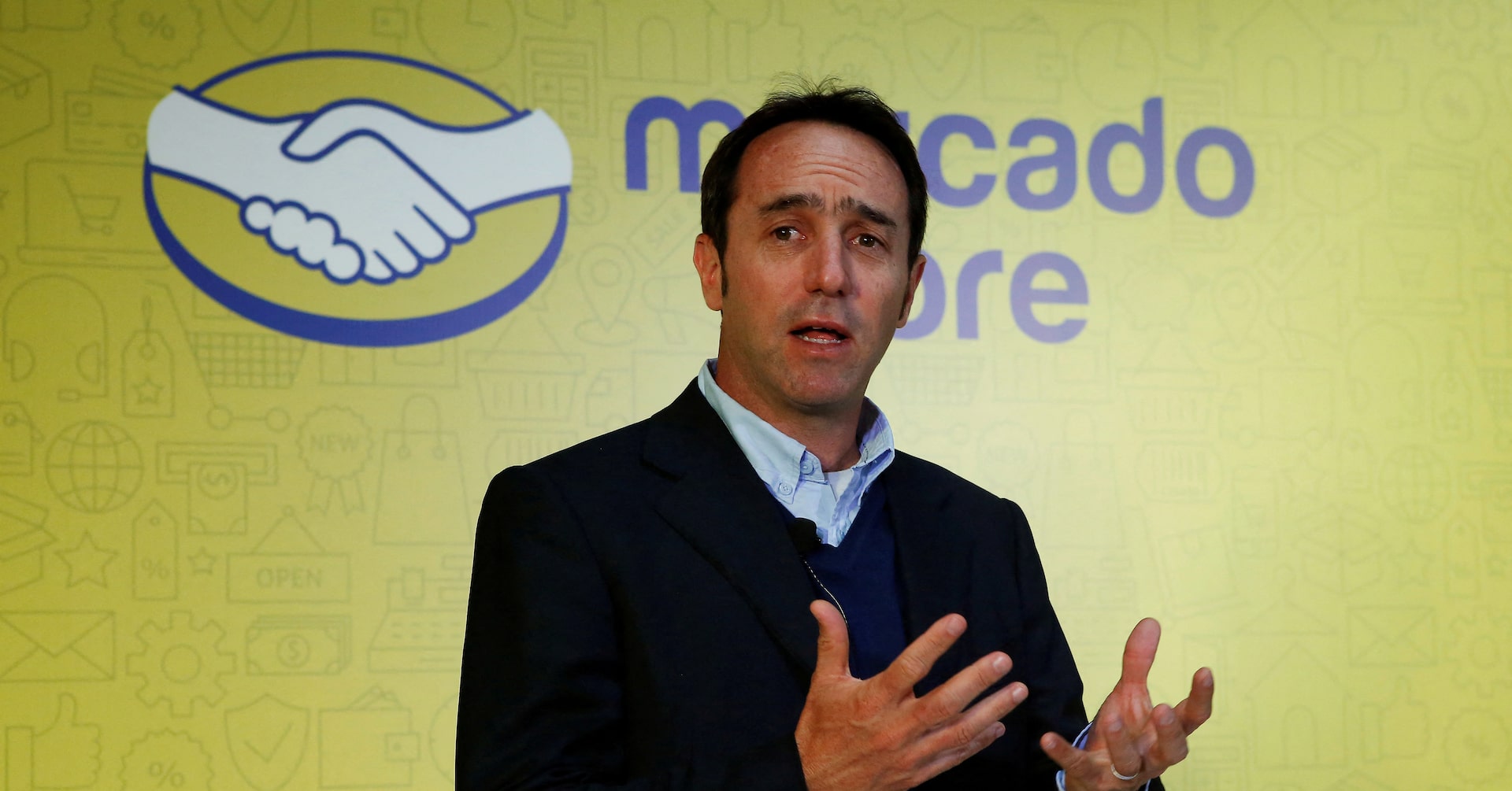
Investment Opportunity Analysis for MercadoLibre Stock

- Increased Market Competition: MercadoLibre faces rising competition from global e-commerce giants like Amazon and Sea Limited; nevertheless, the company is working to turn current business challenges into competitive advantages, maintaining its leadership in the Latin American market.
- Revenue Growth vs. Profit Pressure: Despite a 49% revenue growth to $417 million in Q1 2026, net income fell 16% year-over-year due to over $1.24 billion in bad loan expenses, highlighting profitability pressures as the company expands its fintech operations.
- AI Technology Implementation: To address rising doubtful accounts, MercadoLibre has begun using AI to assist borrowers in making better financial decisions and has expanded loan terms to ease repayment, a strategy that could enhance its market position in fintech.
- Attractive Valuation: Although MercadoLibre's P/E ratio stands at 43, which may seem high, considering Amazon's early P/E ratios often exceeded 50, investors might reassess MercadoLibre's current valuation and recognize its long-term investment potential.
See More
MercadoLibre Faces Margin Pressures Amid Competition
- E-commerce Margin Decline: MercadoLibre's e-commerce margins are under pressure, leading to stock declines, with a P/E ratio of 43 that remains lower than Amazon's early growth years at over 50, indicating market caution regarding future growth prospects.
- Increased Loan Losses: The company has incurred over $1.24 billion in bad loan expenses from its rapidly expanding lending business, doubling from last year, and despite a 49% revenue growth, net income fell by 16%, reflecting concerns about financial health.
- Intensifying Competition: With global e-commerce giants like Amazon and Sea Limited entering the Latin American market, MercadoLibre faces increasing competition; however, compressed margins may force smaller players out, potentially enhancing its market share in the long run.
- AI Technology Utilization: To address rising doubtful accounts, MercadoLibre is leveraging AI to assist borrowers in making better financial decisions and has expanded loan terms; if successful in managing non-performing loans, this could bolster its position in the fintech sector.
See More

Fox Acquires Roku at $160 Per Share, Reshaping Streaming Landscape

- Acquisition Overview: Fox is acquiring Roku at $160 per share, structured as $96 in cash plus 0.9693 shares of Fox Class A stock, with a targeted close in the first half of 2027, allowing Fox shareholders to own 73% of the combined entity, thereby enhancing its control in the streaming market.
- Market Share Impact: Roku's software powers approximately 44-45% of streaming time in the US, and this acquisition significantly strengthens Fox's competitive position in the streaming sector, particularly against rivals like Netflix, increasing its bargaining power.
- Cost Synergy Expectations: Fox anticipates achieving around $400 million in run-rate cost synergies by the second full year post-closing, which will not only enhance the company's free cash flow but also provide funding for future investments, thereby improving overall financial health.
- Strategic Transformation Significance: Analyst Rich Greenfield emphasizes that Fox's move represents a significant strategic pivot in legacy media, avoiding the high risks of competing directly with peers and instead securing future growth potential by acquiring the streaming 'toll booth', potentially reshaping the competitive landscape of the media industry.
See More

FedEx Set to Report Earnings Amid Market Changes


- Earnings Complexity: FedEx is set to report its fiscal 2026 Q4 earnings on Tuesday, covering the March-to-May period, with the complexity arising from the spin-off of FedEx Freight, which complicates direct financial comparisons and may impact market expectations for the company’s future.
- Profitability Expectations: Analysts forecast FedEx to report revenues of $24.04 billion and earnings per share of $5.96, although the combination of the fiscal year calendar change and the spin-off may lead to mixed market reactions, necessitating a focus on profitability metrics.
- Freight Business Outlook: FedEx Freight is expected to achieve modest revenue growth post-spin-off, despite facing pressure on adjusted operating margins due to spin-off-related costs such as technology investments, with the market keenly awaiting insights during Thursday's investor day.
- Inflation Data Impact: The personal consumption expenditures price index (PCE) will be released on Thursday, and while the May consumer price index (CPI) hit a three-year high of 4.2%, the recent drop in oil prices may alleviate future inflation pressures, influencing the Fed's rate hike outlook.
See More
Amazon's AWS Business Grows 28%, Fastest in 15 Quarters
- AWS Growth Surge: Amazon's AWS cloud business achieved a 28% year-over-year growth in Q1, reaching $37.6 billion, marking its fastest pace in 15 quarters, which underscores its strong competitive position in the cloud market and is expected to drive further revenue growth.
- Custom Chip Revenue: Amazon's custom chips now generate over $20 billion in annual revenue, up nearly 40% from the previous quarter, enhancing its cost control in cloud services and laying a foundation for future profit growth.
- Capital Expenditure Plans: Amazon plans to invest approximately $200 billion in capital expenditures by 2026, which will pressure short-term free cash flow; however, the company believes this investment is essential for long-term growth, particularly in AWS and AI.
- Optimistic Market Outlook: Despite facing market volatility and rising costs, Amazon's cloud platform remains the largest globally, with a backlog of $364 billion, indicating strong market demand and significant growth potential ahead.
See More
Amazon Launches Next-Gen Cloud Instances with Enhanced Performance
- Performance Boost: Amazon announced the general availability of its AWS Graviton5-powered M9g and M9gd instances, which deliver up to 25% better compute performance than the previous generation, significantly enhancing the competitiveness of its cloud services.
- AI Optimization: The new instances are designed for the demands of agentic AI, featuring 192 cores and a 5x larger L3 cache, supporting DDR5-8800 memory and PCIe Gen 6, enabling acceleration of machine learning inference and database performance by up to 30%.
- Architectural Efficiency: Built on 3nm technology, the new architecture achieves a 33% reduction in inter-core latency and increases network and storage bandwidth, ensuring high performance and energy efficiency under heavy workloads.
- Enhanced Security: The introduction of the Nitro Isolation Engine through the sixth-generation AWS Nitro System employs formal verification and mathematical proofs to ensure strict isolation between virtual machines, protecting customer data from unauthorized access and further solidifying AWS's position in sensitive sectors like government and finance.
See More
Investment Opportunity Analysis for MercadoLibre Stock
- Increased Market Competition: MercadoLibre faces rising competition from global e-commerce giants like Amazon and Sea Limited; nevertheless, the company is working to turn current business challenges into competitive advantages, maintaining its leadership in the Latin American market.
- Revenue Growth vs. Profit Pressure: Despite a 49% revenue growth to $417 million in Q1 2026, net income fell 16% year-over-year due to over $1.24 billion in bad loan expenses, highlighting profitability pressures as the company expands its fintech operations.
- AI Technology Implementation: To address rising doubtful accounts, MercadoLibre has begun using AI to assist borrowers in making better financial decisions and has expanded loan terms to ease repayment, a strategy that could enhance its market position in fintech.
- Attractive Valuation: Although MercadoLibre's P/E ratio stands at 43, which may seem high, considering Amazon's early P/E ratios often exceeded 50, investors might reassess MercadoLibre's current valuation and recognize its long-term investment potential.
See More
MercadoLibre Faces Margin Pressures Amid Competition
- E-commerce Margin Decline: MercadoLibre's e-commerce margins are under pressure, leading to stock declines, with a P/E ratio of 43 that remains lower than Amazon's early growth years at over 50, indicating market caution regarding future growth prospects.
- Increased Loan Losses: The company has incurred over $1.24 billion in bad loan expenses from its rapidly expanding lending business, doubling from last year, and despite a 49% revenue growth, net income fell by 16%, reflecting concerns about financial health.
- Intensifying Competition: With global e-commerce giants like Amazon and Sea Limited entering the Latin American market, MercadoLibre faces increasing competition; however, compressed margins may force smaller players out, potentially enhancing its market share in the long run.
- AI Technology Utilization: To address rising doubtful accounts, MercadoLibre is leveraging AI to assist borrowers in making better financial decisions and has expanded loan terms; if successful in managing non-performing loans, this could bolster its position in the fintech sector.
See More
Fox Acquires Roku at $160 Per Share, Reshaping Streaming Landscape
- Acquisition Overview: Fox is acquiring Roku at $160 per share, structured as $96 in cash plus 0.9693 shares of Fox Class A stock, with a targeted close in the first half of 2027, allowing Fox shareholders to own 73% of the combined entity, thereby enhancing its control in the streaming market.
- Market Share Impact: Roku's software powers approximately 44-45% of streaming time in the US, and this acquisition significantly strengthens Fox's competitive position in the streaming sector, particularly against rivals like Netflix, increasing its bargaining power.
- Cost Synergy Expectations: Fox anticipates achieving around $400 million in run-rate cost synergies by the second full year post-closing, which will not only enhance the company's free cash flow but also provide funding for future investments, thereby improving overall financial health.
- Strategic Transformation Significance: Analyst Rich Greenfield emphasizes that Fox's move represents a significant strategic pivot in legacy media, avoiding the high risks of competing directly with peers and instead securing future growth potential by acquiring the streaming 'toll booth', potentially reshaping the competitive landscape of the media industry.
See More
FedEx Set to Report Earnings Amid Market Changes
- Earnings Complexity: FedEx is set to report its fiscal 2026 Q4 earnings on Tuesday, covering the March-to-May period, with the complexity arising from the spin-off of FedEx Freight, which complicates direct financial comparisons and may impact market expectations for the company’s future.
- Profitability Expectations: Analysts forecast FedEx to report revenues of $24.04 billion and earnings per share of $5.96, although the combination of the fiscal year calendar change and the spin-off may lead to mixed market reactions, necessitating a focus on profitability metrics.
- Freight Business Outlook: FedEx Freight is expected to achieve modest revenue growth post-spin-off, despite facing pressure on adjusted operating margins due to spin-off-related costs such as technology investments, with the market keenly awaiting insights during Thursday's investor day.
- Inflation Data Impact: The personal consumption expenditures price index (PCE) will be released on Thursday, and while the May consumer price index (CPI) hit a three-year high of 4.2%, the recent drop in oil prices may alleviate future inflation pressures, influencing the Fed's rate hike outlook.
See More