Assessing the Stability of the Iran Cease-Fire and Investment Options if It Fails
U.S. Stock Market Reaction: U.S. stocks experienced a surge following the announcement of a two-week cease-fire agreement between the U.S. and Iran.
Geopolitical Concerns: Analysts are closely monitoring developments in the Middle East and Washington, D.C., as there are concerns that the cease-fire may be unstable and could collapse.
Trade with 70% Backtested Accuracy
Analyst Views on EWT
About the author


Assessing the Stability of the Iran Cease-Fire and Investment Options if It Fails


U.S. Stock Market Reaction: U.S. stocks experienced a surge following the announcement of a two-week cease-fire agreement between the U.S. and Iran.
Geopolitical Concerns: Analysts are closely monitoring developments in the Middle East and Washington, D.C., as there are concerns that the cease-fire may be unstable and could collapse.

The Iran Conflict Highlights Taiwan Risks: Implications for Your Investment Portfolio.


- Geopolitical Risks: The ongoing war in Iran and the blockage of the Strait of Hormuz highlight significant geopolitical risks affecting global markets.
- Impact on Tech Investments: Investors in tech-heavy portfolios, particularly those focused on artificial intelligence, should be wary of the potential risks associated with Taiwan's geopolitical situation.
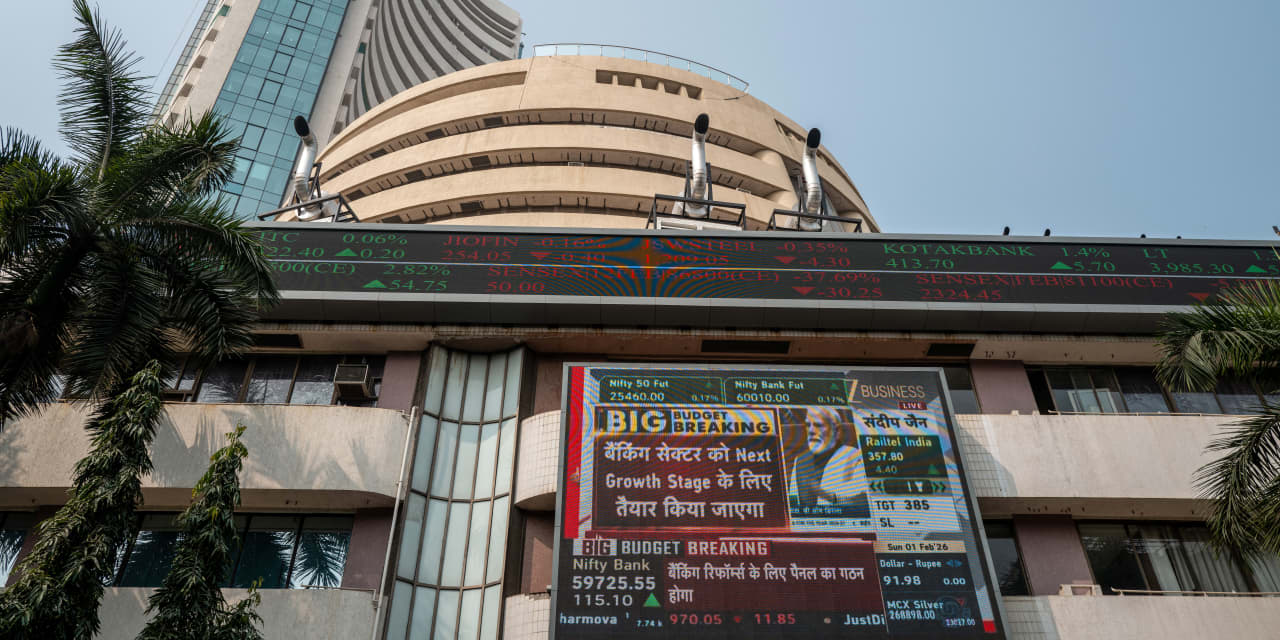
India and Brazil: The Anti-AI Trade Markets Poised for Growth.


- Impact on U.S. Stocks: Rising fears over artificial intelligence have negatively affected U.S. stock markets this week.
- Emerging Markets Response: Concerns about AI have also influenced emerging markets that have benefited from U.S. corporate spending on AI.
- Potential Hedge: Certain segments of emerging markets may provide a hedge against the overall market weakness caused by AI fears.
- Broader Market Implications: The situation highlights the interconnectedness of U.S. corporate spending and global market dynamics in the context of AI developments.

Boeing and Other Defense Stocks Affected by China Sanctions

- Boeing Sanctions: Boeing is one of the U.S. defense companies that faced sanctions imposed by China.
- Response to U.S. Actions: The sanctions are a reaction to the Trump administration's decision to sell weapons to Taiwan.

Taiwan Reveals $40 Billion Defense Budget for U.S. Arms and T-Dome in Response to China Threat

Taiwan's Defense Budget Announcement: Taiwan's President Lai Ching-te has proposed a $40 billion defense budget over the next eight years to enhance military capabilities in response to U.S. pressure and China's military threats.
Focus on Asymmetrical Defense: The budget will fund significant arms acquisitions from the U.S. and develop the 'T-Dome' defense system to protect against various military threats from China.
Increased Defense Spending: Taiwan's defense spending is projected to rise to 3.3% of GDP by next year, with a commitment to increase it to 5% by 2030, reflecting the urgency of the security situation.
U.S. Support and China's Opposition: The U.S. State Department has welcomed Taiwan's budget as a demonstration of resolve, while China has condemned the military ties between the U.S. and Taiwan, asserting that Taiwan's military buildup will not prevent reunification.

International Markets Surpass US Performance Year-to-Date; Chinese Enthusiasm Drives Purchases


Overseas Market Performance: Overseas markets, particularly South Korea, Vietnam, and Mexico, have significantly outperformed the S&P 500 year-to-date, highlighting the importance of diversifying investments beyond U.S. borders.
U.S.-China Trade Deal Impact: Positive market sentiment is driven by the anticipated U.S.-China trade deal, with aggressive buying in major stocks and ETFs, while rare earth stocks face selling pressure due to speculation about China's market actions post-deal.
Argentina's Political Shift: Javier Milei's election victory in Argentina, supported by U.S. financial backing, is seen as a win for President Trump and reflects a global shift towards right-leaning politics, resulting in a surge in Argentine stocks.
Investment Strategies and Market Trends: Investors are advised to maintain long-term positions while considering protective measures like cash or short-term trades, and to focus on high-quality bonds in a traditional 60/40 portfolio strategy amidst current market conditions.
Assessing the Stability of the Iran Cease-Fire and Investment Options if It Fails
U.S. Stock Market Reaction: U.S. stocks experienced a surge following the announcement of a two-week cease-fire agreement between the U.S. and Iran.
Geopolitical Concerns: Analysts are closely monitoring developments in the Middle East and Washington, D.C., as there are concerns that the cease-fire may be unstable and could collapse.
The Iran Conflict Highlights Taiwan Risks: Implications for Your Investment Portfolio.
- Geopolitical Risks: The ongoing war in Iran and the blockage of the Strait of Hormuz highlight significant geopolitical risks affecting global markets.
- Impact on Tech Investments: Investors in tech-heavy portfolios, particularly those focused on artificial intelligence, should be wary of the potential risks associated with Taiwan's geopolitical situation.
India and Brazil: The Anti-AI Trade Markets Poised for Growth.
- Impact on U.S. Stocks: Rising fears over artificial intelligence have negatively affected U.S. stock markets this week.
- Emerging Markets Response: Concerns about AI have also influenced emerging markets that have benefited from U.S. corporate spending on AI.
- Potential Hedge: Certain segments of emerging markets may provide a hedge against the overall market weakness caused by AI fears.
- Broader Market Implications: The situation highlights the interconnectedness of U.S. corporate spending and global market dynamics in the context of AI developments.
Boeing and Other Defense Stocks Affected by China Sanctions
- Boeing Sanctions: Boeing is one of the U.S. defense companies that faced sanctions imposed by China.
- Response to U.S. Actions: The sanctions are a reaction to the Trump administration's decision to sell weapons to Taiwan.
Taiwan Reveals $40 Billion Defense Budget for U.S. Arms and T-Dome in Response to China Threat
Taiwan's Defense Budget Announcement: Taiwan's President Lai Ching-te has proposed a $40 billion defense budget over the next eight years to enhance military capabilities in response to U.S. pressure and China's military threats.
Focus on Asymmetrical Defense: The budget will fund significant arms acquisitions from the U.S. and develop the 'T-Dome' defense system to protect against various military threats from China.
Increased Defense Spending: Taiwan's defense spending is projected to rise to 3.3% of GDP by next year, with a commitment to increase it to 5% by 2030, reflecting the urgency of the security situation.
U.S. Support and China's Opposition: The U.S. State Department has welcomed Taiwan's budget as a demonstration of resolve, while China has condemned the military ties between the U.S. and Taiwan, asserting that Taiwan's military buildup will not prevent reunification.
International Markets Surpass US Performance Year-to-Date; Chinese Enthusiasm Drives Purchases
Overseas Market Performance: Overseas markets, particularly South Korea, Vietnam, and Mexico, have significantly outperformed the S&P 500 year-to-date, highlighting the importance of diversifying investments beyond U.S. borders.
U.S.-China Trade Deal Impact: Positive market sentiment is driven by the anticipated U.S.-China trade deal, with aggressive buying in major stocks and ETFs, while rare earth stocks face selling pressure due to speculation about China's market actions post-deal.
Argentina's Political Shift: Javier Milei's election victory in Argentina, supported by U.S. financial backing, is seen as a win for President Trump and reflects a global shift towards right-leaning politics, resulting in a surge in Argentine stocks.
Investment Strategies and Market Trends: Investors are advised to maintain long-term positions while considering protective measures like cash or short-term trades, and to focus on high-quality bonds in a traditional 60/40 portfolio strategy amidst current market conditions.