Anthropic's Claude AI App Surges to No. 2 Amid Controversy
Written by Emily J. Thompson, Senior Investment Analyst
Updated: Feb 28 2026
0mins


Source: CNBC
- App Ranking Surge: Anthropic's Claude AI app jumped to No. 2 on the U.S. App Store free apps chart on February 16, indicating rapid growth amid public scrutiny, despite resistance from the Trump administration.
- Defense Department Intervention: Secretary of Defense Pete Hegseth requested that Anthropic be labeled as a supply-chain risk to national security, potentially limiting its use among defense contractors, reflecting government caution towards emerging technologies.
- Intensifying Market Competition: Despite Claude AI's rise, OpenAI's ChatGPT remains at the top, highlighting fierce competition in the AI chat app market, necessitating Anthropic to innovate further to sustain growth.
- User Base Expansion: Over the past year, Claude AI has gradually become a supplier of models for corporate use, and despite strong competition from OpenAI, Anthropic is striving to expand its user base and market share.
Trade with 70% Backtested Accuracy
Stop guessing "Should I Buy AMZN?" and start using high-conviction signals backed by rigorous historical data.
Sign up today to access powerful investing tools and make smarter, data-driven decisions.
Analyst Views on AMZN
Wall Street analysts forecast AMZN stock price to rise
44 Analyst Rating
41 Buy
3 Hold
0 Sell
Strong Buy
Current: 227.010

Low
175.00
Averages
280.01
High
325.00
Current: 227.010
Low
175.00
Averages
280.01
High
325.00
About AMZN
Amazon.com, Inc. provides a range of products and services to customers. The products offered through its stores include merchandise and content it has purchased for resale and products offered by third-party sellers. The Company’s segments include North America, International and Amazon Web Services (AWS). It serves consumers through its online and physical stores and focuses on selection, price, and convenience. Customers access its offerings through its websites, mobile apps, Alexa, devices, streaming, and physically visiting its stores. It also manufactures and sells electronic devices, including Kindle, Fire tablet, Fire TV, Echo, Ring, Blink, and eero, and develops and produces media content. It serves developers and enterprises of all sizes, including start-ups, government agencies, and academic institutions, through AWS, which offers a set of on-demand technology services, including compute, storage, database, analytics, and machine learning, and other services.
About the author

Emily J. Thompson
Emily J. Thompson, a Chartered Financial Analyst (CFA) with 12 years in investment research, graduated with honors from the Wharton School. Specializing in industrial and technology stocks, she provides in-depth analysis for Intellectia’s earnings and market brief reports.

Amazon Web Services Drives Profit Growth

- Profit Dominance from Cloud: Amazon Web Services (AWS) accounted for only 21% of total revenue in Q1 but contributed 59% of operating profits, highlighting its critical role in the company's profitability structure and reinforcing investor confidence in Amazon.
- Rapid Growth Momentum: While Amazon's e-commerce business grew by 12% in North America and 19% internationally, AWS outpaced them with a 28% year-over-year growth rate, indicating its potential to continue driving overall profitability for the company.
- Massive Investment Plans: Amazon is set to invest $200 billion in data center capital expenditures in 2023 to meet demand for AI workloads, a strategic investment expected to yield long-term growth potential and enhance market competitiveness.
- Attractive Stock Valuation: Amazon's stock appears relatively cheap from a cash flow perspective, down about 15% from its all-time high, providing an ideal buying opportunity for investors, especially in light of the ongoing growth in its cloud services.
See More
SpaceX Briefly Surpasses Amazon's Market Cap
- Market Cap Comparison: Following its IPO, SpaceX briefly surpassed Amazon's market cap at around $2 trillion, although it has since declined, reflecting extreme market optimism about its future growth potential.
- Financial Disparity: In 2025, SpaceX reported $18.7 billion in revenue with a $2.6 billion operational loss, while Amazon generated $717 billion in revenue and $80 billion in operating income, highlighting the vast financial scale difference between the two companies.
- Market Potential: SpaceX has significant market potential in satellite internet and AI, with its Starlink service generating $11.4 billion in revenue last year, a 50% year-over-year increase, while Amazon is also investing in its satellite project, Amazon Leo, although SpaceX currently holds a dominant market share.
- Investment Value: Despite SpaceX's rapid growth, its price-to-sales ratio exceeds 100 compared to Amazon's 28, indicating that Amazon may represent a more attractive investment opportunity over the next few years.
See More

Newsom Proposes Nationwide Billionaire Tax
- Economic Reset Initiative: California Governor Newsom called for a nationwide billionaire tax at the U.S. Conference of Mayors, aiming to promote what he terms an 'economic reset for America' to assist working-class individuals marginalized by an unequal system, indicating his strategic positioning for a potential 2028 presidential run.
- Tax Reform Advocacy: Newsom supports implementing a 'modern Buffett Rule' to ensure billionaires pay at least the same tax rate as their employees while advocating for the closure of tax loopholes for the ultra-wealthy, emphasizing the importance of tax equity, which could influence future tax policies.
- Inheritance and Corporate Tax Adjustments: He proposed rewriting inheritance tax rules and restoring corporate tax rates to pre-2017 levels, reflecting a reevaluation of the tax burden on the wealthy, which may spark widespread political debate.
- Opposition to California Billionaire Tax: Despite supporting a national billionaire tax, Newsom opposes California's upcoming 5% wealth tax proposal, arguing it could lead to wealth flight, showcasing his differing views on local versus national tax policies.
See More

Trump Threatens 100% Tariff on Digital Service Taxes

- Escalating Tariff Threat: Trump has stated that any country imposing a digital services tax on American tech firms will face a 100% tariff, which could escalate trade tensions with multiple nations and impact U.S.-European economic cooperation.
- Digital Services Tax Discussions: Numerous European countries are discussing the implementation of a digital services tax, and Trump's threat may compel these nations to reconsider their tax policies, thereby affecting their trade relations with the U.S.
- French Response: French President Macron has asserted that France has no plans to eliminate its digital services tax, indicating a firm stance that could provoke further trade retaliation from the U.S.
- Impact on Trade Agreements: Trump emphasized that any trade agreements with countries imposing such taxes would be superseded by the 100% tariff, potentially leading to significant changes in international trade regulations.
See More

SpaceX's Market Cap Soars to $2 Trillion Post-IPO

- Market Valuation: SpaceX's market cap briefly surpassed Amazon's post-IPO, currently around $2 trillion, reflecting strong market optimism despite some gains being relinquished, particularly in satellite internet and AI sectors.
- Financial Performance Gap: In 2025, SpaceX reported $18.7 billion in revenue with a $2.6 billion operational loss, while Amazon generated $717 billion in revenue and $80 billion in operating income, highlighting the vast financial scale difference between the two companies.
- Market Potential: SpaceX's Starlink service generated $11.4 billion last year, up 50% year-over-year, with an estimated addressable market exceeding $1 trillion in broadband and mobile internet, although Amazon is also investing heavily in satellite internet.
- Investment Value Analysis: SpaceX's price-to-sales ratio exceeds 100, while Amazon's price-to-earnings ratio stands at 28, indicating that despite SpaceX's potential, Amazon presents a more attractive investment opportunity in terms of profitability and valuation metrics.
See More
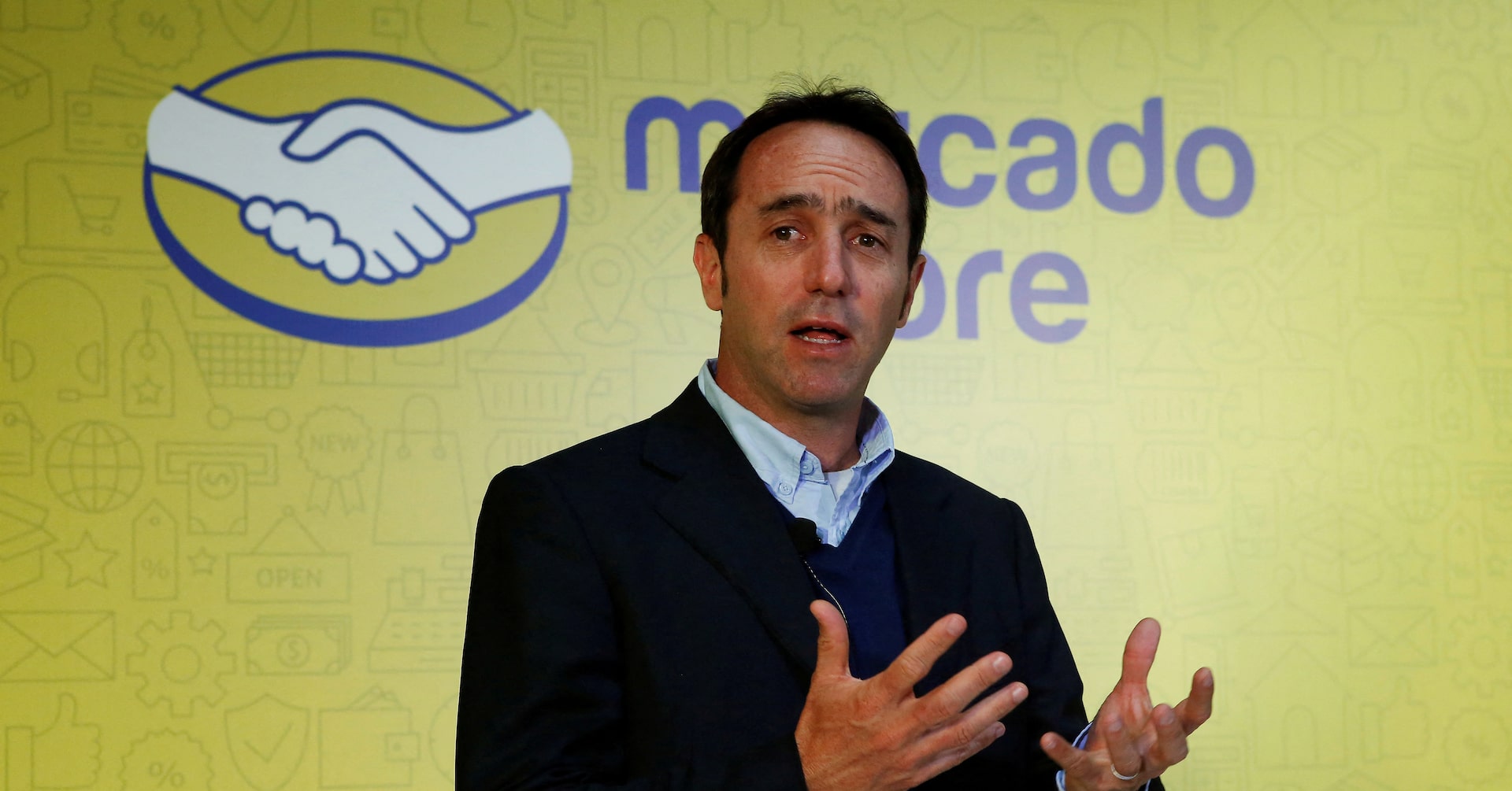
MercadoLibre Faces Profit Decline Challenges

- Revenue Growth vs. Profit Decline: MercadoLibre reported a 49% year-over-year revenue increase to $763 million in Q1, yet operating income fell from $763 million to $611 million, indicating significant profit pressure amid intensified competition, which has shaken investor confidence.
- Competitive Response Strategy: In response to competition from Sea Limited and Amazon, MercadoLibre lowered its free shipping threshold in Brazil, accelerating GMV growth to 38%; while this move compresses margins in the short term, it is expected to lay the groundwork for long-term growth.
- Credit Business Risks and Opportunities: The credit segment of MercadoLibre grew by 87% to $14.6 billion in Q1, despite a slight rise in delinquency rates, management views this as a key driver for both e-commerce and fintech, enhancing competitive positioning in the market.
- Market Share and Long-Term Outlook: Despite margin compression, MercadoLibre gained market share in Q1, and management believes there is substantial growth potential in the Latin American e-commerce market, where the average consumer makes only 7 online purchases annually compared to 41 in the U.S., indicating future market opportunities.
See More
Amazon Web Services Drives Profit Growth
- Profit Dominance from Cloud: Amazon Web Services (AWS) accounted for only 21% of total revenue in Q1 but contributed 59% of operating profits, highlighting its critical role in the company's profitability structure and reinforcing investor confidence in Amazon.
- Rapid Growth Momentum: While Amazon's e-commerce business grew by 12% in North America and 19% internationally, AWS outpaced them with a 28% year-over-year growth rate, indicating its potential to continue driving overall profitability for the company.
- Massive Investment Plans: Amazon is set to invest $200 billion in data center capital expenditures in 2023 to meet demand for AI workloads, a strategic investment expected to yield long-term growth potential and enhance market competitiveness.
- Attractive Stock Valuation: Amazon's stock appears relatively cheap from a cash flow perspective, down about 15% from its all-time high, providing an ideal buying opportunity for investors, especially in light of the ongoing growth in its cloud services.
See More
SpaceX Briefly Surpasses Amazon's Market Cap
- Market Cap Comparison: Following its IPO, SpaceX briefly surpassed Amazon's market cap at around $2 trillion, although it has since declined, reflecting extreme market optimism about its future growth potential.
- Financial Disparity: In 2025, SpaceX reported $18.7 billion in revenue with a $2.6 billion operational loss, while Amazon generated $717 billion in revenue and $80 billion in operating income, highlighting the vast financial scale difference between the two companies.
- Market Potential: SpaceX has significant market potential in satellite internet and AI, with its Starlink service generating $11.4 billion in revenue last year, a 50% year-over-year increase, while Amazon is also investing in its satellite project, Amazon Leo, although SpaceX currently holds a dominant market share.
- Investment Value: Despite SpaceX's rapid growth, its price-to-sales ratio exceeds 100 compared to Amazon's 28, indicating that Amazon may represent a more attractive investment opportunity over the next few years.
See More
Newsom Proposes Nationwide Billionaire Tax
- Economic Reset Initiative: California Governor Newsom called for a nationwide billionaire tax at the U.S. Conference of Mayors, aiming to promote what he terms an 'economic reset for America' to assist working-class individuals marginalized by an unequal system, indicating his strategic positioning for a potential 2028 presidential run.
- Tax Reform Advocacy: Newsom supports implementing a 'modern Buffett Rule' to ensure billionaires pay at least the same tax rate as their employees while advocating for the closure of tax loopholes for the ultra-wealthy, emphasizing the importance of tax equity, which could influence future tax policies.
- Inheritance and Corporate Tax Adjustments: He proposed rewriting inheritance tax rules and restoring corporate tax rates to pre-2017 levels, reflecting a reevaluation of the tax burden on the wealthy, which may spark widespread political debate.
- Opposition to California Billionaire Tax: Despite supporting a national billionaire tax, Newsom opposes California's upcoming 5% wealth tax proposal, arguing it could lead to wealth flight, showcasing his differing views on local versus national tax policies.
See More
Trump Threatens 100% Tariff on Digital Service Taxes
- Escalating Tariff Threat: Trump has stated that any country imposing a digital services tax on American tech firms will face a 100% tariff, which could escalate trade tensions with multiple nations and impact U.S.-European economic cooperation.
- Digital Services Tax Discussions: Numerous European countries are discussing the implementation of a digital services tax, and Trump's threat may compel these nations to reconsider their tax policies, thereby affecting their trade relations with the U.S.
- French Response: French President Macron has asserted that France has no plans to eliminate its digital services tax, indicating a firm stance that could provoke further trade retaliation from the U.S.
- Impact on Trade Agreements: Trump emphasized that any trade agreements with countries imposing such taxes would be superseded by the 100% tariff, potentially leading to significant changes in international trade regulations.
See More
SpaceX's Market Cap Soars to $2 Trillion Post-IPO
- Market Valuation: SpaceX's market cap briefly surpassed Amazon's post-IPO, currently around $2 trillion, reflecting strong market optimism despite some gains being relinquished, particularly in satellite internet and AI sectors.
- Financial Performance Gap: In 2025, SpaceX reported $18.7 billion in revenue with a $2.6 billion operational loss, while Amazon generated $717 billion in revenue and $80 billion in operating income, highlighting the vast financial scale difference between the two companies.
- Market Potential: SpaceX's Starlink service generated $11.4 billion last year, up 50% year-over-year, with an estimated addressable market exceeding $1 trillion in broadband and mobile internet, although Amazon is also investing heavily in satellite internet.
- Investment Value Analysis: SpaceX's price-to-sales ratio exceeds 100, while Amazon's price-to-earnings ratio stands at 28, indicating that despite SpaceX's potential, Amazon presents a more attractive investment opportunity in terms of profitability and valuation metrics.
See More
MercadoLibre Faces Profit Decline Challenges
- Revenue Growth vs. Profit Decline: MercadoLibre reported a 49% year-over-year revenue increase to $763 million in Q1, yet operating income fell from $763 million to $611 million, indicating significant profit pressure amid intensified competition, which has shaken investor confidence.
- Competitive Response Strategy: In response to competition from Sea Limited and Amazon, MercadoLibre lowered its free shipping threshold in Brazil, accelerating GMV growth to 38%; while this move compresses margins in the short term, it is expected to lay the groundwork for long-term growth.
- Credit Business Risks and Opportunities: The credit segment of MercadoLibre grew by 87% to $14.6 billion in Q1, despite a slight rise in delinquency rates, management views this as a key driver for both e-commerce and fintech, enhancing competitive positioning in the market.
- Market Share and Long-Term Outlook: Despite margin compression, MercadoLibre gained market share in Q1, and management believes there is substantial growth potential in the Latin American e-commerce market, where the average consumer makes only 7 online purchases annually compared to 41 in the U.S., indicating future market opportunities.
See More