

Analysts Predict FDVV Will Hit $61
Written by Emily J. Thompson, Senior Investment Analyst
Updated: Sep 25 2025
0mins


Source: NASDAQ.COM
ETF Analyst Target Price: The Fidelity High Dividend ETF (FDVV) has an implied analyst target price of $60.74, indicating a potential upside of 9.62% from its current trading price of $55.41.
Notable Holdings with Upside: Key underlying holdings of FDVV, such as Philip Morris International (PM), Microchip Technology (MCHP), and Lowe's Companies (LOW), show significant upside potential based on analyst target prices, with PM at 18.88%, MCHP at 16.43%, and LOW at 9.98% above their recent prices.
Trade with 70% Backtested Accuracy
Stop guessing "Should I Buy LOW?" and start using high-conviction signals backed by rigorous historical data.
Sign up today to access powerful investing tools and make smarter, data-driven decisions.
Analyst Views on LOW
Wall Street analysts forecast LOW stock price to rise
22 Analyst Rating
16 Buy
6 Hold
0 Sell
Moderate Buy
Current: 223.780

Low
250.00
Averages
278.27
High
316.00
Current: 223.780
Low
250.00
Averages
278.27
High
316.00
About LOW
Lowe's Companies, Inc. is a home improvement company. The Company offers a complete line of products for construction, maintenance, repair, remodeling, and decorating. It offers home improvement products in various categories, including appliances, seasonal and outdoor living, lumber, lawn and garden, kitchens and bath, hardware, building materials, millwork, paint, rough plumbing, tools, electrical, flooring, and decor. It is focused on offering a wide selection of national brand-name merchandise complemented by its selection of private brands. Its services include installed sales and Lowe's Protection Plans and Repair Services. The Company offers installation services through independent contractors in many of its product categories. It offers extended protection plans for certain products within the appliances, kitchens and bath, decor, millwork, rough plumbing, electrical, seasonal and outdoor living, tools, and hardware categories. It operates over 1,700 home improvement stores.
About the author

Emily J. Thompson
Emily J. Thompson, a Chartered Financial Analyst (CFA) with 12 years in investment research, graduated with honors from the Wharton School. Specializing in industrial and technology stocks, she provides in-depth analysis for Intellectia’s earnings and market brief reports.

Lowe's Stock Performance Analysis and Future Outlook
- Stock Fluctuation: Lowe's recent closing price of $223.78 reflects a 1.64% decline from the previous trading day, underperforming against the S&P 500's gain of 0.72%, indicating market caution regarding its short-term performance.
- Earnings Expectations: Lowe's is set to release its earnings report on August 19, 2026, with an expected EPS of $4.26, representing a 1.62% decline year-over-year, while revenue is projected at $26.25 billion, showing a 9.54% increase, highlighting the company's revenue growth potential.
- Valuation Analysis: Currently, Lowe's has a forward P/E ratio of 18.23, which is below the industry average of 23.84, suggesting that its stock may be undervalued in the current market environment, potentially attracting value investors.
- Industry Ranking: The Retail-Home Furnishings industry, where Lowe's operates, ranks 209 in the Zacks Industry Rank, placing it in the bottom 16% of over 250 industries, which may affect investor confidence in its long-term growth prospects.
See More

Analysis of Retirement Income Growth Strategies


- Income Growth Potential: Starting with a 3.5% yield and assuming an 8% annual growth, a $35,000 income can grow to approximately $140,000 in 20 years, highlighting the critical importance of compounding effects in long-term retirement income.
- High-Yield Risks: High-yield instruments like mortgage REITs may offer substantial initial income, but as principal erodes, retirees will face significant purchasing power loss over a 25-year retirement, underscoring the need for stable growth investments.
- Advantages of Dividend Growth: Companies like Johnson & Johnson and Procter & Gamble have consistently raised dividends over the past decade, achieving 175% and 70 years of dividend growth respectively, demonstrating the effectiveness of dividend growth strategies in long-term investing.
- Capital Requirement Analysis: To achieve an annual income of $60,000, a 3.5% yield requires approximately $1.714 million in capital, while a 12% yield only needs $500,000; although high yields seem attractive, stable growth investments may prove more advantageous in the long run.
See More

Home Improvement Showdown: Comparing Home Depot and Lowe's Growth Strategies
- Performance Comparison: For FY 2025, Home Depot reported sales of $164.7 billion, reflecting a 3.2% increase with a net income of $14.8 billion, showcasing its strong position in the professional market, while Lowe's generated $86.3 billion in revenue, up 3.1%, with a net income of $6.7 billion, indicating solid growth in the DIY segment.
- Acquisition and Expansion Strategies: Home Depot has enhanced its service capabilities for professional contractors by acquiring companies like SRS and GMS, aiming to become a one-stop shop for large renovation projects; Lowe's has expanded its branch network through the acquisitions of Foundation Building Materials and Artisan Design Group to better serve both homeowners and commercial clients.
- Risks and Challenges: Home Depot faces significant risks related to cybersecurity and regulatory scrutiny over data privacy, with recent legal challenges potentially impacting its reputation; Lowe's is sensitive to macroeconomic factors affecting the housing market, and it also faces operational risks during the integration of large acquisitions and its multi-year technology transformation.
- Future Growth Expectations: Analysts project Home Depot's sales to grow nearly 4% and net income to increase just over 1% in FY 2026, while Lowe's is expected to see sales growth of about 8% and net income growth of around 2.5%, with initiatives to enhance contractor customer experience through AI tools that reduce order fulfillment time from days to hours.
See More
Analysis of Competition Among Home Improvement Giants
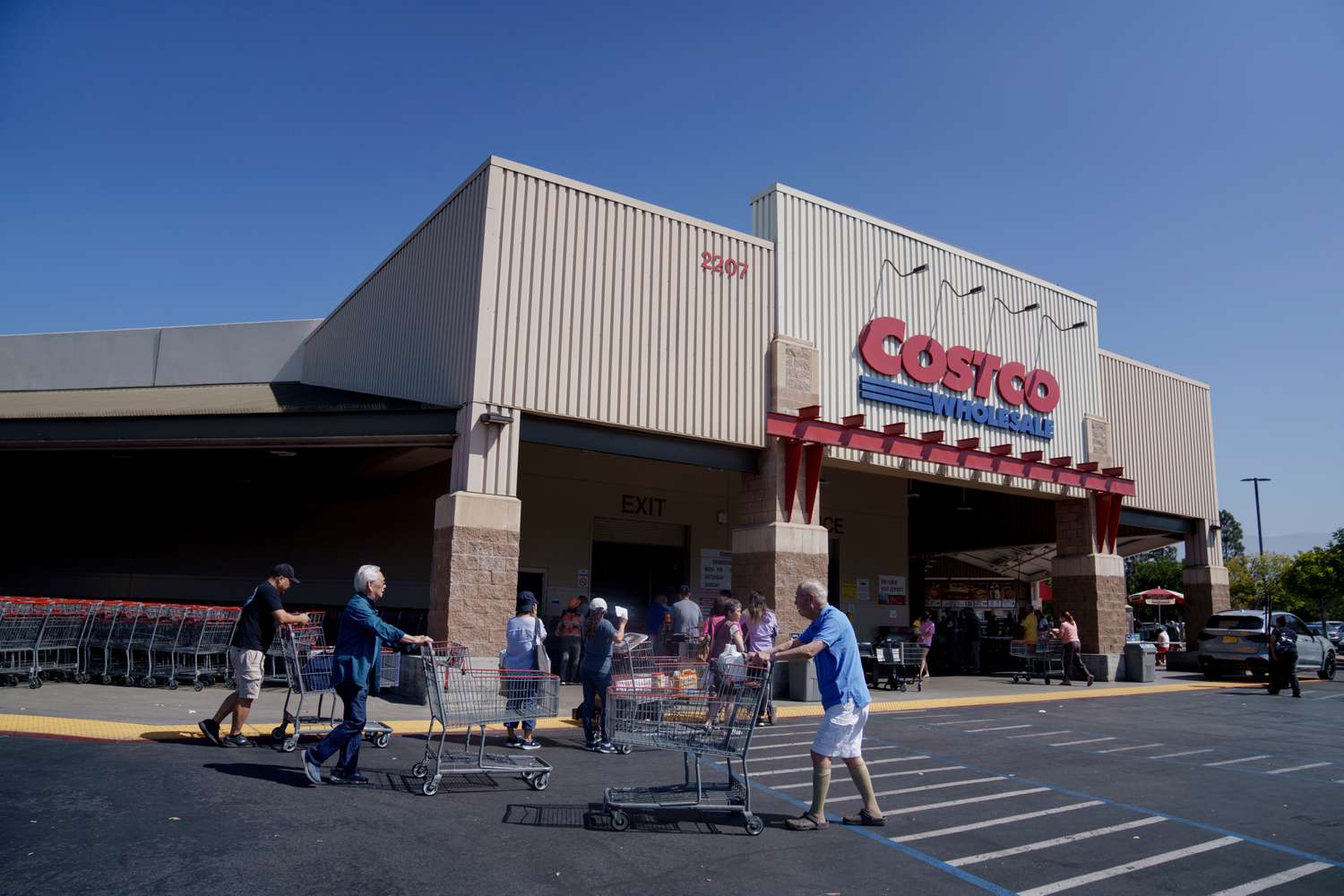
- Market Leadership: Home Depot achieved sales of $164.7 billion in FY 2025, reflecting a 3.2% year-over-year growth with a net income of $14.8 billion, underscoring its strong influence in the professional contractor market, which is expected to continue attracting high-value clients.
- Acquisition Expansion Strategy: Lowe's expanded its branch network through the acquisitions of Foundation Building Materials and Artisan Design Group, generating revenue of approximately $86.3 billion in FY 2025, a 3.1% increase, indicating its accelerating penetration into the professional market while balancing the needs of homeowners and commercial clients.
- Technological Innovation Drive: Lowe's introduced an AI-assisted tool that is expected to reduce pro order fulfillment time from days to hours, with first-quarter sales rising by 10%, demonstrating its effectiveness in enhancing customer experience and attracting contractor clients.
- Financial Health Comparison: Home Depot's debt-to-equity ratio stands at 5.1x, while Lowe's is at -4.5x; despite Lowe's being more attractive on a price-to-earnings and price-to-sales basis, the differences in their financial structures may influence investor choices.
See More

Lowe's Stock Performance Analysis and Outlook
- Stock Fluctuation: Lowe's (LOW) fell by 1.31% to $219.57 in the latest trading session, underperforming the S&P 500's gain of 1.18%, indicating market caution regarding its short-term performance.
- Earnings Expectations: Lowe's is expected to release its earnings report on August 19, 2026, with an anticipated EPS of $4.26, reflecting a 1.62% decline year-over-year, although revenue is projected to reach $26.25 billion, a 9.54% increase, highlighting the company's revenue growth potential.
- Analyst Rating Changes: Lowe's holds a Zacks Rank of #3 (Hold), suggesting fluctuations in analyst confidence regarding its short-term business trends, despite a slight 0.09% decline in EPS estimates over the past month, indicating ongoing market scrutiny of its profitability.
- Valuation Metrics: With a forward P/E ratio of 17.83, Lowe's is trading at a discount compared to the industry average of 23.24, suggesting that its stock may be undervalued in the current market environment, prompting investors to consider this valuation gap for potential investment opportunities.
See More

Top Dividend Stocks to Consider for Steady Income


- Coca-Cola's Stability: Coca-Cola (KO) operates in over 200 countries, boasting a superb 35% operating margin in Q1, demonstrating strong pricing power and customer loyalty, which ensures stable dividend payments even amidst economic fluctuations.
- Lowe's Commitment to Returns: Lowe's (LOW) will pay an annual dividend of $5 starting in August, yielding 2.25%, and despite challenges like high interest rates and low housing turnover, it has raised dividends for over 25 consecutive years, reflecting management's commitment to shareholder returns.
- Procter & Gamble's Historical Performance: Procter & Gamble (PG) generated $21.2 billion in revenue for Q3 2026 with an 18.4% net margin, offering a dividend yield of 2.93%, and has paid dividends for an astonishing 136 consecutive years, showcasing stability in its capital allocation policy.
- Attractiveness of Dividend Investing: These companies not only provide a steady income stream but also exhibit strong resilience against economic uncertainties, making them ideal for retirees and investors seeking reliable cash flow.
See More
Lowe's Stock Performance Analysis and Future Outlook
- Stock Fluctuation: Lowe's recent closing price of $223.78 reflects a 1.64% decline from the previous trading day, underperforming against the S&P 500's gain of 0.72%, indicating market caution regarding its short-term performance.
- Earnings Expectations: Lowe's is set to release its earnings report on August 19, 2026, with an expected EPS of $4.26, representing a 1.62% decline year-over-year, while revenue is projected at $26.25 billion, showing a 9.54% increase, highlighting the company's revenue growth potential.
- Valuation Analysis: Currently, Lowe's has a forward P/E ratio of 18.23, which is below the industry average of 23.84, suggesting that its stock may be undervalued in the current market environment, potentially attracting value investors.
- Industry Ranking: The Retail-Home Furnishings industry, where Lowe's operates, ranks 209 in the Zacks Industry Rank, placing it in the bottom 16% of over 250 industries, which may affect investor confidence in its long-term growth prospects.
See More
Analysis of Retirement Income Growth Strategies
- Income Growth Potential: Starting with a 3.5% yield and assuming an 8% annual growth, a $35,000 income can grow to approximately $140,000 in 20 years, highlighting the critical importance of compounding effects in long-term retirement income.
- High-Yield Risks: High-yield instruments like mortgage REITs may offer substantial initial income, but as principal erodes, retirees will face significant purchasing power loss over a 25-year retirement, underscoring the need for stable growth investments.
- Advantages of Dividend Growth: Companies like Johnson & Johnson and Procter & Gamble have consistently raised dividends over the past decade, achieving 175% and 70 years of dividend growth respectively, demonstrating the effectiveness of dividend growth strategies in long-term investing.
- Capital Requirement Analysis: To achieve an annual income of $60,000, a 3.5% yield requires approximately $1.714 million in capital, while a 12% yield only needs $500,000; although high yields seem attractive, stable growth investments may prove more advantageous in the long run.
See More
Home Improvement Showdown: Comparing Home Depot and Lowe's Growth Strategies
- Performance Comparison: For FY 2025, Home Depot reported sales of $164.7 billion, reflecting a 3.2% increase with a net income of $14.8 billion, showcasing its strong position in the professional market, while Lowe's generated $86.3 billion in revenue, up 3.1%, with a net income of $6.7 billion, indicating solid growth in the DIY segment.
- Acquisition and Expansion Strategies: Home Depot has enhanced its service capabilities for professional contractors by acquiring companies like SRS and GMS, aiming to become a one-stop shop for large renovation projects; Lowe's has expanded its branch network through the acquisitions of Foundation Building Materials and Artisan Design Group to better serve both homeowners and commercial clients.
- Risks and Challenges: Home Depot faces significant risks related to cybersecurity and regulatory scrutiny over data privacy, with recent legal challenges potentially impacting its reputation; Lowe's is sensitive to macroeconomic factors affecting the housing market, and it also faces operational risks during the integration of large acquisitions and its multi-year technology transformation.
- Future Growth Expectations: Analysts project Home Depot's sales to grow nearly 4% and net income to increase just over 1% in FY 2026, while Lowe's is expected to see sales growth of about 8% and net income growth of around 2.5%, with initiatives to enhance contractor customer experience through AI tools that reduce order fulfillment time from days to hours.
See More
Analysis of Competition Among Home Improvement Giants
- Market Leadership: Home Depot achieved sales of $164.7 billion in FY 2025, reflecting a 3.2% year-over-year growth with a net income of $14.8 billion, underscoring its strong influence in the professional contractor market, which is expected to continue attracting high-value clients.
- Acquisition Expansion Strategy: Lowe's expanded its branch network through the acquisitions of Foundation Building Materials and Artisan Design Group, generating revenue of approximately $86.3 billion in FY 2025, a 3.1% increase, indicating its accelerating penetration into the professional market while balancing the needs of homeowners and commercial clients.
- Technological Innovation Drive: Lowe's introduced an AI-assisted tool that is expected to reduce pro order fulfillment time from days to hours, with first-quarter sales rising by 10%, demonstrating its effectiveness in enhancing customer experience and attracting contractor clients.
- Financial Health Comparison: Home Depot's debt-to-equity ratio stands at 5.1x, while Lowe's is at -4.5x; despite Lowe's being more attractive on a price-to-earnings and price-to-sales basis, the differences in their financial structures may influence investor choices.
See More
Lowe's Stock Performance Analysis and Outlook
- Stock Fluctuation: Lowe's (LOW) fell by 1.31% to $219.57 in the latest trading session, underperforming the S&P 500's gain of 1.18%, indicating market caution regarding its short-term performance.
- Earnings Expectations: Lowe's is expected to release its earnings report on August 19, 2026, with an anticipated EPS of $4.26, reflecting a 1.62% decline year-over-year, although revenue is projected to reach $26.25 billion, a 9.54% increase, highlighting the company's revenue growth potential.
- Analyst Rating Changes: Lowe's holds a Zacks Rank of #3 (Hold), suggesting fluctuations in analyst confidence regarding its short-term business trends, despite a slight 0.09% decline in EPS estimates over the past month, indicating ongoing market scrutiny of its profitability.
- Valuation Metrics: With a forward P/E ratio of 17.83, Lowe's is trading at a discount compared to the industry average of 23.24, suggesting that its stock may be undervalued in the current market environment, prompting investors to consider this valuation gap for potential investment opportunities.
See More
Top Dividend Stocks to Consider for Steady Income
- Coca-Cola's Stability: Coca-Cola (KO) operates in over 200 countries, boasting a superb 35% operating margin in Q1, demonstrating strong pricing power and customer loyalty, which ensures stable dividend payments even amidst economic fluctuations.
- Lowe's Commitment to Returns: Lowe's (LOW) will pay an annual dividend of $5 starting in August, yielding 2.25%, and despite challenges like high interest rates and low housing turnover, it has raised dividends for over 25 consecutive years, reflecting management's commitment to shareholder returns.
- Procter & Gamble's Historical Performance: Procter & Gamble (PG) generated $21.2 billion in revenue for Q3 2026 with an 18.4% net margin, offering a dividend yield of 2.93%, and has paid dividends for an astonishing 136 consecutive years, showcasing stability in its capital allocation policy.
- Attractiveness of Dividend Investing: These companies not only provide a steady income stream but also exhibit strong resilience against economic uncertainties, making them ideal for retirees and investors seeking reliable cash flow.
See More





