

Analysts Predict 13% Upside For The Holdings of IJK
Written by Emily J. Thompson, Senior Investment Analyst
Updated: Jun 05 2025
0mins


Source: NASDAQ.COM
ETF Analysis: The iShares S&P Mid-Cap 400 Growth ETF (IJK) has an implied analyst target price of $101.09, indicating a potential upside of 13.16% from its current trading price of $89.33.
Stock Performance Insights: Notable underlying holdings such as Churchill Downs, Park Hotels & Resorts, and PURE Storage show significant upside potential based on analyst targets, raising questions about the validity of these targets amidst market conditions.
Trade with 70% Backtested Accuracy
Stop guessing "Should I Buy PK?" and start using high-conviction signals backed by rigorous historical data.
Sign up today to access powerful investing tools and make smarter, data-driven decisions.
Analyst Views on PK
Wall Street analysts forecast PK stock price to fall
7 Analyst Rating
2 Buy
5 Hold
0 Sell
Moderate Buy
Current: 14.300

Low
10.50
Averages
11.93
High
14.00
Current: 14.300
Low
10.50
Averages
11.93
High
14.00
About PK
Park Hotels & Resorts Inc. is a lodging real estate investment trust (REIT) with a portfolio of hotels and resorts. Its portfolio consists of approximately 34 hotels and resorts with 23,000 rooms, located in the United States. It operates the business through three operating segments, which include Core hotels, consolidated Non-Core hotels and unconsolidated hotels. Its Core hotels are located in urban and convention areas, such as New York City, Washington, D.C., Chicago, Boston, New Orleans and Denver; and premier resorts in leisure destinations, including Hawaii, Orlando, Key West and Miami Beach; as well as hotels in select airport and suburban locations. Its Core Hotels include Hilton Hotels & Resorts, Hyatt Regency, Signia by Hilton, DoubleTree by Hilton, DoubleTree by Hilton, Marriott Tribute Portfolio and JW Marriott. Its Non-Core Hotels include Marriott, Marriott Tribute Portfolio and Embassy Suites by Hilton.
About the author

Emily J. Thompson
Emily J. Thompson, a Chartered Financial Analyst (CFA) with 12 years in investment research, graduated with honors from the Wharton School. Specializing in industrial and technology stocks, she provides in-depth analysis for Intellectia’s earnings and market brief reports.

Park Hotels to Report Q2 2026 Financial Results

- Earnings Report Schedule: Park Hotels & Resorts plans to release its Q2 2026 financial results after market close on August 6, 2026, demonstrating the company's commitment to transparency and investor communication.
- Conference Call Timing: The company will hold a conference call on August 7, 2026, at 11:00 a.m. ET to discuss its earnings results and current operational environment, aiming to bolster investor confidence in the company's future prospects.
- Participation Details: Interested participants can join the call by dialing (877) 451-6152 or (201) 389-0879 for international calls, with a recommendation to dial in 10 minutes early, reflecting the company's focus on enhancing the investor experience.
- Investor Relations Website: The webcast will be available on the company's website, with participants encouraged to register 10 minutes prior, and a replay will be archived in the Investor Relations section, further improving information accessibility and transparency.
See More
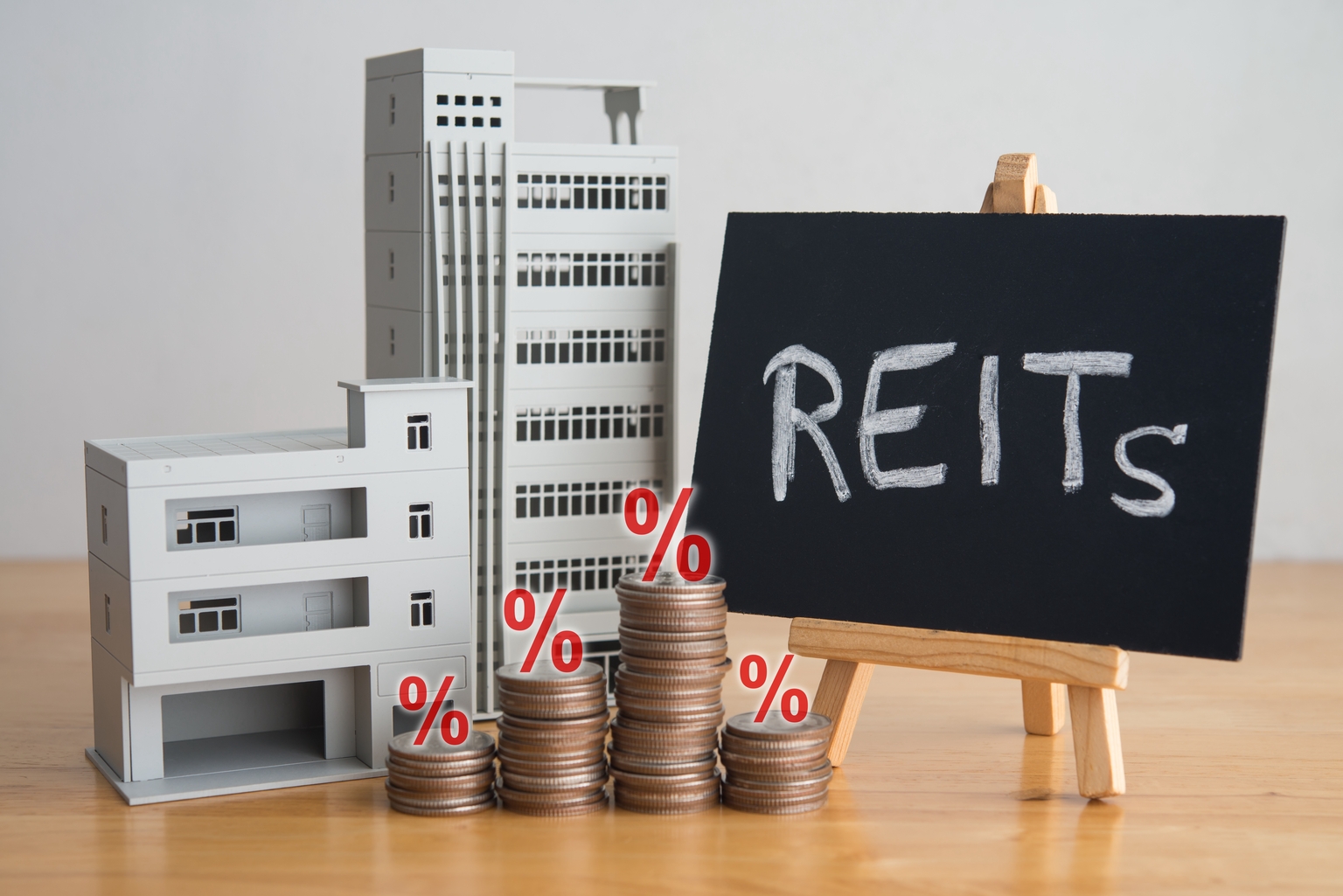
Valuation Analysis of U.S. REIT Stocks

- Market Appeal: Among U.S. REITs with market capitalizations between $2B and $10B, Millrose Properties, Park Hotels & Resorts, and Alexandria Real Estate Equities are highlighted as the most attractively valued, reflecting strong market confidence and growth potential for these companies.
- Valuation Grades: According to Seeking Alpha's valuation grades, both Millrose Properties and Park Hotels & Resorts received an A+ rating, indicating they are relatively cheap based on multiple metrics such as P/E, PEG, and EV/Sales, which may attract more investor interest.
- Dividend Yield: Alexandria Real Estate Equities declared a $0.72 dividend per share, showcasing its stable cash flow and commitment to shareholder returns, further enhancing its appeal in the market.
- Industry Trends: As high-yield stocks gain popularity in volatile markets, investor interest in high-yield REITs is increasing, particularly for companies like Apple Hospitality REIT and Highwoods Properties, indicating sustained demand for these asset classes.
See More

Park Hotels & Resorts Stock Hits Highest Level Since February 2025
- Stock Surge: Park Hotels & Resorts (PK) shares rose 4.12% to $12.63 during Monday trading, marking the highest level since February 2025, reflecting market optimism about its operational outlook.
- Revenue Growth Outlook: The company anticipates a 3.9% and 4.7% year-over-year increase in comparable revenue per available room (RevPAR) for April and May 2026, respectively, excluding revenue from the Royal Palm South Beach Miami property, indicating robust growth potential in its core operations.
- Strong June Expectations: PK expects June 2026 to be the strongest month of Q2, with group revenue pace up over 14% compared to June 2025, showcasing the company's competitiveness and appeal in a recovering market.
- Asset Sale Proceeds: In May, the company sold its ownership interest in the unconsolidated JV operating the 288-room Embassy Suites by Hilton Alexandria Old Town for $29 million, representing 12.9 times the hotel’s 2025 EBITDA, further enhancing the company's financial flexibility.
See More

Park Hotels & Resorts Exceeds Q1 2026 Earnings Expectations
- Performance Exceeds Expectations: Park Hotels reported a 5.5% year-over-year increase in comparable hotel RevPAR for Q1 2026, with resort RevPAR rising 7.6%, indicating strong leisure demand and corporate group trends that are expected to drive future growth.
- Significant Revenue Growth: Total hotel revenues reached $591 million in Q1, up nearly 2%, while adjusted hotel EBITDA was $152 million, implying an EBITDA margin of approximately 26%, reflecting effective cost control and revenue management strategies.
- Strong Asset Performance: Orlando's RevPAR grew about 16%, and Casa Marina in Key West exceeded EBITDA projections by 14%, enhancing the company's overall financial health and competitive positioning in a challenging market.
- Optimistic Future Outlook: Management raised the 2026 RevPAR growth forecast to a range of 0.5%-2.5% and increased adjusted EBITDA guidance by $7 million, demonstrating confidence in market demand recovery while actively addressing macroeconomic risks.
See More

Park Hotels & Resorts Q1 2026 Earnings Exceed Expectations
- Performance Growth: Park Hotels reported a 5.5% year-over-year increase in RevPAR for Q1, indicating sustained strength in leisure demand at resort properties, which enhances the company's competitive position in the recovering market.
- Asset Disposition Progress: The company sold the 396-room Hilton Seattle Airport Hotel for $18 million, with total non-core asset sales reaching $31 million for the year, demonstrating significant progress in reducing non-core asset exposure.
- Upgraded Financial Outlook: Management raised the 2026 RevPAR growth guidance to a range of 0.5% to 2.5%, while adjusted EBITDA expectations were increased to $587 million to $617 million, reflecting a positive outlook for future performance.
- Strong Liquidity Position: As of the end of Q1, the company reported approximately $2 billion in liquidity, ensuring its ability to continue investing and operating amid uncertain market conditions.
See More

Park Hotels PK Q1 2026 Earnings Transcript
See More
Park Hotels to Report Q2 2026 Financial Results
- Earnings Report Schedule: Park Hotels & Resorts plans to release its Q2 2026 financial results after market close on August 6, 2026, demonstrating the company's commitment to transparency and investor communication.
- Conference Call Timing: The company will hold a conference call on August 7, 2026, at 11:00 a.m. ET to discuss its earnings results and current operational environment, aiming to bolster investor confidence in the company's future prospects.
- Participation Details: Interested participants can join the call by dialing (877) 451-6152 or (201) 389-0879 for international calls, with a recommendation to dial in 10 minutes early, reflecting the company's focus on enhancing the investor experience.
- Investor Relations Website: The webcast will be available on the company's website, with participants encouraged to register 10 minutes prior, and a replay will be archived in the Investor Relations section, further improving information accessibility and transparency.
See More
Valuation Analysis of U.S. REIT Stocks
- Market Appeal: Among U.S. REITs with market capitalizations between $2B and $10B, Millrose Properties, Park Hotels & Resorts, and Alexandria Real Estate Equities are highlighted as the most attractively valued, reflecting strong market confidence and growth potential for these companies.
- Valuation Grades: According to Seeking Alpha's valuation grades, both Millrose Properties and Park Hotels & Resorts received an A+ rating, indicating they are relatively cheap based on multiple metrics such as P/E, PEG, and EV/Sales, which may attract more investor interest.
- Dividend Yield: Alexandria Real Estate Equities declared a $0.72 dividend per share, showcasing its stable cash flow and commitment to shareholder returns, further enhancing its appeal in the market.
- Industry Trends: As high-yield stocks gain popularity in volatile markets, investor interest in high-yield REITs is increasing, particularly for companies like Apple Hospitality REIT and Highwoods Properties, indicating sustained demand for these asset classes.
See More
Park Hotels & Resorts Stock Hits Highest Level Since February 2025
- Stock Surge: Park Hotels & Resorts (PK) shares rose 4.12% to $12.63 during Monday trading, marking the highest level since February 2025, reflecting market optimism about its operational outlook.
- Revenue Growth Outlook: The company anticipates a 3.9% and 4.7% year-over-year increase in comparable revenue per available room (RevPAR) for April and May 2026, respectively, excluding revenue from the Royal Palm South Beach Miami property, indicating robust growth potential in its core operations.
- Strong June Expectations: PK expects June 2026 to be the strongest month of Q2, with group revenue pace up over 14% compared to June 2025, showcasing the company's competitiveness and appeal in a recovering market.
- Asset Sale Proceeds: In May, the company sold its ownership interest in the unconsolidated JV operating the 288-room Embassy Suites by Hilton Alexandria Old Town for $29 million, representing 12.9 times the hotel’s 2025 EBITDA, further enhancing the company's financial flexibility.
See More
Park Hotels & Resorts Exceeds Q1 2026 Earnings Expectations
- Performance Exceeds Expectations: Park Hotels reported a 5.5% year-over-year increase in comparable hotel RevPAR for Q1 2026, with resort RevPAR rising 7.6%, indicating strong leisure demand and corporate group trends that are expected to drive future growth.
- Significant Revenue Growth: Total hotel revenues reached $591 million in Q1, up nearly 2%, while adjusted hotel EBITDA was $152 million, implying an EBITDA margin of approximately 26%, reflecting effective cost control and revenue management strategies.
- Strong Asset Performance: Orlando's RevPAR grew about 16%, and Casa Marina in Key West exceeded EBITDA projections by 14%, enhancing the company's overall financial health and competitive positioning in a challenging market.
- Optimistic Future Outlook: Management raised the 2026 RevPAR growth forecast to a range of 0.5%-2.5% and increased adjusted EBITDA guidance by $7 million, demonstrating confidence in market demand recovery while actively addressing macroeconomic risks.
See More
Park Hotels & Resorts Q1 2026 Earnings Exceed Expectations
- Performance Growth: Park Hotels reported a 5.5% year-over-year increase in RevPAR for Q1, indicating sustained strength in leisure demand at resort properties, which enhances the company's competitive position in the recovering market.
- Asset Disposition Progress: The company sold the 396-room Hilton Seattle Airport Hotel for $18 million, with total non-core asset sales reaching $31 million for the year, demonstrating significant progress in reducing non-core asset exposure.
- Upgraded Financial Outlook: Management raised the 2026 RevPAR growth guidance to a range of 0.5% to 2.5%, while adjusted EBITDA expectations were increased to $587 million to $617 million, reflecting a positive outlook for future performance.
- Strong Liquidity Position: As of the end of Q1, the company reported approximately $2 billion in liquidity, ensuring its ability to continue investing and operating amid uncertain market conditions.
See More
Park Hotels PK Q1 2026 Earnings Transcript
See More





