Analysts Bullish on Oracle and Micron Amid AI Growth
Written by Emily J. Thompson, Senior Investment Analyst
Updated: Apr 06 2026
0mins

Source: seekingalpha
- Oracle Upgrade Analysis: Analysts upgraded Oracle from Sell to Buy, noting that despite a 24% stock decline, the momentum in cloud computing and AI infrastructure is strong, particularly with multicloud database revenue surging 531% YoY, showcasing the company's competitive edge in the market.
- Micron's Positive Outlook: Micron's rating was raised from Sell to Neutral, with analysts highlighting unprecedented revenue growth driven by AI demand, although long-term cyclicality risks remain a concern, especially as the stock trades under 4x FY27 earnings expectations.
- LATAM Airlines Downgrade: Analysts downgraded LATAM Airlines from Buy to Sell due to a potential 80% spike in jet fuel costs stemming from geopolitical conflicts, which are expected to severely impact the company's aggressive growth plans and 2026 margin forecasts of 11% revenue growth and a 27% EBITDA margin.
- Super Micro Computer Risks: Super Micro Computer's rating was lowered to Sell due to intensifying legal and regulatory risks, including employee indictments and shareholder lawsuits, which present systemic concerns that outweigh the recent valuation contraction and could threaten the company's foundational operations.
Trade with 70% Backtested Accuracy
Stop guessing "Should I Buy MU?" and start using high-conviction signals backed by rigorous historical data.
Sign up today to access powerful investing tools and make smarter, data-driven decisions.
Analyst Views on MU
Wall Street analysts forecast MU stock price to fall
26 Analyst Rating
24 Buy
2 Hold
0 Sell
Strong Buy
Current: 751.000

Low
235.00
Averages
336.12
High
500.00
Current: 751.000
Low
235.00
Averages
336.12
High
500.00
About MU
Micron Technology, Inc. provides memory and storage solutions. The Company delivers a portfolio of high-performance dynamic random-access memory (DRAM), NAND, and NOR memory and storage products through its Micron and Crucial brands. The Company's products enable advancing in artificial intelligence (AI) and compute-intensive applications. Its segments include Cloud Memory Business Unit (CMBU), Core Data Center Business Unit (CDBU), Mobile and Client Business Unit (MCBU) and Automotive and Embedded Business Unit (AEBU). CMBU is focused on memory solutions for large hyperscale cloud customers, and high bandwidth memory (HBM) for all data center customers. CDBU is focused on memory solutions for mid-tier cloud, enterprise, and OEM data center customers and storage solutions for all data center customers. MCBU is focused on memory and storage solutions for mobile and client segments. AEBU is focused on memory and storage solutions for the automotive, industrial, and consumer segments.
About the author

Emily J. Thompson
Emily J. Thompson, a Chartered Financial Analyst (CFA) with 12 years in investment research, graduated with honors from the Wharton School. Specializing in industrial and technology stocks, she provides in-depth analysis for Intellectia’s earnings and market brief reports.
Micron Technology Stock Outlook Remains Bullish

- Analyst Ratings Optimistic: According to Koyfin data, 39 out of 44 analysts rated Micron Technology (MU) as ‘Buy’ or higher, indicating strong market confidence in its future performance, which is expected to drive further stock price increases.
- Price Target Raised Significantly: UBS has raised Micron's price target from $535 to $1,625, implying over 113% upside, reflecting optimism about the company's long-term profitability and cash flow, especially in the context of AI-driven market changes.
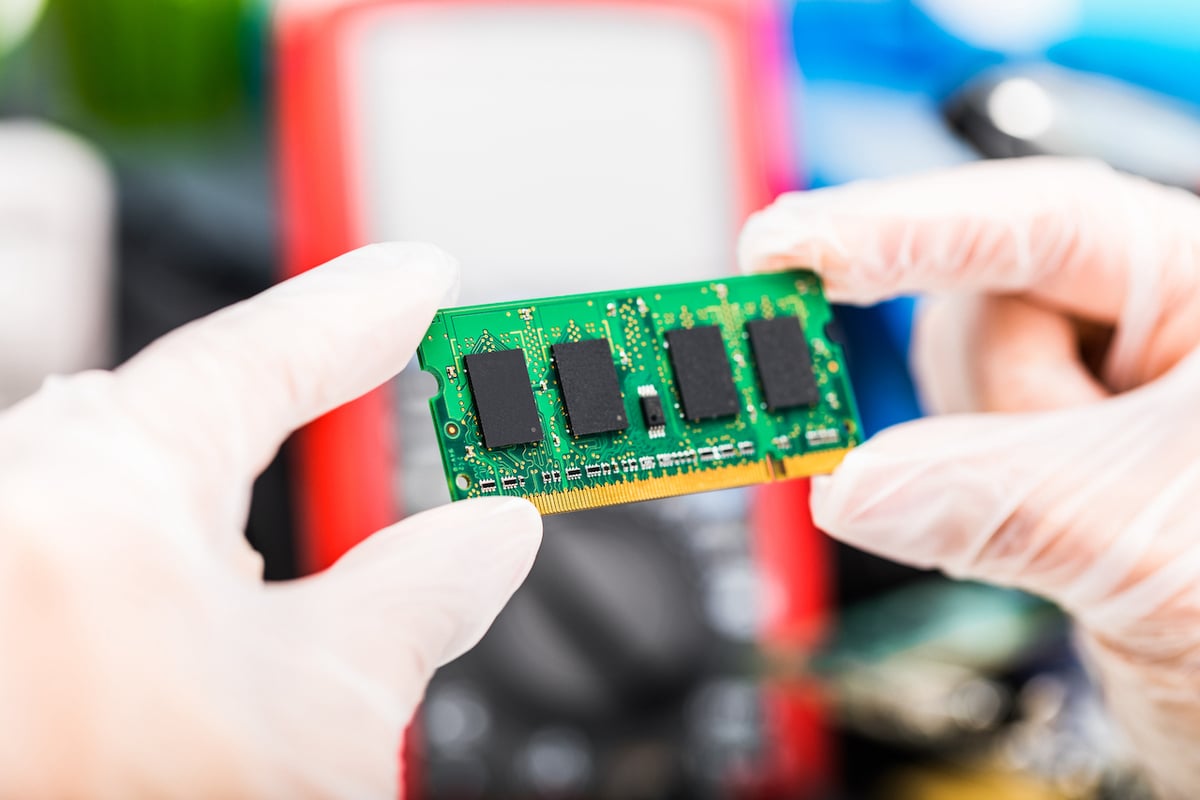
- New Product Production Launch: Micron has begun producing 1-alpha DRAM at its Manassas, Virginia facility, touted as the “most advanced memory ever produced in the United States,” which not only enhances the company's technological capabilities but may also strengthen its market competitiveness.
- Market Sentiment Positive: Although retail sentiment towards MU stock remained ‘neutral’ over the past 24 hours, many users expressed interest in the price target increase, indicating market expectations and confidence in Micron's future developments.
See More

Micron Technology Shares Surge, Approaching $850 Billion Market Cap
- Stock Surge: Micron Technology's shares have surged nearly 700% over the past year, with its market cap approaching $850 billion, indicating robust market demand and product shortages driving rapid business growth.
- Valuation Appeal: Despite significant price increases, Micron's P/E ratio remains at 35, with a forward P/E below 8 and a PEG ratio under 0.30, suggesting the stock is still perceived as cheap, attracting continued investor optimism.
- Future Growth Potential: To reach a $1 trillion market cap, Micron's stock needs to rise just 18%, and with the hype surrounding AI and memory stocks, market expectations for its future performance are high, though sustaining this valuation long-term remains uncertain.
- Market Risk Warning: While Micron appears cheap now, its cyclical business nature means that as memory supply catches up with demand, investors should be cautious of potential rapid declines in stock price due to shifts in market sentiment.
See More
Micron Surpasses $1 Trillion Market Cap for the First Time

- Market Cap Milestone: Micron has achieved a significant milestone by surpassing a $1 trillion market cap for the first time, joining elite chip companies like Nvidia, Broadcom, TSMC, and Samsung, underscoring its critical market position.
- Price Target Increase: UBS raised Micron's price target from $535 to $1,625, implying that the stock could more than double, reflecting strong market confidence in its future growth potential.
- Strong Financial Performance: In its latest quarter, Micron's revenue surged by 196% to $23.9 billion, significantly exceeding the market estimate of $19.2 billion, demonstrating its robust profitability in the AI-driven market.
- Future Growth Potential: Micron is expected to benefit from long-term memory supply agreements with buyers like Nvidia, which could enhance earnings and free cash flow significantly through 2029, further solidifying its leadership in the memory market.
See More

Midday Market Update: Tech Stocks Surge on AI Strength

- Market Performance: The S&P 500 rose 0.57% to 7,516.11, while the Nasdaq Composite climbed 1.00% to 26,606.90, driven by strong AI stocks, contrasting with a 0.23% decline in the Dow Jones Industrial Average to 50,463.03, indicating a divergence between tech and non-tech blue chips.
- Micron Technology Surge: Micron's stock jumped approximately 18%, pushing its market cap past $1 trillion, primarily due to UBS tripling its price target from $535 to $1,625, reflecting strong market confidence in the semiconductor and AI sectors.
- Travel Stocks Rally: Travel stocks like United Airlines and Carnival rose 5.41% and 2.94%, respectively, buoyed by easing oil prices and optimism surrounding Iran peace talks, signaling a recovery in the travel industry.
- Market Sentiment Analysis: Despite concerns about a bubble in AI stocks, the rally continues, and long-term investors might consider taking profits at this stage of the bull market to navigate ongoing market uncertainties.
See More

US Stocks Midday: Tech Stocks Surge on AI Strength
- Market Performance: The S&P 500 rose 0.57% to 7,516.11, while the Nasdaq Composite climbed 1.00% to 26,606.90, driven by strength in AI, although the Dow Jones Industrial Average slipped 0.23% to 50,463.03, indicating weakness in non-tech blue chips.
- Micron Technology Surge: Micron's stock jumped approximately 18%, pushing its market cap past $1 trillion, primarily due to UBS tripling its price target from $535 to $1,625, highlighting strong demand in the semiconductor and AI sectors.
- Optimism in Travel Stocks: Travel stocks like United Airlines and Carnival rallied on easing oil prices and optimism surrounding Iran peace talks, reflecting growing market confidence in economic recovery prospects.
- Investor Guidance: Despite bubble concerns, long-term investors are advised to consider taking profits in this bull market phase, especially as valuations appear stretched across various sectors.
See More
Midday Trading Highlights in US Stocks


- Micron Technology Surge: Micron's shares soared nearly 18%, elevating its market cap to $1 trillion, as UBS raised its price target from $535 to $1,625, indicating a potential doubling of share value, reflecting strong market confidence in the semiconductor sector.
- Semiconductor Sector Rally: The VanEck Semiconductor ETF (SMH) rose over 3%, reaching a new 52-week high, with On Semiconductor and Western Digital both gaining nearly 9%, showcasing investor optimism regarding the recovery of the chip industry.
- Oklo Nuclear Tech Progress: Oklo's stock increased by 6% after being selected by the Department of Energy for discussions on using Cold War-era plutonium as fuel, indicating the company's strategic collaboration potential in the nuclear energy sector.
- Modine Manufacturing Agreement: Modine's shares jumped 16% after announcing a $4 billion agreement with a strategic data center customer, expected to significantly enhance revenue and market position through 2029.
See More
Micron Technology Stock Outlook Remains Bullish
- Analyst Ratings Optimistic: According to Koyfin data, 39 out of 44 analysts rated Micron Technology (MU) as ‘Buy’ or higher, indicating strong market confidence in its future performance, which is expected to drive further stock price increases.
- Price Target Raised Significantly: UBS has raised Micron's price target from $535 to $1,625, implying over 113% upside, reflecting optimism about the company's long-term profitability and cash flow, especially in the context of AI-driven market changes.
- New Product Production Launch: Micron has begun producing 1-alpha DRAM at its Manassas, Virginia facility, touted as the “most advanced memory ever produced in the United States,” which not only enhances the company's technological capabilities but may also strengthen its market competitiveness.
- Market Sentiment Positive: Although retail sentiment towards MU stock remained ‘neutral’ over the past 24 hours, many users expressed interest in the price target increase, indicating market expectations and confidence in Micron's future developments.
See More
Micron Technology Shares Surge, Approaching $850 Billion Market Cap
- Stock Surge: Micron Technology's shares have surged nearly 700% over the past year, with its market cap approaching $850 billion, indicating robust market demand and product shortages driving rapid business growth.
- Valuation Appeal: Despite significant price increases, Micron's P/E ratio remains at 35, with a forward P/E below 8 and a PEG ratio under 0.30, suggesting the stock is still perceived as cheap, attracting continued investor optimism.
- Future Growth Potential: To reach a $1 trillion market cap, Micron's stock needs to rise just 18%, and with the hype surrounding AI and memory stocks, market expectations for its future performance are high, though sustaining this valuation long-term remains uncertain.
- Market Risk Warning: While Micron appears cheap now, its cyclical business nature means that as memory supply catches up with demand, investors should be cautious of potential rapid declines in stock price due to shifts in market sentiment.
See More
Micron Surpasses $1 Trillion Market Cap for the First Time
- Market Cap Milestone: Micron has achieved a significant milestone by surpassing a $1 trillion market cap for the first time, joining elite chip companies like Nvidia, Broadcom, TSMC, and Samsung, underscoring its critical market position.
- Price Target Increase: UBS raised Micron's price target from $535 to $1,625, implying that the stock could more than double, reflecting strong market confidence in its future growth potential.
- Strong Financial Performance: In its latest quarter, Micron's revenue surged by 196% to $23.9 billion, significantly exceeding the market estimate of $19.2 billion, demonstrating its robust profitability in the AI-driven market.
- Future Growth Potential: Micron is expected to benefit from long-term memory supply agreements with buyers like Nvidia, which could enhance earnings and free cash flow significantly through 2029, further solidifying its leadership in the memory market.
See More
Midday Market Update: Tech Stocks Surge on AI Strength
- Market Performance: The S&P 500 rose 0.57% to 7,516.11, while the Nasdaq Composite climbed 1.00% to 26,606.90, driven by strong AI stocks, contrasting with a 0.23% decline in the Dow Jones Industrial Average to 50,463.03, indicating a divergence between tech and non-tech blue chips.
- Micron Technology Surge: Micron's stock jumped approximately 18%, pushing its market cap past $1 trillion, primarily due to UBS tripling its price target from $535 to $1,625, reflecting strong market confidence in the semiconductor and AI sectors.
- Travel Stocks Rally: Travel stocks like United Airlines and Carnival rose 5.41% and 2.94%, respectively, buoyed by easing oil prices and optimism surrounding Iran peace talks, signaling a recovery in the travel industry.
- Market Sentiment Analysis: Despite concerns about a bubble in AI stocks, the rally continues, and long-term investors might consider taking profits at this stage of the bull market to navigate ongoing market uncertainties.
See More
US Stocks Midday: Tech Stocks Surge on AI Strength
- Market Performance: The S&P 500 rose 0.57% to 7,516.11, while the Nasdaq Composite climbed 1.00% to 26,606.90, driven by strength in AI, although the Dow Jones Industrial Average slipped 0.23% to 50,463.03, indicating weakness in non-tech blue chips.
- Micron Technology Surge: Micron's stock jumped approximately 18%, pushing its market cap past $1 trillion, primarily due to UBS tripling its price target from $535 to $1,625, highlighting strong demand in the semiconductor and AI sectors.
- Optimism in Travel Stocks: Travel stocks like United Airlines and Carnival rallied on easing oil prices and optimism surrounding Iran peace talks, reflecting growing market confidence in economic recovery prospects.
- Investor Guidance: Despite bubble concerns, long-term investors are advised to consider taking profits in this bull market phase, especially as valuations appear stretched across various sectors.
See More
Midday Trading Highlights in US Stocks
- Micron Technology Surge: Micron's shares soared nearly 18%, elevating its market cap to $1 trillion, as UBS raised its price target from $535 to $1,625, indicating a potential doubling of share value, reflecting strong market confidence in the semiconductor sector.
- Semiconductor Sector Rally: The VanEck Semiconductor ETF (SMH) rose over 3%, reaching a new 52-week high, with On Semiconductor and Western Digital both gaining nearly 9%, showcasing investor optimism regarding the recovery of the chip industry.
- Oklo Nuclear Tech Progress: Oklo's stock increased by 6% after being selected by the Department of Energy for discussions on using Cold War-era plutonium as fuel, indicating the company's strategic collaboration potential in the nuclear energy sector.
- Modine Manufacturing Agreement: Modine's shares jumped 16% after announcing a $4 billion agreement with a strategic data center customer, expected to significantly enhance revenue and market position through 2029.
See More