Analysis of Visa and Mastercard's Market Competition
Written by Emily J. Thompson, Senior Investment Analyst
Updated: 5 days ago
0mins
Source: NASDAQ.COM
- Revenue Growth Comparison: Both Visa and Mastercard have demonstrated stable revenue growth in recent quarters, with Visa's revenue increasing by 90% over the past five years and Mastercard doubling, indicating significant benefits from the digital payment transformation for both.
- Profit Margin Performance: As of March 31, 2026, Visa reported a net income margin of 54%, compared to Mastercard's 46%, suggesting that Visa has a slight edge in profitability, which may attract more investor interest in its stock.
- Strategic Investment Moves: Mastercard recently announced the acquisition of stablecoin provider BVNK, while Visa initiated a new share buyback program and completed a regional acquisition in Argentina, reflecting both companies' proactive strategies to expand market presence and enhance competitiveness.
- Market Trend Analysis: As the global payments system expands, both Visa and Mastercard are aggressively investing in value-added services, including cybersecurity and AI-driven data analytics, which are expected to further drive revenue and profit growth, solidifying their dominance in a cashless society.
Trade with 70% Backtested Accuracy
Stop guessing "Should I Buy MA?" and start using high-conviction signals backed by rigorous historical data.
Sign up today to access powerful investing tools and make smarter, data-driven decisions.
Analyst Views on MA
Wall Street analysts forecast MA stock price to rise
28 Analyst Rating
25 Buy
3 Hold
0 Sell
Strong Buy
Current: 493.750

Low
500.00
Averages
660.00
High
739.00
Current: 493.750
Low
500.00
Averages
660.00
High
739.00
About MA
Mastercard Incorporated is a technology company in the global payments industry. The Company connects consumers, financial institutions, merchants, governments, digital partners, businesses and other organizations worldwide by enabling electronic payments and making those payment transactions secure and accessible. It provides a range of payment solutions and services using its brands, including Mastercard, Maestro and Cirrus. It operates a payments network that provides choice and flexibility for consumers, merchants and its customers. Through its proprietary global payments network, it switches (authorizes, clears and settles) payment transactions. Its additional payments capabilities include automated clearing house (ACH) transactions (both batch and real-time account-based payments). It offers security solutions, consumer acquisition and engagement, business and market insights, gateway, processing and open banking, among other services and solutions.
About the author

Emily J. Thompson
Emily J. Thompson, a Chartered Financial Analyst (CFA) with 12 years in investment research, graduated with honors from the Wharton School. Specializing in industrial and technology stocks, she provides in-depth analysis for Intellectia’s earnings and market brief reports.
Mastercard Receives BitLicense from NYDFS

- Regulatory Approval: Mastercard announced on Wednesday that it has received a BitLicense from the New York State Department of Financial Services, which establishes consumer protection, cybersecurity, and financial integrity to ensure the safe development of digital assets.
- Strategic Alignment: This approval aligns with Mastercard's long-term strategy to responsibly engage with payment and settlement infrastructures supporting digital currencies like stablecoins and tokenized deposits, further solidifying the standards underpinning its global payments network.
- Market Environment Enhancement: The NYDFS has played a crucial role in providing regulatory clarity, fostering a safe and responsible environment for the development of digital assets, thereby promoting healthy industry growth.
- Future Growth Potential: By obtaining the BitLicense, Mastercard not only enhances its competitiveness in the digital payments space but also lays the groundwork for future innovations and market expansion, further elevating its leadership position in the fintech sector.
See More

Impact of Stablecoins on Payment Industry

- Rise of Stablecoins: Stablecoins have gained popularity due to their peg to the U.S. dollar, enabling low-cost, instant transfers over blockchain, posing a potential threat to PayPal, which saw its active accounts grow from 426 million in 2021 to only 439 million by 2025 amid slowing growth.
- Credit Card Giants' Response: Visa and Mastercard do not issue cards directly but rely on banks, generating revenue primarily through 1%-3% swipe fees; while stablecoins may pressure these fees, most businesses prefer to accept these widely used cards to maintain their customer base.
- Challenges for PayPal: PayPal's revenue model, which relies on transaction fees, is undermined by stablecoins offering instant transfers and lower costs, placing it at a disadvantage in an increasingly competitive digital payment landscape.
- Market Outlook Analysis: Although PayPal launched its own stablecoin, PayPal USD, to counter competition, this indicates a lowering of market entry barriers, suggesting that more stablecoin-powered payment platforms may emerge, further fragmenting market share.
See More

Visa, Mastercard, and Amex Integrate Stablecoins into Payment Networks
- Stablecoin Threat: Stablecoins, which are pegged to the U.S. dollar and allow for low-cost, instant transfers, have gained popularity, posing a greater threat to PayPal, which saw its active accounts grow only from 426 million in 2021 to 439 million in 2025, while Visa, Mastercard, and American Express remain less affected.
- Payment Network Integration: Visa and Mastercard do not issue their own cards but rely on banks to do so, generating revenue primarily through 1%-3% swipe fees; despite merchant demands for lower fees, most businesses continue to accept their widely used cards, indicating their strong market position.
- Consumer Protection Advantage: Visa and Mastercard offer robust consumer protection, fraud prevention, and dispute resolution services that stablecoins lack, leading them to test stablecoins for payment settlements within their networks, thereby enhancing their payment systems' efficiency.
- Amex's Unique Positioning: American Express, operating its own bank, targets affluent customers with attractive loyalty programs and travel services while exploring stablecoin usage, showcasing its competitive edge in the high-end market.
See More
IBM Invests $5 Billion in New Cybersecurity Platform


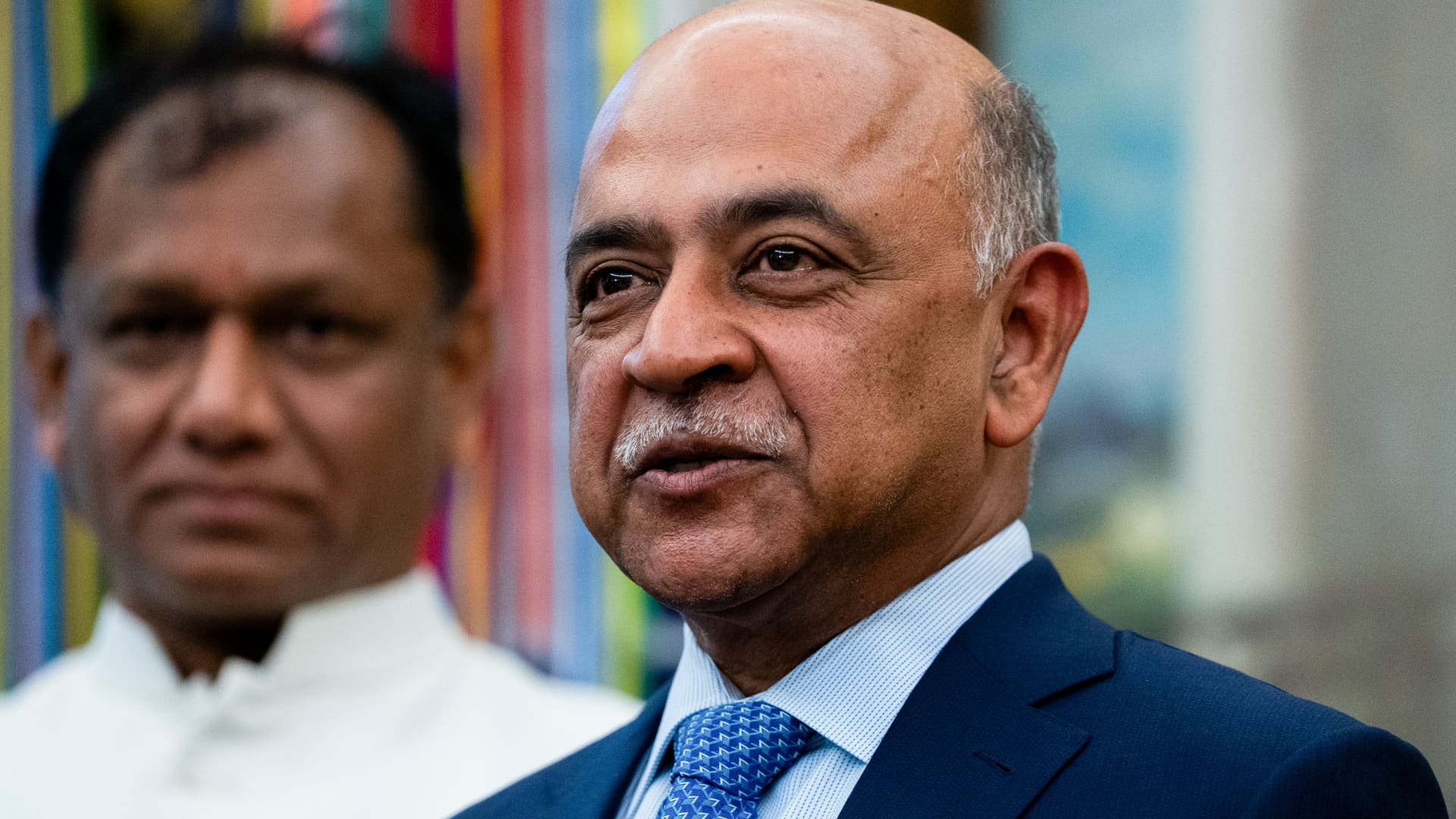
- Significant Investment: IBM has announced a $5 billion investment in a new cybersecurity platform aimed at addressing vulnerabilities in open-source software, which not only underscores the company's commitment to cybersecurity but also enhances its competitive position in the enterprise market.
- Project Partnerships: Dubbed Project Lightwell, the initiative has already attracted major U.S. banks such as Goldman Sachs, Morgan Stanley, JPMorgan, and Bank of America as early adopters, indicating strong market confidence and demand for IBM's new platform.
- Innovation Driven by Technology: CEO Arvind Krishna noted that Anthropic's Mythos model was a pivotal factor in driving this investment, highlighting the potential of large language models to discover and exploit vulnerabilities in code, which could reshape the cybersecurity landscape.
- Collaborative Industry Outlook: IBM and Red Hat are dedicating 20,000 software engineers to assist partners in securing software, with Krishna emphasizing that cybersecurity firms should be viewed as partners rather than competitors, a collaborative approach that could enhance overall industry security capabilities.
See More

Credit Card Giants Surpass Expectations
- Significant Revenue Growth: Visa reported $11.2 billion in revenue for the fiscal second quarter ending December 31, marking a 17% year-over-year increase, with total transactions rising from 73.8 billion to 79.8 billion and total payment volume increasing from $3.9 trillion to $4.3 trillion, indicating sustained consumer demand for credit cards.
- Strong Performance by Mastercard: Mastercard achieved a 16% revenue growth (12% on a constant currency basis) during the same quarter, with earnings per share rising from $3.59 to $4.35, and total transactions increasing by 8.5% to 52.3 billion, facilitating $2.7 trillion in goods and services purchases, reflecting strong market demand for its services.
- Future Growth Expectations: Both companies anticipate double-digit revenue growth in the foreseeable future, albeit likely in the low double digits, with analysts expecting profit growth to continue outpacing sales growth, indicating strong market confidence in the credit card business.
- Shift in Consumer Habits: As credit card usage rises in everyday spending, cash payments have dropped to just 7% by 2024, while credit cards have doubled their share to 17%, demonstrating that credit cards have become the primary payment method for consumers, enhancing Visa and Mastercard's market positions.
See More

Credit Card Usage Continues to Rise, Defying Expectations
- Significant Revenue Growth: Visa reported $11.2 billion in revenue for the fiscal second quarter ending December 31, marking a 17% year-over-year increase, indicating that consumers remain active in using credit cards despite economic uncertainties, thereby enhancing the company's market position.
- Transaction Volume Surge: Visa's payment transactions rose from 73.8 billion a year ago to 79.8 billion, with total payment volume increasing from over $3.9 trillion to about $4.3 trillion, demonstrating a deepening consumer reliance on credit cards and further solidifying its leadership in the payment processing market.
- Strong Mastercard Performance: Mastercard achieved a 16% revenue growth during the same period, with earnings per share rising from $3.59 to $4.35, and transaction volume increasing by 8.5% to 52.3 billion, reflecting the company's robust performance and future growth potential in the global payments market.
- Shift in Consumer Habits: Surveys indicate that over 50% of U.S. consumers now use credit cards for everyday expenses like groceries and utility bills, illustrating that credit cards have become a primary payment method in modern consumption, which enhances the long-term profitability of Visa and Mastercard.
See More
Mastercard Receives BitLicense from NYDFS
- Regulatory Approval: Mastercard announced on Wednesday that it has received a BitLicense from the New York State Department of Financial Services, which establishes consumer protection, cybersecurity, and financial integrity to ensure the safe development of digital assets.
- Strategic Alignment: This approval aligns with Mastercard's long-term strategy to responsibly engage with payment and settlement infrastructures supporting digital currencies like stablecoins and tokenized deposits, further solidifying the standards underpinning its global payments network.
- Market Environment Enhancement: The NYDFS has played a crucial role in providing regulatory clarity, fostering a safe and responsible environment for the development of digital assets, thereby promoting healthy industry growth.
- Future Growth Potential: By obtaining the BitLicense, Mastercard not only enhances its competitiveness in the digital payments space but also lays the groundwork for future innovations and market expansion, further elevating its leadership position in the fintech sector.
See More
Impact of Stablecoins on Payment Industry
- Rise of Stablecoins: Stablecoins have gained popularity due to their peg to the U.S. dollar, enabling low-cost, instant transfers over blockchain, posing a potential threat to PayPal, which saw its active accounts grow from 426 million in 2021 to only 439 million by 2025 amid slowing growth.
- Credit Card Giants' Response: Visa and Mastercard do not issue cards directly but rely on banks, generating revenue primarily through 1%-3% swipe fees; while stablecoins may pressure these fees, most businesses prefer to accept these widely used cards to maintain their customer base.
- Challenges for PayPal: PayPal's revenue model, which relies on transaction fees, is undermined by stablecoins offering instant transfers and lower costs, placing it at a disadvantage in an increasingly competitive digital payment landscape.
- Market Outlook Analysis: Although PayPal launched its own stablecoin, PayPal USD, to counter competition, this indicates a lowering of market entry barriers, suggesting that more stablecoin-powered payment platforms may emerge, further fragmenting market share.
See More
Visa, Mastercard, and Amex Integrate Stablecoins into Payment Networks
- Stablecoin Threat: Stablecoins, which are pegged to the U.S. dollar and allow for low-cost, instant transfers, have gained popularity, posing a greater threat to PayPal, which saw its active accounts grow only from 426 million in 2021 to 439 million in 2025, while Visa, Mastercard, and American Express remain less affected.
- Payment Network Integration: Visa and Mastercard do not issue their own cards but rely on banks to do so, generating revenue primarily through 1%-3% swipe fees; despite merchant demands for lower fees, most businesses continue to accept their widely used cards, indicating their strong market position.
- Consumer Protection Advantage: Visa and Mastercard offer robust consumer protection, fraud prevention, and dispute resolution services that stablecoins lack, leading them to test stablecoins for payment settlements within their networks, thereby enhancing their payment systems' efficiency.
- Amex's Unique Positioning: American Express, operating its own bank, targets affluent customers with attractive loyalty programs and travel services while exploring stablecoin usage, showcasing its competitive edge in the high-end market.
See More
IBM Invests $5 Billion in New Cybersecurity Platform
- Significant Investment: IBM has announced a $5 billion investment in a new cybersecurity platform aimed at addressing vulnerabilities in open-source software, which not only underscores the company's commitment to cybersecurity but also enhances its competitive position in the enterprise market.
- Project Partnerships: Dubbed Project Lightwell, the initiative has already attracted major U.S. banks such as Goldman Sachs, Morgan Stanley, JPMorgan, and Bank of America as early adopters, indicating strong market confidence and demand for IBM's new platform.
- Innovation Driven by Technology: CEO Arvind Krishna noted that Anthropic's Mythos model was a pivotal factor in driving this investment, highlighting the potential of large language models to discover and exploit vulnerabilities in code, which could reshape the cybersecurity landscape.
- Collaborative Industry Outlook: IBM and Red Hat are dedicating 20,000 software engineers to assist partners in securing software, with Krishna emphasizing that cybersecurity firms should be viewed as partners rather than competitors, a collaborative approach that could enhance overall industry security capabilities.
See More
Credit Card Giants Surpass Expectations
- Significant Revenue Growth: Visa reported $11.2 billion in revenue for the fiscal second quarter ending December 31, marking a 17% year-over-year increase, with total transactions rising from 73.8 billion to 79.8 billion and total payment volume increasing from $3.9 trillion to $4.3 trillion, indicating sustained consumer demand for credit cards.
- Strong Performance by Mastercard: Mastercard achieved a 16% revenue growth (12% on a constant currency basis) during the same quarter, with earnings per share rising from $3.59 to $4.35, and total transactions increasing by 8.5% to 52.3 billion, facilitating $2.7 trillion in goods and services purchases, reflecting strong market demand for its services.
- Future Growth Expectations: Both companies anticipate double-digit revenue growth in the foreseeable future, albeit likely in the low double digits, with analysts expecting profit growth to continue outpacing sales growth, indicating strong market confidence in the credit card business.
- Shift in Consumer Habits: As credit card usage rises in everyday spending, cash payments have dropped to just 7% by 2024, while credit cards have doubled their share to 17%, demonstrating that credit cards have become the primary payment method for consumers, enhancing Visa and Mastercard's market positions.
See More
Credit Card Usage Continues to Rise, Defying Expectations
- Significant Revenue Growth: Visa reported $11.2 billion in revenue for the fiscal second quarter ending December 31, marking a 17% year-over-year increase, indicating that consumers remain active in using credit cards despite economic uncertainties, thereby enhancing the company's market position.
- Transaction Volume Surge: Visa's payment transactions rose from 73.8 billion a year ago to 79.8 billion, with total payment volume increasing from over $3.9 trillion to about $4.3 trillion, demonstrating a deepening consumer reliance on credit cards and further solidifying its leadership in the payment processing market.
- Strong Mastercard Performance: Mastercard achieved a 16% revenue growth during the same period, with earnings per share rising from $3.59 to $4.35, and transaction volume increasing by 8.5% to 52.3 billion, reflecting the company's robust performance and future growth potential in the global payments market.
- Shift in Consumer Habits: Surveys indicate that over 50% of U.S. consumers now use credit cards for everyday expenses like groceries and utility bills, illustrating that credit cards have become a primary payment method in modern consumption, which enhances the long-term profitability of Visa and Mastercard.
See More