Analysis of Tesla's Robotaxi Growth Prospects
Written by Emily J. Thompson, Senior Investment Analyst
Updated: Apr 21 2026
0mins


Source: Fool
- Market Outlook Assessment: Tesla's robotaxi business is seen as a natural evolution in the electric vehicle market, with analysts projecting that by 2028, robotaxis will contribute over $2 billion in gross profit, accounting for 6.9% of Tesla's total gross profit, highlighting its potential profitability and market significance.
- Significant Cost Advantage: CEO Elon Musk has indicated that operational costs for robotaxis could be as low as $0.20 per mile, a cost advantage that could fundamentally transform the transportation market and attract more consumers to choose electric autonomous taxis.
- Huge Growth Potential: According to S&P Global Market Intelligence, analysts expect Tesla's total gross profit to grow from $17.1 billion in 2025 to $29.1 billion in 2028, with a compound annual growth rate of 19.4%, and robotaxi gross profit projected to reach $12 billion by 2029, making up 29% of total gross profit.
- Increased Investor Confidence: Despite Tesla's current P/E ratio of 200, investors are willing to overlook this due to optimistic expectations for the robotaxi business, indicating that developments in this area are crucial for Tesla's stock price and future growth.
Trade with 70% Backtested Accuracy
Stop guessing "Should I Buy TSLA?" and start using high-conviction signals backed by rigorous historical data.
Sign up today to access powerful investing tools and make smarter, data-driven decisions.
Analyst Views on TSLA
Wall Street analysts forecast TSLA stock price to fall
30 Analyst Rating
12 Buy
11 Hold
7 Sell
Hold
Current: 415.880

Low
25.28
Averages
401.93
High
600.00
Current: 415.880
Low
25.28
Averages
401.93
High
600.00
About TSLA
Tesla, Inc. designs, develops, manufactures, sells and leases high-performance fully electric vehicles and energy generation and storage systems, and offers services related to its products. Its segments include automotive, and energy generation and storage. The automotive segment includes the design, development, manufacturing, sales and leasing of high-performance fully electric vehicles, and sales of automotive regulatory credits. It also includes sales of used vehicles, non-warranty maintenance services and collisions, part sales, paid supercharging, insurance services revenue and retail merchandise sales. The energy generation and storage segment include the design, manufacture, installation, sales and leasing of solar energy generation and energy storage products and related services and sales of solar energy systems incentives. Its consumer vehicles include the Model 3, Y, S, X and Cybertruck. Its lithium-ion battery energy storage products include Powerwall and Megapack.
About the author

Emily J. Thompson
Emily J. Thompson, a Chartered Financial Analyst (CFA) with 12 years in investment research, graduated with honors from the Wharton School. Specializing in industrial and technology stocks, she provides in-depth analysis for Intellectia’s earnings and market brief reports.

SpaceX IPO Sparks Excitement and Skepticism

- IPO Anticipation: SpaceX is set to launch its IPO on June 12, 2026, with a revised target valuation of $1.8 trillion, which, despite being lower than the initial $2 trillion, will still position it as the eighth-largest U.S. company, underscoring its dominance in the aerospace market.
- Significant Revenue Growth: In 2025, SpaceX reported $18.7 billion in revenue, a 33% year-over-year increase, with Starlink contributing $11.4 billion; while the overall company remains unprofitable, Starlink's operating income of $4.4 billion indicates strong business potential.
- Valuation Controversy: Despite revenue growth, SpaceX's valuation of $1.8 trillion corresponds to a price-to-sales ratio exceeding 96x, significantly higher than Tesla's 15.7x, raising skepticism about the sustainability of its growth, especially given a substantial increase in net losses in Q1.
- Market Outlook and Risks: SpaceX's claimed total addressable market of $28.5 trillion is touted as the largest in history, yet much of it is based on ambitious future plans, prompting investors to carefully assess the actual value and risks associated with the IPO.
See More

Speculation Grows Around SpaceX-Tesla Merger
- Merger Expectations Rise: With SpaceX aiming for a $2 trillion valuation in its IPO, speculation about a merger with Tesla is intensifying, as over half of bettors predict it will occur before May 1, 2027, which could significantly impact the future market performance of both companies.
- Frequent Internal Discussions: A Tesla employee revealed that merger discussions are common within the company, indicating a strong expectation among staff, particularly as both companies have substantial investments in artificial intelligence, which could facilitate technological integration and synergies.
- Significant Funding Challenges: Despite Tesla's cash reserves of approximately $45 billion, SpaceX only has about $16.6 billion, meaning that funding the merger could compel the acquirer to raise substantial debt or issue new shares, leading to significant dilution and potentially undermining investor confidence.
- Cautious Market Reaction: Analysts warn that the merger could lead to skepticism regarding the valuation of the combined entity, especially considering the potential for lower multiples and investor reluctance towards new business areas, which may affect the merger's success rate.
See More
Marvell Technology Stock Soars 25% After Nvidia CEO's Remarks


- Stock Surge: Marvell Technology's stock skyrocketed over 25% after Nvidia CEO Jensen Huang labeled it as “the next trillion-dollar company,” reflecting strong market confidence in the AI sector.
- Industry Spotlight: Hewlett Packard Enterprise shares surged over 30% following better-than-expected fiscal second-quarter results, indicating that AI infrastructure is becoming a focal point for investors, potentially driving further growth for related companies.
- Market Dynamics: Deutsche Bank highlighted that the S&P 500 increased by 16% over two months, a pattern seen only four times historically, with three instances following recessions, suggesting current market fragility and concentration.
- Future Outlook: As the AI market rapidly evolves, analysts predict that Marvell and other related companies will experience growth moments akin to Dell and HPE in upcoming earnings reports, further propelling the overall industry forward.
See More
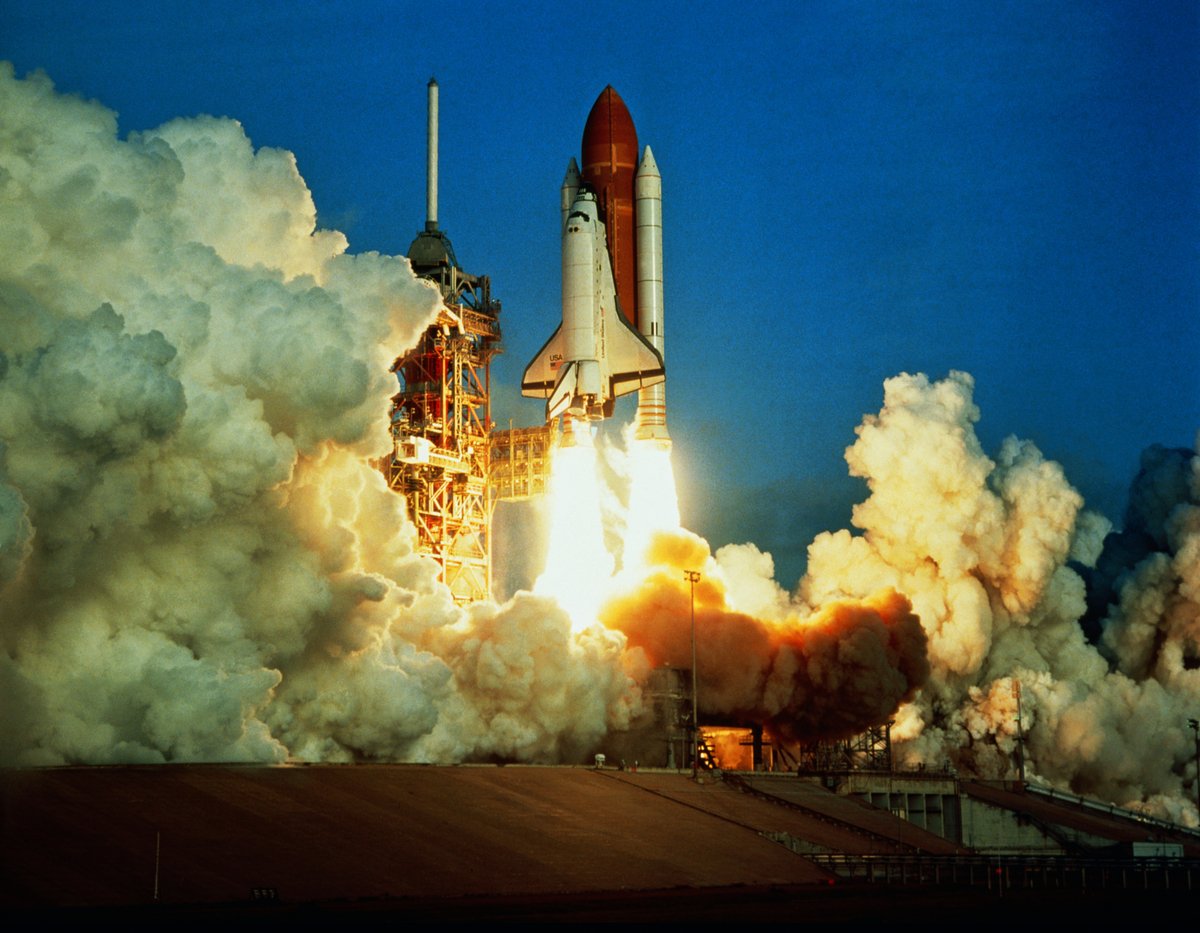
Analysis of Potential Merger Between Tesla and SpaceX
- AI Investment Focus: Over 75% of SpaceX's $10.1 billion capital expenditures in Q1 were allocated to artificial intelligence, highlighting its strategic emphasis on AI infrastructure, while Tesla's capital expenditures are projected to triple to $25 billion this year, indicating a shared pursuit of AI growth opportunities that could drive future synergies.
- Merger Possibility: Elon Musk has discussed the potential merger of Tesla and SpaceX, with employees believing that such a consolidation would eliminate conflicts of interest, allowing for more flexible resource allocation, especially after Musk diverted hundreds of millions of dollars in Nvidia chips from Tesla to xAI, reinforcing this strategic direction.
- IPO Capital Impact: With SpaceX's upcoming IPO expected to raise between $50 billion and $75 billion, this capital could significantly support Musk's various businesses if a merger with Tesla occurs, particularly following SpaceX's previous merger with xAI, enhancing the merger's appeal.
- Regulatory Challenges: While the potential benefits of a merger are clear, the complex process may face regulatory hurdles, especially considering Musk's majority voting power among SpaceX shareholders, which could impact the merger's feasibility.
See More

SpaceX Plans IPO This Summer, Potential Merger with Tesla
- IPO Plans: SpaceX is set to launch its initial public offering (IPO) this summer, potentially achieving a valuation between $50 billion and $75 billion within weeks, which would position it as the highest-valued space stock globally and provide substantial capital for future operations.
- AI Investment Focus: Over 75% of SpaceX's capital expenditures in Q1, approximately $7.58 billion, were tied to artificial intelligence, while Tesla's capital expenditures are projected to triple this year to $25 billion, indicating significant strategic overlap and synergies in AI initiatives between the two companies.
- Merger Potential: Elon Musk has been merging interests across his businesses, with employees believing that a merger between SpaceX and Tesla is likely, which would eliminate conflicts of interest and allow for more flexible resource allocation, enhancing operational efficiency across the board.
- Regulatory Challenges: Although a merger would face complex regulatory hurdles, Musk's majority control over SpaceX's voting power significantly increases the likelihood of this merger, which could streamline his business empire and optimize resource distribution across his ventures.
See More
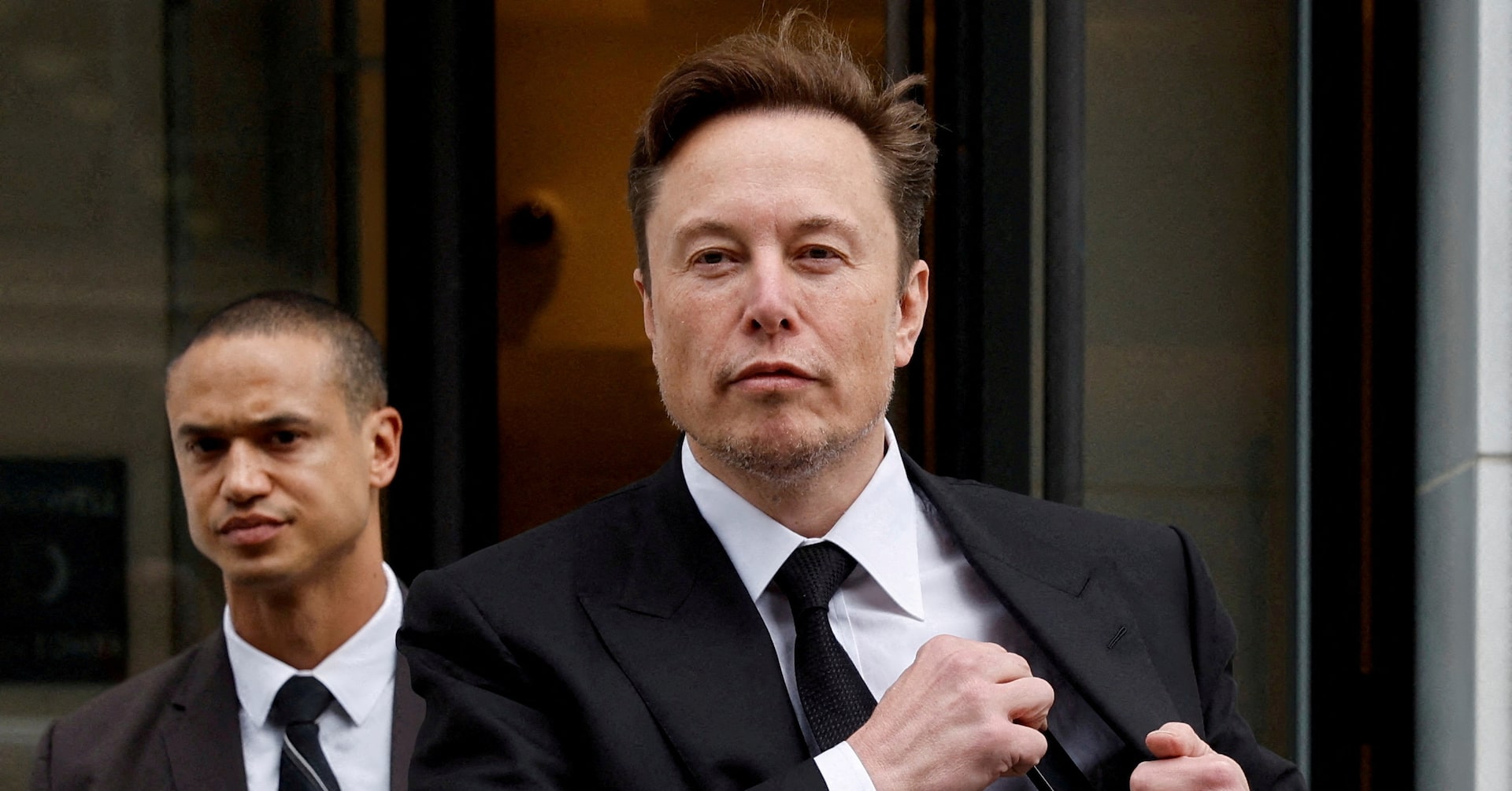
Tesla's Chinese EV Sales Surge 39.4% Amid Competition
- Sales Growth: Tesla's electric vehicle sales in China surged by 39.4% year-over-year, indicating the company's ability to maintain market share amidst intensifying competition, showcasing the strong appeal of its brand.
- Record Deliveries: Data from the China Passenger Car Association reveals that deliveries of Model 3 and Model Y vehicles from Tesla's Shanghai plant reached 85,982 units, an 8.2% increase from April, which not only boosts the company's production efficiency but also strengthens its competitive position in the global market.
- Intensifying Competition: Despite facing pressure from local Chinese rivals, Tesla has achieved six consecutive months of sales growth, underscoring its leadership position and brand loyalty in the electric vehicle market.
- Export Market Expansion: The delivery figures also include units exported to Europe and other markets, further indicating Tesla's strategy for global expansion in the electric vehicle sector, enhancing its influence in international markets.
See More
SpaceX IPO Sparks Excitement and Skepticism
- IPO Anticipation: SpaceX is set to launch its IPO on June 12, 2026, with a revised target valuation of $1.8 trillion, which, despite being lower than the initial $2 trillion, will still position it as the eighth-largest U.S. company, underscoring its dominance in the aerospace market.
- Significant Revenue Growth: In 2025, SpaceX reported $18.7 billion in revenue, a 33% year-over-year increase, with Starlink contributing $11.4 billion; while the overall company remains unprofitable, Starlink's operating income of $4.4 billion indicates strong business potential.
- Valuation Controversy: Despite revenue growth, SpaceX's valuation of $1.8 trillion corresponds to a price-to-sales ratio exceeding 96x, significantly higher than Tesla's 15.7x, raising skepticism about the sustainability of its growth, especially given a substantial increase in net losses in Q1.
- Market Outlook and Risks: SpaceX's claimed total addressable market of $28.5 trillion is touted as the largest in history, yet much of it is based on ambitious future plans, prompting investors to carefully assess the actual value and risks associated with the IPO.
See More
Speculation Grows Around SpaceX-Tesla Merger
- Merger Expectations Rise: With SpaceX aiming for a $2 trillion valuation in its IPO, speculation about a merger with Tesla is intensifying, as over half of bettors predict it will occur before May 1, 2027, which could significantly impact the future market performance of both companies.
- Frequent Internal Discussions: A Tesla employee revealed that merger discussions are common within the company, indicating a strong expectation among staff, particularly as both companies have substantial investments in artificial intelligence, which could facilitate technological integration and synergies.
- Significant Funding Challenges: Despite Tesla's cash reserves of approximately $45 billion, SpaceX only has about $16.6 billion, meaning that funding the merger could compel the acquirer to raise substantial debt or issue new shares, leading to significant dilution and potentially undermining investor confidence.
- Cautious Market Reaction: Analysts warn that the merger could lead to skepticism regarding the valuation of the combined entity, especially considering the potential for lower multiples and investor reluctance towards new business areas, which may affect the merger's success rate.
See More
Marvell Technology Stock Soars 25% After Nvidia CEO's Remarks
- Stock Surge: Marvell Technology's stock skyrocketed over 25% after Nvidia CEO Jensen Huang labeled it as “the next trillion-dollar company,” reflecting strong market confidence in the AI sector.
- Industry Spotlight: Hewlett Packard Enterprise shares surged over 30% following better-than-expected fiscal second-quarter results, indicating that AI infrastructure is becoming a focal point for investors, potentially driving further growth for related companies.
- Market Dynamics: Deutsche Bank highlighted that the S&P 500 increased by 16% over two months, a pattern seen only four times historically, with three instances following recessions, suggesting current market fragility and concentration.
- Future Outlook: As the AI market rapidly evolves, analysts predict that Marvell and other related companies will experience growth moments akin to Dell and HPE in upcoming earnings reports, further propelling the overall industry forward.
See More
Analysis of Potential Merger Between Tesla and SpaceX
- AI Investment Focus: Over 75% of SpaceX's $10.1 billion capital expenditures in Q1 were allocated to artificial intelligence, highlighting its strategic emphasis on AI infrastructure, while Tesla's capital expenditures are projected to triple to $25 billion this year, indicating a shared pursuit of AI growth opportunities that could drive future synergies.
- Merger Possibility: Elon Musk has discussed the potential merger of Tesla and SpaceX, with employees believing that such a consolidation would eliminate conflicts of interest, allowing for more flexible resource allocation, especially after Musk diverted hundreds of millions of dollars in Nvidia chips from Tesla to xAI, reinforcing this strategic direction.
- IPO Capital Impact: With SpaceX's upcoming IPO expected to raise between $50 billion and $75 billion, this capital could significantly support Musk's various businesses if a merger with Tesla occurs, particularly following SpaceX's previous merger with xAI, enhancing the merger's appeal.
- Regulatory Challenges: While the potential benefits of a merger are clear, the complex process may face regulatory hurdles, especially considering Musk's majority voting power among SpaceX shareholders, which could impact the merger's feasibility.
See More
SpaceX Plans IPO This Summer, Potential Merger with Tesla
- IPO Plans: SpaceX is set to launch its initial public offering (IPO) this summer, potentially achieving a valuation between $50 billion and $75 billion within weeks, which would position it as the highest-valued space stock globally and provide substantial capital for future operations.
- AI Investment Focus: Over 75% of SpaceX's capital expenditures in Q1, approximately $7.58 billion, were tied to artificial intelligence, while Tesla's capital expenditures are projected to triple this year to $25 billion, indicating significant strategic overlap and synergies in AI initiatives between the two companies.
- Merger Potential: Elon Musk has been merging interests across his businesses, with employees believing that a merger between SpaceX and Tesla is likely, which would eliminate conflicts of interest and allow for more flexible resource allocation, enhancing operational efficiency across the board.
- Regulatory Challenges: Although a merger would face complex regulatory hurdles, Musk's majority control over SpaceX's voting power significantly increases the likelihood of this merger, which could streamline his business empire and optimize resource distribution across his ventures.
See More
Tesla's Chinese EV Sales Surge 39.4% Amid Competition
- Sales Growth: Tesla's electric vehicle sales in China surged by 39.4% year-over-year, indicating the company's ability to maintain market share amidst intensifying competition, showcasing the strong appeal of its brand.
- Record Deliveries: Data from the China Passenger Car Association reveals that deliveries of Model 3 and Model Y vehicles from Tesla's Shanghai plant reached 85,982 units, an 8.2% increase from April, which not only boosts the company's production efficiency but also strengthens its competitive position in the global market.
- Intensifying Competition: Despite facing pressure from local Chinese rivals, Tesla has achieved six consecutive months of sales growth, underscoring its leadership position and brand loyalty in the electric vehicle market.
- Export Market Expansion: The delivery figures also include units exported to Europe and other markets, further indicating Tesla's strategy for global expansion in the electric vehicle sector, enhancing its influence in international markets.
See More