Analysis of Oil Companies' Capital Return Frameworks
Written by Emily J. Thompson, Senior Investment Analyst
Updated: Apr 22 2026
0mins


Source: NASDAQ.COM
- Chord Energy Capital Return: Chord Energy has established a premier position in the Williston Basin, and with a leverage ratio of 0.6 in Q4, it returned 48% of its adjusted free cash flow to investors through base dividends and share repurchases, with expectations for increased returns in the future.
- Diamondback Energy Commitment: Diamondback Energy's operations in the Permian Basin allow it to generate $3.1 billion in free cash flow at $50 oil, having returned 62% of its free cash flow to shareholders in Q4, and is expected to continue this trend through higher base dividends and share repurchases.
- EOG Resources Free Cash Flow: EOG Resources, with a diversified portfolio, is projected to generate $4.5 billion in free cash flow this year, returning 100% of it to shareholders through a growing base dividend and share repurchases, with further increases anticipated.
- Impact of Rising Oil Prices: The surge in oil prices, driven by the conflict with Iran, has pushed Brent crude to $95 per barrel, prompting companies like Chord, Diamondback, and EOG to plan for returning excess profits to shareholders in the form of higher dividends, showcasing their strong profitability in the current market.
Trade with 70% Backtested Accuracy
Stop guessing "Should I Buy FANG?" and start using high-conviction signals backed by rigorous historical data.
Sign up today to access powerful investing tools and make smarter, data-driven decisions.
Analyst Views on FANG
Wall Street analysts forecast FANG stock price to rise
19 Analyst Rating
18 Buy
1 Hold
0 Sell
Strong Buy
Current: 172.040

Low
158.00
Averages
180.94
High
218.00
Current: 172.040
Low
158.00
Averages
180.94
High
218.00
About FANG
Diamondback Energy, Inc. is an independent oil and natural gas company, focused on the acquisition, development, exploration and exploitation of unconventional, onshore oil and natural gas reserves primarily in the Permian Basin in West Texas. The Company's activities are primarily directed at the horizontal development of the Wolfcamp and Spraberry formations in the Midland Basin and the Wolfcamp and Bone Spring formations in the Delaware Basin within the Permian Basin. Its subsidiary, Viper Energy, Inc., focuses on owning and acquiring mineral interests and royalty interests in oil and natural gas properties primarily in the Permian Basin. The Company has approximately 890,496 net acres, which primarily consists of 797,074 net acres in the Midland Basin and 93,422 net acres in the Delaware Basin. Its subsidiaries include Diamondback E&P LLC, Rattler Midstream GP LLC, Rattler Midstream LP, Diamondback RE Holdco LLC, Eclipse Merger Sub II, LLC, and QEP Resources, Inc.
About the author

Emily J. Thompson
Emily J. Thompson, a Chartered Financial Analyst (CFA) with 12 years in investment research, graduated with honors from the Wharton School. Specializing in industrial and technology stocks, she provides in-depth analysis for Intellectia’s earnings and market brief reports.

Analysis of Oil Price Volatility Post Middle East Conflict

- Oil Price Impact: The geopolitical conflict in the Middle East caused a sharp rise in oil prices, which subsequently fell back to pre-conflict levels, highlighting the high volatility of the oil market, necessitating cautious investor strategies to protect assets.
- Sustained Energy Demand: Despite the global shift towards cleaner energy, oil and gas remain crucial for the economy, with future demand expected to remain high, particularly as digitalization and economic development accelerate.
- Financial Stability: ExxonMobil and Chevron have debt-to-equity ratios of 0.19 and 0.25, respectively, indicating strong financial health that allows them to leverage debt to support operations during market downturns, enhancing investor confidence.
- Dividend Growth Potential: Despite oil price fluctuations, both ExxonMobil and Chevron have increased dividends for decades, with Chevron offering a 4.1% yield and ExxonMobil at 3%, appealing to income-focused investors.
See More
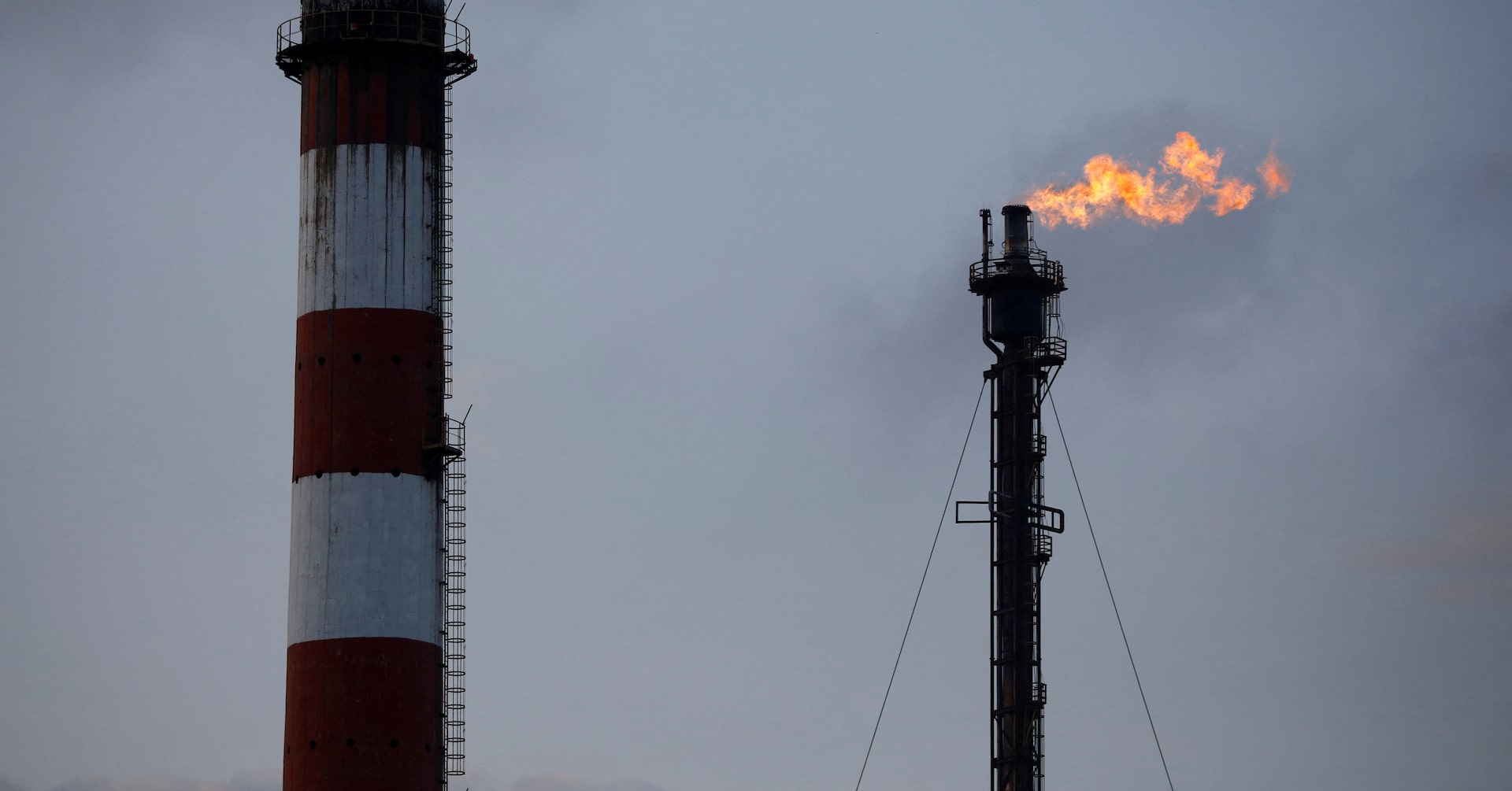
Oil Prices Fall Post-Middle East Conflict, Energy Stocks Remain Attractive
- Oil Price Volatility: The geopolitical conflict in the Middle East caused a sharp rise in oil prices, but as tensions eased, prices have returned to pre-conflict levels, indicating concerns about industry fundamentals and potential for future increases.
- Sustained Energy Demand: Despite a global shift towards cleaner energy, the conflict has reaffirmed the critical role of oil and natural gas in the world economy, with expectations for demand to remain steady or slightly higher in the future.
- Diversification Advantages: ExxonMobil and Chevron, as two of the world's largest energy companies, benefit from integrated operations across production, transportation, and processing, allowing them to maintain stability amid price fluctuations, supported by low debt ratios.
- Dividend Appeal: Both companies have increased dividends for decades despite oil volatility, with Chevron offering a 4.1% yield, making them attractive to income-focused investors and demonstrating resilience in uncertain markets.
See More

Viper Energy Completes Acquisition of Riverbend Oil & Gas IX for $337 Million


- Acquisition Completed: Viper Energy has finalized its acquisition of Riverbend Oil & Gas IX for $337 million in cash and approximately 3.7 million shares, enhancing its asset portfolio in mineral and royalty interests and solidifying its market position in the Permian Basin.
- Diverse Funding Sources: The cash portion of the acquisition was financed through a combination of cash on hand and borrowings from the company's credit facility, demonstrating Viper's financial flexibility and stability, which will support its future expansion plans.
- Strategic Implications: This acquisition not only expands Viper's asset base in the oil and gas sector but also potentially increases its future revenue prospects, enhancing its resilience in a competitive market.
- Market Outlook: The acquisition positions Viper to better capitalize on resources in the Permian Basin, expected to provide long-term growth opportunities, particularly against the backdrop of rising oil and gas demand.
See More

Viper Energy Completes Acquisition of Riverbend Oil & Gas for $337 Million
- Acquisition Completed: Viper Energy has finalized its acquisition of Riverbend Oil & Gas IX, L.L.C. for a total of $337 million in cash and approximately 3.7 million shares of common stock, marking a significant expansion in the company's mineral and royalty interests.
- Diverse Funding Sources: The cash portion of the acquisition was financed through a combination of cash on hand and borrowings from the company's credit facility, enhancing liquidity management and laying the groundwork for future acquisitions.
- Strategic Focus: As a subsidiary of Diamondback Energy, Viper Energy concentrates on acquiring and developing oil and gas assets in North America, particularly in the Permian Basin of Texas, further solidifying its market position in the region.
- Outlook and Risks: Despite risks associated with market volatility and changes in supply and demand, Viper anticipates that the acquisition will positively impact its future financial performance and operational efficiency, strengthening its competitive edge in the oil and gas industry.
See More

Viper Energy to Release Q2 2026 Financial Results on August 3
- Earnings Release Announcement: Viper Energy has announced that it will release its second quarter 2026 financial results after market close on August 3, indicating the company's commitment to transparency and investor communication.
- Investor Conference Call: The company will host a conference call and webcast on August 4, 2026, at 10:00 a.m. CT to discuss its financial results with investors and analysts, aimed at enhancing market confidence.
- Company Overview: Viper Energy, a subsidiary of Diamondback Energy, focuses on owning, acquiring, and exploiting oil and gas properties in North America, particularly in the Permian Basin, highlighting its strategic positioning in the oil and gas sector.
- Diamondback Energy Profile: As an independent oil and gas company, Diamondback Energy is dedicated to the acquisition, development, exploration, and exploitation of unconventional oil and gas reserves, further solidifying its market position in West Texas.
See More
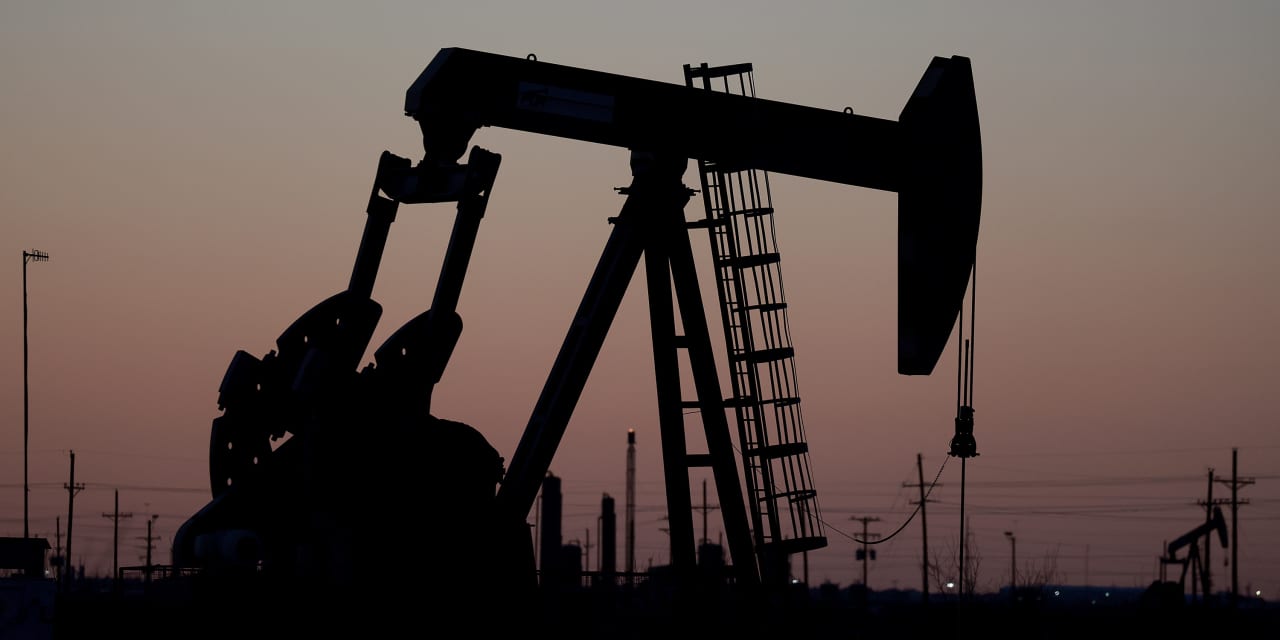
Diamondback Energy Announces Q2 2026 Earnings Release Schedule
- Earnings Release Plan: Diamondback Energy plans to release its Q2 2026 financial results on August 3, 2026, after market close, reflecting the company's commitment to transparency and investor communication.
- Investor Conference Call: The company will host a conference call on August 4, 2026, at 8:00 a.m. CT to discuss its Q2 results, aiming to enhance interaction with investors and analysts, thereby boosting market confidence.
- Webcast Availability: The earnings call will be accessible via live webcast and replay on the company's website, ensuring that investors can obtain key information promptly, which further enhances information accessibility.
- Company Background: Diamondback Energy is an independent oil and natural gas company headquartered in Midland, Texas, focused on the acquisition and development of unconventional oil and gas reserves in the Permian Basin, showcasing its expertise and market positioning in the industry.
See More
Analysis of Oil Price Volatility Post Middle East Conflict
- Oil Price Impact: The geopolitical conflict in the Middle East caused a sharp rise in oil prices, which subsequently fell back to pre-conflict levels, highlighting the high volatility of the oil market, necessitating cautious investor strategies to protect assets.
- Sustained Energy Demand: Despite the global shift towards cleaner energy, oil and gas remain crucial for the economy, with future demand expected to remain high, particularly as digitalization and economic development accelerate.
- Financial Stability: ExxonMobil and Chevron have debt-to-equity ratios of 0.19 and 0.25, respectively, indicating strong financial health that allows them to leverage debt to support operations during market downturns, enhancing investor confidence.
- Dividend Growth Potential: Despite oil price fluctuations, both ExxonMobil and Chevron have increased dividends for decades, with Chevron offering a 4.1% yield and ExxonMobil at 3%, appealing to income-focused investors.
See More
Oil Prices Fall Post-Middle East Conflict, Energy Stocks Remain Attractive
- Oil Price Volatility: The geopolitical conflict in the Middle East caused a sharp rise in oil prices, but as tensions eased, prices have returned to pre-conflict levels, indicating concerns about industry fundamentals and potential for future increases.
- Sustained Energy Demand: Despite a global shift towards cleaner energy, the conflict has reaffirmed the critical role of oil and natural gas in the world economy, with expectations for demand to remain steady or slightly higher in the future.
- Diversification Advantages: ExxonMobil and Chevron, as two of the world's largest energy companies, benefit from integrated operations across production, transportation, and processing, allowing them to maintain stability amid price fluctuations, supported by low debt ratios.
- Dividend Appeal: Both companies have increased dividends for decades despite oil volatility, with Chevron offering a 4.1% yield, making them attractive to income-focused investors and demonstrating resilience in uncertain markets.
See More
Viper Energy Completes Acquisition of Riverbend Oil & Gas IX for $337 Million
- Acquisition Completed: Viper Energy has finalized its acquisition of Riverbend Oil & Gas IX for $337 million in cash and approximately 3.7 million shares, enhancing its asset portfolio in mineral and royalty interests and solidifying its market position in the Permian Basin.
- Diverse Funding Sources: The cash portion of the acquisition was financed through a combination of cash on hand and borrowings from the company's credit facility, demonstrating Viper's financial flexibility and stability, which will support its future expansion plans.
- Strategic Implications: This acquisition not only expands Viper's asset base in the oil and gas sector but also potentially increases its future revenue prospects, enhancing its resilience in a competitive market.
- Market Outlook: The acquisition positions Viper to better capitalize on resources in the Permian Basin, expected to provide long-term growth opportunities, particularly against the backdrop of rising oil and gas demand.
See More
Viper Energy Completes Acquisition of Riverbend Oil & Gas for $337 Million
- Acquisition Completed: Viper Energy has finalized its acquisition of Riverbend Oil & Gas IX, L.L.C. for a total of $337 million in cash and approximately 3.7 million shares of common stock, marking a significant expansion in the company's mineral and royalty interests.
- Diverse Funding Sources: The cash portion of the acquisition was financed through a combination of cash on hand and borrowings from the company's credit facility, enhancing liquidity management and laying the groundwork for future acquisitions.
- Strategic Focus: As a subsidiary of Diamondback Energy, Viper Energy concentrates on acquiring and developing oil and gas assets in North America, particularly in the Permian Basin of Texas, further solidifying its market position in the region.
- Outlook and Risks: Despite risks associated with market volatility and changes in supply and demand, Viper anticipates that the acquisition will positively impact its future financial performance and operational efficiency, strengthening its competitive edge in the oil and gas industry.
See More
Viper Energy to Release Q2 2026 Financial Results on August 3
- Earnings Release Announcement: Viper Energy has announced that it will release its second quarter 2026 financial results after market close on August 3, indicating the company's commitment to transparency and investor communication.
- Investor Conference Call: The company will host a conference call and webcast on August 4, 2026, at 10:00 a.m. CT to discuss its financial results with investors and analysts, aimed at enhancing market confidence.
- Company Overview: Viper Energy, a subsidiary of Diamondback Energy, focuses on owning, acquiring, and exploiting oil and gas properties in North America, particularly in the Permian Basin, highlighting its strategic positioning in the oil and gas sector.
- Diamondback Energy Profile: As an independent oil and gas company, Diamondback Energy is dedicated to the acquisition, development, exploration, and exploitation of unconventional oil and gas reserves, further solidifying its market position in West Texas.
See More
Diamondback Energy Announces Q2 2026 Earnings Release Schedule
- Earnings Release Plan: Diamondback Energy plans to release its Q2 2026 financial results on August 3, 2026, after market close, reflecting the company's commitment to transparency and investor communication.
- Investor Conference Call: The company will host a conference call on August 4, 2026, at 8:00 a.m. CT to discuss its Q2 results, aiming to enhance interaction with investors and analysts, thereby boosting market confidence.
- Webcast Availability: The earnings call will be accessible via live webcast and replay on the company's website, ensuring that investors can obtain key information promptly, which further enhances information accessibility.
- Company Background: Diamondback Energy is an independent oil and natural gas company headquartered in Midland, Texas, focused on the acquisition and development of unconventional oil and gas reserves in the Permian Basin, showcasing its expertise and market positioning in the industry.
See More