Alector's Dementia Program Stopped Due to Clinical Setback, Workforce Cutbacks Implemented

Trial Results: Alector, Inc. announced that its Phase 3 INFRONT-3 trial for latozinemab in treating frontotemporal dementia caused by a progranulin gene mutation did not meet its primary endpoint, although it showed a significant effect on plasma progranulin concentrations.
Workforce Reduction: The company is reducing its workforce by approximately 49% and plans to discontinue the open-label extension of the INFRONT-3 trial due to the trial results.
Pipeline Developments: Alector is continuing its collaboration with GSK on nivisnebart in a Phase 2 trial for early Alzheimer's disease, with trial completion expected in 2026.
Stock Performance: Following the trial results, Alector's stock fell by over 51%, nearing its 52-week low, and analysts have downgraded the company's outlook.
Trade with 70% Backtested Accuracy
Analyst Views on GSK

About GSK
About the author


GSK Reports Positive Phase III Results for Hepatitis B Treatment Bepirovirsen

- Successful Clinical Trials: GSK's hepatitis B treatment bepirovirsen demonstrated positive results in Phase III B-Well 1 and B-Well 2 trials, with 19% of patients achieving a functional cure compared to 0% in the placebo group, indicating a potential breakthrough in hepatitis B treatment.
- Outstanding Performance in Low Viral Load Patients: Among patients with lower baseline viral activity, the functional cure rate increased to 26%, showcasing the drug's significant efficacy in specific patient populations and potentially changing the landscape of hepatitis B therapy.
- Sustained Viral Suppression Rate: After stopping therapy for 72 weeks, 23% of bepirovirsen-treated patients achieved sustained viral suppression, while none in the placebo group did, highlighting the drug's potential for long-term efficacy.
- Regulatory Review Progress: Bepirovirsen is currently under priority review by the U.S. FDA and undergoing regulatory assessments in Europe, Japan, and China, with GSK expecting the first regulatory decisions in Q3 2026, indicating a promising market outlook.
Regulatory Approvals and Collaborations in Biotech Sector


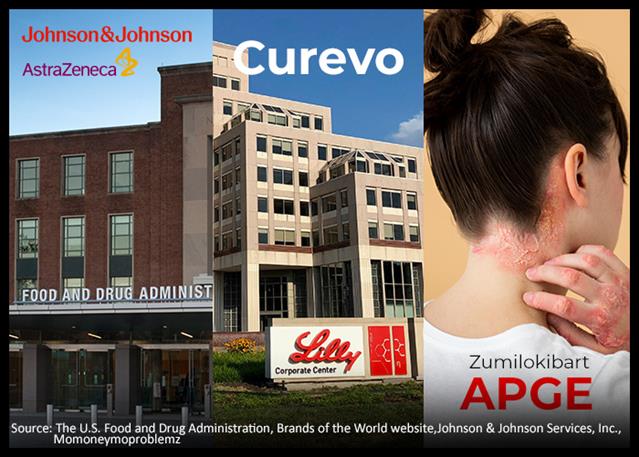
- FDA Approval for AZN: AstraZeneca (AZN) secured FDA approval for the IMFINZI + BCG combination in high-risk non-muscle-invasive bladder cancer, supported by Phase 3 POTOMAC data showing a 32% reduction in recurrence or death, enhancing its competitive edge in oncology.
- JNJ TREMFYA Label Expansion: Johnson & Johnson (JNJ) received FDA approval to add structural joint-damage inhibition data to the TREMFYA label for active psoriatic arthritis, confirming its unique position in first-line treatment with no new safety signals, reinforcing its market leadership.
- LINZESS Approved for Children: Ironwood Pharmaceuticals (IRWD) gained FDA approval for LINZESS to treat functional constipation in children aged 2-5, based on a 12-week Phase 3 trial showing significant improvement in spontaneous bowel movements, expanding its pediatric market influence.
- AbbVie's DECNUPAZ Approval: AbbVie (ABBV) received FDA approval for DECNUPAZ to treat ultra-rare blood cancer BPDCN, supported by Phase 1 data showing a 69.7% composite complete response rate and a median duration of 9.7 months, marking a significant innovation in hematologic oncology.
GSK's Antisense Drug Shows Promise in Hepatitis B Trials
- Clinical Trial Success: GSK's antisense drug bepirovirsen, developed with Ionis Pharma, achieved a 19% functional cure rate in two late-stage trials, significantly surpassing the current standard treatment's less than 1% cure rate, marking a new hope for chronic hepatitis B treatment.
- Significant Treatment Effects: In the B-Well 1 and B-Well 2 Phase 3 trials, six months of bepirovirsen therapy resulted in undetectable hepatitis B virus DNA and surface antigens for at least six months post-therapy, demonstrating clinically meaningful efficacy.
- Good Safety Profile: Conducted across 29 countries with chronic hepatitis patients, the studies indicated that bepirovirsen has an acceptable safety and tolerability profile consistent with previous trials, laying a solid foundation for its future market application.
- Long-term Impact Potential: GSK's science chief Tony Wood emphasized that bepirovirsen not only offers the potential for significantly improved functional cure rates but also may reduce the risk of long-term liver complications, including cancer, indicating a major advancement in chronic hepatitis B treatment.

Eli Lilly Returns to Vaccine Market with $4 Billion Acquisition of Three Companies

- Return to Vaccine Market: Eli Lilly announced the acquisition of three vaccine manufacturers for nearly $4 billion, including $1.5 billion for Curevo, which is developing a shingles vaccine, marking its return to the vaccine and infectious disease sector despite regulatory uncertainties.
- Vaccine Development Potential: Curevo's shingles vaccine demonstrated a lower incidence of side effects in phase 2 trials (7.3% compared to GSK's 33%), which could enhance patient uptake and completion rates, thereby strengthening Lilly's competitive position in the vaccine market.
- Strategic Acquisitions: By acquiring Vaccine Company, Lilly aims to potentially launch the first-ever vaccine for the common virus EBV, which is linked to various serious diseases, presenting significant market potential given that around 95% of adults are infected with the virus.
- Market Opportunity Analysis: Although Lilly did not provide revenue estimates for the new vaccines, considering GSK's Shingrix vaccine generated $4.8 billion in sales in 2025, Lilly's new vaccine products could capture a share of the market, particularly with the shingles vaccine's competitive potential.

Volatility in UK Assets Amid Political Turmoil and Investment Opportunities


- Political Turmoil Impacting Markets: The recent volatility in UK assets, particularly the 10-year gilt yield nearing post-2008 highs, reflects market uncertainty stemming from Prime Minister Keir Starmer's questioned leadership and potential challenges from rival Andy Burnham.
- Investor Optimism on Large Caps: Despite the political upheaval, Citi analysts maintain a bullish outlook on the FTSE 100, citing its significant commodity and defensive exposure as a geopolitical hedge, indicating strong investor confidence in large-cap stocks.
- Opportunities in Small Caps: Jupiter Asset Management's Adrian Gosden highlights that while small and mid-cap stocks (SMIDs) face severe challenges, identifying financially sound companies could yield substantial returns, especially given the current pessimistic market sentiment.
- Attraction of SALO Businesses: Ben Needham from Ninety One notes that the market's harsh treatment of soft asset, low obsolescence SALO businesses has created attractive investment opportunities, particularly as many companies accelerate buybacks and cash returns, signaling strong value amidst the turmoil.
WHO Warns of Potential Worsening of Ebola Outbreak

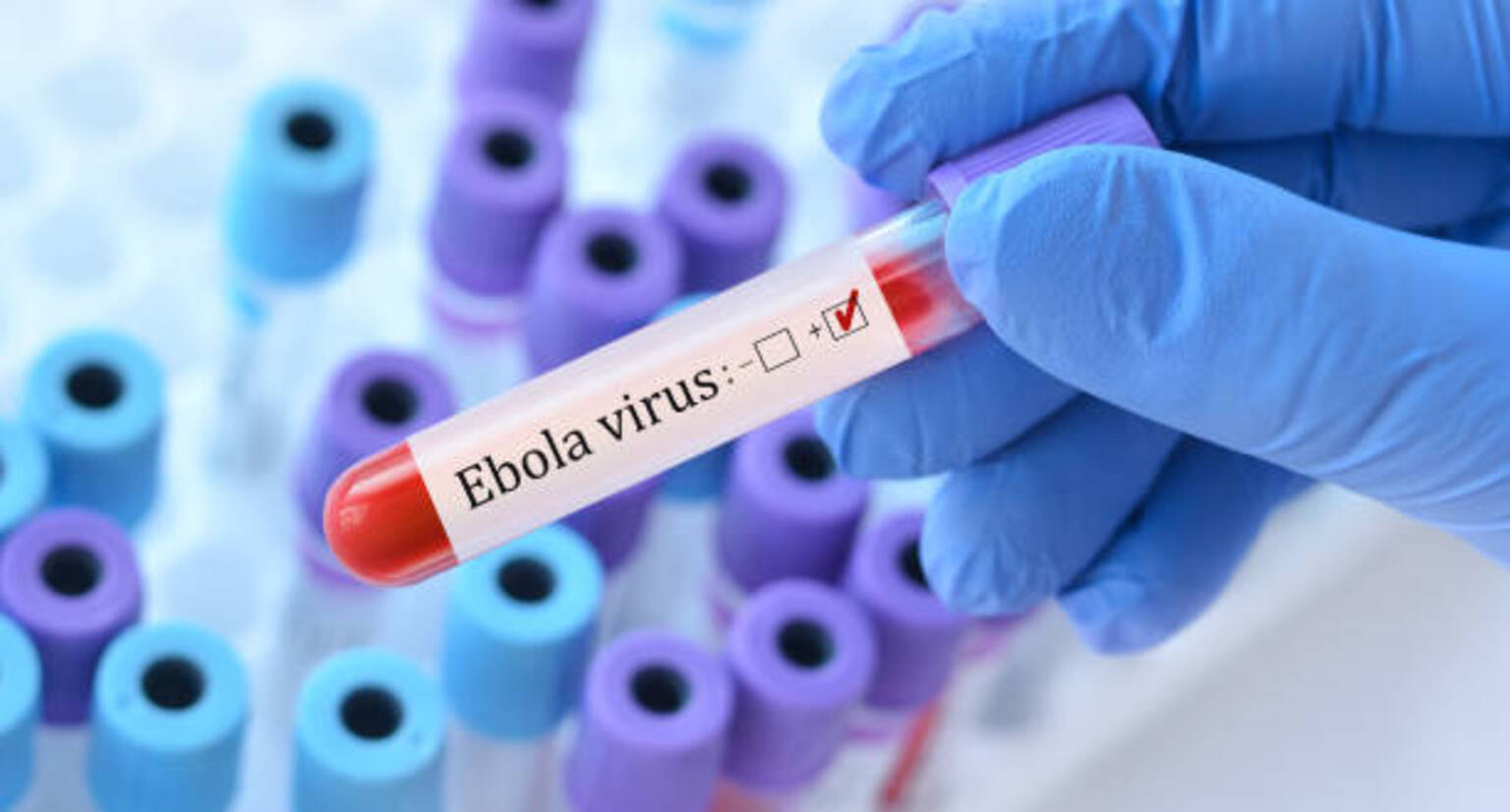
- Severity of Outbreak: The WHO reports that the ongoing Ebola outbreak in East Africa has resulted in over 130 deaths, with suspected cases rising to 600 in the Democratic Republic of the Congo and Uganda, indicating the severity and potential spread of the epidemic.
- Public Health Emergency: WHO Director-General Tedros declared the Ebola outbreak a Public Health Emergency of International Concern, marking the highest level of global health alert, reflecting the urgency and potential threat to global health posed by the epidemic.
- Vaccine Development Progress: Although no vaccines are currently available for the Bundibugyo strain, WHO advisors stated that two candidate vaccines are under study, demonstrating scientific efforts to combat the outbreak and future hope for prevention.
- International Travel Restrictions: The U.S. CDC has imposed travel restrictions from three African countries to prevent the spread of the Ebola virus, indicating the international community's heightened awareness and response measures to the outbreak.
GSK Reports Positive Phase III Results for Hepatitis B Treatment Bepirovirsen
- Successful Clinical Trials: GSK's hepatitis B treatment bepirovirsen demonstrated positive results in Phase III B-Well 1 and B-Well 2 trials, with 19% of patients achieving a functional cure compared to 0% in the placebo group, indicating a potential breakthrough in hepatitis B treatment.
- Outstanding Performance in Low Viral Load Patients: Among patients with lower baseline viral activity, the functional cure rate increased to 26%, showcasing the drug's significant efficacy in specific patient populations and potentially changing the landscape of hepatitis B therapy.
- Sustained Viral Suppression Rate: After stopping therapy for 72 weeks, 23% of bepirovirsen-treated patients achieved sustained viral suppression, while none in the placebo group did, highlighting the drug's potential for long-term efficacy.
- Regulatory Review Progress: Bepirovirsen is currently under priority review by the U.S. FDA and undergoing regulatory assessments in Europe, Japan, and China, with GSK expecting the first regulatory decisions in Q3 2026, indicating a promising market outlook.
Regulatory Approvals and Collaborations in Biotech Sector
- FDA Approval for AZN: AstraZeneca (AZN) secured FDA approval for the IMFINZI + BCG combination in high-risk non-muscle-invasive bladder cancer, supported by Phase 3 POTOMAC data showing a 32% reduction in recurrence or death, enhancing its competitive edge in oncology.
- JNJ TREMFYA Label Expansion: Johnson & Johnson (JNJ) received FDA approval to add structural joint-damage inhibition data to the TREMFYA label for active psoriatic arthritis, confirming its unique position in first-line treatment with no new safety signals, reinforcing its market leadership.
- LINZESS Approved for Children: Ironwood Pharmaceuticals (IRWD) gained FDA approval for LINZESS to treat functional constipation in children aged 2-5, based on a 12-week Phase 3 trial showing significant improvement in spontaneous bowel movements, expanding its pediatric market influence.
- AbbVie's DECNUPAZ Approval: AbbVie (ABBV) received FDA approval for DECNUPAZ to treat ultra-rare blood cancer BPDCN, supported by Phase 1 data showing a 69.7% composite complete response rate and a median duration of 9.7 months, marking a significant innovation in hematologic oncology.
GSK's Antisense Drug Shows Promise in Hepatitis B Trials
- Clinical Trial Success: GSK's antisense drug bepirovirsen, developed with Ionis Pharma, achieved a 19% functional cure rate in two late-stage trials, significantly surpassing the current standard treatment's less than 1% cure rate, marking a new hope for chronic hepatitis B treatment.
- Significant Treatment Effects: In the B-Well 1 and B-Well 2 Phase 3 trials, six months of bepirovirsen therapy resulted in undetectable hepatitis B virus DNA and surface antigens for at least six months post-therapy, demonstrating clinically meaningful efficacy.
- Good Safety Profile: Conducted across 29 countries with chronic hepatitis patients, the studies indicated that bepirovirsen has an acceptable safety and tolerability profile consistent with previous trials, laying a solid foundation for its future market application.
- Long-term Impact Potential: GSK's science chief Tony Wood emphasized that bepirovirsen not only offers the potential for significantly improved functional cure rates but also may reduce the risk of long-term liver complications, including cancer, indicating a major advancement in chronic hepatitis B treatment.
Eli Lilly Returns to Vaccine Market with $4 Billion Acquisition of Three Companies
- Return to Vaccine Market: Eli Lilly announced the acquisition of three vaccine manufacturers for nearly $4 billion, including $1.5 billion for Curevo, which is developing a shingles vaccine, marking its return to the vaccine and infectious disease sector despite regulatory uncertainties.
- Vaccine Development Potential: Curevo's shingles vaccine demonstrated a lower incidence of side effects in phase 2 trials (7.3% compared to GSK's 33%), which could enhance patient uptake and completion rates, thereby strengthening Lilly's competitive position in the vaccine market.
- Strategic Acquisitions: By acquiring Vaccine Company, Lilly aims to potentially launch the first-ever vaccine for the common virus EBV, which is linked to various serious diseases, presenting significant market potential given that around 95% of adults are infected with the virus.
- Market Opportunity Analysis: Although Lilly did not provide revenue estimates for the new vaccines, considering GSK's Shingrix vaccine generated $4.8 billion in sales in 2025, Lilly's new vaccine products could capture a share of the market, particularly with the shingles vaccine's competitive potential.
Volatility in UK Assets Amid Political Turmoil and Investment Opportunities
- Political Turmoil Impacting Markets: The recent volatility in UK assets, particularly the 10-year gilt yield nearing post-2008 highs, reflects market uncertainty stemming from Prime Minister Keir Starmer's questioned leadership and potential challenges from rival Andy Burnham.
- Investor Optimism on Large Caps: Despite the political upheaval, Citi analysts maintain a bullish outlook on the FTSE 100, citing its significant commodity and defensive exposure as a geopolitical hedge, indicating strong investor confidence in large-cap stocks.
- Opportunities in Small Caps: Jupiter Asset Management's Adrian Gosden highlights that while small and mid-cap stocks (SMIDs) face severe challenges, identifying financially sound companies could yield substantial returns, especially given the current pessimistic market sentiment.
- Attraction of SALO Businesses: Ben Needham from Ninety One notes that the market's harsh treatment of soft asset, low obsolescence SALO businesses has created attractive investment opportunities, particularly as many companies accelerate buybacks and cash returns, signaling strong value amidst the turmoil.
WHO Warns of Potential Worsening of Ebola Outbreak
- Severity of Outbreak: The WHO reports that the ongoing Ebola outbreak in East Africa has resulted in over 130 deaths, with suspected cases rising to 600 in the Democratic Republic of the Congo and Uganda, indicating the severity and potential spread of the epidemic.
- Public Health Emergency: WHO Director-General Tedros declared the Ebola outbreak a Public Health Emergency of International Concern, marking the highest level of global health alert, reflecting the urgency and potential threat to global health posed by the epidemic.
- Vaccine Development Progress: Although no vaccines are currently available for the Bundibugyo strain, WHO advisors stated that two candidate vaccines are under study, demonstrating scientific efforts to combat the outbreak and future hope for prevention.
- International Travel Restrictions: The U.S. CDC has imposed travel restrictions from three African countries to prevent the spread of the Ebola virus, indicating the international community's heightened awareness and response measures to the outbreak.