Airline Stocks Hit Headwinds As Carriers Cut Guidance, ETFs Enter Turbulence
Written by Emily J. Thompson, Senior Investment Analyst
Updated: Apr 25 2025
0mins


Source: Benzinga
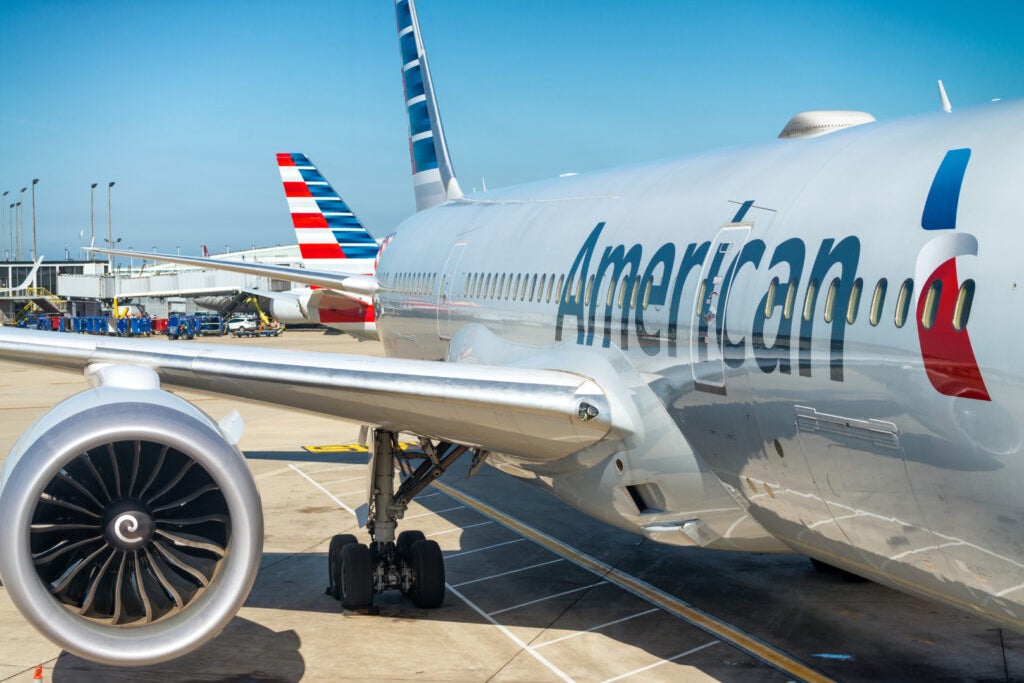
Airline Industry Outlook: Major U.S. airlines like American Airlines, Southwest, and Alaska Air have withdrawn their 2025 forecasts due to economic uncertainty, leading to significant declines in their stock prices and affecting airline-themed ETFs such as JETS, IYT, and XTN.
Investor Sentiment: Despite some strong first-quarter results, the overall sentiment remains cautious as airlines face challenges from domestic demand weakness and geopolitical factors, leaving investors in a holding pattern until clearer economic signals emerge.
Trade with 70% Backtested Accuracy
Stop guessing "Should I Buy ALK?" and start using high-conviction signals backed by rigorous historical data.
Sign up today to access powerful investing tools and make smarter, data-driven decisions.
Analyst Views on ALK
Wall Street analysts forecast ALK stock price to rise
11 Analyst Rating
11 Buy
0 Hold
0 Sell
Strong Buy
Current: 51.250

Low
63.00
Averages
71.10
High
80.00
Current: 51.250
Low
63.00
Averages
71.10
High
80.00
About ALK
Alaska Air Group, Inc. is engaged in operating airlines. The Company operates through its subsidiaries Alaska Airlines, Inc., Hawaiian Holdings, Inc., Horizon Air Industries, Inc., and McGee Air Services. The Company's segments include Alaska Airlines, Hawaiian Airlines, and Regional. The Alaska Airlines segment includes scheduled air transportation of passengers and cargo on Boeing 737 (B737), Boeing 787 (B787), Boeing 717 (B717), Airbus A330 (A330), Airbus A321neo (A321neo), and others, throughout North America, Latin America, Asia, and the Pacific. The Regional segment includes Horizon's and other third-party carriers scheduled air transportation on E175 jet aircraft for passengers under capacity purchase agreements (CPAs). The Company serves more than 140 destinations throughout North America, Central America, Asia and across the Pacific. The Company provides freight and mail services (cargo) using both freighter aircraft and the bellies of its passenger aircraft.
About the author

Emily J. Thompson
Emily J. Thompson, a Chartered Financial Analyst (CFA) with 12 years in investment research, graduated with honors from the Wharton School. Specializing in industrial and technology stocks, she provides in-depth analysis for Intellectia’s earnings and market brief reports.

U.S. Stocks Rise, S&P 500 Hits Two-Week High


- Employment Data Impact: U.S. nonfarm payrolls rose by 57,000 in June, falling short of the expected 113,000, with May's figures revised down to 129,000, indicating a slowdown in the labor market that could influence the Fed's rate hike decisions, thereby providing support for the stock market.
- Strong Market Performance: The S&P 500 index increased by 0.67%, and the Dow Jones Industrial Average rose by 0.85%, reaching an all-time high, reflecting market optimism for a 23% increase in Q2 earnings, particularly as AI infrastructure stocks are expected to contribute nearly 60% of earnings growth.
- International Market Rally: The Euro Stoxx 50 index climbed by 1.32%, hitting a new record high, indicating positive sentiment in global markets, especially against the backdrop of strong U.S. stock performance, which further boosts investor confidence.
- Oil Price Decline Impact: WTI crude oil prices fell by over 1% to a fresh 4.25-month low due to increased global supplies, which lowers inflation expectations and may provide additional support for the stock market, particularly benefiting airlines and cruise companies from reduced fuel costs.
See More
BofA Bullish on U.S. Airlines Ahead of Q2 Earnings

- Strong Demand: BofA analysts highlight that as the summer travel peak approaches, demand for U.S. airlines remains robust, which is expected to drive growth in Q2 earnings and further bolster market confidence.
- Price Target Increases: Reflecting optimism about the industry's recovery, BofA has raised price targets for several airlines based on expectations of stable fares and strong demand, potentially attracting more investor interest.
- Stable Summer Fares: Analysts emphasize that stable summer fares indicate successful pricing strategies by airlines, which will help enhance overall profitability and strengthen competitive positioning in the market.
- Optimistic Industry Outlook: BofA's bullish outlook reflects confidence in the recovery of the airline sector, which is expected to draw more investment into the industry and drive up related stock prices.
See More
American Airlines to Open New Lounge at JFK Airport

- New Lounge Opening: American Airlines plans to open a 3,700-square-foot Grab-and-Go lounge at New York's JFK Airport by the end of this year, marking its first new facility at the airport in over four years, aimed at attracting high-paying customers to close the profit gap with Delta Air Lines and United Airlines.
- Facility Features: The new lounge will feature a barista bar offering hot and iced coffee drinks, along with hot and cold food options for travelers to grab quickly, enhancing customer experience and catering to the needs of fast-moving passengers.
- Market Competition: This initiative reflects American Airlines' strategic adjustment in the high-end market competition, as airlines increasingly add short-visit lounges to avoid overcrowding in larger clubs, particularly in the competitive landscape against Delta and United.
- Historical Context: Despite opening high-end lounges in 2022, American Airlines has lagged in updating its JFK facilities compared to other cities, and the introduction of this new lounge signifies a renewed focus on the New York market and an effort to enhance its appeal to premium customers.
See More

Rising Concentration in US Stock Market

- Market Concentration Rise: The top 10 US stocks now account for over one-third of the market, up from 18% a decade ago, indicating an increasing reliance on a few giants, which could heighten portfolio risk concentration.
- International Stock Investment Opportunity: Funds like VXUS and VWO target international stocks, with the current US equity premium at 34%, significantly above the long-term average of 19%, suggesting substantial investment value in international markets that could yield better returns.
- Small-Cap Value Investment: The AVUV fund focuses on over 300 small-cap value stocks, with the top 10 making up only 7.5% of net assets, and some holdings trading at a P/E of 11, far below the high valuations of the S&P 500, highlighting its potential investment appeal.
- Investment Risks and Returns: While international stocks and small caps may underperform large US stocks in the short term, they provide protection during market volatility, ensuring portfolio stability in adverse conditions, especially when the US market is highly concentrated.
See More

Allegiant Travel Shares Surge 5.5% on Analyst Upgrade

- Stock Price Surge: Allegiant Travel (ALGT) shares closed 5.5% higher at $116.1 in the last trading session, with trading volume significantly above average, indicating strong market confidence in its future performance.
- Merger Synergies: Analysts anticipate that the merger with Sun Country Airlines will create synergies, enhancing Allegiant's competitiveness in the U.S. leisure airline market, with a combined network covering nearly 175 cities and 650 routes.
- Earnings Forecast: Allegiant is expected to report a quarterly loss of $0.54 per share, representing a year-over-year decline of 143.9%, while revenues are projected at $743.28 million, up 7.8%, indicating potential growth.
- Earnings Estimate Revision: The consensus EPS estimate for Allegiant has been revised 5.6% higher over the past 30 days, and such positive revisions typically correlate with stock price appreciation, prompting investors to monitor ALGT's future performance.
See More

BETA and Surf Air Launch Electric Aircraft Demonstration Program in Hawaii


- Electric Aviation Demonstration: BETA Technologies and Surf Air Mobility have launched a six to eight-week electric aircraft demonstration flight program in Hawaii, aimed at generating data and enhancing community education on electric aviation, marking a significant step towards the commercialization of electric aviation.
- Partner Support: Hawaiian Airlines, as a key partner, provides insights on cargo and passenger routes and participates in feasibility assessments, ensuring the smooth execution of the demonstration program and enhancing the market potential for electric aviation in Hawaii.
- Operational Data Generation: The program will generate critical data regarding electric aircraft operations in Hawaii, including direct operating costs, maintenance requirements, and battery performance, providing essential insights for the future commercialization of electric aviation and advancing sustainable aviation solutions.
- Infrastructure Development: Surf Air Mobility plans to establish a Maintenance, Repair, and Overhaul (MRO) facility in Hawaii, expected to serve as the authorized service center for BETA aircraft, supporting long-term electric aviation operations and enhancing the technical infrastructure necessary for scaling electric aviation.
See More
U.S. Stocks Rise, S&P 500 Hits Two-Week High
- Employment Data Impact: U.S. nonfarm payrolls rose by 57,000 in June, falling short of the expected 113,000, with May's figures revised down to 129,000, indicating a slowdown in the labor market that could influence the Fed's rate hike decisions, thereby providing support for the stock market.
- Strong Market Performance: The S&P 500 index increased by 0.67%, and the Dow Jones Industrial Average rose by 0.85%, reaching an all-time high, reflecting market optimism for a 23% increase in Q2 earnings, particularly as AI infrastructure stocks are expected to contribute nearly 60% of earnings growth.
- International Market Rally: The Euro Stoxx 50 index climbed by 1.32%, hitting a new record high, indicating positive sentiment in global markets, especially against the backdrop of strong U.S. stock performance, which further boosts investor confidence.
- Oil Price Decline Impact: WTI crude oil prices fell by over 1% to a fresh 4.25-month low due to increased global supplies, which lowers inflation expectations and may provide additional support for the stock market, particularly benefiting airlines and cruise companies from reduced fuel costs.
See More
BofA Bullish on U.S. Airlines Ahead of Q2 Earnings
- Strong Demand: BofA analysts highlight that as the summer travel peak approaches, demand for U.S. airlines remains robust, which is expected to drive growth in Q2 earnings and further bolster market confidence.
- Price Target Increases: Reflecting optimism about the industry's recovery, BofA has raised price targets for several airlines based on expectations of stable fares and strong demand, potentially attracting more investor interest.
- Stable Summer Fares: Analysts emphasize that stable summer fares indicate successful pricing strategies by airlines, which will help enhance overall profitability and strengthen competitive positioning in the market.
- Optimistic Industry Outlook: BofA's bullish outlook reflects confidence in the recovery of the airline sector, which is expected to draw more investment into the industry and drive up related stock prices.
See More
American Airlines to Open New Lounge at JFK Airport
- New Lounge Opening: American Airlines plans to open a 3,700-square-foot Grab-and-Go lounge at New York's JFK Airport by the end of this year, marking its first new facility at the airport in over four years, aimed at attracting high-paying customers to close the profit gap with Delta Air Lines and United Airlines.
- Facility Features: The new lounge will feature a barista bar offering hot and iced coffee drinks, along with hot and cold food options for travelers to grab quickly, enhancing customer experience and catering to the needs of fast-moving passengers.
- Market Competition: This initiative reflects American Airlines' strategic adjustment in the high-end market competition, as airlines increasingly add short-visit lounges to avoid overcrowding in larger clubs, particularly in the competitive landscape against Delta and United.
- Historical Context: Despite opening high-end lounges in 2022, American Airlines has lagged in updating its JFK facilities compared to other cities, and the introduction of this new lounge signifies a renewed focus on the New York market and an effort to enhance its appeal to premium customers.
See More
Rising Concentration in US Stock Market
- Market Concentration Rise: The top 10 US stocks now account for over one-third of the market, up from 18% a decade ago, indicating an increasing reliance on a few giants, which could heighten portfolio risk concentration.
- International Stock Investment Opportunity: Funds like VXUS and VWO target international stocks, with the current US equity premium at 34%, significantly above the long-term average of 19%, suggesting substantial investment value in international markets that could yield better returns.
- Small-Cap Value Investment: The AVUV fund focuses on over 300 small-cap value stocks, with the top 10 making up only 7.5% of net assets, and some holdings trading at a P/E of 11, far below the high valuations of the S&P 500, highlighting its potential investment appeal.
- Investment Risks and Returns: While international stocks and small caps may underperform large US stocks in the short term, they provide protection during market volatility, ensuring portfolio stability in adverse conditions, especially when the US market is highly concentrated.
See More
Allegiant Travel Shares Surge 5.5% on Analyst Upgrade
- Stock Price Surge: Allegiant Travel (ALGT) shares closed 5.5% higher at $116.1 in the last trading session, with trading volume significantly above average, indicating strong market confidence in its future performance.
- Merger Synergies: Analysts anticipate that the merger with Sun Country Airlines will create synergies, enhancing Allegiant's competitiveness in the U.S. leisure airline market, with a combined network covering nearly 175 cities and 650 routes.
- Earnings Forecast: Allegiant is expected to report a quarterly loss of $0.54 per share, representing a year-over-year decline of 143.9%, while revenues are projected at $743.28 million, up 7.8%, indicating potential growth.
- Earnings Estimate Revision: The consensus EPS estimate for Allegiant has been revised 5.6% higher over the past 30 days, and such positive revisions typically correlate with stock price appreciation, prompting investors to monitor ALGT's future performance.
See More
BETA and Surf Air Launch Electric Aircraft Demonstration Program in Hawaii
- Electric Aviation Demonstration: BETA Technologies and Surf Air Mobility have launched a six to eight-week electric aircraft demonstration flight program in Hawaii, aimed at generating data and enhancing community education on electric aviation, marking a significant step towards the commercialization of electric aviation.
- Partner Support: Hawaiian Airlines, as a key partner, provides insights on cargo and passenger routes and participates in feasibility assessments, ensuring the smooth execution of the demonstration program and enhancing the market potential for electric aviation in Hawaii.
- Operational Data Generation: The program will generate critical data regarding electric aircraft operations in Hawaii, including direct operating costs, maintenance requirements, and battery performance, providing essential insights for the future commercialization of electric aviation and advancing sustainable aviation solutions.
- Infrastructure Development: Surf Air Mobility plans to establish a Maintenance, Repair, and Overhaul (MRO) facility in Hawaii, expected to serve as the authorized service center for BETA aircraft, supporting long-term electric aviation operations and enhancing the technical infrastructure necessary for scaling electric aviation.
See More