

AI Virtual Try-On Technology Boosts Retail
Written by Emily J. Thompson, Senior Investment Analyst
Updated: Apr 05 2026
0mins


Source: CNBC
- Return Rate Challenge: The National Retail Federation estimates that by 2025, 15.8% of retail sales will be returned, with online sales seeing a staggering 19.3% return rate, significantly impacting retailers' profitability and driving them to seek AI solutions to mitigate returns.
- Virtual Try-On Technology: AI startup Catches has launched a virtual try-on platform that allows users to create a 'digital twin' for clothing trials, utilizing physics to simulate fabric texture, which is expected to significantly enhance online sales conversion rates for luxury brands and drive profit growth.
- Market Response: Retailers like Zara and ASOS have begun implementing virtual try-on tools and return fee policies, with Zara successfully protecting its gross margin through these measures, while ASOS reported a 160 basis point reduction in return rates, showcasing the potential of AI technology in improving profitability.
- Industry Outlook: As AI technology continues to advance, it is expected to drive transformation across the retail sector, with Catches projecting a 10% increase in conversion rates and a 20 to 30 times return on investment for brand partners, indicating the growing significance of AI in retail.
Trade with 70% Backtested Accuracy
Stop guessing "Should I Buy SHOP?" and start using high-conviction signals backed by rigorous historical data.
Sign up today to access powerful investing tools and make smarter, data-driven decisions.
Analyst Views on SHOP
Wall Street analysts forecast SHOP stock price to rise
31 Analyst Rating
18 Buy
13 Hold
0 Sell
Moderate Buy
Current: 120.140

Low
140.00
Averages
180.62
High
200.00
Current: 120.140
Low
140.00
Averages
180.62
High
200.00
About SHOP
Shopify Inc. (Shopify) is a Canada-based global commerce company. The Company provides essential Internet infrastructure for commerce, offering tools to start, grow, market and manage a retail business of any size. It provides platforms and services that are engineered and delivers a shopping experience for consumers online, in store and everywhere in between. Its software enables merchants to run their business across all of their sales channels, including Web and mobile storefronts, physical retail locations, social media storefronts, and marketplaces. The Company's Shopify platform provides merchants with a single view of their business across all of their sales channels and enables them to manage products and inventory, process orders and payments, fulfill and ship orders, build customer relationships, source products, leverage analytics and reporting, and access financing, all from one integrated back office. The Shopify's platform operates across 175 countries.
About the author

Emily J. Thompson
Emily J. Thompson, a Chartered Financial Analyst (CFA) with 12 years in investment research, graduated with honors from the Wharton School. Specializing in industrial and technology stocks, she provides in-depth analysis for Intellectia’s earnings and market brief reports.

OUSD Stablecoin Poses Existential Threat to Circle


- Launch of New Stablecoin: A coalition of over 140 financial, tech, and retail giants, including Visa, Mastercard, and Coinbase, has backed the new stablecoin Open USD (OUSD), which poses a direct threat to Circle's USD Coin (USDC), causing Circle's stock to drop by 7.21%.
- Revenue Model Disruption: OUSD challenges Circle's traditional revenue model, which relies on cash and U.S. Treasury holdings, by sharing reserve income with ecosystem partners, potentially leading to a significant decline in Circle's market share and revenue.
- Decentralized Governance Advantage: Unlike USDC, which is managed solely by Circle, OUSD is governed by an independent board, making it more appealing to companies that prefer not to be controlled by a single entity, which could accelerate the loss of USDC users.
- Critical Role of Coinbase: Coinbase's partnership with OUSD raises concerns as it may not renew its revenue-sharing agreement with Circle, further weakening Circle's income sources, prompting investors to closely monitor its future performance.
See More

OUSD Stablecoin Challenges USDC Market Dynamics
- New Stablecoin Launch: A coalition of over 140 financial, tech, and retail giants, including Visa, Mastercard, and BlackRock, has launched the OUSD stablecoin, aiming to challenge Circle's USDC by offering shared yields and zero-cost minting, which could significantly impact USDC's market share.
- Decentralized Governance Advantage: Unlike USDC, which is solely managed by Circle, OUSD is governed by an independent board of partners, appealing to companies that prefer not to be dominated by a single entity, potentially reshaping the stablecoin market landscape.
- Potential Revenue Sharing Risk: Coinbase's partnership with OUSD raises concerns as it may choose not to renew its revenue-sharing agreement with Circle after August 18, which could lead to a substantial decline in Circle's revenue and further impact its stock performance.
- Market Expectations and Valuation Pressure: Analysts project Circle's revenue to nearly double from 2025 to 2028, but the introduction of OUSD may force them to lower growth expectations for Circle, making its current valuation appear overstretched, prompting investors to carefully assess their timing for investment.
See More

Opendoor Stock Drops 21% Amid Housing Market Pressures


- Significant Stock Decline: Opendoor Technologies' stock dropped 21% in the first half of the year according to S&P Global Market Intelligence, indicating a gradual decline after last year's surge driven by social media and retail investors, amidst ongoing pressures in the housing market.
- New CEO's Strategic Shift: Under new CEO Kaz Nejatian, the company has integrated more artificial intelligence to enhance efficiency and introduced a 'cash now, more later' product, which accounted for one-third of acquisition contracts in Q1, showcasing diversification in customer options.
- Increased Home Purchases: In Q1 2026, Opendoor purchased 45% more homes sequentially, with 5,000 under contract, doubling the fourth-quarter figure and marking the highest level since 2022, indicating promising initial results from its strategic overhaul.
- Market Environment Challenges: Despite improvements in contribution margins and faster sales, Opendoor faces the reality of unprofitability and a challenging environment due to high interest rates and ongoing housing market pressures, preventing the stock from reflecting its recovery potential.
See More
Opendoor's New CEO Drives Transformation Progress
- New CEO Appointment: Kaz Nejatian has taken over as CEO of Opendoor, driving the company's transformation amidst a challenging market environment, with the stock dropping 21% in the first half of the year, reflecting investor concerns about future performance.
- Strategy Shift in Home Buying: The new strategy focuses on purchasing quality homes and accelerating sales, with a 45% increase in home purchases in Q1 compared to the previous quarter, reaching 5,000 contracts, the highest since 2022, indicating the company's adaptability under market pressure.
- Improved Market Performance: The percentage of homes on the market for over 120 days decreased from 33% in the previous quarter to 10%, below the market average, demonstrating the company's effectiveness in enhancing sales efficiency, although overall profitability remains a concern.
- Investor Confidence Lacking: Despite initial progress in the transformation, ongoing high interest rates and an unfavorable housing market lead to cautious sentiment from the market regarding Opendoor's future, preventing it from making the list of recommended top stocks for investors.
See More

Payments Platforms Warn Against Illegal Vape Transactions


- Market Size: The U.S. illegal vape market is estimated to exceed $9 billion in annual sales, prompting law enforcement agencies to intensify scrutiny and urging payment platforms and retailers to mitigate legal risks.
- Compliance Warnings: BP and other gas station operators have received compliance violation notices from Mastercard, warning that merchants processing illegal vape transactions could face fines in the mid-six figures, indicating a significant increase in regulatory pressure.
- Increased Legal Pressure: Attorneys general from states like California, Illinois, and Arizona are collaborating to pressure platforms like Shopify to ban illegal vape sales, reflecting a strong governmental crackdown on this market.
- Scarcity of FDA-Approved Products: The FDA has only authorized 45 vaping products for legal sale, yet unauthorized brands continue to be sold illegally, heightening compliance risks for merchants who must navigate this challenging landscape.
See More
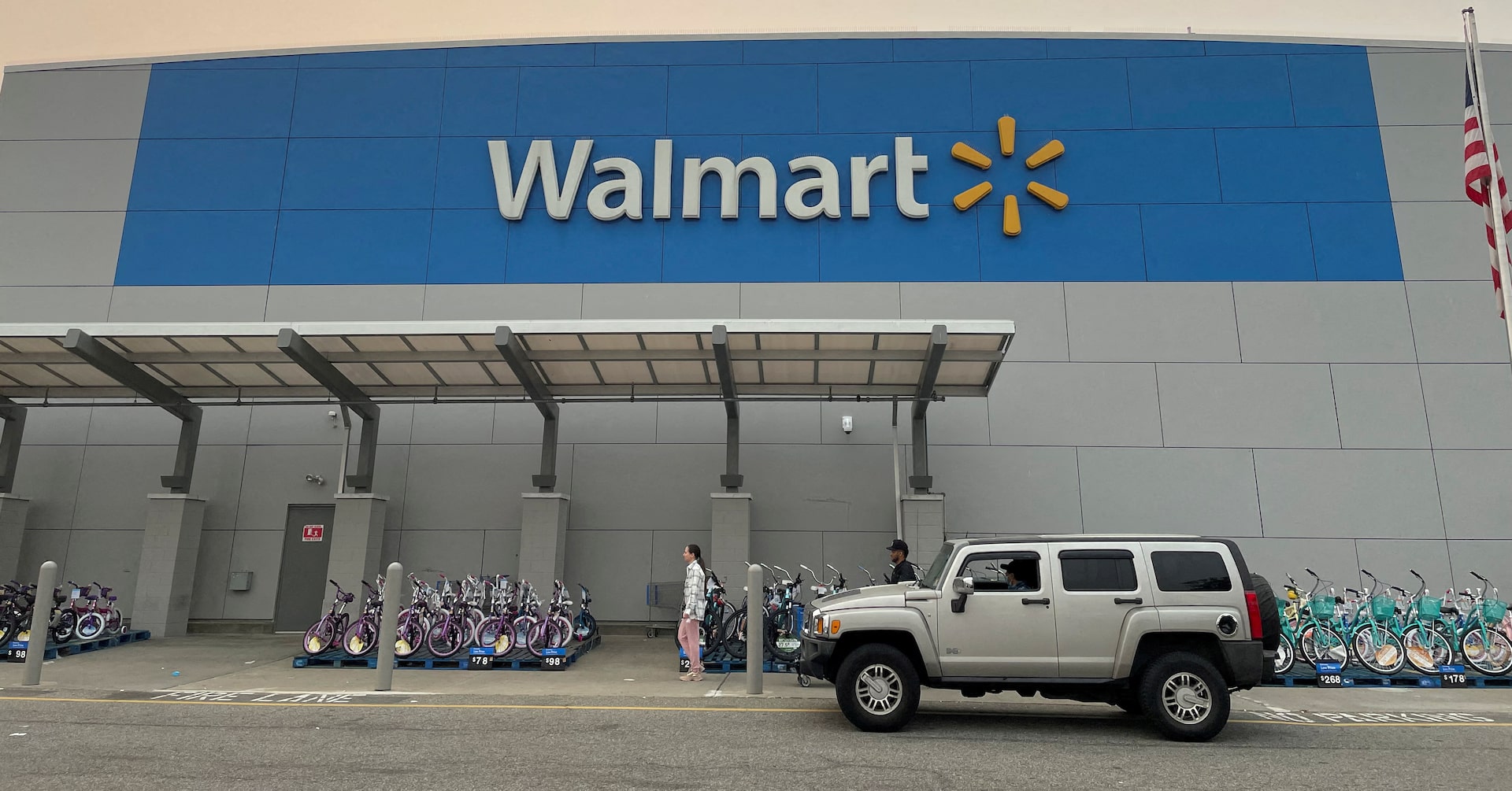
Walmart's Google Partnership Drives E-commerce Surge

- Significant E-commerce Growth: Walmart's Q1 revenue reached $175.68 billion, reflecting a 6.1% year-over-year increase, with global e-commerce growing by 26%, now representing 23% of net sales, indicating a strong performance and market share expansion in the e-commerce sector.
- Surge in Marketplace Sales: Walmart's marketplace sales nearly increased by 50%, while Walmart Connect advertising revenue grew by 44%, which not only enhances the company's advertising revenue stream but also demonstrates its competitiveness in digital marketing.
- Efficiency Driven by Technological Innovation: Walmart's adoption of innovative technologies and automation has led to a 45% increase in store-fulfilled delivery, with expedited orders under three hours accounting for 36% of store-fulfilled volume, showcasing its efforts to enhance customer experience and operational efficiency.
- Buyback Plan Supports Investor Confidence: Walmart announced a $30 billion stock repurchase authorization, further bolstering investor confidence in the company's future growth potential while providing financial flexibility in a competitive retail market.
See More
OUSD Stablecoin Poses Existential Threat to Circle
- Launch of New Stablecoin: A coalition of over 140 financial, tech, and retail giants, including Visa, Mastercard, and Coinbase, has backed the new stablecoin Open USD (OUSD), which poses a direct threat to Circle's USD Coin (USDC), causing Circle's stock to drop by 7.21%.
- Revenue Model Disruption: OUSD challenges Circle's traditional revenue model, which relies on cash and U.S. Treasury holdings, by sharing reserve income with ecosystem partners, potentially leading to a significant decline in Circle's market share and revenue.
- Decentralized Governance Advantage: Unlike USDC, which is managed solely by Circle, OUSD is governed by an independent board, making it more appealing to companies that prefer not to be controlled by a single entity, which could accelerate the loss of USDC users.
- Critical Role of Coinbase: Coinbase's partnership with OUSD raises concerns as it may not renew its revenue-sharing agreement with Circle, further weakening Circle's income sources, prompting investors to closely monitor its future performance.
See More
OUSD Stablecoin Challenges USDC Market Dynamics
- New Stablecoin Launch: A coalition of over 140 financial, tech, and retail giants, including Visa, Mastercard, and BlackRock, has launched the OUSD stablecoin, aiming to challenge Circle's USDC by offering shared yields and zero-cost minting, which could significantly impact USDC's market share.
- Decentralized Governance Advantage: Unlike USDC, which is solely managed by Circle, OUSD is governed by an independent board of partners, appealing to companies that prefer not to be dominated by a single entity, potentially reshaping the stablecoin market landscape.
- Potential Revenue Sharing Risk: Coinbase's partnership with OUSD raises concerns as it may choose not to renew its revenue-sharing agreement with Circle after August 18, which could lead to a substantial decline in Circle's revenue and further impact its stock performance.
- Market Expectations and Valuation Pressure: Analysts project Circle's revenue to nearly double from 2025 to 2028, but the introduction of OUSD may force them to lower growth expectations for Circle, making its current valuation appear overstretched, prompting investors to carefully assess their timing for investment.
See More
Opendoor Stock Drops 21% Amid Housing Market Pressures
- Significant Stock Decline: Opendoor Technologies' stock dropped 21% in the first half of the year according to S&P Global Market Intelligence, indicating a gradual decline after last year's surge driven by social media and retail investors, amidst ongoing pressures in the housing market.
- New CEO's Strategic Shift: Under new CEO Kaz Nejatian, the company has integrated more artificial intelligence to enhance efficiency and introduced a 'cash now, more later' product, which accounted for one-third of acquisition contracts in Q1, showcasing diversification in customer options.
- Increased Home Purchases: In Q1 2026, Opendoor purchased 45% more homes sequentially, with 5,000 under contract, doubling the fourth-quarter figure and marking the highest level since 2022, indicating promising initial results from its strategic overhaul.
- Market Environment Challenges: Despite improvements in contribution margins and faster sales, Opendoor faces the reality of unprofitability and a challenging environment due to high interest rates and ongoing housing market pressures, preventing the stock from reflecting its recovery potential.
See More
Opendoor's New CEO Drives Transformation Progress
- New CEO Appointment: Kaz Nejatian has taken over as CEO of Opendoor, driving the company's transformation amidst a challenging market environment, with the stock dropping 21% in the first half of the year, reflecting investor concerns about future performance.
- Strategy Shift in Home Buying: The new strategy focuses on purchasing quality homes and accelerating sales, with a 45% increase in home purchases in Q1 compared to the previous quarter, reaching 5,000 contracts, the highest since 2022, indicating the company's adaptability under market pressure.
- Improved Market Performance: The percentage of homes on the market for over 120 days decreased from 33% in the previous quarter to 10%, below the market average, demonstrating the company's effectiveness in enhancing sales efficiency, although overall profitability remains a concern.
- Investor Confidence Lacking: Despite initial progress in the transformation, ongoing high interest rates and an unfavorable housing market lead to cautious sentiment from the market regarding Opendoor's future, preventing it from making the list of recommended top stocks for investors.
See More
Payments Platforms Warn Against Illegal Vape Transactions
- Market Size: The U.S. illegal vape market is estimated to exceed $9 billion in annual sales, prompting law enforcement agencies to intensify scrutiny and urging payment platforms and retailers to mitigate legal risks.
- Compliance Warnings: BP and other gas station operators have received compliance violation notices from Mastercard, warning that merchants processing illegal vape transactions could face fines in the mid-six figures, indicating a significant increase in regulatory pressure.
- Increased Legal Pressure: Attorneys general from states like California, Illinois, and Arizona are collaborating to pressure platforms like Shopify to ban illegal vape sales, reflecting a strong governmental crackdown on this market.
- Scarcity of FDA-Approved Products: The FDA has only authorized 45 vaping products for legal sale, yet unauthorized brands continue to be sold illegally, heightening compliance risks for merchants who must navigate this challenging landscape.
See More
Walmart's Google Partnership Drives E-commerce Surge
- Significant E-commerce Growth: Walmart's Q1 revenue reached $175.68 billion, reflecting a 6.1% year-over-year increase, with global e-commerce growing by 26%, now representing 23% of net sales, indicating a strong performance and market share expansion in the e-commerce sector.
- Surge in Marketplace Sales: Walmart's marketplace sales nearly increased by 50%, while Walmart Connect advertising revenue grew by 44%, which not only enhances the company's advertising revenue stream but also demonstrates its competitiveness in digital marketing.
- Efficiency Driven by Technological Innovation: Walmart's adoption of innovative technologies and automation has led to a 45% increase in store-fulfilled delivery, with expedited orders under three hours accounting for 36% of store-fulfilled volume, showcasing its efforts to enhance customer experience and operational efficiency.
- Buyback Plan Supports Investor Confidence: Walmart announced a $30 billion stock repurchase authorization, further bolstering investor confidence in the company's future growth potential while providing financial flexibility in a competitive retail market.
See More





