Trump aims for deal by April 6; oil prices rise, Nasdaq index changes announced.


White House: Military Actions Against Iran to Continue for 4-6 Weeks
Ongoing Military Operations
The White House Press Secretary, Levitt, stated that the U.S. military actions against Iran are proceeding "as planned" and will last for "4 to 6 weeks." Iran has agreed to allow 20 oil tankers to pass through the Strait of Hormuz, with expectations to announce an additional 20 tankers in the coming days, a result of ongoing negotiations between the U.S. and Iran.
Trump Aims for Agreement by April 6
Levitt mentioned that President Trump hopes to reach an agreement with Iran before April 6, the deadline he set for postponing attacks on Iranian energy facilities.
Arab Nations to Fund U.S. Military Actions
Levitt indicated that Trump intends to call on Arab nations to cover the costs of U.S. military actions against Iran, suggesting that this is a personal idea of Trump's.
Iran's Legislative Actions
Iran's parliament has approved a bill to impose tolls on vessels passing through the Strait of Hormuz, which includes prohibiting U.S. and Israeli ships and maintaining Iran's military dominance in the region.
Warnings from Iran
Iran's First Vice President warned the U.S. against deploying troops to Hormuz Island, stating that such a move would lead to irreversible consequences.
No Negotiations with the U.S.
Iran's Foreign Ministry spokesperson confirmed that there have been no negotiations with the U.S. since the onset of military actions, despite claims of indirect communication through intermediaries.
Israeli Military Operations
The Israeli military has reportedly completed most of its initial bombing targets in Iran and is now shifting focus to economic targets of the Iranian regime.
IMF's Economic Outlook
The International Monetary Fund (IMF) warned that the conflict could lead to a "global but asymmetric" economic shock, particularly affecting oil-importing countries in Africa and Asia.
Oil Prices Surge
U.S. oil prices have surged above $100 per barrel for the first time since the conflict began, with WTI crude futures reaching $105.
Federal Reserve's Stance
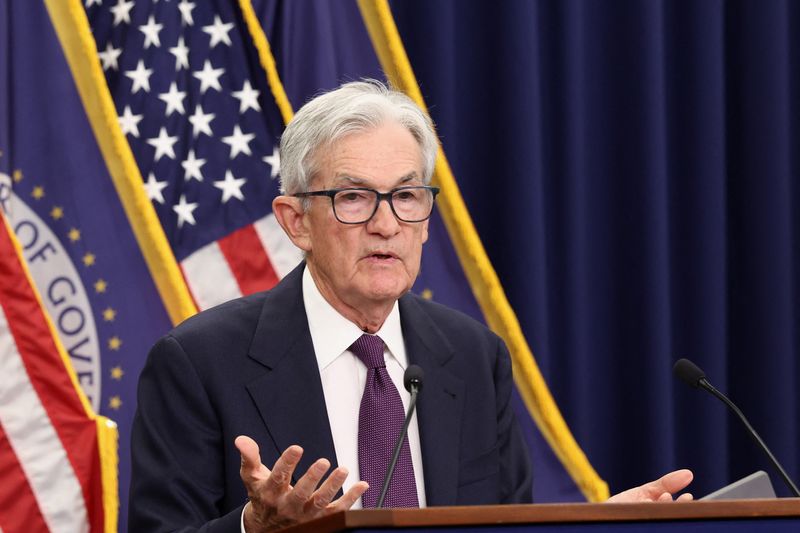
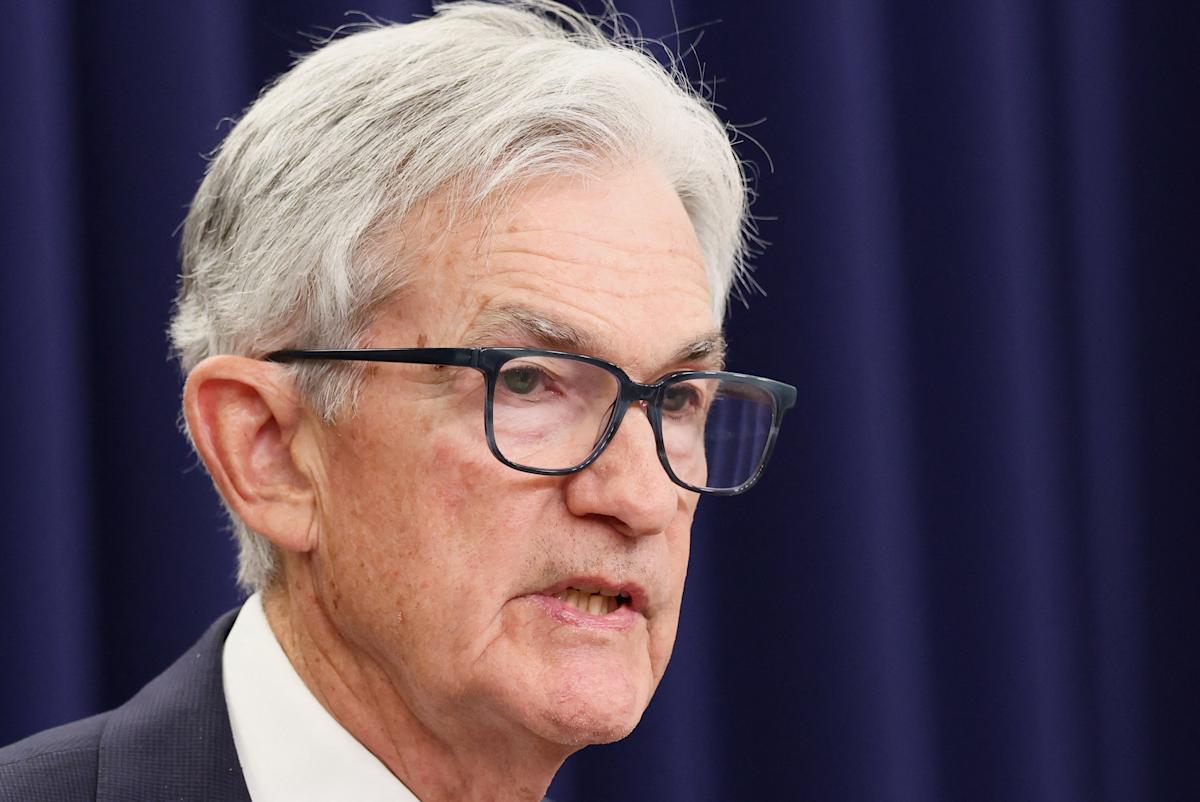
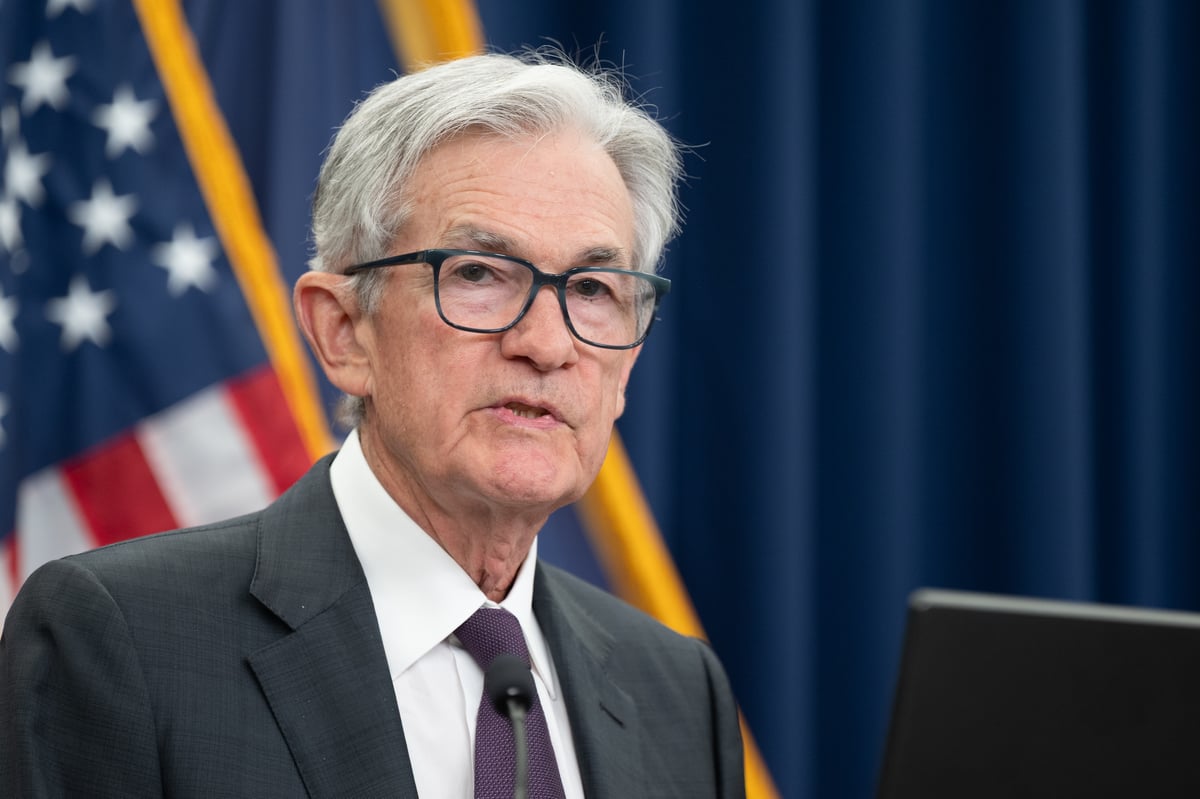
Federal Reserve Chairman Powell indicated that the Fed may maintain interest rates amid the energy shock caused by the conflict, while also warning that inflation expectations could change.
Stock Market Reactions
U.S. stock indices showed mixed results as investors weighed the implications of the Middle East conflict. The Dow Jones rose slightly, while the Nasdaq and S&P 500 saw declines.
Notable Stock Movements
- Tesla announced the launch of its TERAFAB project, aiming for over 1 terawatt of computing power annually.
- Meta Platforms is testing a new subscription service for Instagram.
- Sigma Lithium shares rose nearly 14% after announcing strong financial results.
Conclusion
The geopolitical tensions in the Middle East continue to impact global markets, with rising oil prices and mixed reactions from investors. The situation remains fluid as negotiations and military actions unfold.
About the author